
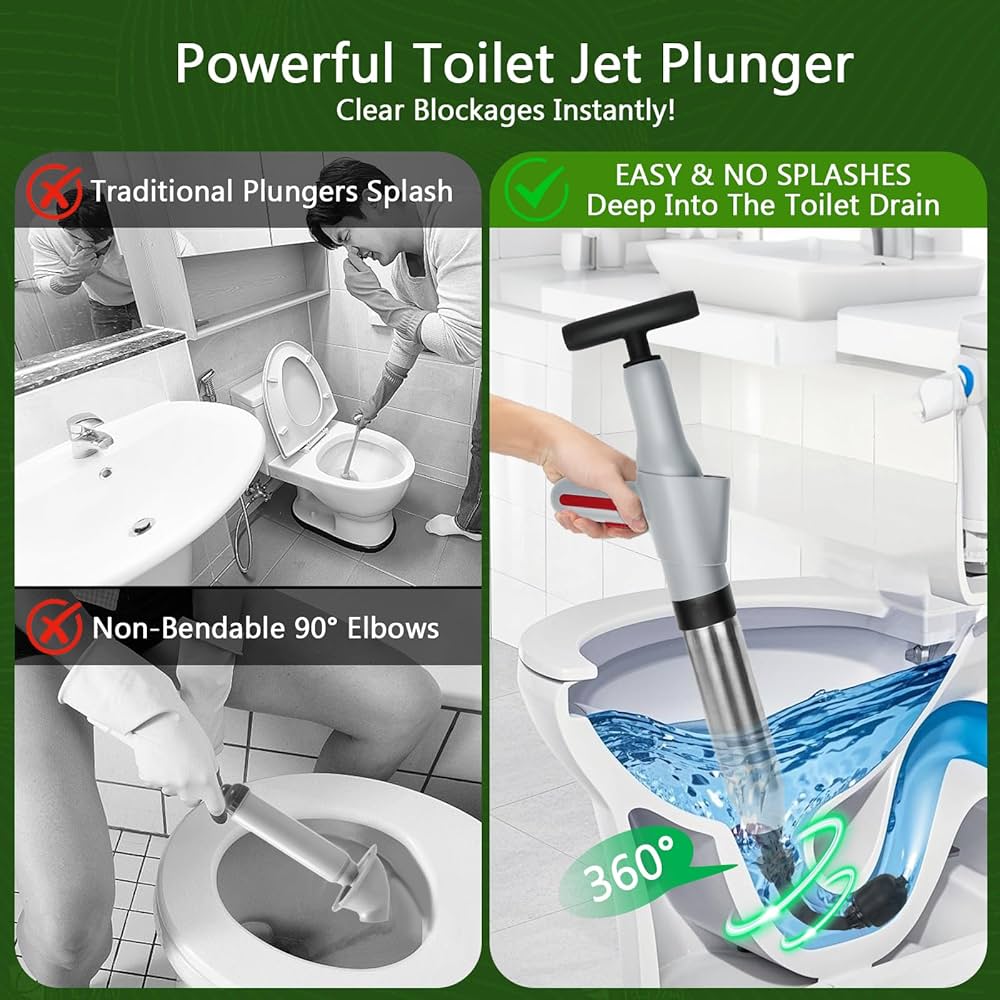
Have you ever faced a stubborn clog in your kitchen sink and wondered if the same plunger you use for your toilet could fix it? You’re not alone.
When water won’t drain and dishes start piling up, the frustration can quickly build. But before you rush to buy special tools or call a plumber, there’s a simple question to consider: Can you use a toilet plunger on your kitchen sink?
This article will give you clear answers, practical tips, and smart solutions to tackle that clog fast. Keep reading—you’ll soon know exactly what to do to get your sink flowing smoothly again.

Credit: www.threads.com
Toilet Plunger Basics
Understanding the basics of a toilet plunger helps you decide if it’s the right tool for your kitchen sink. Plungers come in different shapes and sizes, each designed for specific types of clogs. Knowing how they work can save you time and prevent damage to your plumbing.
Types Of Plungers
There are mainly two types of plungers you’ll encounter:
- Toilet Plungers:These have a flange (an extended rubber lip) that fits into the toilet drain, creating a tight seal for effective plunging.
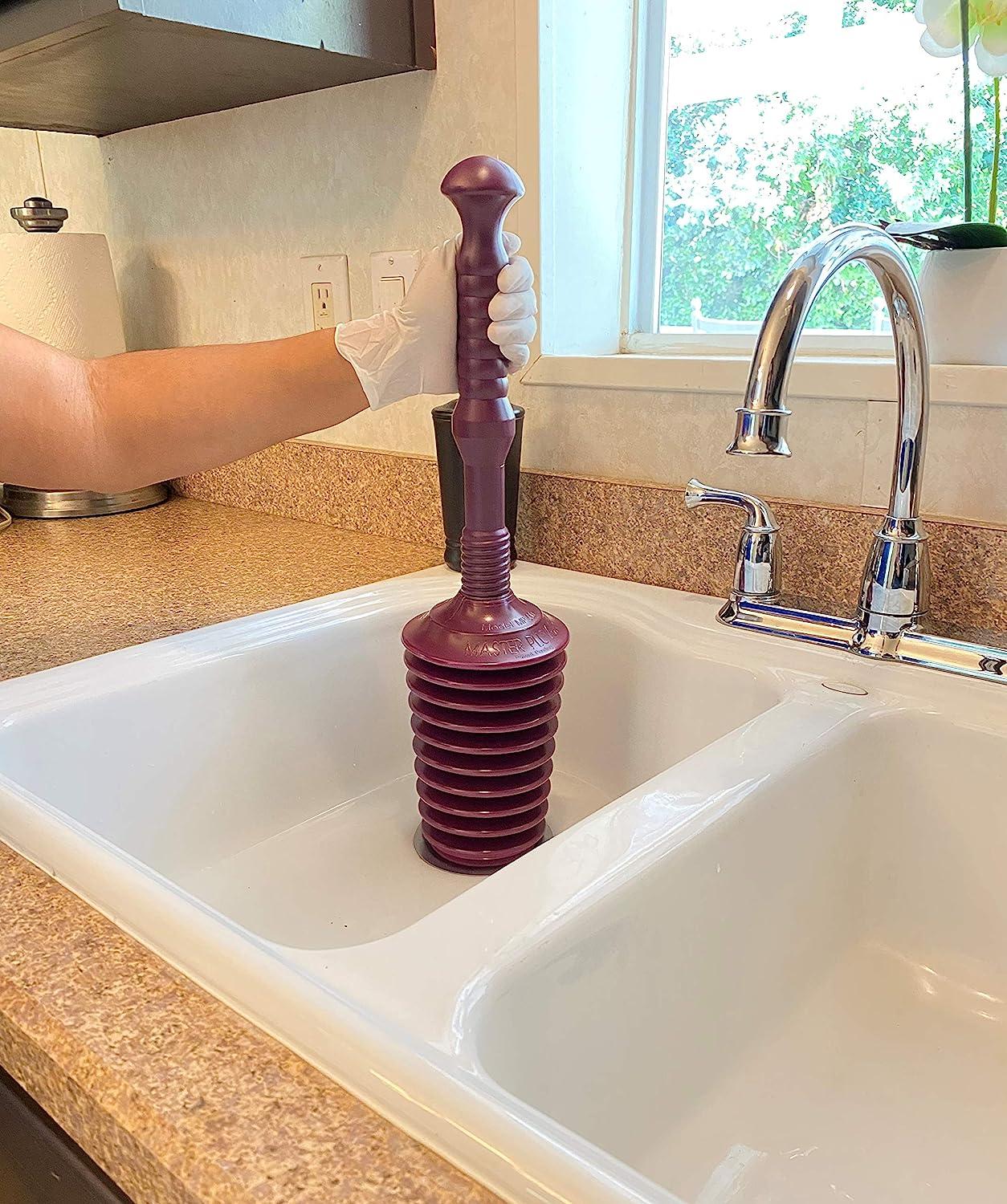
- Sink or Cup Plungers:These have a simple cup shape without a flange, designed for flat surfaces like sinks and tubs.
If you’ve ever grabbed a toilet plunger for your kitchen sink, you might have noticed it doesn’t always seal properly. This difference in design is key to how well a plunger works on various drains.
How Toilet Plungers Work
A toilet plunger creates pressure and suction to dislodge clogs. When you push down, it forces air or water into the drain, breaking up the blockage.
When you pull up, it creates suction that helps pull the clog up and out. The flange on the toilet plunger helps form a tight seal in the toilet’s curved drain, maximizing this effect.
However, kitchen sinks often have flat drains or stoppers that don’t match the flange shape, which can reduce the plunger’s effectiveness. Have you noticed how sometimes plunging feels like it’s just pushing water around without clearing the clog?
Credit: dianatheviolinist.com
Kitchen Sink Drain Issues
Kitchen sink drain issues are common in many homes. These problems disrupt daily tasks like washing dishes or preparing food. A blocked drain slows water flow and may cause bad odors. Understanding the causes and signs of clogs helps fix issues faster.
Common Causes Of Clogs
- Food scraps stuck in the drainpipe
- Grease and oil buildup inside pipes
- Soap residue combining with dirt
- Hair and small debris accumulation
- Broken or damaged pipes causing blockages
Signs Your Sink Is Blocked
- Water drains slowly or pools in the basin
- Gurgling sounds when water is running
- Unpleasant smells coming from the drain
- Water backing up into the sink or dishwasher
- Frequent need to use a plunger or drain cleaner
Using A Toilet Plunger On Kitchen Sink
A toilet plunger can work on a kitchen sink, but a cup plunger fits better. Make sure to cover the drain completely for good pressure. Using the right plunger helps clear clogs faster and avoids damage.
Using a plunger to clear a clogged kitchen sink might seem odd. But, it can be effective in some cases. Before plunging into this task, consider the safety and steps involved.
Is It Safe?
Using a toilet plunger on a kitchen sink is generally safe. Ensure the plunger is clean. A dirty plunger might contaminate the sink. Also, a plunger can help remove minor clogs. It uses air pressure to dislodge debris. Yet, it may not work for severe blockages.
Step-by-step Guide
Follow these steps to use a plunger on your kitchen sink:
- Fill the sink with some water. It helps create a seal.
- Place the plunger over the drain. Ensure a snug fit.
- Push down firmly, then pull up sharply. Repeat several times.
- Check if the water drains. If not, repeat the process.
- Rinse the sink with clean water once the clog clears.
Potential Risks
Using a plunger can pose some risks. It may not clear all clogs. Persistent clogs might need professional help. A plunger can also push clogs deeper. This can make them harder to remove. Ensure the plunger is suitable for sink use. A large plunger might not fit well. This can reduce effectiveness.
Alternative Tools For Sink Clogs
Dealing with a clogged kitchen sink can be frustrating, especially when you’re unsure which tools will work best. While a toilet plunger might seem like a quick fix, it’s often not the ideal choice for kitchen sinks. Luckily, there are several alternative tools designed specifically to tackle sink clogs effectively and safely.
Cup Plunger Vs. Flange Plunger
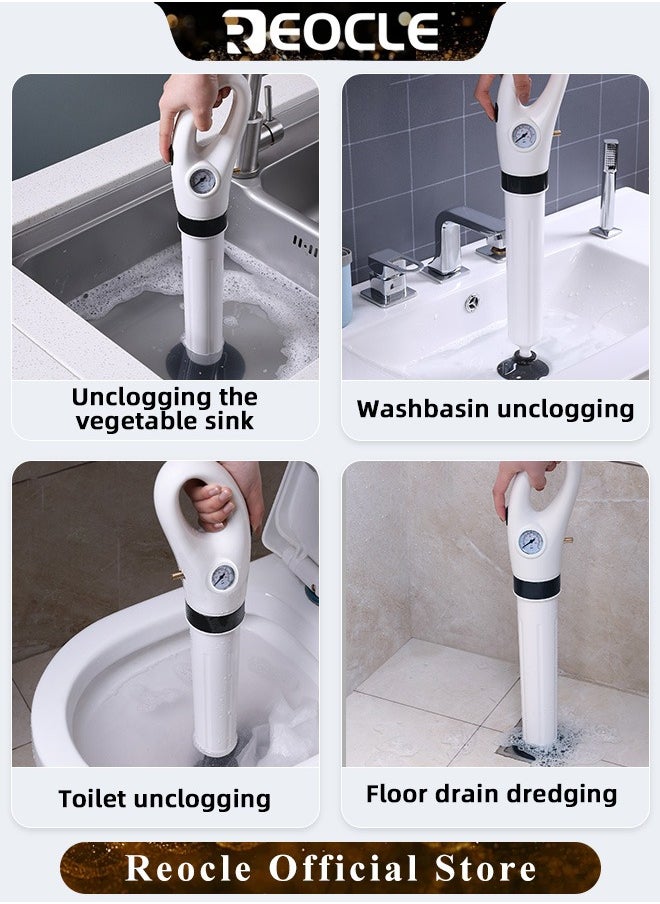
Choosing between a cup plunger and a flange plunger depends on the type of drain you’re working with. A cup plunger has a simple rubber cup shape and works well on flat surfaces like kitchen sinks. It creates a strong suction that can dislodge clogs caused by food particles or grease buildup.
On the other hand, a flange plunger features an extra rubber flap that extends from the cup. This design fits better into curved toilet drains, making it less effective on kitchen sinks. If you try to use a flange plunger on your sink, it might not form a tight seal, reducing the plunging power.
Have you ever grabbed the wrong plunger and noticed it didn’t work as expected? That’s because matching the tool to your specific drain shape matters a lot. For kitchen sinks, the cup plunger is usually the better pick.
Drain Snakes And Chemicals
If plunging doesn’t clear the clog, a drain snake can be a powerful next step. This flexible, coiled tool reaches deep into pipes to physically break up or pull out stubborn blockages. It’s especially handy when dealing with hair, food scraps, or grease that won’t budge with simple plunging.
Using chemical drain cleaners is another option, but it requires caution. These products can dissolve clogs quickly, yet they contain harsh ingredients that might damage your pipes or harm the environment. Before you pour in chemicals, consider the age and material of your plumbing.
Have you ever wondered if that quick-fix liquid cleaner might cause more harm than good? Sometimes, mechanical methods like a drain snake offer a safer, longer-lasting solution without the risks chemicals carry.
Maintenance Tips To Prevent Clogs
Preventing clogs in your kitchen sink saves time and avoids plumbing issues. Simple maintenance habits keep the drain clear and flowing smoothly. Following easy daily steps helps stop buildup before it starts. Regular cleaning supports these habits to keep pipes healthy and free of blockages.
Daily Habits
- Dispose of food scraps in the trash, not the sink.
- Run hot water for a few seconds after using the sink.
- Use a drain strainer to catch hair and debris.
- Avoid pouring grease or oil down the drain.
- Flush the drain with boiling water once a week.
Regular Cleaning Methods
Cleaning the drain regularly stops buildup inside the pipes. Use natural solutions like baking soda and vinegar for safe cleaning.
- Pour half a cup of baking soda down the drain.
- Follow with half a cup of vinegar and let it fizz.
- Wait 15 minutes, then flush with hot water.
- Clean the drain stopper and sink area weekly.
- Inspect under the sink for leaks or slow drainage.
Credit: www.gosupps.com
When To Call A Professional
Knowing when to call a professional plumber is important. Some kitchen sink clogs are simple and can be fixed with a plunger. Others need expert skills and tools. Calling a plumber early can save time and prevent damage. It avoids making the problem worse or causing leaks. Understanding the signs helps you decide if it is time for expert help.
Signs You Need Expert Help
- Water drains very slowly or not at all after plunging.
- Repeated clogs happen despite using a plunger.
- Unusual noises come from the pipes when draining water.
- Foul odors persist around the kitchen sink area.
- Water backs up into other drains or sinks.
- Visible leaks or water damage under the sink.
These signs often show a deeper clog or pipe damage. Professionals have the right tools to inspect and fix these issues safely.
Choosing The Right Plumber
- Look for licensed and insured plumbers only.
- Check reviews and ratings from past customers.
- Ask about experience with kitchen sink plumbing.
- Request a clear estimate before work begins.
- Choose plumbers who offer guarantees on their work.
Choosing the right plumber ensures a quick and lasting repair. It avoids repeated problems and extra costs. Trust matters most when letting someone work on your home plumbing.
Frequently Asked Questions
Can A Toilet Plunger Unclog A Kitchen Sink?
Yes, a toilet plunger can unclog a kitchen sink. Use a cup plunger for best results. Ensure a tight seal around the drain to create strong suction and dislodge blockages effectively.
Is It Safe To Use A Toilet Plunger On Kitchen Sinks?
Using a toilet plunger on a kitchen sink is safe if done carefully. Avoid excessive force to prevent pipe damage. Clean the plunger thoroughly before and after use to maintain hygiene.
How Do I Use A Toilet Plunger On A Kitchen Sink?
Fill the sink with enough water to cover the plunger cup. Place the plunger over the drain, creating a seal. Push and pull vigorously several times to clear the clog. Repeat if necessary.
What Type Of Plunger Works Best For Kitchen Sinks?
A cup plunger works best for kitchen sinks. Unlike flange plungers, it fits flat drains and creates better suction. Avoid using toilet plungers with flanges as they may not seal properly.
Conclusion
Using a toilet plunger on a kitchen sink can work in some cases. It helps push clogs through the drain quickly. Make sure to cover the overflow hole before plunging. Avoid using too much force to prevent damage. For tough clogs, a plumber’s snake might be better.
Regular cleaning keeps drains flowing smoothly. Remember, simple tools often solve small problems fast. Try this method first before calling a professional. It saves time and money. Keep your kitchen sink clear and working well.