
Your kitchen sponge is one of the dirtiest items in your home. It’s full of germs and bacteria that can make your dishes and countertops less clean than you think.
But don’t worry—you can quickly and easily sanitize your sponge using something you already have: your microwave. You’ll learn simple steps to kill harmful bacteria and keep your kitchen safer. Ready to make your sponge cleaner and your kitchen healthier?
Let’s dive in!
Why Sanitize Kitchen Sponges
Keeping your kitchen sponge clean is more important than you might think. You use it daily to wipe surfaces, wash dishes, and clean spills, but it can quickly become a hotspot for germs. Understanding why you should sanitize your sponge helps you protect your health and maintain a hygienic kitchen environment.
Bacteria Growth Risks
Kitchen sponges stay moist and often trap food particles, making them a perfect breeding ground for bacteria. Some studies have shown that sponges can harbor millions of bacteria, including harmful ones like E. coli and salmonella. Have you ever noticed a bad smell coming from your sponge? That’s a clear sign bacteria are multiplying.
If you don’t sanitize your sponge regularly, these bacteria spread to your dishes, countertops, and even your hands. This creates a cycle of contamination that can be hard to break. You might think rinsing your sponge with water is enough, but it’s usually not.
Health Implications
Bacteria from dirty sponges can lead to foodborne illnesses and infections. Symptoms may include stomach cramps, nausea, and diarrhea, which are easily avoidable by keeping your sponge clean. Imagine serving a meal to your family using a sponge loaded with germs—how safe do you feel?
Sanitizing your sponge lowers these risks significantly. It helps stop the spread of harmful bacteria and protects your immune system. Taking a few minutes to sanitize your sponge in the microwave could save you from a week of feeling unwell.
Preparing The Sponge
Preparing your kitchen sponge correctly is key before sanitizing it in the microwave. This step helps remove loose debris and ensures even cleaning. It also reduces the risk of fire or damage during microwaving.
Follow simple actions to get your sponge ready for safe and effective sanitizing.
Rinsing And Wetting
Start by rinsing the sponge under warm water. This clears out food particles and dirt. Squeeze the sponge several times to remove trapped debris.
Make sure the sponge is fully wet before microwaving. A dry sponge can catch fire in the microwave. Wetting keeps the sponge moist and helps kill germs.
Safety Precautions
- Never microwave a dry sponge to avoid sparks or fire.
- Use a microwave-safe plate or bowl to hold the sponge.
- Keep the microwave door closed while heating.
- Handle the sponge carefully after microwaving; it will be hot.
- Check the sponge for metal or plastic parts; remove them first.
Microwave Sanitizing Steps
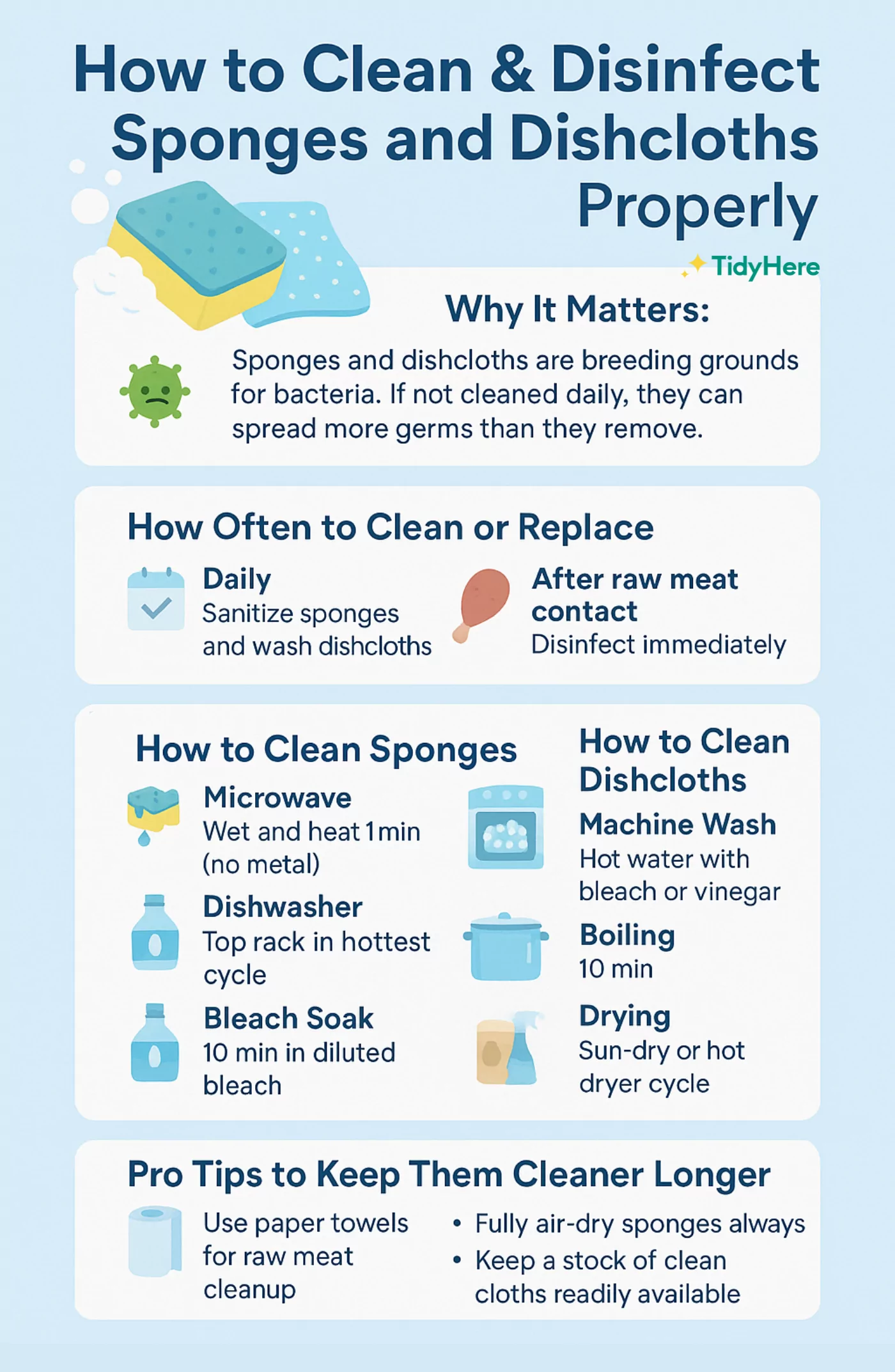
Dampen the kitchen sponge with water before placing it in the microwave. Heat it on high for about two minutes to kill germs and bacteria. Let the sponge cool before use to avoid burns.
Sanitizing your kitchen sponge in the microwave can be an easy and effective method to keep germs at bay. With a few simple steps, you can ensure your sponge is clean and ready for use. This process not only saves time but also prolongs the life of your sponge. Ready to learn the microwave sanitizing steps? Let's dive in!
Setting Microwave Time
Timing is everything when it comes to sanitizing a kitchen sponge in the microwave. Set your microwave to run for one to two minutes. This duration is generally sufficient to kill most bacteria and germs. Overheating can cause the sponge to catch fire, so stay attentive. You might want to experiment with your specific microwave, as wattage can vary. Start with one minute and adjust accordingly.
Using A Microwave-safe Container
Safety should always be your top priority. Place the sponge in a microwave-safe container filled with water. The water helps prevent the sponge from catching fire and ensures even heat distribution. Avoid plastic containers that aren't microwave-safe. Instead, opt for glass or ceramic. This small step can make a big difference in ensuring your cleaning routine is hazard-free. These steps are a quick and efficient way to maintain hygiene in your kitchen. Have you tried this method before? If not, give it a shot and see how simple it is to keep your kitchen essentials clean!

Credit: tidyhere.com
Alternative Methods
Sanitizing your kitchen sponge doesn’t have to rely solely on the microwave. There are other effective ways to clean and disinfect sponges that you might find more convenient or better suited to your kitchen setup. Trying different methods can help you figure out which one works best for you and keeps your sponge fresh and bacteria-free.
Dishwasher Cleaning
Placing your sponge in the dishwasher is a simple and hands-off way to sanitize it. Just toss the sponge on the top rack and run a regular cycle with your usual detergent.
The heat and detergent work together to kill germs and remove food particles. If you want extra sanitation, use the dishwasher’s heated dry option to ensure the sponge dries completely, reducing bacteria growth.
Boiling Water Technique
Boiling your sponge in water is a straightforward method you can do on the stove. Submerge the sponge in a pot of boiling water for about 5 minutes to kill most bacteria and germs.
This technique is easy and doesn’t require any special equipment. Just be careful when handling the hot sponge afterward—use tongs or wait for it to cool before picking it up.
Frequency Of Sanitizing
Keeping your kitchen sponge sanitized is essential to prevent bacteria buildup and maintain a healthy cooking environment. How often you sanitize it can make a big difference in its effectiveness and your kitchen’s hygiene. Let’s look at how frequently you should sanitize your sponge and some tips to keep it fresh every day.
Daily Maintenance Tips
Sanitize your sponge in the microwave at least once a day. A quick 1-2 minute zap on high power will kill most germs and bacteria lurking inside.
Before microwaving, make sure the sponge is wet—dry sponges can catch fire. I usually dampen mine under the tap for a few seconds before heating.
After microwaving, let the sponge cool down before using it again. This daily habit keeps the sponge safer and extends its life.
When To Replace Sponges
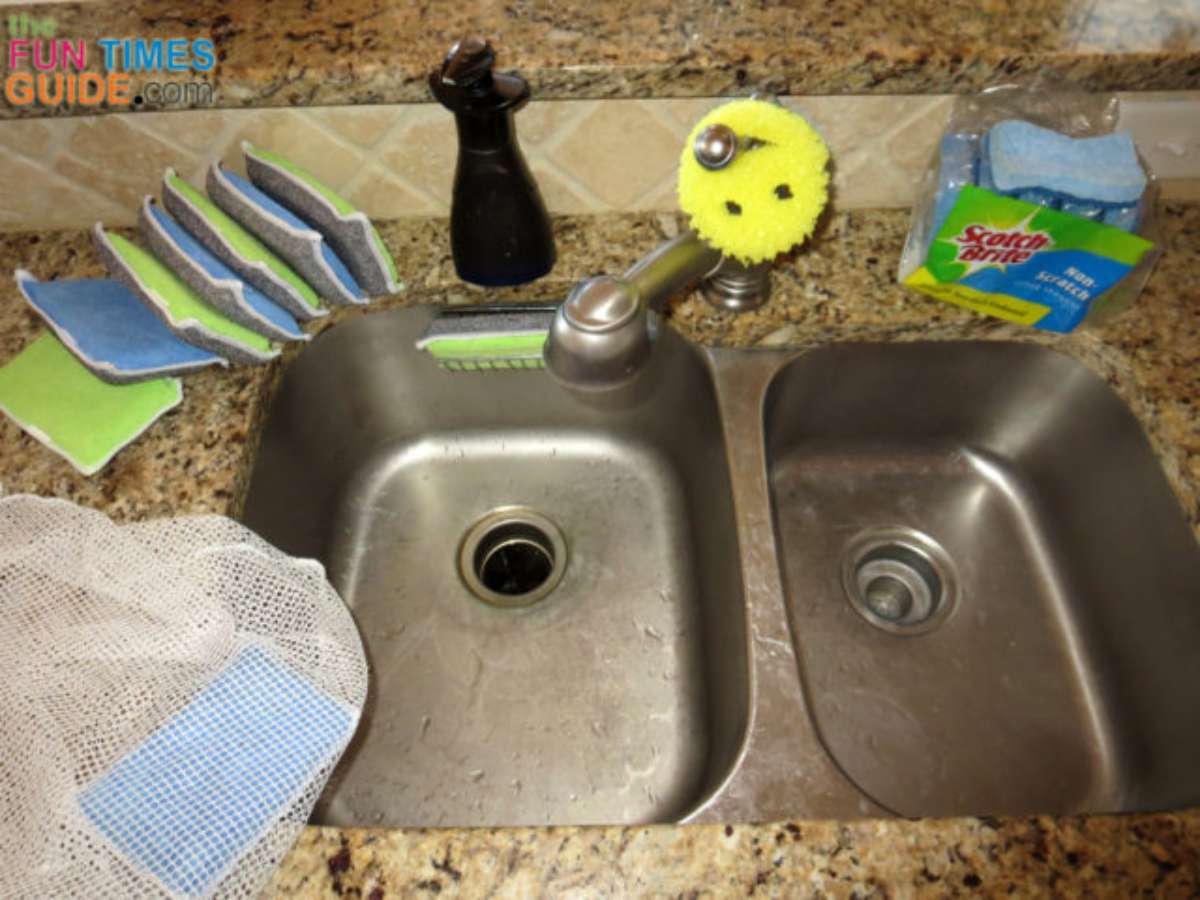
Even with regular sanitizing, sponges don’t last forever. Replace yours every 1-2 weeks, or sooner if it starts to smell or fall apart.
Think about this: if your sponge feels slimy or looks torn, sanitizing won’t fix the underlying issue. Toss it out and grab a fresh one to avoid spreading germs.
Keeping track of when you replaced your sponge can help. I mark the date on a small sticker on the sponge holder to remind myself.
Credit: household-tips.thefuntimesguide.com
Common Mistakes To Avoid
Sanitizing a kitchen sponge in the microwave can kill germs quickly. Avoid common mistakes to keep the process safe and effective. Some errors can cause damage or even fire hazards. Learning what to avoid helps you sanitize properly every time.
Dry Sponge Hazard
Never microwave a dry sponge. A dry sponge can catch fire easily. Always soak the sponge in water before microwaving. Water helps absorb microwave energy and prevents sparks. Microwaving a dry sponge can ruin your microwave and start a fire.
Overheating Risks
Do not microwave the sponge too long. Overheating can melt the sponge or cause it to burn. Set the microwave timer for 1 to 2 minutes only. Check the sponge carefully after heating. Let it cool before touching. Overheated sponges may release harmful fumes or cause burns.

Credit: household-tips.thefuntimesguide.com
Frequently Asked Questions
How Long Should I Microwave A Kitchen Sponge?
Microwave the sponge for 1 to 2 minutes on high. Ensure the sponge is wet to avoid fire hazards. This duration kills most bacteria and germs effectively.
Can Microwaving Damage My Kitchen Sponge?
Yes, microwaving a dry sponge can cause damage or fire. Always wet the sponge thoroughly before microwaving to prevent burning or melting.
How Often Should I Sanitize Kitchen Sponges?
Sanitize kitchen sponges at least once a week. Frequent sanitizing helps reduce bacteria buildup and keeps your kitchen hygienic and safe.
Is Microwaving The Best Method To Clean Sponges?
Microwaving is quick and effective for disinfecting sponges. However, regular replacement and proper drying are also important for sponge hygiene.
Conclusion
Sanitizing your kitchen sponge in the microwave keeps it clean and safe. It kills most germs and bacteria quickly. Remember to wet the sponge before microwaving to avoid fire risks. Do this regularly to stop bad smells and germs. A clean sponge helps keep your kitchen healthy.
Small steps like this make a big difference. Try this easy method and see the results yourself. Your kitchen will feel fresher every day.