
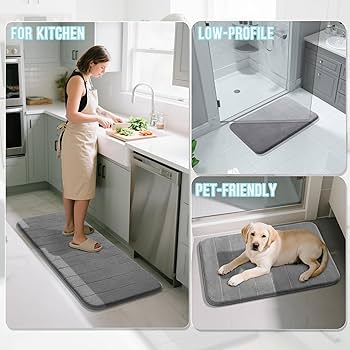
Have you ever wondered if a bath mat could work in your kitchen? It might sound unusual, but using a bath mat in the kitchen could solve some common problems you face every day.
Imagine stepping onto a soft, cushioned surface while cooking or washing dishes, reducing fatigue and slipping risks. But is it really a good idea? You’ll discover the surprising benefits and important things to consider before bringing a bath mat into your kitchen space.
Keep reading to find out if this simple switch could make your kitchen safer and more comfortable.
Bath Mats Beyond Bathrooms
Bath mats are not just for bathrooms. Their soft texture and water-absorbing qualities make them useful in other areas too. Many people use bath mats in places where comfort and safety are important. The kitchen is one such spot where bath mats can serve a practical purpose.
Common Uses For Bath Mats
Bath mats mainly provide a non-slip surface in bathrooms. They keep your feet warm and dry after a shower. People also place them near sinks to catch drips and spills. Some use bath mats in laundry rooms or entryways. These mats help reduce slipping on wet floors. Their cushioned feel also makes standing easier for long periods.
Why Consider Them For Kitchens
Kitchens often have hard floors that can be cold and slippery. Bath mats add warmth and softness underfoot. They absorb water spills from the sink or cooking area. This helps keep the floor dry and safe. Bath mats provide comfort while standing for cooking or washing dishes. They are easy to clean and move if needed. Using bath mats in kitchens can reduce fatigue and prevent accidents.

Credit: www.walmart.com
Safety Benefits In The Kitchen
Adding a bath mat to your kitchen might seem unusual, but it offers real safety benefits worth considering. Kitchens can get slippery and tiring, especially if you spend a lot of time cooking. A well-chosen mat can help reduce risks and make your kitchen experience more comfortable and secure.
Slip Resistance
Wet floors in the kitchen increase the chance of slipping. Bath mats often come with non-slip backings designed to grip the floor firmly.
This grip helps prevent sudden slips when you spill water or oils while cooking. Imagine you're rushing to grab a hot pan—having a slip-resistant surface under your feet can keep you steady and safe.
Make sure the mat you choose is specifically made for wet areas and has a durable, non-skid bottom. Would you rather risk a fall or invest in a simple mat that keeps you grounded?
Cushioning For Standing
Standing for long periods while preparing meals can cause foot, leg, and back discomfort. Bath mats provide soft cushioning that reduces pressure on your joints.
This extra comfort can make cooking less tiring and help you stay focused on your tasks. I noticed a huge difference after placing a cushioned mat near my stove—it made standing feel less like a chore.
Look for mats with thick padding to give your feet real relief. How much easier would your kitchen tasks be if your feet didn’t ache by the end of the day?
Comfort And Convenience
Using a bath mat in the kitchen can bring unexpected comfort and convenience. While traditionally used in bathrooms, bath mats offer several benefits when placed in the kitchen. They can transform hard floors into soft, welcoming surfaces. Let’s explore how they enhance comfort and convenience.
Reducing Fatigue
Standing on hard floors for long periods can tire your feet. A bath mat provides a cushioned surface, reducing fatigue. This added softness supports your feet and eases pressure on your legs. It makes cooking or cleaning more pleasant. You’ll feel less strain as you move around the kitchen.
Warmth And Softness
Kitchen floors can be cold, especially in winter. A bath mat adds warmth underfoot, keeping you cozy. Its soft texture feels pleasant to walk on. This comfort can make daily kitchen tasks more enjoyable. The warmth and softness create a welcoming atmosphere.
Style And Decor Options
Choosing the right bath mat for your kitchen can enhance its look and feel. Bath mats come in many styles and textures that work well on kitchen floors. They bring comfort and a splash of personality to your cooking space. Let’s explore how to pick mats that suit your kitchen’s style and decor.
Design Choices For Kitchens
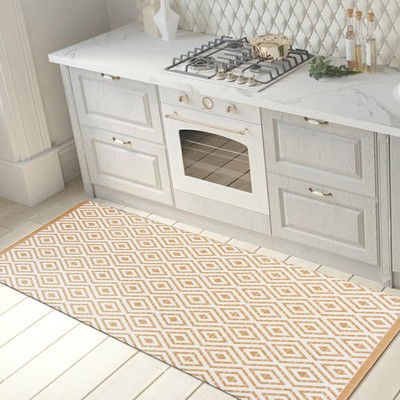
Bath mats offer a variety of designs to fit kitchen aesthetics. You can find simple solid colors for a clean look. Patterns like stripes or geometric shapes add interest without overwhelming the room. Textured mats provide grip and comfort underfoot. Materials range from cotton to microfiber and even bamboo blends. Choose a design that balances style with practicality.
- Neutral tones for a subtle, elegant touch
- Bright colors to energize the space
- Patterns that echo kitchen accessories
- Soft textures for a cozy feel
- Durable materials for high-traffic areas
Matching Kitchen Themes
Coordinate bath mats with your kitchen's overall theme for a unified look. Rustic kitchens pair well with natural fiber mats in earthy shades. Modern kitchens benefit from sleek, minimal mats in black, white, or gray. Coastal themes call for mats in blues and sandy colors, evoking a beach vibe. Traditional kitchens suit classic patterns like checks or florals. Matching colors and textures create harmony and style.
| Kitchen Theme | Recommended Bath Mat Style | Color Suggestions |
|---|---|---|
| Rustic | Natural fibers, woven textures | Brown, beige, olive green |
| Modern | Smooth, minimalist designs | Black, white, gray |
| Coastal | Soft, beach-inspired patterns | Blue, aqua, sandy tones |
| Traditional | Classic patterns, floral or checks | Red, navy, cream |
Maintenance And Cleanliness
Keeping your kitchen bath mat clean and well-maintained is key to ensuring it remains safe and hygienic. Since kitchens are prone to spills, crumbs, and moisture, your mat can quickly become a hotspot for bacteria and stains. Paying attention to maintenance not only extends the life of the mat but also protects your family from potential allergens and slips.
Cleaning Tips For Kitchen Use
Regular cleaning is essential when using a bath mat in the kitchen. You can start by shaking out the mat daily to remove loose dirt and crumbs that accumulate during cooking.
Machine washing works well for most fabric mats. Use a gentle cycle with mild detergent and avoid bleach, which can degrade the material.
If your mat has a rubber backing, wipe it down with a damp cloth and mild soap to prevent mold buildup.
- Spot clean spills immediately to avoid stains.
- Air dry the mat completely before placing it back to prevent moisture damage.
- Consider a disinfectant spray once a week to kill bacteria.
Durability Considerations
Not all bath mats hold up well in kitchen environments. Constant exposure to water, grease, and heavy foot traffic can wear out some mats quickly.
Look for mats made with durable materials like microfiber or rubber-backed cotton, which resist stains and moisture better than standard cotton mats.
Think about how often you cook and the type of messes you usually encounter. Does your mat need to handle splashes from oil or frequent drops of food? Choosing a mat designed for high durability can save you money and hassle in the long run.

Credit: www.amazon.com
Potential Drawbacks
Using a bath mat in the kitchen might seem like a quick fix for comfort or style, but there are some important drawbacks to consider. These issues can affect both the cleanliness of your kitchen and the longevity of the mat. Understanding these pitfalls can help you decide if a bath mat is really the best choice for your kitchen space.
Moisture And Mold Risks
Kitchens are naturally prone to spills, splashes, and humidity. Bath mats are designed for bathroom moisture, but in the kitchen, they may stay damp longer due to frequent water exposure from sinks and cooking.
This constant moisture can lead to mold and mildew growth under and on the mat. Have you ever noticed a musty smell from a kitchen rug? That’s often a sign of hidden mold, which can cause health problems and unpleasant odors.
Regularly drying the mat is essential, but it’s easy to forget in a busy kitchen. If you don’t, you risk creating a breeding ground for bacteria that can contaminate your cooking area.
Suitability Of Different Materials
Not all bath mats are created equal when it comes to kitchen use. Materials like cotton absorb water quickly but take time to dry, increasing moisture issues.
On the other hand, synthetic mats like memory foam or microfiber may resist stains but can trap moisture underneath. This can damage your flooring over time if water seeps through.
Consider mats made specifically for kitchens, such as those with waterproof backing or quick-dry fabrics. These options handle spills better and protect your floor more effectively.
Have you checked what your bath mat is made of? Knowing the material can help you predict how it will perform in a kitchen environment and avoid costly damage or hygiene problems.
Alternative Mats For Kitchens
Choosing the right mat for your kitchen can make a big difference in comfort and safety. While bath mats might seem like a quick fix, there are better options designed specifically for kitchen use. Let’s look at some alternative mats that fit the kitchen environment better.
Comparing Bath Mats To Kitchen Mats
Bath mats are made to absorb water and provide softness after a shower. They usually have a fabric top and a rubberized backing to stop slipping. But kitchens often have spills, hot drops, and need mats that can handle heavy foot traffic and stains.
Kitchen mats are usually made from materials like rubber, vinyl, or foam. These materials are easier to clean and more resistant to spills and stains. You might notice that bath mats can get soggy or hold odors if used in a kitchen.
Have you ever tried to clean a bath mat with grease stains? It’s frustrating. Kitchen mats, on the other hand, are designed to handle such messes without absorbing them.
Best Mats For Kitchen Safety
Safety is a top priority in the kitchen. You want a mat that prevents slips and cushions your feet during long cooking sessions. Here are some popular options:
- Anti-fatigue mats:These mats reduce pressure on your legs and feet. They’re great if you spend a lot of time standing.
- Non-slip rubber mats:They grip the floor firmly and help prevent accidents from wet or greasy surfaces.
- Water-resistant vinyl mats:Easy to clean and wipe down, they resist stains and won’t hold moisture like fabric mats.
Think about the spots in your kitchen where spills happen the most. Would a soft cushion or a firm, grippy surface work better there? Choosing the right mat can keep you safe and comfortable every day.
Credit: www.ebay.com
Frequently Asked Questions
Can A Bath Mat Be Used Safely In The Kitchen?
Yes, a bath mat can be used in the kitchen if it has a non-slip backing. It provides comfort and absorbs spills. However, ensure it’s clean and made of durable, water-resistant material suitable for kitchen use.
What Are The Benefits Of Using A Bath Mat In The Kitchen?
A bath mat adds cushioning for long cooking sessions and prevents slips from wet floors. It also absorbs spills, keeping the kitchen floor dry and safer. Plus, it can add a decorative touch to your kitchen space.
Should Kitchen Mats Be Different From Bath Mats?
Yes, kitchen mats are usually designed to resist stains, heat, and heavy foot traffic. Bath mats focus on water absorption and softness. While bath mats can work, kitchen mats offer better durability and hygiene for kitchen-specific needs.
How Do You Clean A Bath Mat Used In The Kitchen?
Clean the bath mat regularly by washing it with mild detergent. Air dry thoroughly to prevent mold. For fabric mats, check the care label; rubber-backed mats can be wiped down with disinfectant.
Conclusion
Using a bath mat in the kitchen can work well with some care. Choose mats that dry quickly and resist stains. Make sure the mat stays in place to avoid slips. Bath mats add comfort and catch spills in busy kitchens.
Clean the mat often to keep it fresh and safe. Small changes like this can make your kitchen cozier and cleaner. Try it out and see how it fits your space. Simple and practical solutions often bring the best results.