
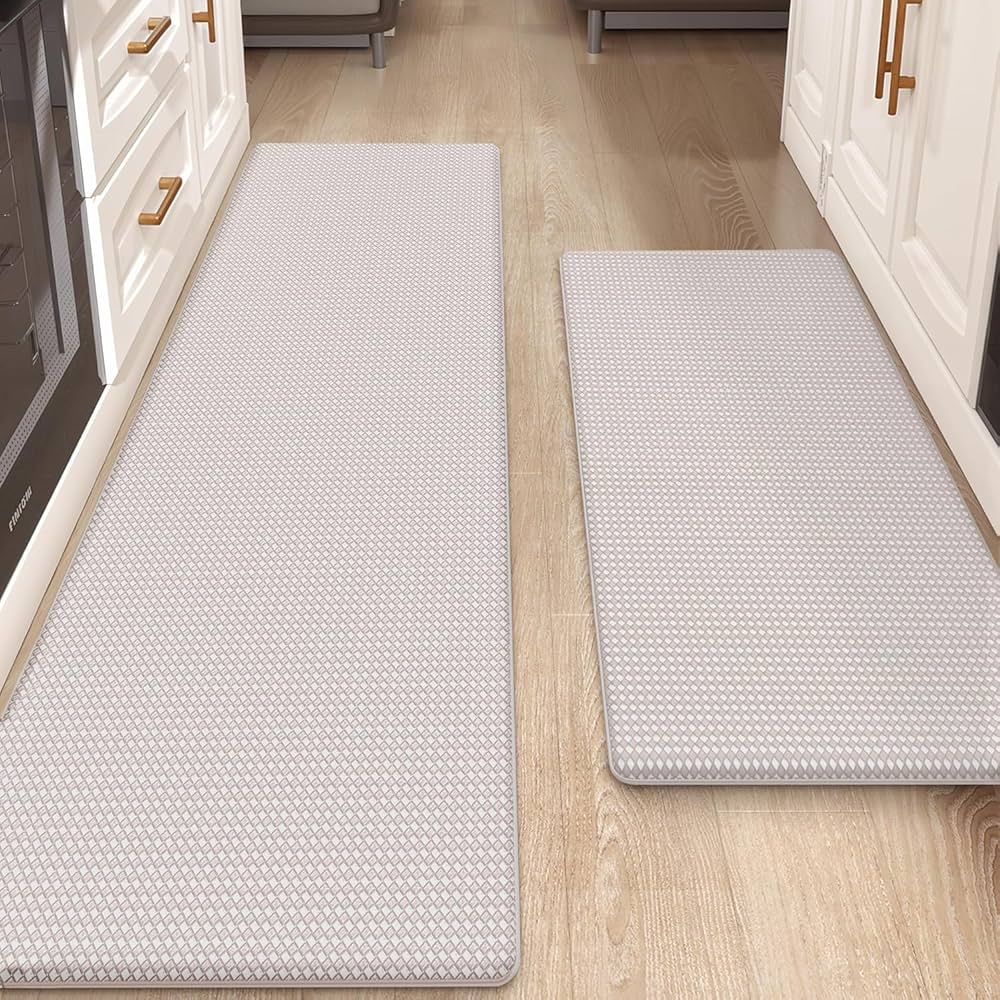
Are you wondering if you can wash your foam kitchen mats without ruining them? Keeping your kitchen clean is important, and so is maintaining the mats that protect your floors and provide comfort while you cook.
But foam mats can feel tricky to clean, leaving you unsure about the best way to wash them. You’ll discover simple, safe methods to clean your foam kitchen mats, so they stay fresh and last longer. Let’s dive in and solve this common kitchen dilemma together!

Credit: www.amazon.ca
Types Of Foam Kitchen Mats
Foam kitchen mats come in various types, each designed to suit different needs and preferences in your cooking space. Understanding the types helps you choose the best mat that balances comfort, safety, and ease of cleaning. Let’s look closer at the materials these mats are made from and what affects their durability.
Common Materials
Most foam kitchen mats are made from materials like EVA foam, polyurethane, or memory foam. EVA foam is lightweight and water-resistant, making it easy to clean and ideal for wet kitchen environments. Polyurethane offers more cushioning and is often used for anti-fatigue mats that help reduce foot strain during long cooking sessions.
Memory foam mats conform to your feet, providing excellent comfort but may require more careful cleaning to maintain their shape. Some mats feature a vinyl or rubber backing to prevent slipping, which is crucial for safety on tiled or hardwood floors. Are you paying attention to the material’s texture? It can affect both comfort and how easily the mat picks up dirt.
Durability Factors
Durability depends on the foam density, thickness, and the quality of the outer layer. Thicker mats with high-density foam generally last longer, especially in busy kitchens where you stand for hours. However, softer foams might wear out faster under heavy use, leading to compression and loss of support.
The outer layer’s resistance to stains, water, and abrasions also impacts how well your mat holds up over time. A mat that’s easy to wipe clean and resists stains will stay looking new longer. Have you noticed how some mats start to crumble or peel after a few months? That’s often a sign of poor material quality or improper care.

Credit: www.amazon.ca
Why Clean Foam Mats Regularly
Keeping your foam kitchen mats clean is more important than you might think. Regular cleaning not only keeps your kitchen looking fresh but also protects your health and extends the life of your mats. Have you ever noticed how quickly dirt and grime can build up in places you walk on every day?
Hygiene Benefits
Foam kitchen mats often come into contact with food particles, spills, and moisture. This creates a perfect environment for bacteria and mold to grow. By cleaning your mats regularly, you reduce the risk of harmful germs spreading in your kitchen.
Think about how often you touch the floor with your hands or feet while cooking. Would you want those surfaces to be dirty? Keeping your mats clean helps maintain a safer and healthier cooking space for you and your family.
Maintaining Appearance
Over time, foam mats can look dull and stained if not cleaned properly. Dirt and oils from your shoes or dropped food can leave permanent marks. Regular washing keeps your mats looking vibrant and new.
Have you ever noticed how a clean mat instantly brightens up your kitchen? Maintaining their appearance encourages you to take better care of your kitchen overall. Plus, a clean mat feels more comfortable under your feet when you spend long hours cooking.
Safe Washing Methods
Foam kitchen mats can be cleaned safely by hand washing with mild soap and water. Avoid harsh chemicals and machine washing to prevent damage. Air drying keeps the foam soft and long-lasting.
Keeping your foam kitchen mats clean is essential for maintaining a hygienic cooking environment. But how do you wash these mats without ruining them? Safe washing methods are crucial to ensure your mats remain intact and effective. Whether you prefer hand washing or using a machine, knowing the right techniques can make all the difference. Here’s how you can safely wash your foam kitchen mats.
Hand Washing Techniques
Hand washing is a gentle method that can preserve the life of your foam mats. Begin by filling a basin with warm water and adding a few drops of mild dish soap. Gently submerge the mat, using a soft cloth or sponge to scrub away any stains or debris. Rinse thoroughly with clean water to remove soap residue. Lay the mat flat on a towel to air dry, ensuring it’s completely dry before placing it back in your kitchen. Have you ever noticed how hand washing allows you to spot clean stubborn areas more effectively? This technique not only helps in maintaining the mat’s quality but also ensures that you’re not exposing it to harsh conditions that could damage it.
Machine Washing Tips
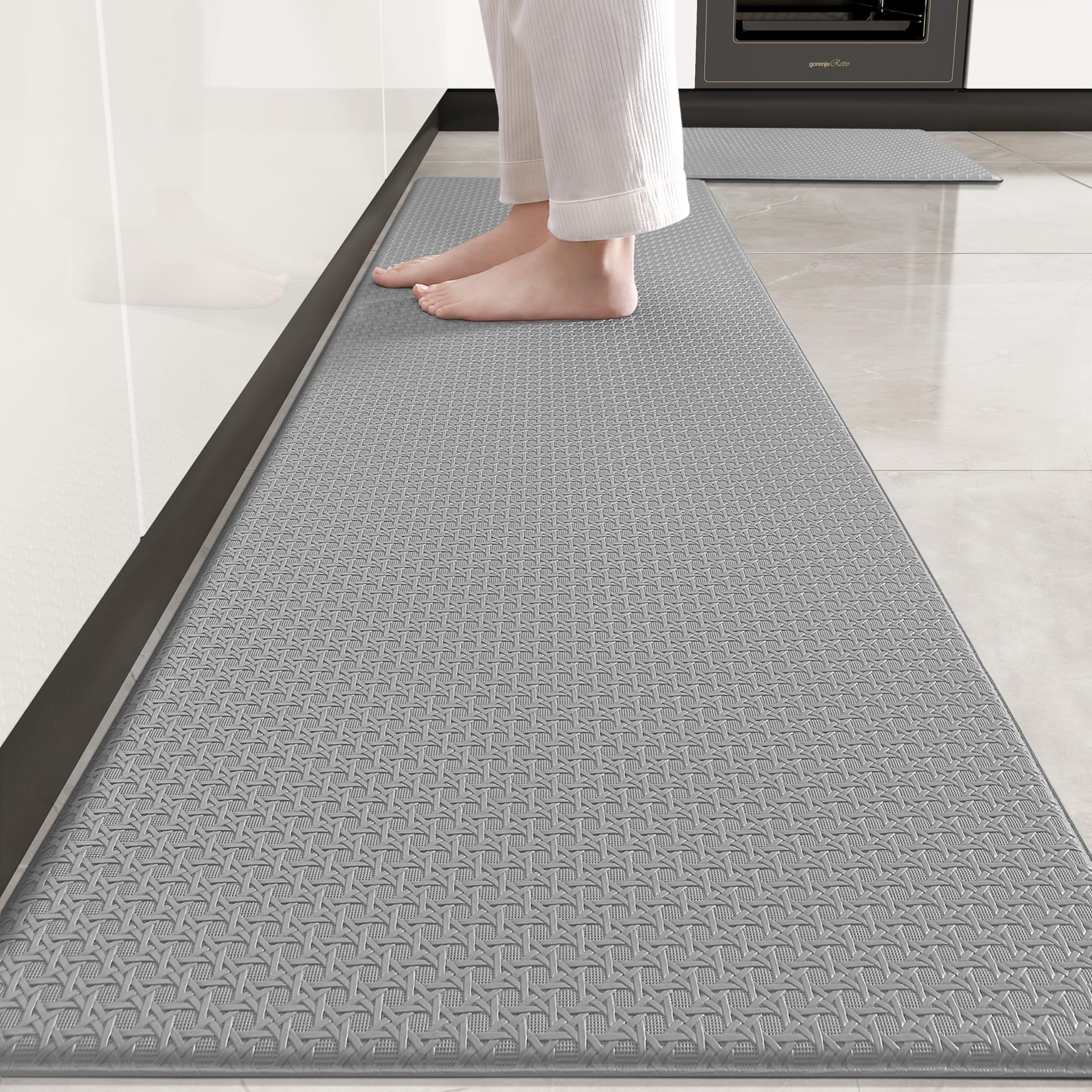
If you’re short on time, machine washing can be an efficient option. However, it’s important to use the right settings. Place the mat in a mesh laundry bag to prevent it from getting caught or damaged inside the machine. Use a gentle cycle with cold water and add a small amount of mild detergent. Avoid using bleach or fabric softeners as they can break down the foam material. Once the cycle is complete, remove the mat promptly to avoid wrinkles or warping. Hang it or lay it flat to dry thoroughly. Ever wondered why some mats lose their shape after washing? Machine washing improperly could be the culprit, but following these tips can help maintain their original form and functionality. By addressing these methods, you can ensure your foam kitchen mats remain clean and durable, ready to support you during your culinary adventures.
Credit: infrakraft.com
Stain Removal Tricks
Stains on foam kitchen mats can be stubborn, but with the right tricks, you can keep your mats looking fresh and clean. Removing stains doesn't have to mean harsh chemicals or scrubbing endlessly. Instead, focus on targeted solutions that tackle specific stains effectively while preserving the foam material.
Common Stain Solutions
Different stains need different treatments. For greasy spills, dish soap mixed with warm water breaks down oils without damaging the foam. Coffee or tea stains respond well to a paste made from baking soda and water—apply it, let it sit for 10 minutes, then gently scrub.
Ink or marker stains often require rubbing alcohol applied with a cotton ball. Test it on a small corner first to avoid discoloration. For food stains like tomato sauce, a mixture of white vinegar and water can lift the color without harsh abrasion.
- Grease: Dish soap + warm water
- Coffee/Tea: Baking soda paste
- Ink: Rubbing alcohol (test first)
- Tomato sauce: Vinegar + water
Natural Cleaning Agents
You don’t always need store-bought cleaners to tackle stains. Natural agents like lemon juice, baking soda, and vinegar work wonders on foam mats. Lemon juice’s acidity can brighten stains and leave a fresh scent behind.
Baking soda acts as a gentle abrasive and deodorizer, perfect for scrubbing away tough spots without damaging the foam. Vinegar is excellent at breaking down mineral deposits and food stains, making it a versatile option for various messes.
Have you ever tried using these natural agents on your kitchen mats? You might be surprised how effective and safe they are, especially if you have kids or pets around. Plus, they’re budget-friendly and easy to find in your pantry.
Drying And Maintenance
Proper drying and maintenance keep foam kitchen mats clean and long-lasting. Wet mats can trap moisture, leading to mold and odor. Taking time to dry mats well prevents damage and keeps your kitchen fresh.
Air Drying Tips
After washing, lay your foam mat flat on a clean surface. Choose a shaded area with good airflow to avoid direct sunlight. Sunlight can cause mats to fade or become brittle. Flip the mat occasionally to ensure both sides dry evenly. Avoid folding the mat while drying to keep its shape intact.
Avoiding Damage
Do not use a dryer or heater to dry foam mats. Heat can warp or melt the foam material. Avoid harsh chemicals or abrasive tools when cleaning, as they can weaken the mat. Store the mat flat or rolled loosely to prevent creases. Regular cleaning and careful drying extend the life of your foam kitchen mat.
When To Replace Foam Mats
Foam kitchen mats face constant pressure and spills. Over time, they wear out and lose their comfort. Knowing when to replace them keeps your kitchen safe and cozy. Regular checks help spot damage early. Replacement avoids slips and discomfort during long cooking sessions.
Signs Of Wear
- Visible cracks or tears on the surface
- Foam feels hard or flattened in spots
- Edges curl or peel away from the floor
- Unpleasant odor that doesn't go away after cleaning
- Slipping or sliding despite cleaning
These signs show the mat no longer supports your feet well. A worn mat increases the risk of injuries.
Choosing New Mats
Pick mats with thick foam for better cushioning. Look for non-slip backing to prevent accidents. Easy-to-clean materials save time and effort. Size matters; choose one that fits your kitchen space well. Consider mats with water and stain resistance for durability.
Frequently Asked Questions
Can You Wash Foam Kitchen Mats In A Washing Machine?
Most foam kitchen mats are not machine washable. Hand washing with mild soap and water is safer and preserves the foam’s quality.
How Do You Properly Clean Foam Kitchen Mats?
Use a damp cloth or sponge with mild detergent. Gently scrub and rinse with clean water. Air dry completely before reuse.
Can Foam Mats Be Soaked In Water For Cleaning?
Avoid soaking foam mats fully as water can seep inside. Light cleaning with a damp cloth prevents damage and maintains durability.
Are Foam Kitchen Mats Safe To Use After Washing?
Yes, if cleaned gently and dried well, foam mats remain safe. Avoid harsh chemicals to protect the material and prolong mat life.
Conclusion
Washing foam kitchen mats is easy with the right steps. Use gentle soap and warm water to clean them. Avoid harsh scrubbing or strong chemicals that can damage foam. Let mats dry completely before using again to prevent mold. Regular cleaning keeps mats fresh and safe for your kitchen.
Taking care of your mats helps them last longer. Simple care makes your kitchen cleaner and more comfortable. Keep these tips in mind for easy mat maintenance.