
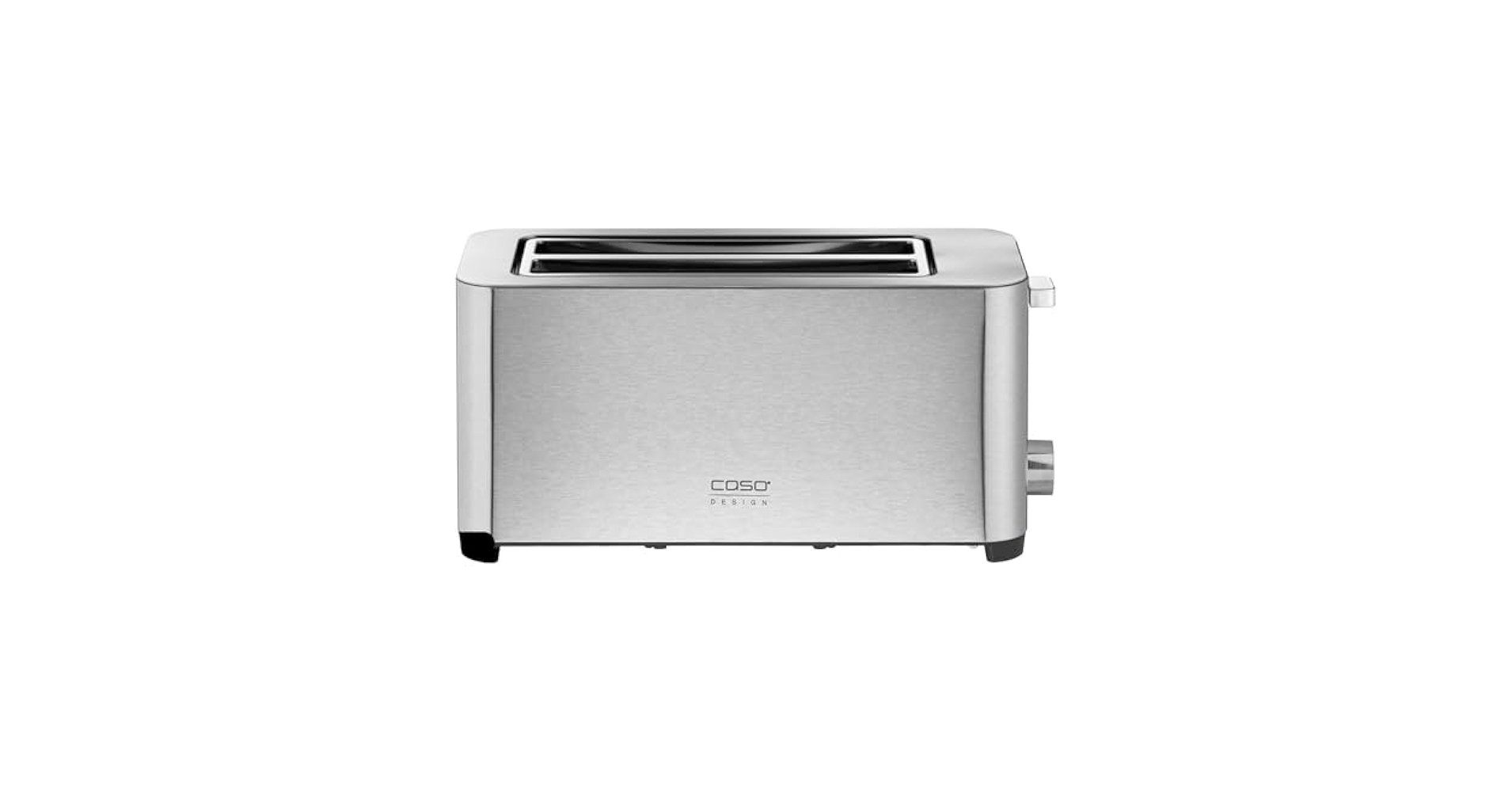
Have you ever thought about how your kitchen toaster works so smoothly every time you use it? It might surprise you to learn that a kitchen toaster is actually a closed loop system.
Understanding this simple idea can change the way you see one of the most common appliances in your home. By the end of this article, you’ll know exactly why your toaster’s design keeps your bread perfectly toasted—and why this concept matters more than you might think.
Ready to uncover the hidden science behind your toaster? Let’s dive in!
Closed Loop Systems In Appliances
Understanding how a kitchen toaster operates as a closed loop system can change how you view everyday appliances. These systems constantly monitor their output and adjust accordingly to maintain a specific result. This approach not only improves efficiency but also ensures consistent performance.
Basics Of Closed Loop Systems
A closed loop system uses feedback to control its operation. In a kitchen toaster, sensors detect the bread's temperature or browning level. This information loops back to the toaster's control mechanism, which adjusts the heating elements to achieve the desired toastiness.
This feedback loop helps prevent burning or under-toasting by making real-time adjustments. You don't have to guess when your toast is ready; the toaster manages it automatically. Such control makes these appliances user-friendly and reliable.
Examples Beyond Kitchen Toasters
Closed loop systems are not limited to toasters. Many appliances use similar feedback mechanisms to deliver precision and consistency.
- Washing machines:Sensors detect water level and load size, adjusting water intake and cycle length accordingly.
- Thermostats:They monitor room temperature and turn heating or cooling systems on or off to maintain your set temperature.
- Microwave ovens:Some models detect humidity from the food and adjust cooking time automatically.
Have you noticed how these appliances seem to "know" exactly what to do? That’s the closed loop system at work, constantly checking and fine-tuning. What other devices in your home could benefit from this intelligent feedback?

Credit: www.kitchenaid.com
How Toasters Use Feedback
Understanding how toasters use feedback reveals the clever design behind a simple kitchen gadget. Feedback in toasters ensures your bread is toasted just right, not burnt or underdone. This process relies on sensing and adjusting, creating a closed loop system that controls heat based on real-time information.
Temperature Sensing Mechanism
Your toaster uses a temperature sensor to monitor the heat inside the toaster chamber. This sensor detects how hot the heating elements and bread become during toasting.
As the bread heats up, the sensor sends signals to the control system. This feedback helps the toaster decide when to reduce or stop heating, preventing over-toasting.
Have you noticed how some toasters pop up the bread at just the right moment? That’s the sensor doing its job.
Adjusting Heating Elements
Based on the temperature feedback, the toaster adjusts the power supplied to the heating elements.
- If the sensor detects the bread is not yet warm enough, the toaster increases the heat.
- If the temperature reaches the desired level, it lowers or cuts the power to stop further browning.
This constant adjustment keeps your toast consistent every time you use the toaster. It’s like having a mini control room inside your kitchen appliance, always working to deliver perfect toast.
Energy Efficiency In Toasters
Energy efficiency in toasters helps save electricity and reduces waste. Toasters use electric energy to heat the bread quickly and evenly. The design focuses on keeping heat inside to toast bread without losing energy. Understanding how toasters manage energy can help us appreciate their smart design.
Minimizing Heat Loss
Toasters use insulated walls to keep heat inside. This stops heat from escaping into the kitchen. The metal casing reflects heat back to the bread. Small openings let out only enough steam to avoid sogginess. This careful design saves energy by using heat more effectively.
Optimizing Toasting Time
Toasters control how long they toast the bread precisely. Sensors detect the bread’s temperature to stop heating at the right time. This avoids burning and wasting energy. Faster toasting means less electricity used. Timing ensures the bread is crispy without extra heat.

Credit: www.sunbeam.com.au
Components Enabling Control
The control of a kitchen toaster depends on specific components working together. These parts monitor and adjust the toasting process. They keep the system closed and efficient. Understanding these components helps explain how the toaster delivers perfect toast every time.
Sensors And Thermostats
Sensors detect the heat inside the toaster slots. They measure the temperature during toasting. Thermostats use this information to control heating elements. If the toast reaches the right color, the thermostat stops the heat. This prevents burning and saves energy.
Some toasters use advanced sensors to sense bread moisture. This helps adjust the toasting time for different bread types. Sensors and thermostats work together to keep the toast perfect.
Control Circuits
Control circuits process the signals from sensors and thermostats. They decide when to turn the heating elements on or off. These circuits manage timing to ensure even toasting.
Microcontrollers in modern toasters provide precise control. They allow multiple toasting settings. Control circuits also handle safety features. They prevent overheating and electrical faults.
Benefits Of Closed Loop Design
A kitchen toaster controls heat based on bread temperature, ensuring even toasting. This closed loop system saves energy and prevents burning. It keeps the process efficient and reliable every time.
A kitchen toaster is more than just a morning appliance; it's a testament to how technology can simplify daily routines. The closed loop design in toasters offers a myriad of benefits that elevate your breakfast experience. By incorporating this design, toasters ensure a seamless process from start to finish.
Consistent Toast Quality
One of the standout benefits of a closed loop system is its ability to deliver consistent toast quality. Imagine waking up to perfectly golden-brown toast every day. This system adjusts its heating elements based on feedback, ensuring each slice is toasted to your liking. Whether you prefer a light crunch or a deep, rich brown, the toaster adapts, reducing the guesswork and frustration.
Extended Appliance Lifespan
A closed loop design isn't just about toasting perfection; it also extends the appliance's lifespan. By optimizing energy use and minimizing wear on components, your toaster remains functional for years. This means less frequent replacements and more value from your purchase. Have you ever thought about how small tweaks in design can lead to significant savings? Investing in a toaster with a closed loop system might just be the smart choice for your kitchen and your wallet.
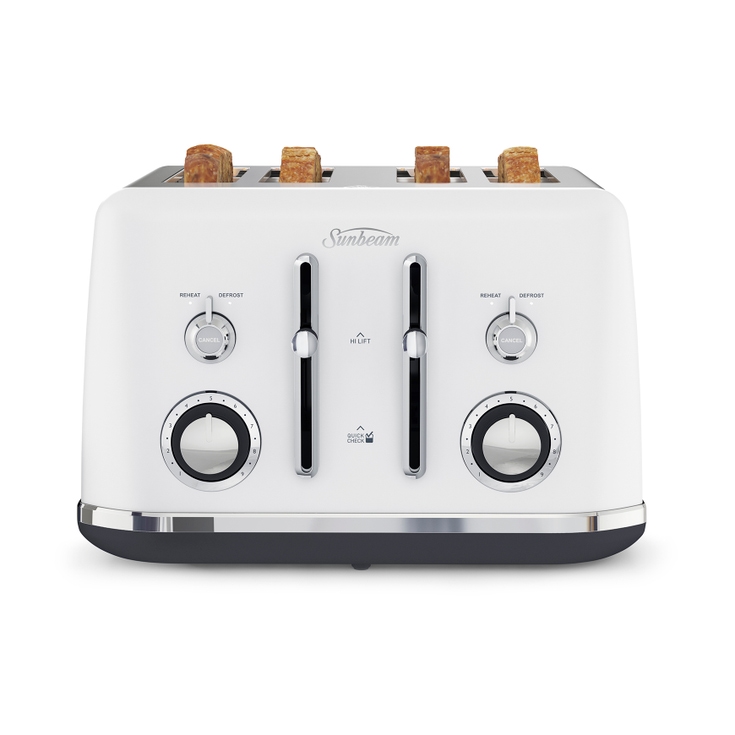
Credit: www.sunbeam.com.au
Innovations Improving Toaster Efficiency
Toasters have come a long way from simple bread browning devices. Innovations focused on improving their efficiency now make them smarter and more energy-friendly. These improvements not only save time but also reduce electricity use, giving you better results with less waste.
Smart Toaster Technology
Smart toasters use sensors to detect the exact moisture level in your bread. This means they adjust the toasting time automatically, preventing overcooking or under-toasting. Imagine never burning your toast again—this technology makes it possible.
Some models connect to your smartphone, letting you choose your preferred browning level remotely. You can start toasting from your bed or office, ensuring fresh toast is ready when you want it. How much easier would your morning routine be with this kind of control?
Energy-saving Features
New toasters are designed to use less power without compromising performance. Features like rapid heating elements and better insulation help reduce energy consumption. This means your toaster heats up faster and stays hot longer, using less electricity overall.
Some toasters also have standby modes that cut off power completely when not in use. This small change can save significant energy over time, especially if you use your toaster daily. Are you paying attention to how much energy your kitchen appliances waste when idle?
Frequently Asked Questions
What Makes A Kitchen Toaster A Closed Loop System?
A kitchen toaster recycles energy within its components. Heat generated is contained and used to toast bread, minimizing energy loss. This closed loop ensures efficient operation and consistent toasting without external energy leaks, making it an effective kitchen appliance.
How Does Energy Flow In A Toaster Closed Loop?
Energy flows from electrical input to heating elements inside the toaster. Heat transfers directly to the bread, while insulation reduces energy loss. This continuous cycle maintains temperature, illustrating the closed loop system where input energy is efficiently converted to heat.
Why Is A Toaster's Closed Loop System Important?
The closed loop system in a toaster improves energy efficiency. It reduces heat loss and ensures even toasting. This system saves electricity and enhances performance, making the toaster both eco-friendly and cost-effective in daily kitchen use.
Can Toaster Heat Elements Be Considered A Closed Loop?
Yes, toaster heat elements operate within a closed loop. They convert electricity into heat internally without external heat escape. This contained heat effectively toasts bread while conserving energy within the appliance’s design.
Conclusion
A kitchen toaster works as a closed loop system by controlling heat and time. It carefully manages energy to toast bread evenly. This system helps save power and prevent burning. Understanding this makes using your toaster easier and safer. Small machines often use closed loops to work well.
Next time you toast bread, think of the smart system inside. It shows how simple ideas help in daily life. Closed loop systems keep things steady and reliable. That’s why your toaster always delivers good results.