
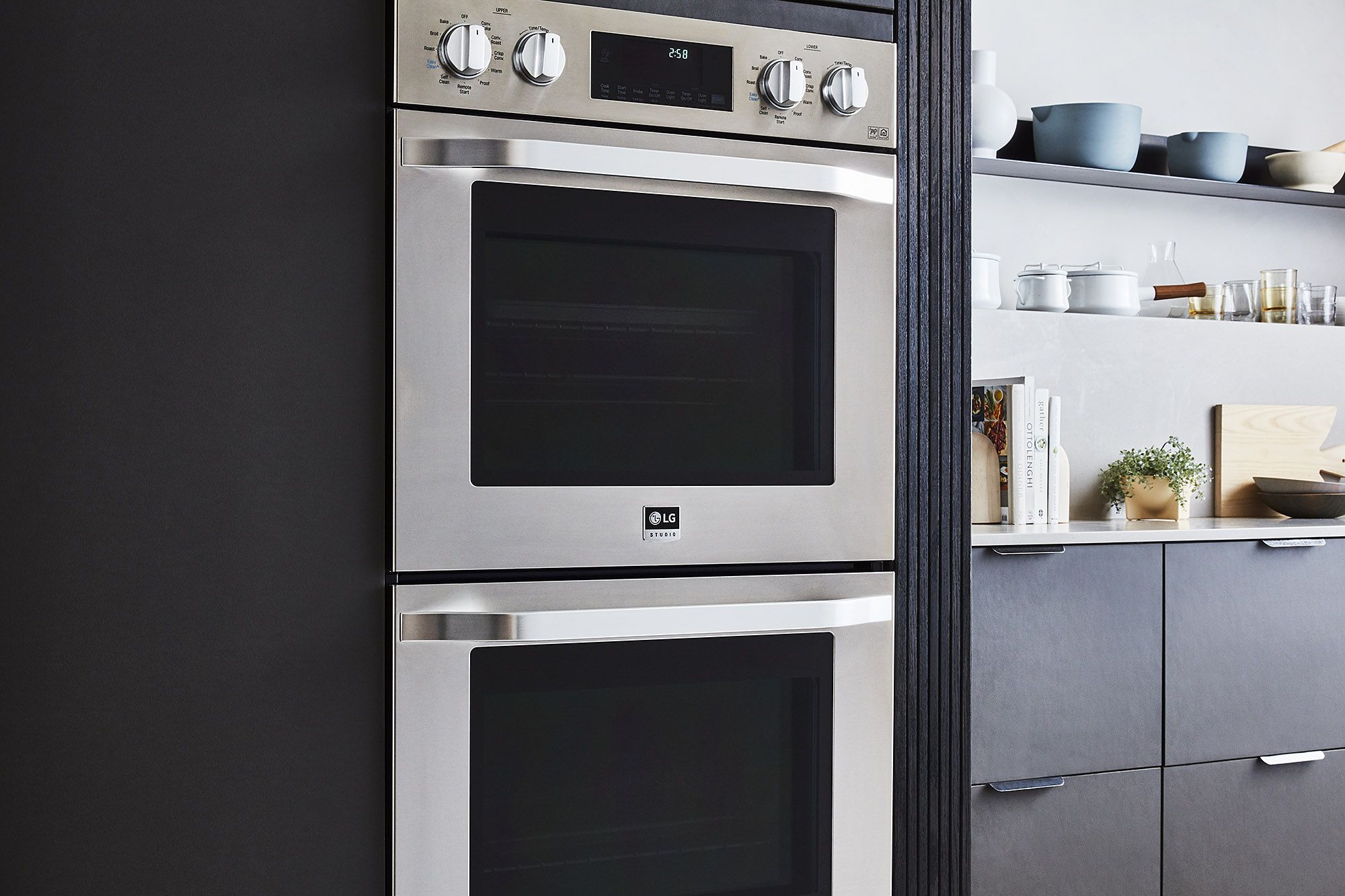
Are you thinking about installing an oven inside your kitchen cabinet but wondering if it’s even possible? You might have questions about safety, space, and how it will affect your kitchen’s look and function.
This article will clear up all your doubts and help you decide if putting an oven in a cabinet is right for your home. Keep reading to discover the key things you need to know before making this important choice.
Choosing The Right Cabinet
Choosing the right cabinet for an oven is crucial for safety and style. A well-chosen cabinet supports the oven properly and fits your kitchen design. It also ensures the oven works efficiently without any damage. Several factors influence the best cabinet choice.
Material Considerations
Cabinet material must resist heat and moisture from the oven. Solid wood cabinets offer strength but may warp over time. Plywood with a heat-resistant finish works well and is more stable. Avoid particleboard as it can swell with heat and humidity. Metal cabinets provide excellent durability and heat resistance. Always check for fire safety ratings when picking materials.
Size And Space Requirements
Measure your oven’s dimensions before selecting a cabinet. The cabinet must fit the oven snugly but leave space for installation. Allow extra space for opening the oven door fully. Check the cabinet depth, width, and height carefully. Cabinets too small cause overheating or damage. Cabinets too large may look awkward and reduce kitchen efficiency.
Ventilation Needs
Ovens generate heat that must escape to avoid damage. Proper ventilation prevents overheating inside the cabinet. Look for cabinets with built-in vents or add vent holes. Keep some space behind and above the oven for air circulation. Use fans or vents if your kitchen design allows. Good ventilation extends the oven’s lifespan and keeps your kitchen safe.
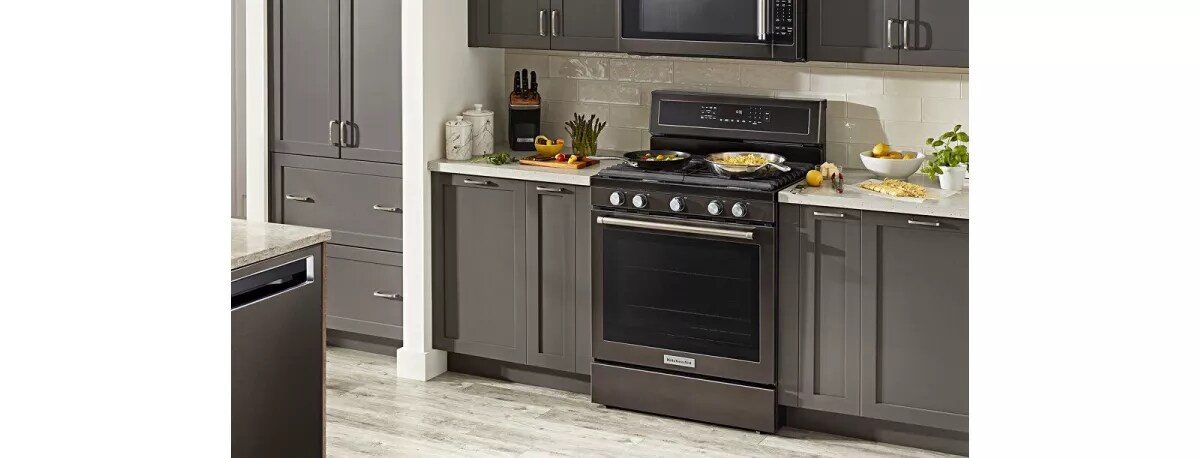
Credit: www.kitchenaid.com
Types Of Ovens Suitable For Cabinets
Choosing the right oven for your kitchen cabinet can transform your cooking space into a sleek and efficient area. Not all ovens fit or function well inside cabinets, so it's important to know which types work best. Understanding these options helps you avoid installation problems and ensures your kitchen looks great while performing well.
Built-in Ovens
Built-in ovens are designed specifically for cabinet installation. They fit flush with your cabinetry, creating a seamless look that maximizes space.
These ovens often come with customizable fronts, so you can match your kitchen's style. Plus, they usually have better ventilation systems to avoid overheating inside the cabinet.
Have you noticed how much easier it is to cook when the oven is at eye level? Built-in ovens offer this convenience and reduce the need to bend down frequently.
Wall Ovens
Wall ovens are similar to built-in ovens but are often installed in a dedicated wall cabinet. This setup frees up floor space and can improve kitchen flow.
They come in single or double configurations, giving you options based on how much cooking you do. Wall ovens often feature advanced controls and precise temperature settings.
If you want an ergonomic cooking experience, wall ovens make a big difference. Think about how much safer and easier it is to access your oven without crouching or stretching.
Microwave Ovens
Microwave ovens also fit well into kitchen cabinets, especially when you want to save counter space. They are compact and often designed for built-in installation.
Many microwaves come with trim kits that help them blend seamlessly with surrounding cabinets. This keeps your kitchen looking tidy and organized.
Have you considered placing your microwave at a height that’s convenient for everyone in your household? Installing it in a cabinet can solve common accessibility issues.
Installation Guidelines
Installing an oven inside a kitchen cabinet requires careful planning and attention. Proper installation ensures safety, efficiency, and a clean look. Follow these guidelines to fit your oven correctly and avoid common problems.
Clearance And Spacing
Allow enough space around the oven for heat to escape. Most ovens need several inches of clearance on all sides. Check the manufacturer’s manual for exact measurements.
Ensure the cabinet is deep and wide enough to hold the oven without blocking vents. Good airflow prevents overheating and damage.
Electrical And Gas Connections
Verify the oven’s power needs before installation. Some ovens require a dedicated electrical circuit. Use a licensed electrician for all wiring.
For gas ovens, a qualified technician must handle the gas line. Ensure all connections are tight and leak-free. Safety comes first.
Securing The Oven
Fix the oven firmly inside the cabinet to prevent movement. Use brackets or screws provided by the manufacturer.
Check that the oven door opens fully without obstruction. A secure oven stays stable during use and avoids accidents.
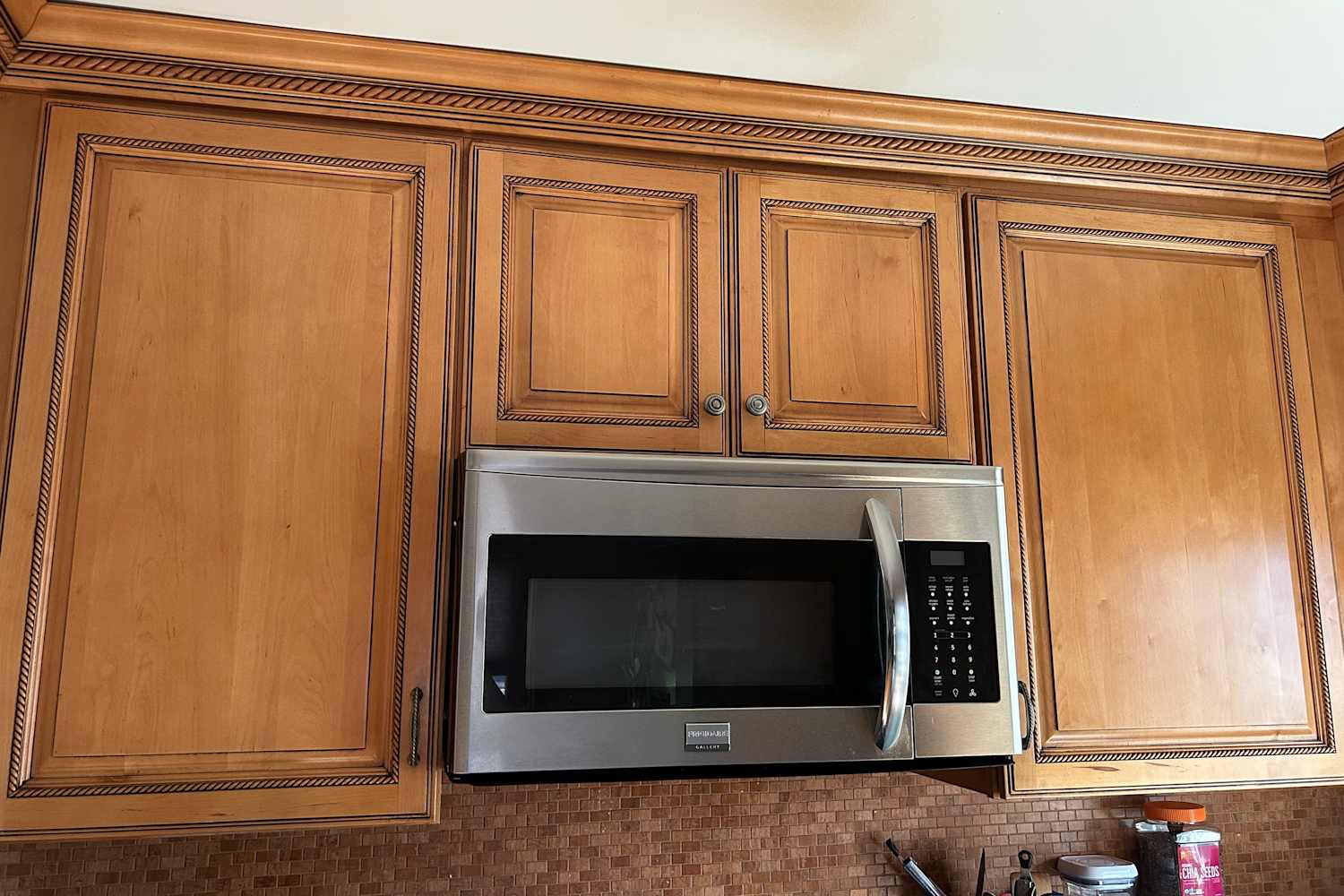
Credit: www.thekitchn.com
Safety Precautions
Ovens need proper ventilation to avoid overheating in kitchen cabinets. Clearances must follow manufacturer guidelines to keep heat from damaging the cabinet. Always check safety instructions before installation.
Installing an oven in a kitchen cabinet can optimize space and create a sleek, modern look. However, it’s crucial to consider safety precautions to ensure that your kitchen remains a safe place for cooking. A well-thought-out plan can prevent potential hazards and enhance the longevity of your appliance.
Heat Protection Measures
An oven generates significant heat, and placing it in a cabinet requires careful planning to handle this heat safely. Use heat-resistant materials for the cabinet to prevent any damage. It’s also wise to have a heat shield or insulation to safeguard your cabinetry. Consider the gap between the oven and the cabinet walls. This space is essential for heat dissipation, reducing the risk of overheating. Regularly check this area for any signs of heat damage or wear.
Fire Risk Prevention
Fire safety is paramount when installing an oven in a confined space. Make sure the electrical connections are secure and handled by a professional. Faulty wiring can be a common cause of fires in the kitchen. Keep flammable materials like kitchen towels and curtains away from the oven. Ensure that the oven is installed at a safe distance from any wooden parts of the cabinet. Installing a smoke detector nearby can also provide an early warning in case of any fire incidents.
Proper Ventilation
Proper ventilation is crucial to ensure that the oven functions efficiently and safely. Without adequate airflow, the oven can overheat, leading to potential safety issues. Install vents or fans to facilitate air circulation around the oven. Regularly check and clean these ventilation openings to prevent dust build-up, which can obstruct airflow. Adequate ventilation not only enhances safety but also improves the performance of your oven. When you think about it, are you taking all these steps to ensure your kitchen remains a safe haven? Making these considerations can mean the difference between a functional kitchen and a potential hazard.
Maintenance Tips
Proper maintenance keeps your oven and kitchen cabinet safe and lasting longer. Regular care prevents damage and ensures smooth operation. Follow simple steps to maintain both the oven and the cabinet around it.
Cleaning The Oven And Cabinet
Clean spills and crumbs inside the oven after each use. Use a soft cloth and mild cleaner on the oven’s exterior. For the cabinet, wipe dust and stains regularly to avoid buildup. Avoid harsh chemicals that may damage surfaces. Keep vents and openings clear of dust and grease.
Checking For Damage
Inspect the cabinet for cracks or warping caused by heat. Look for signs of moisture or mold near the oven. Check the oven door seal for cracks or gaps. Replace worn or damaged parts promptly to prevent bigger issues. Keep an eye on hinges and handles for looseness.
Ensuring Proper Functionality
Test the oven’s heating regularly to confirm even cooking. Make sure the oven fits well in the cabinet without pressure. Check that airflow around the oven is not blocked. Confirm the cabinet structure supports the oven’s weight. Schedule professional servicing to maintain safety and efficiency.
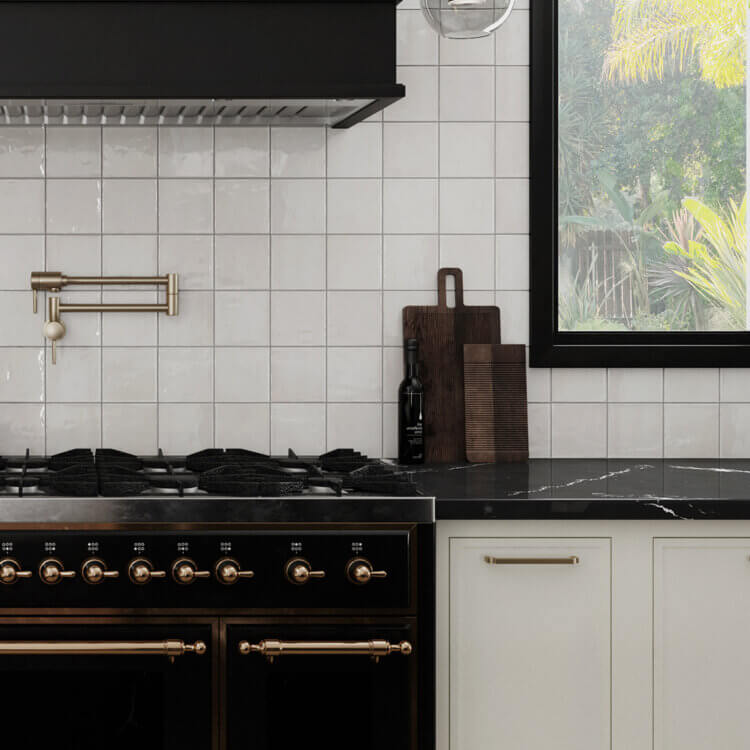
Credit: www.durasupreme.com
Common Mistakes To Avoid
Installing an oven inside a kitchen cabinet might seem like a smart way to save space and create a sleek look. However, many people rush into this without considering crucial factors. Ignoring key details can lead to safety hazards, damage to your oven, and costly repairs.
Ignoring Ventilation
Ovens generate a lot of heat, and without proper ventilation, that heat builds up inside the cabinet. This can cause your oven to overheat, reducing its lifespan and even creating fire risks.
Have you checked if your cabinet has vents or enough space around the oven for air to flow? Adding vents or using a cabinet designed specifically for ovens can prevent heat buildup and keep your kitchen safe.
Using Incorrect Cabinet Materials
Not all cabinets are built to handle the high temperatures an oven produces. Using standard wood or MDF without heat-resistant treatments can cause warping, discoloration, or even structural damage.
Think about the materials your cabinet is made from. Would you trust it to withstand prolonged heat? Choosing heat-resistant or metal cabinets can protect your investment and maintain your kitchen’s look.
Overlooking Professional Installation
Many homeowners try to install built-in ovens themselves to save money, but this can lead to serious problems. Incorrect measurements, poor wiring, or improper securing can cause malfunctions or safety hazards.
Have you considered hiring a professional who knows the exact requirements for oven installation? Their expertise ensures your oven fits perfectly, works safely, and lasts longer.
Frequently Asked Questions
Can You Install An Oven Inside A Kitchen Cabinet?
Yes, you can install an oven inside a kitchen cabinet. Ensure proper ventilation and heat-resistant materials. Follow manufacturer guidelines and local building codes for safety and efficiency.
What Ventilation Is Needed For An Oven In Cabinets?
Ovens in cabinets need adequate ventilation to prevent overheating. Use vents or fans as recommended to maintain airflow. Proper ventilation protects your kitchen and extends oven lifespan.
Are Kitchen Cabinets Safe For Built-in Ovens?
Kitchen cabinets can safely house built-in ovens if designed for heat resistance. Use fireproof materials and maintain clearance from heat sources. Always consult installation instructions for safety compliance.
How To Avoid Heat Damage To Cabinets From Ovens?
Prevent heat damage by installing heat shields and insulation between oven and cabinet. Maintain recommended clearances and use heat-resistant materials. Regularly check for signs of wear or discoloration.
Conclusion
Ovens can fit inside kitchen cabinets if planned right. Proper space and ventilation keep the oven safe and working well. Choose cabinets that handle heat and allow air flow. Measure carefully before installing to avoid problems later. This setup saves kitchen space and looks neat.
Remember, safety comes first with electrical appliances. A well-placed oven makes cooking easier and your kitchen cleaner. Small details matter for a smooth installation and use. Think about your kitchen needs and cabinet options clearly.