

Are you tired of your kitchen turning into a sauna every time you use your air fryer? You’re not alone.
Many people wonder if air fryers make your kitchen hot and uncomfortable. If you’ve noticed rising temperatures and sweaty cooking sessions, it’s natural to ask why. You’ll discover the truth about how air fryers affect your kitchen’s heat and learn simple tips to keep your space cool and comfortable while enjoying crispy, delicious meals.
Keep reading—you’ll want to know exactly what’s going on before your next cooking session!
How Air Fryers Work
Understanding how air fryers work helps explain their effect on kitchen temperature. Air fryers cook food by circulating hot air rapidly around it. This process mimics frying but uses less oil. The heat is generated inside the appliance and moves quickly to cook food evenly.
Rapid Air Circulation
Air fryers use a powerful fan to move hot air around the food. This rapid air flow cooks food on all sides. It creates a crispy outer layer similar to deep frying. The fast movement of air also helps food cook faster than traditional ovens.
Heat Generation Mechanism
Inside the air fryer, a heating element produces the heat needed for cooking. The element heats up quickly and transfers warmth to the air. The hot air is then pushed by the fan around the food chamber. This heating method keeps the air fryer compact and efficient.

Credit: www.foodandwine.com
Heat Emission Levels
Heat emission levels are important to understand if air fryers make your kitchen hot. These devices use hot air to cook food quickly. This process produces some heat outside the appliance. Knowing how much heat comes from an air fryer helps keep your kitchen comfortable.
External Surface Temperature
The outside of an air fryer gets warm during use. Most air fryers have insulated walls to keep heat inside. Surface temperatures can range from warm to hot, depending on the model. Some parts, like the top or front, may feel hotter than others. Touching the exterior briefly is usually safe, but avoid long contact to prevent burns.
Heat Released Into The Kitchen
Air fryers release some heat into the kitchen while cooking. This heat comes from vents that let out hot air. The amount of heat varies by size and cooking time. Usually, the heat is less than what a traditional oven produces. Keeping the air fryer in a well-ventilated area helps reduce kitchen warmth.
Comparing Air Fryers With Other Appliances
Air fryers have become popular kitchen tools. Many people wonder how much heat they produce compared to other appliances. Understanding this helps keep your kitchen comfortable. Comparing air fryers with ovens and microwaves sheds light on this.
Ovens Vs Air Fryers
Ovens use larger spaces to cook food. They heat up the whole oven cavity. This can raise kitchen temperature more than air fryers.
Air fryers are smaller and more compact. They circulate hot air quickly around food. This heats less space and usually keeps kitchens cooler.
Ovens take longer to preheat and cook. Air fryers cook faster, reducing heat exposure. Ovens may release more heat into the kitchen during use.
Microwaves Vs Air Fryers
Microwaves use electromagnetic waves to heat food. They heat food directly without warming much air. This keeps kitchens cooler than ovens or air fryers.
Air fryers use hot air to cook. They produce some heat outside the appliance. But less than ovens, more than microwaves.
Microwaves cook very fast. Air fryers take more time but less than ovens. Microwave heat impact on kitchen temperature is minimal.
Factors Influencing Kitchen Temperature
Understanding why your kitchen might feel hotter when using an air fryer means looking at several key factors. These influence how much heat escapes into your space and how comfortable you feel while cooking. Let’s examine what really affects your kitchen temperature during air fryer use.
Kitchen Size And Ventilation
The size of your kitchen plays a big role in how much heat builds up. Smaller kitchens trap heat more easily, making the space feel warmer faster. If your kitchen doesn’t have good airflow, the heat from the air fryer stays inside instead of escaping.
Good ventilation helps reduce heat buildup. Opening a window or turning on an exhaust fan can make a noticeable difference. Have you noticed your kitchen feels cooler when you cook near a vent or open door?
Duration Of Cooking
How long you use the air fryer directly impacts the amount of heat your kitchen absorbs. Short cooking times release less heat into the room compared to longer sessions. Cooking a quick batch of fries won’t raise the temperature as much as roasting a whole chicken for an hour.
Think about your typical cooking habits. Do you often use your air fryer for extended periods without breaks? Giving your kitchen time to cool down between uses can help maintain a comfortable temperature.
Tips To Keep Your Kitchen Cool
Keeping your kitchen cool while using an air fryer is essential for comfort and safety. Air fryers do generate heat, but with the right strategies, you can minimize the temperature rise around your cooking area. Let’s look at practical tips that help you enjoy crispy meals without turning your kitchen into a sauna.
Proper Placement Of Air Fryer
Where you put your air fryer matters a lot. Avoid tight corners or enclosed spaces that trap heat. Place it on a countertop with plenty of clearance on all sides, ideally near a window or open area.
I once placed my air fryer in a cramped cabinet, and the heat made the whole kitchen uncomfortable. Moving it to a spot with better airflow made a noticeable difference. Also, keep it away from direct sunlight or other heat sources to prevent added warmth.
- Keep at least 4-6 inches of space around the air fryer
- Use a heat-resistant mat to protect your countertop
- Avoid placing it near your stove or oven when they’re in use
Using Ventilation Systems
Good ventilation is a key player in managing kitchen heat. Turn on your kitchen exhaust fan or range hood while the air fryer is running to pull hot air out. If you don’t have one, a portable fan aimed towards an open window can help push the heat outside.
My kitchen doesn’t have a built-in exhaust, so I rely on a small fan near the window. It quickly lowers the temperature and keeps the air fresh. You might also consider cracking a window or door to create a cross-breeze that carries away excess heat.
- Use exhaust fans during and after cooking
- Position fans to direct hot air outside
- Open windows or doors to improve airflow
Have you noticed how a little airflow changes the kitchen temperature? Try adjusting your ventilation setup next time and see how much cooler your space feels.
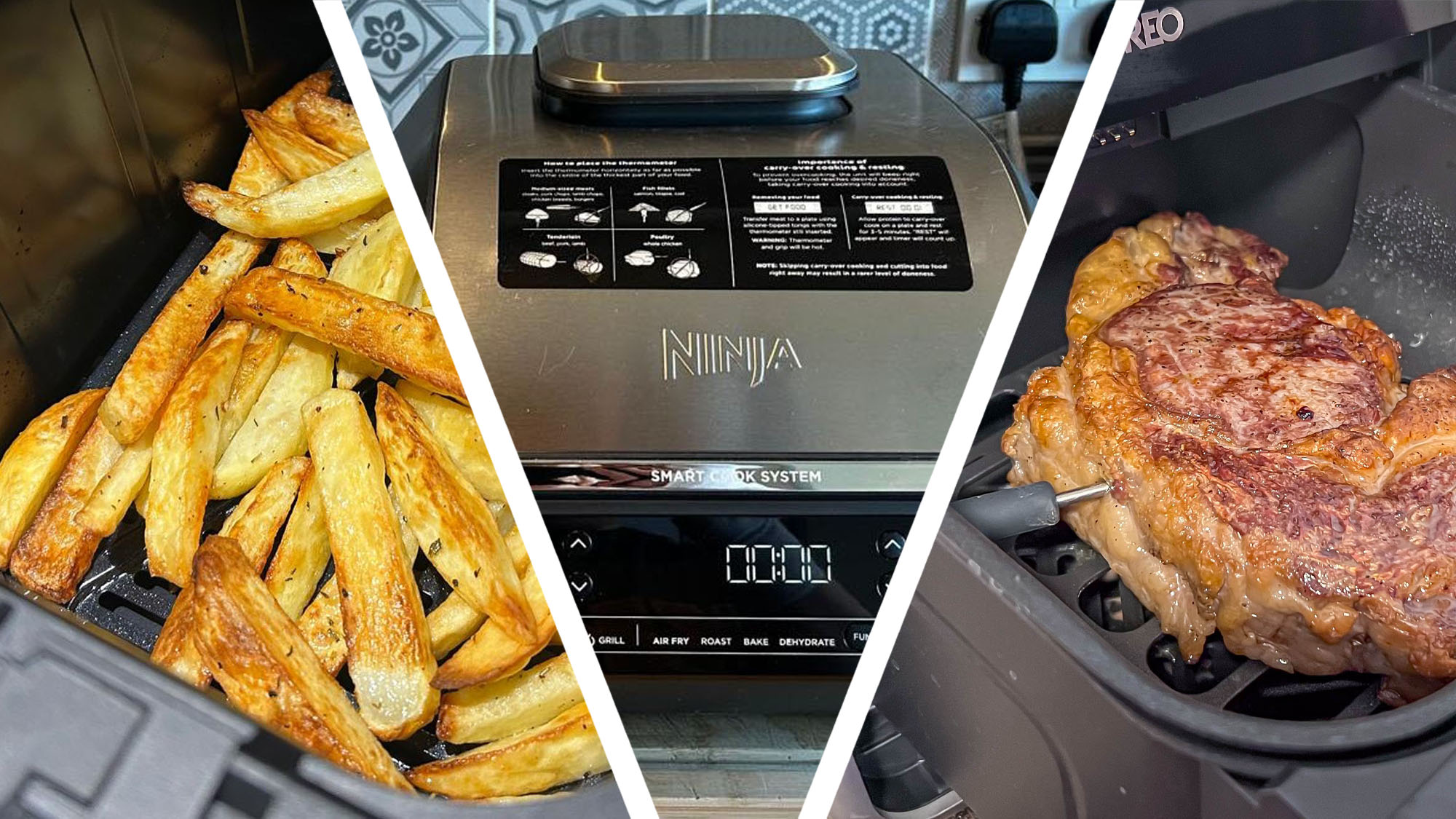
Credit: www.techradar.com
Common Misconceptions About Air Fryer Heat
Many people believe air fryers make kitchens unbearably hot. This idea is a common misconception. Air fryers do emit heat, but not as much as traditional ovens. They are designed to cook food quickly and efficiently. Understanding how they work can help clear up misconceptions about their heat output.
Does It Heat Up The Entire Kitchen?
Unlike ovens, air fryers don't heat the entire room. They are compact and release minimal heat into the surrounding area. This means your kitchen stays cooler. You can cook without worrying about raising the room temperature significantly. They are ideal for summer cooking when you want to avoid extra heat.
Safety Concerns Related To Heat
Some worry about safety due to the heat air fryers produce. Air fryers are built with safety in mind. Most have cool-touch exteriors, reducing burn risks. Always place them on heat-resistant surfaces. Keep them away from flammable items. Follow the manufacturer's guidelines to ensure safe use.

Credit: www.foodandwine.com
Frequently Asked Questions
Do Air Fryers Increase Kitchen Temperature Significantly?
Air fryers generate heat but usually don’t raise kitchen temperature much. Their compact design contains heat efficiently, minimizing kitchen warmth. Proper ventilation helps keep the kitchen comfortable during cooking.
How Much Heat Does An Air Fryer Produce?
An air fryer produces heat mainly inside its cooking chamber. The external surface stays warm but not excessively hot. This controlled heat reduces overall kitchen temperature impact compared to traditional ovens.
Can Air Fryers Make My Kitchen Uncomfortable?
Air fryers emit less heat than ovens, so they rarely cause discomfort. Using them in a well-ventilated space prevents heat buildup, keeping the kitchen cool and comfortable during use.
Does Cooking Duration Affect Kitchen Heat From Air Fryers?
Longer cooking times can slightly increase kitchen warmth, but the effect is minimal. Air fryers heat quickly and efficiently, so they usually don’t add significant heat even during extended use.
Conclusion
Air fryers can make your kitchen a little warm while cooking. They use hot air to crisp food quickly. This heat may raise the kitchen temperature slightly. But good ventilation helps keep the room comfortable. Placing the air fryer away from walls also reduces heat buildup.
Overall, air fryers do not make kitchens uncomfortably hot. They offer a faster, healthier way to cook. Small warmth is a normal part of using them. Enjoy cooking without worrying too much about heat.