
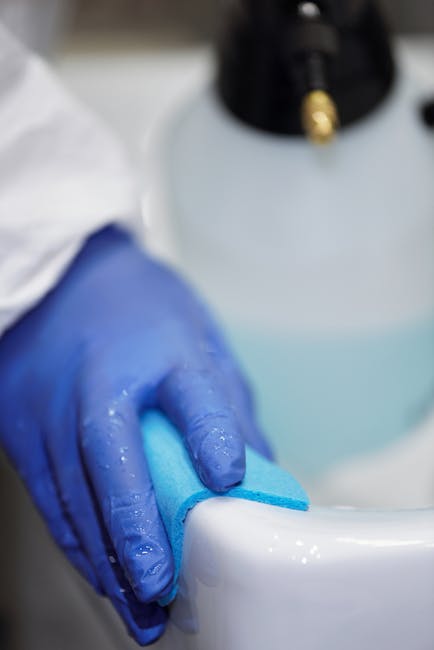
Keeping your commercial kitchen spotless isn’t just about appearance—it’s about safety, reputation, and the health of everyone who enjoys your food. If you want to protect your customers and your business from foodborne illnesses, you need to know exactly how to sanitize your kitchen the right way.
In this guide, you’ll discover simple, effective steps that anyone can follow to make sure your kitchen stays clean and safe every single day. Ready to take control of your kitchen’s hygiene and boost your business’s trust? Let’s dive in.
Sanitizing Importance
Sanitizing a commercial kitchen is crucial to maintain a safe and clean environment. It helps stop the spread of harmful germs and bacteria. Proper sanitizing protects both staff and customers from foodborne illnesses. A clean kitchen builds trust and keeps your business running smoothly.
Health Risks In Kitchens
Kitchens have many places where germs can grow. Raw foods, spills, and dirty surfaces spread bacteria fast. These germs cause food poisoning and infections. Workers can also get sick from touching contaminated surfaces. Sanitizing kills these germs and reduces health risks.
Regulatory Standards
Health departments set rules for kitchen cleanliness. These rules include how often and how to sanitize. Following regulations avoids fines and closures. It shows customers you care about their safety. Regular checks ensure your kitchen meets these standards.
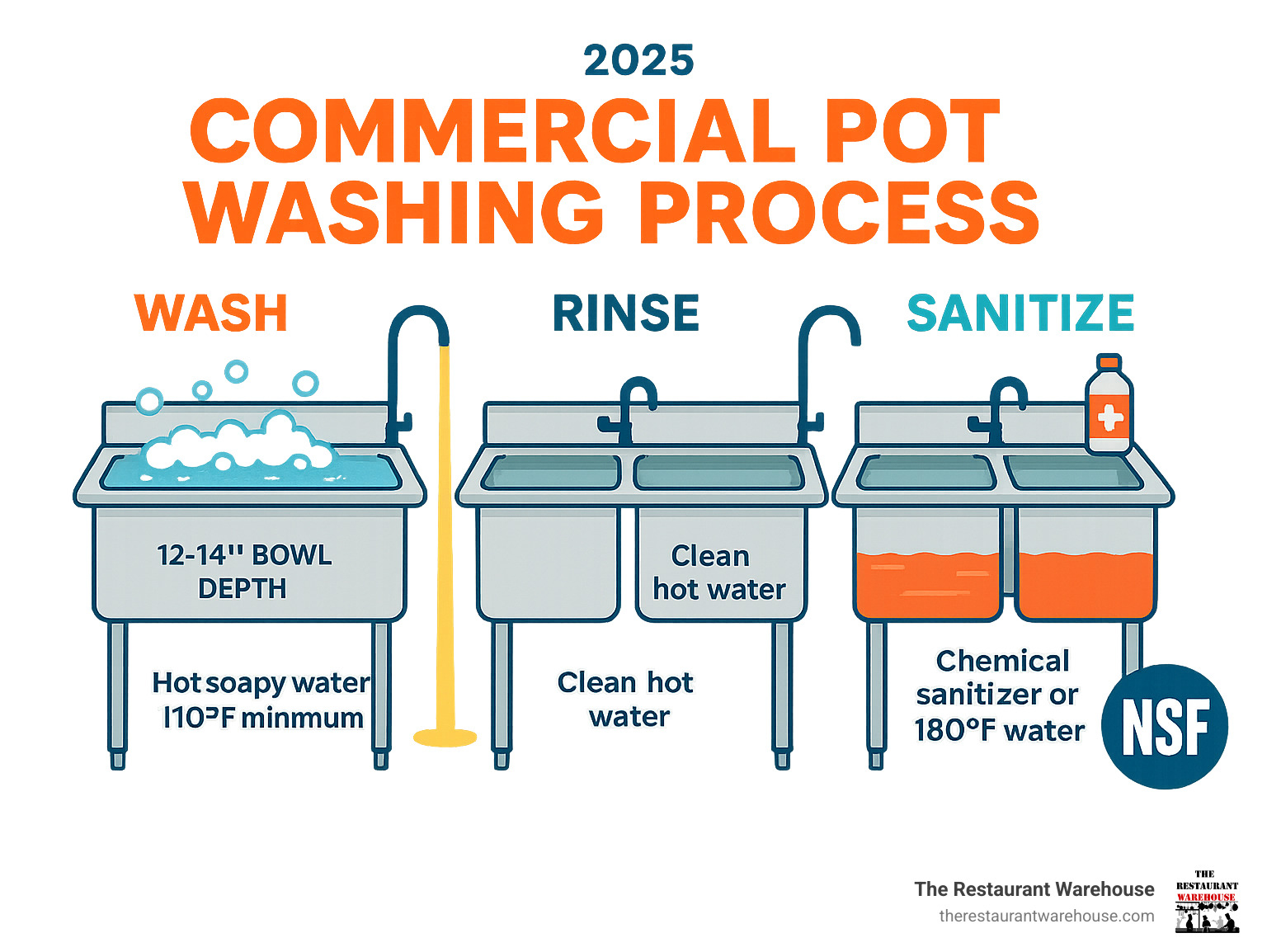
Credit: therestaurantwarehouse.com
Essential Cleaning Tools
Keeping a commercial kitchen spotless is more than just a routine—it’s about protecting your staff and customers from harmful bacteria. The right cleaning tools make this task manageable and effective. Without essential tools, sanitizing can become a frustrating and incomplete process.
Sanitizers And Disinfectants
Sanitizers and disinfectants are the backbone of any kitchen cleaning routine. You need products that kill germs quickly and leave no residue that could contaminate food. Look for EPA-registered disinfectants designed for food-contact surfaces to ensure safety.
Have you ever noticed how some sanitizers leave a strong chemical smell? That’s a sign to switch to a more food-safe option, especially in enclosed kitchen spaces. Using the wrong sanitizer can actually discourage your team from cleaning thoroughly.
Here are some popular types to keep handy:
- Chlorine-based sanitizers:Effective and affordable but need careful dilution.
- Quaternary ammonium compounds (Quats):Gentle on surfaces and safe for food prep areas.
- Alcohol-based sanitizers:Fast-acting but evaporate quickly, requiring frequent application.
Cleaning Equipment
Choosing the right cleaning equipment can make your sanitizing process faster and more thorough. Think beyond just mops and rags—tools designed specifically for commercial kitchens can reach hidden corners and hard-to-clean surfaces.
Microfiber cloths are a game-changer. They trap dirt and bacteria better than traditional towels and reduce the need for harsh chemicals. Plus, they dry quickly, lowering the risk of bacterial growth.
Consider these essentials for your toolkit:
- Scrub brushes:Different sizes and stiffness to tackle various surfaces.
- Floor squeegees:Help remove water quickly to prevent slips and mold.
- Spray bottles:For easy application of sanitizers and cleaning agents.
- Disposable gloves:Protect your hands and prevent cross-contamination.
What cleaning tools have you found indispensable in your kitchen? Sometimes, a small change like upgrading your cloths or brushes can improve sanitation dramatically.
Sanitizing High-touch Areas
Sanitize all surfaces that people touch often, like door handles, switches, and counters. Use a strong cleaner and wipe these areas regularly to stop germs from spreading. This keeps the kitchen safe and clean for everyone.
Sanitizing high-touch areas in a commercial kitchen is not just about cleanliness; it's about ensuring safety. These spots are breeding grounds for germs and bacteria, and maintaining their cleanliness is crucial. Let's dive into the essentials of keeping these areas spotless and germ-free.
Handles And Switches
Handles and switches are touched countless times throughout the day. From refrigerator handles to light switches, these are hotspots for germs. Use a disinfectant spray or wipes specifically designed for high-touch surfaces. Always ensure the surfaces remain wet with the disinfectant for the recommended time. This ensures that germs are effectively killed. Don't forget small handles like those on microwaves and ovens, as they're often overlooked.
Work Surfaces
Work surfaces, where food is prepared, are critical to sanitize properly. Begin by cleaning with soap and water to remove any visible debris. Follow this up with a food-safe sanitizer to kill bacteria. Ensure the sanitizer is spread evenly across the surface. Allow it to air dry to maximize its effectiveness. Regularly sanitizing these surfaces can prevent foodborne illnesses and keep your kitchen running smoothly. Are you confident that your commercial kitchen is as clean as it can be? Regular checks and a consistent cleaning routine can make a world of difference. Prioritize these high-touch areas for a safer, more hygienic kitchen environment.
Proper Cleaning Techniques
Proper cleaning techniques are essential to keep your commercial kitchen safe and hygienic. They ensure food safety and prevent contamination that could harm customers. Understanding how to clean effectively can save time and make the process less overwhelming.
Step-by-step Process
Start by clearing all surfaces of food debris and scraps. Use a scraper or brush to remove stuck-on particles before applying any cleaner.
Next, apply a food-safe detergent to all surfaces, including counters, cutting boards, and sinks. Scrub thoroughly with a sponge or cloth to break down grease and dirt.
Rinse with clean, hot water to wash away detergent and loosened grime. Make sure no residue remains as it can interfere with sanitizing.
Finally, apply a commercial sanitizer according to the product instructions. Allow it to sit for the recommended contact time before wiping dry or letting air dry.
Don’t forget to clean equipment and utensils using the same process, focusing on hard-to-reach spots where bacteria can hide. Have you noticed how often neglecting these areas leads to unexpected contamination?
Frequency And Timing
Cleaning frequency depends on the kitchen’s activity level. High-use areas like prep stations and cutting boards should be cleaned and sanitized after every use.
Floors and walls require daily cleaning to avoid buildup of grease and spills. Pay extra attention during busy hours when messes happen faster.
Deep cleaning tasks, such as oven interiors and exhaust hoods, should happen weekly or monthly based on your kitchen’s needs. Setting a cleaning schedule helps maintain consistency and prevents overlooking important areas.
Consider how timing your cleaning during quieter moments can make the process smoother and less disruptive. Could rearranging your cleaning routine improve overall efficiency?
Kitchen Equipment Care
Keeping your commercial kitchen equipment clean is key to maintaining a safe and efficient workspace. Proper care not only extends the life of your machines but also ensures food safety and compliance with health regulations. Let’s look closely at how you can sanitize the most critical kitchen appliances.
Ovens And Stoves
Ovens and stoves accumulate grease and food particles quickly, which can cause unpleasant odors and even fire hazards if not cleaned regularly. You should wipe down the surfaces daily with a degreaser that is safe for your equipment’s material.
Don’t forget to clean oven racks and trays by soaking them in hot, soapy water. Using a scraper for baked-on residues can save you time but be gentle to avoid scratching surfaces.
Have you checked if your oven has a self-cleaning function? Using it periodically can reduce manual scrubbing and help maintain the oven’s efficiency.
Refrigerators And Freezers
Refrigerators and freezers need more than just a quick wipe. Remove all food items and shelves before cleaning to reach every corner. Use a mixture of warm water and baking soda to eliminate odors and sanitize surfaces without harsh chemicals.
Check door seals regularly for cracks or buildup, as damaged seals reduce cooling efficiency. You might be surprised how much energy and food quality you save by maintaining airtight seals.
Also, defrost your freezers regularly if they are not frost-free. Thick ice layers not only reduce storage space but also force the machine to work harder, increasing energy costs.

Credit: www.clatsopcounty.gov
Staff Hygiene Practices
Staff hygiene is a key part of keeping a commercial kitchen safe and clean. Clean workers help stop germs from spreading to food and surfaces. Every team member must follow strict hygiene rules. This protects both the staff and the customers.
Good hygiene starts with clean hands and proper clothing. These practices lower the risk of food contamination. Training and regular checks make sure everyone follows the rules. Healthy habits in the kitchen create a safer environment.
Handwashing Protocols
Washing hands correctly is the best way to remove germs. Staff should use warm water and soap. Hands must be scrubbed for at least 20 seconds. Pay attention to areas like under nails and between fingers.
- Wash hands before handling food
- Wash after touching raw meat
- Wash after using the restroom
- Wash after coughing or sneezing
- Use paper towels to dry hands
Hand sanitizers can help but never replace washing with soap. Sinks should be easy to access and always stocked with soap and towels.
Protective Clothing
Staff should wear clean uniforms to keep dirt away from food. Aprons, hats, and gloves are common protective items. These reduce direct contact with food and surfaces.
- Change uniforms daily
- Wear hairnets or caps to cover hair
- Use gloves when handling ready-to-eat foods
- Replace gloves often to avoid cross-contamination
- Remove jewelry that can trap dirt or bacteria
Protective clothing should be washed regularly. Proper gear helps maintain a hygienic kitchen and keeps food safe.
Waste Management Tips
Effective waste management is crucial for maintaining a clean and sanitary commercial kitchen. Handling waste properly helps prevent contamination and pests, which can compromise food safety. Below are practical tips to help you manage waste efficiently and keep your kitchen environment safe.
Trash Disposal
Make sure trash bins have tight-fitting lids to keep odors and pests away. Line bins with durable, leak-proof bags and replace them frequently to avoid spills and contamination.
Place bins in convenient, accessible spots to encourage staff to dispose of waste immediately. Regularly clean and sanitize trash containers to prevent bacteria buildup.
Ask yourself: Are your current trash disposal practices quick and easy enough for your team to follow consistently?
Recycling And Composting
Separate recyclable materials like cardboard, plastics, and glass from regular waste. Use clearly labeled bins to avoid confusion and improve sorting accuracy.
Consider setting up a compost bin for food scraps such as vegetable peels and coffee grounds. Composting reduces landfill waste and can be a great resource if you have a garden or community program nearby.
Encourage your staff to participate by providing training on what can be recycled or composted. Small changes in daily habits can make a big difference in reducing your kitchen’s environmental impact.
Monitoring And Compliance
Monitoring and compliance are key to keeping commercial kitchens safe and clean. Regular checks ensure that sanitation standards are met consistently. They help identify issues early and keep the kitchen ready for health inspections. Staying compliant protects customers and staff from health risks.
Inspection Checklists
Use detailed inspection checklists to track cleanliness. These lists cover all kitchen areas, including surfaces, equipment, and storage. Checklists help staff focus on critical sanitation tasks daily. They make it easy to spot missed spots or cleaning errors. Clear checklists improve team accountability and ensure thorough cleaning.
Record Keeping
Keep accurate records of all cleaning activities. Document dates, times, and the person responsible for each task. Records prove that sanitation standards are followed regularly. They help during health inspections and audits. Good record keeping supports continuous improvement in kitchen hygiene.
Credit: www.katom.com
Frequently Asked Questions
How Often Should Commercial Kitchens Be Sanitized?
Commercial kitchens should be sanitized daily after food preparation. High-touch surfaces need more frequent cleaning to prevent contamination. Regular sanitation ensures food safety and complies with health regulations.
What Are The Best Sanitizers For Commercial Kitchens?
Use EPA-approved sanitizers effective against bacteria and viruses. Common options include bleach solutions, quaternary ammonium compounds, and hydrogen peroxide. Always follow manufacturer instructions for safe use.
How To Sanitize Kitchen Equipment Effectively?
Disassemble equipment, clean with detergent, rinse, then apply sanitizer. Allow proper contact time for the sanitizer to work. Air dry or use clean towels to avoid recontamination.
Why Is Sanitizing Commercial Kitchens Important?
Sanitizing prevents foodborne illnesses by eliminating harmful pathogens. It maintains a safe environment for food handling and protects customer health. Compliance with sanitation standards avoids legal penalties.
Conclusion
Sanitizing a commercial kitchen keeps food safe and workers healthy. Clean surfaces and tools often to stop germs from spreading. Use the right cleaning products and follow instructions carefully. Regular checks help find and fix problems early. A clean kitchen also makes cooking easier and faster.
Keep a schedule and train staff well. Good habits create a safer workplace every day. Simple steps lead to big results in kitchen hygiene. Stay consistent and protect everyone who uses the kitchen.