

Have you ever wondered what makes whipping up smoothies, sauces, and soups so quick and easy? The answer lies in a kitchen blender.
This handy appliance can transform your cooking experience, saving you time and effort while unlocking new flavors and textures. If you want to know how a kitchen blender works and why it might be the missing tool in your kitchen, keep reading.
By the end, you’ll see how this simple device can change the way you prepare food every day.

Credit: www.amazon.ca
Types Of Kitchen Blenders
Choosing the right kitchen blender can make your cooking and meal prep much easier. Different blenders serve different purposes, so understanding the types available helps you pick one that fits your lifestyle and kitchen needs. Let’s take a look at the main types of kitchen blenders and what makes each unique.
Countertop Blenders
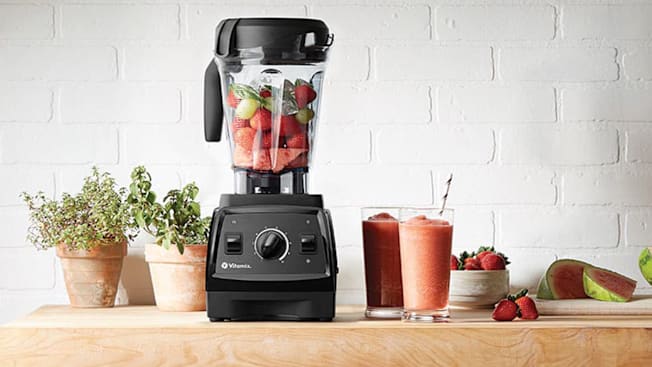
Countertop blenders are the most common and versatile. They come with a powerful motor and a large jar, perfect for making smoothies, soups, and sauces in batches. If you often prepare meals for family or guests, this blender type can handle bigger quantities with ease.
They usually offer multiple speed settings and pre-programmed functions. Have you ever tried making nut butter or crushing ice at home? A good countertop blender can do that without breaking a sweat.
Immersion Blenders
Immersion blenders, also called hand blenders, are compact and handheld. They let you blend directly in pots, bowls, or pitchers, which saves time and dishes. Imagine blending soup right in the pot without transferring it to another container—this is the convenience immersion blenders provide.
They’re great for quick tasks like pureeing baby food or whipping cream. If you have limited kitchen space, this blender type is a smart choice since it’s easy to store.
Personal Blenders
Personal blenders are designed for single servings and are very user-friendly. They often come with travel cups, so you can blend your smoothie and take it with you. This type is ideal if you’re always on the go or want to control portion sizes.
Though they have smaller jars and less powerful motors than countertop blenders, they excel at making fresh drinks fast. What’s better than having a quick, healthy shake ready before your busy day starts?
Commercial Blenders
Commercial blenders are built for heavy-duty use, often found in restaurants and cafes. They have stronger motors and durable blades to handle continuous blending and tough ingredients. If you’re running a food business or need a blender that won’t quit, commercial models are worth considering.
They’re typically more expensive but offer reliability and performance that home blenders can’t match. Have you noticed how your favorite smoothie shop’s drinks are always perfectly smooth? That’s often thanks to a commercial blender behind the scenes.
Credit: www.consumerreports.org
Key Features To Consider
Choosing the right kitchen blender means knowing which features matter most. These features affect how well the blender works and how long it lasts. Understanding these key points helps pick a blender that fits your needs. Here are the main features to consider before buying a kitchen blender.
Power And Motor Strength
The motor power defines the blender’s ability to crush and mix ingredients. A stronger motor handles tough foods like ice and nuts easily. Most home blenders have motors between 300 and 1500 watts. Higher wattage means faster and smoother blending. Consider what you blend often to choose the right power.
Blade Design And Material
Blades do the actual chopping and blending. Look for sharp, durable blades made of stainless steel. Some blenders have specially shaped blades to blend more efficiently. Removable blades make cleaning easier. The blade type affects how smooth or chunky your blend turns out.
Speed Settings And Controls
Different recipes need different speeds. Blenders with multiple speed settings offer more control. Pulse function helps with quick bursts of power for uneven textures. Simple buttons or dials work best for easy use. Choose a blender with controls that feel comfortable and clear.
Jar Material And Capacity
Blender jars come in glass, plastic, or metal. Glass jars resist stains and odors but are heavier. Plastic jars are lightweight and less fragile. Metal jars are durable but less common. Capacity matters too. Small jars suit single servings, while large jars handle family meals.
Noise Levels
Blenders can be noisy during use. Quiet models create less disturbance in the kitchen. Noise depends on motor power and design. Check product reviews to find blenders with acceptable noise levels. A quieter blender makes cooking more pleasant.
Popular Blender Uses
A kitchen blender is more than just a countertop appliance; it’s a versatile tool that makes your cooking and meal prep easier and faster. Understanding the popular uses of a blender can help you get the most out of it every day. Whether you’re a health enthusiast, a home cook, or someone who loves quick fixes, a blender can fit seamlessly into your routine.
Smoothies And Shakes
Blenders are perfect for creating smooth, creamy drinks in seconds. You can mix fruits, vegetables, yogurt, and even protein powders to make a nutritious smoothie or shake. Have you ever tried blending frozen berries with a splash of almond milk? The texture is unbeatable and it’s a great way to sneak in extra vitamins.
Soups And Sauces
Making soups and sauces from scratch feels less daunting with a blender. You can puree cooked vegetables into silky soups or blend herbs and nuts into flavorful sauces. Imagine turning leftover roasted veggies into a warm, comforting soup without any lumps—your blender makes it simple.
Nut Butters And Dips
Fresh nut butters and dips taste better and are healthier when made at home. With a powerful blender, you can grind nuts into creamy peanut or almond butter. You can also whip up tasty dips like hummus or guacamole in minutes. Have you tried making your own sunflower seed butter? It’s surprisingly easy and delicious.
Crushing Ice And Frozen Fruits
Blenders with strong motors can crush ice and frozen fruits effortlessly. This ability comes in handy for making cold drinks, frozen desserts, or refreshing cocktails. Next time you want a frozen margarita or a slushy smoothie, your blender can handle the ice without leaving big chunks.
Maintenance And Cleaning Tips
A kitchen blender is a tool that mixes, chops, and purees food quickly. Keeping it clean and well-maintained helps it last longer and work better. Regular washing and careful handling prevent damage and keep your blender safe to use.
Maintaining your kitchen blender in top condition requires regular cleaning and attention to detail. A clean blender not only extends its lifespan but also ensures it performs at its best. Wondering how you can achieve this? Let's dive into some effective maintenance and cleaning tips for your kitchen blender.
Disassembling Parts
To clean your blender thoroughly, it's essential to disassemble its parts. Begin by unplugging the blender for safety. Remove the jar, lid, blades, and any other removable components. This allows you to clean each part individually, ensuring no residue is left behind. Pay extra attention to the blades, as they can harbor food particles and build-up over time.
Cleaning Techniques
Start by rinsing each part under warm water to remove loose debris. For a deeper clean, fill the blender jar halfway with warm water and add a drop of dish soap. Run the blender for a few seconds to let the soapy water clean the blades and jar. Rinse thoroughly to ensure no soap residue remains. For stubborn stains or odors, a mixture of baking soda and water can work wonders.
Avoiding Common Issues
Preventing issues is often easier than fixing them. Avoid blending hot liquids, which can damage the seals and cause leaks. Regularly check for wear and tear, especially on the blades and seals, and replace them as needed. Store your blender with the lid off to prevent unpleasant smells from developing inside. Engaging with your kitchen blender doesn't have to be a chore. By following these maintenance tips, you ensure that your blender remains a reliable kitchen companion. What cleaning tricks have you discovered for your blender? Share your insights and keep the conversation going!
Budget And Brand Recommendations
Choosing the right kitchen blender depends heavily on your budget and the brand you trust. Not all blenders are created equal, and knowing where to spend your money can save you frustration and improve your cooking experience. Here’s a breakdown of options based on price ranges and reliable brands to help you make a confident decision.
Affordable Options
If you’re looking for a blender that gets the job done without breaking the bank, there are plenty of solid choices under $50. These models usually handle basic tasks like smoothies, sauces, and simple purees.
- Look for blenders with at least 300 watts of power to ensure decent performance.
- Plastic jars are common in this range but check for BPA-free materials.
- Brands like Hamilton Beach and Oster offer dependable budget-friendly models.
Think about how often you’ll use the blender. If it’s occasional, an affordable model might be perfect. But if you want durability for daily use, you might need to invest more.
Mid-range Choices
Spending between $50 and $150 opens up blenders with stronger motors and extra features. You’ll find models with multiple speed settings, pulse functions, and better build quality.
- Many come with glass jars and sharper blades for smoother blends.
- Some offer presets for smoothies, ice crushing, or soups, which save time and effort.
- Brands like Ninja and KitchenAid shine in this range with reliable performance.
Ask yourself if you want a blender that can multitask beyond just smoothies. Mid-range models often handle tougher ingredients and larger batches.
High-end Models
High-end blenders cost $150 and above, designed for serious home chefs and frequent use. They deliver powerful motors, durable construction, and advanced technology like noise reduction and touchscreen controls.
- Expect stainless steel or reinforced jars that resist stains and odors.
- Some come with self-cleaning functions, making maintenance easier.
- Vitamix and Blendtec are top names known for their performance and longevity.
Are you ready to invest in a blender that can replace multiple kitchen appliances? High-end models can blend, chop, grind, and even heat soups.
Trusted Brands
Choosing a trusted brand can give you peace of mind about the blender’s durability and support. Brands with good reputations often offer better warranties and customer service.
- Hamilton Beach:Great for budget-conscious buyers who want reliable, no-frills blenders.
- Ninja:Known for powerful blenders that handle tough ingredients well.
- KitchenAid:Offers stylish designs and solid mid-range performance.
- Vitamix:A premium brand favored by professionals and serious home cooks.
- Blendtec:Combines innovation with power for versatile kitchen use.
Think about how important after-sales service and warranty are to you. Sometimes paying a bit more upfront saves money and hassle later.

Credit: www.amazon.ca
Frequently Asked Questions
What Is The Main Purpose Of A Kitchen Blender?
A kitchen blender is designed to mix, puree, and emulsify food and liquids efficiently. It helps create smoothies, soups, and sauces quickly.
How Does A Kitchen Blender Work?
A kitchen blender uses rotating blades powered by a motor to chop and blend ingredients into smooth textures. Speed settings control the blending consistency.
What Ingredients Can I Blend In A Kitchen Blender?
You can blend fruits, vegetables, ice, nuts, and liquids. It is ideal for making smoothies, soups, dressings, and baby food.
Can A Kitchen Blender Crush Ice Effectively?
Yes, many kitchen blenders have strong blades and powerful motors to crush ice into fine pieces for drinks and smoothies.
Conclusion
A kitchen blender helps you mix, chop, and blend food quickly. It saves time and makes cooking easier. You can create smoothies, soups, sauces, and more with one tool. Blenders come in different sizes and power levels to suit your needs.
Choosing the right blender depends on how you plan to use it. This simple appliance can improve your daily cooking experience. Try using a blender to make your meals tastier and faster.