

Are you wondering if your kitchen refrigerator is the right size for your home? Choosing the perfect fridge can make a big difference in how you store food and organize your kitchen.
But what is the average size of a kitchen refrigerator, and how do you know if yours fits the bill? You’ll discover the typical dimensions and capacities that work best for most households. Keep reading to find out how to pick a refrigerator that suits your space and lifestyle perfectly.

Credit: www.maytag.com
Kitchen Refrigerator Sizes
Understanding kitchen refrigerator sizes can save you from common pitfalls like buying a fridge that’s too big or too small for your space. Knowing the dimensions helps you plan your kitchen layout effectively and ensures the refrigerator fits through doorways during delivery. Let’s break down the typical sizes you’ll encounter so you can pick what truly fits your needs.
Common Widths And Heights
Kitchen refrigerators commonly range from 28 to 36 inches wide. Compact models start around 24 inches, ideal for small kitchens or apartments. Heights usually span from 60 to 70 inches, depending on the style—top freezer models tend to be taller, while bottom freezer and French door styles vary more.
Have you measured your kitchen door frame and aisle space? This simple step can prevent a frustrating delivery day when the fridge just won’t fit through your door.
Depth Variations
Depth can be a tricky dimension because refrigerators come in standard and counter-depth sizes. Standard depth fridges often extend beyond your countertop by several inches—sometimes as much as 36 to 34 inches deep. Counter-depth models, usually between 24 and 30 inches deep, align more closely with your counters, giving a streamlined look but offering less internal space.
Think about how much room you want the fridge to occupy in your kitchen corridor. A deeper fridge might offer more capacity but could block walkways or cabinet doors.
Capacity Measured In Cubic Feet
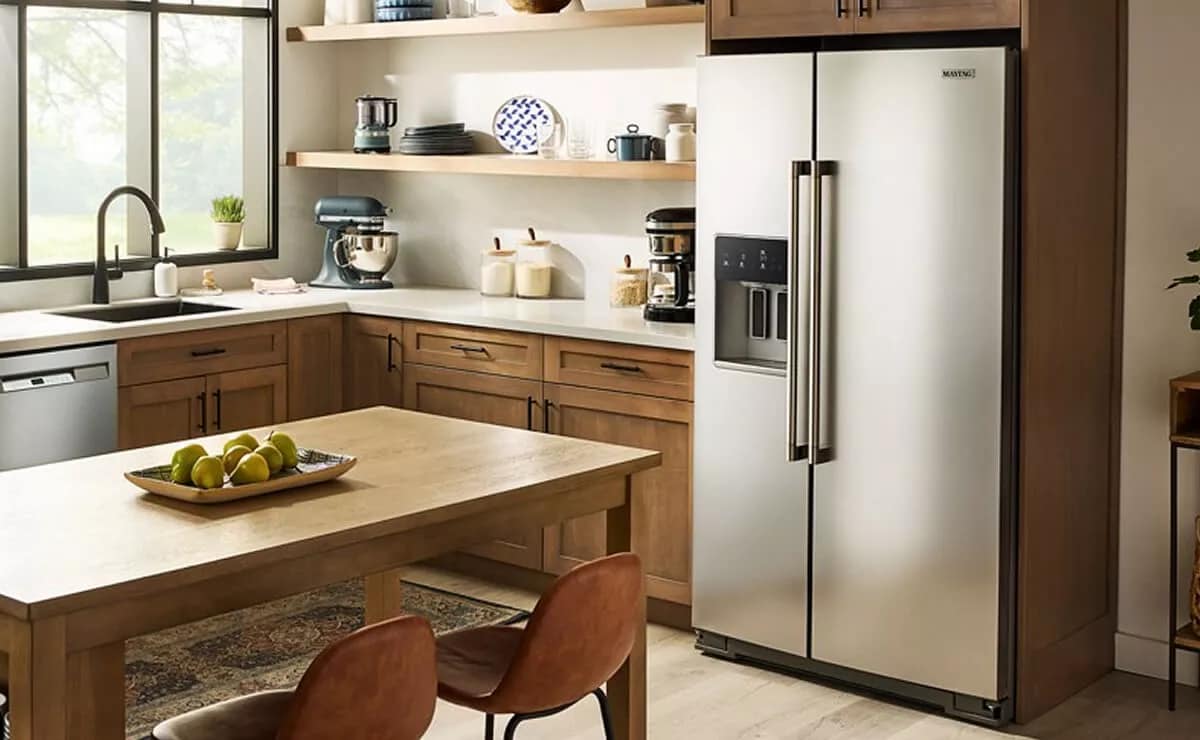
The internal space of refrigerators is measured in cubic feet. Most kitchen refrigerators range from 18 to 28 cubic feet of capacity. A family of four typically needs a fridge with at least 20 cubic feet, while singles or couples might find 18 cubic feet sufficient.
Capacity isn’t just about size; it’s about how you use the space. Adjustable shelves, door bins, and drawer layouts can make a smaller fridge work better for your lifestyle than a bigger one with poor organization.
Credit: www.maytag.com
Types Of Kitchen Refrigerators
Choosing the right kitchen refrigerator means understanding the different types available. Each style offers unique benefits and fits different kitchen layouts, lifestyles, and storage needs. Knowing these types helps you pick a fridge that matches your daily routine and space perfectly.
Top Freezer Models
Top freezer refrigerators are classic and budget-friendly. They have the freezer compartment above the fresh food section, making them easy to use for many households. If you want a straightforward fridge with a simple design and reliable performance, this model is a solid choice.
Bottom Freezer Models
Bottom freezer refrigerators place the freezer below the fresh food area. This design lets you access fresh items at eye level, which can make daily meal prep easier. Think about how often you use frozen foods—if less frequently, this style might suit your habits well.
Side-by-side Models
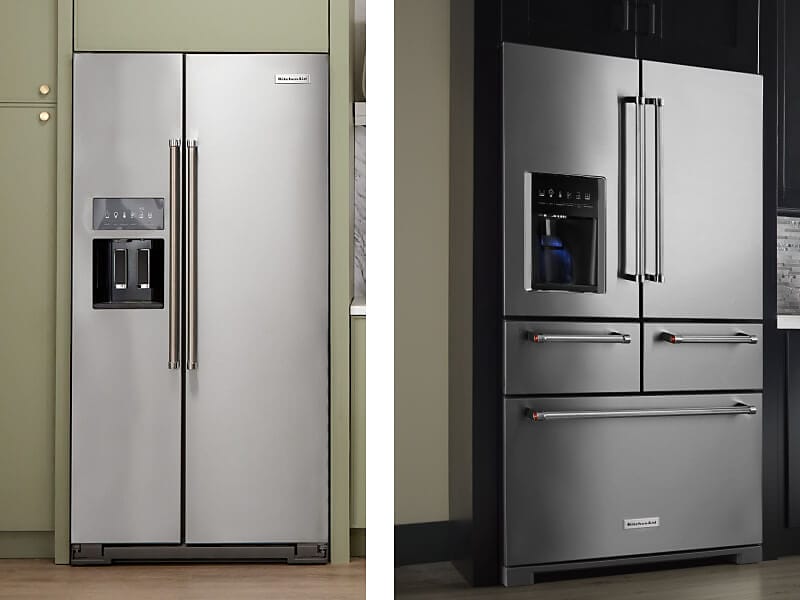
Side-by-side refrigerators split the fridge and freezer vertically, giving you narrow but tall compartments. They fit well in kitchens with limited width but ample height. These models often include features like water and ice dispensers, adding convenience but sometimes limiting shelf space.
French Door Models
French door refrigerators combine the best of side-by-side and bottom freezer styles. The double doors open to a wide fresh food section, with the freezer drawer underneath. This style offers excellent organization and is great if you entertain often or need large storage capacity.
Compact Refrigerators
Compact refrigerators are perfect if you’re short on space or need a secondary fridge. They fit easily in small kitchens, dorm rooms, or offices. While smaller, they still provide essential cooling and come in various designs to fit your needs.
Factors Influencing Refrigerator Size
Kitchen size, family needs, and storage habits all affect refrigerator size. Typical kitchen refrigerators usually range from 18 to 26 cubic feet. Choosing the right size helps save space and keeps food fresh longer.
Factors influencing the size of a kitchen refrigerator are crucial for many households. Choosing the right size involves understanding specific needs and constraints. Below, we explore key factors that affect refrigerator size selection.
Household Size And Usage
The number of people in a home impacts refrigerator size. Larger families need more storage space. Frequent cooking also demands a bigger fridge. Smaller households might prefer compact models. These are more efficient for limited needs.
Kitchen Space Constraints
Kitchen size significantly affects refrigerator choice. Small kitchens often limit available space. Measure the area before selecting a fridge. Ensure there is room for door clearance. Consider the layout to avoid cramping the space.
Energy Efficiency Considerations
Energy efficiency plays a role in choosing refrigerator size. Larger units often consume more power. Energy-efficient models save on utility bills. Look for models with high energy ratings. This ensures cost savings over time.
Credit: www.kitchenaid.com
Choosing The Right Refrigerator Size
Choosing the right refrigerator size is essential for making your kitchen functional and efficient. A fridge that's too big can waste space and energy, while one that's too small might leave you scrambling for storage. Understanding how to measure your space, estimate your food needs, and find the right balance between size and features will help you pick the perfect fridge for your home.
Measuring Your Kitchen Space
Start by measuring the height, width, and depth of the area where you plan to place your refrigerator. Don’t forget to leave extra space for door clearance and ventilation, usually a few inches on each side. You want to avoid buying a fridge that fits the space exactly but can’t open properly or block walkways.
Think about how your kitchen layout affects the fridge placement. Is it near a wall, cabinet, or an island? These details can limit your options. Taking precise measurements saves you from costly returns or awkward setups.
Estimating Food Storage Needs
Consider how many people live in your home and how often you cook or shop for groceries. A single person or couple might need a fridge with 10 to 15 cubic feet of space, while a family of four or more often requires 20 cubic feet or more.
Think about your shopping habits too. Do you buy fresh produce weekly or stock up on frozen meals? Your fridge should accommodate the type and amount of food you regularly store. Asking yourself these questions helps avoid constant trips to the grocery store or frustrating lack of space.
Balancing Size And Features
More space isn’t always better if the fridge lacks the features you need. Look for adjustable shelves, humidity-controlled drawers, and door bins that can fit your typical groceries. These features can make even a medium-sized fridge work efficiently.
Energy efficiency is another factor. Larger fridges usually consume more power, so consider models with Energy Star ratings. Would you prefer a compact fridge packed with smart features or a larger, basic model? Finding the right balance depends on your priorities and lifestyle.
Installation And Clearance Tips
Installing a kitchen refrigerator requires careful planning for space and airflow. Proper clearance ensures the fridge works efficiently and lasts longer. It also helps avoid damage to walls, doors, and the appliance itself.
Consider these key points during installation to maintain good functionality and ease of use.
Allowing Proper Ventilation
Refrigerators need space around them to release heat. Without good airflow, the fridge can overheat and use more energy. Leave at least 1 to 2 inches of space on each side and the back. Top clearance should be around 1 inch or more. This space helps the compressor run smoothly.
Door Swing Space
Doors need room to open fully for easy access. Measure the width of the door plus extra space to avoid hitting walls or cabinets. A minimum of 2 to 3 inches clearance on the hinge side is ideal. Check if the door can open wide enough to remove shelves or drawers.
Accessibility And Placement
Place the refrigerator where it is easy to reach and use daily. Avoid spots too close to heat sources like ovens or direct sunlight. Keep the fridge near the kitchen work area but not blocking walkways. This helps with smooth kitchen flow and daily convenience.
Trends In Refrigerator Sizes
The size of kitchen refrigerators has evolved significantly over the years, reflecting changing lifestyles and kitchen designs. You might notice that your neighbor’s fridge looks quite different from the one you had a decade ago. Understanding these trends can help you choose a refrigerator that fits your space and lifestyle perfectly.
Growing Popularity Of Larger Models
More families are opting for larger refrigerators with capacities exceeding 25 cubic feet. These models offer extra storage, which is great if you buy groceries in bulk or enjoy meal prepping. Have you ever found yourself juggling too many bags of groceries because your fridge just wasn’t big enough? Larger fridges solve that problem by providing more organized space.
Additionally, larger models often come with advanced features like multiple temperature zones and spacious freezer sections. This size trend suits open-concept kitchens where the fridge becomes a centerpiece, not just an appliance.
Compact Solutions For Small Kitchens
Not everyone has the luxury of a large kitchen. For apartments or tiny homes, compact refrigerators under 18 cubic feet remain popular. These fridges maximize space without sacrificing essential storage.
Think about your own kitchen—could a slim, tall fridge fit better than a wide one? Many compact models now include features like adjustable shelves and door bins that help you organize efficiently. This trend highlights how design adapts to space constraints without compromising convenience.
Smart And Modular Designs
Technology and customization are shaping new refrigerator designs. Smart fridges with touchscreens and Wi-Fi connectivity allow you to check contents remotely or create shopping lists. Imagine standing at the store and knowing exactly what’s in your fridge—this is no longer a futuristic idea.
Modular refrigerators let you add or remove sections based on your needs. This flexibility is perfect if your household size or storage requirements change over time. Have you thought about how a modular fridge could grow with your family or lifestyle?
Frequently Asked Questions
What Is The Standard Size Of A Kitchen Refrigerator?
The standard kitchen refrigerator size ranges from 30 to 36 inches wide. Height typically varies between 67 and 70 inches. Depth is usually 29 to 35 inches, making it suitable for most kitchens. These dimensions fit standard kitchen layouts and cabinetry.
How Much Space Is Needed For A Fridge Installation?
You need at least 2 inches of clearance on all sides for ventilation. This space prevents overheating and ensures efficient operation. Leave extra room for door swing and easy access. Proper spacing prolongs fridge lifespan and maintains performance.
What Size Refrigerator Fits A Small Kitchen Best?
A compact fridge around 24 to 28 inches wide suits small kitchens well. These models save space while offering adequate storage. They fit under counters or in tight corners, optimizing kitchen layout. Compact fridges are ideal for apartments and studios.
How Does Fridge Size Affect Energy Consumption?
Larger refrigerators generally consume more energy due to increased cooling needs. However, modern energy-efficient models offset this with better insulation and technology. Choosing the right size reduces waste and saves electricity. Always check the Energy Star rating before purchase.
Conclusion
Choosing the right refrigerator size makes kitchen life easier. Most kitchens fit a standard fridge between 30 to 36 inches wide. Depth and height also matter for space and style. Think about your family’s needs and kitchen layout. A fridge too big or small can cause problems.
Measuring your space first saves time and hassle. The right size keeps food fresh and your kitchen neat. Remember, a well-sized fridge fits your lifestyle and home perfectly.