
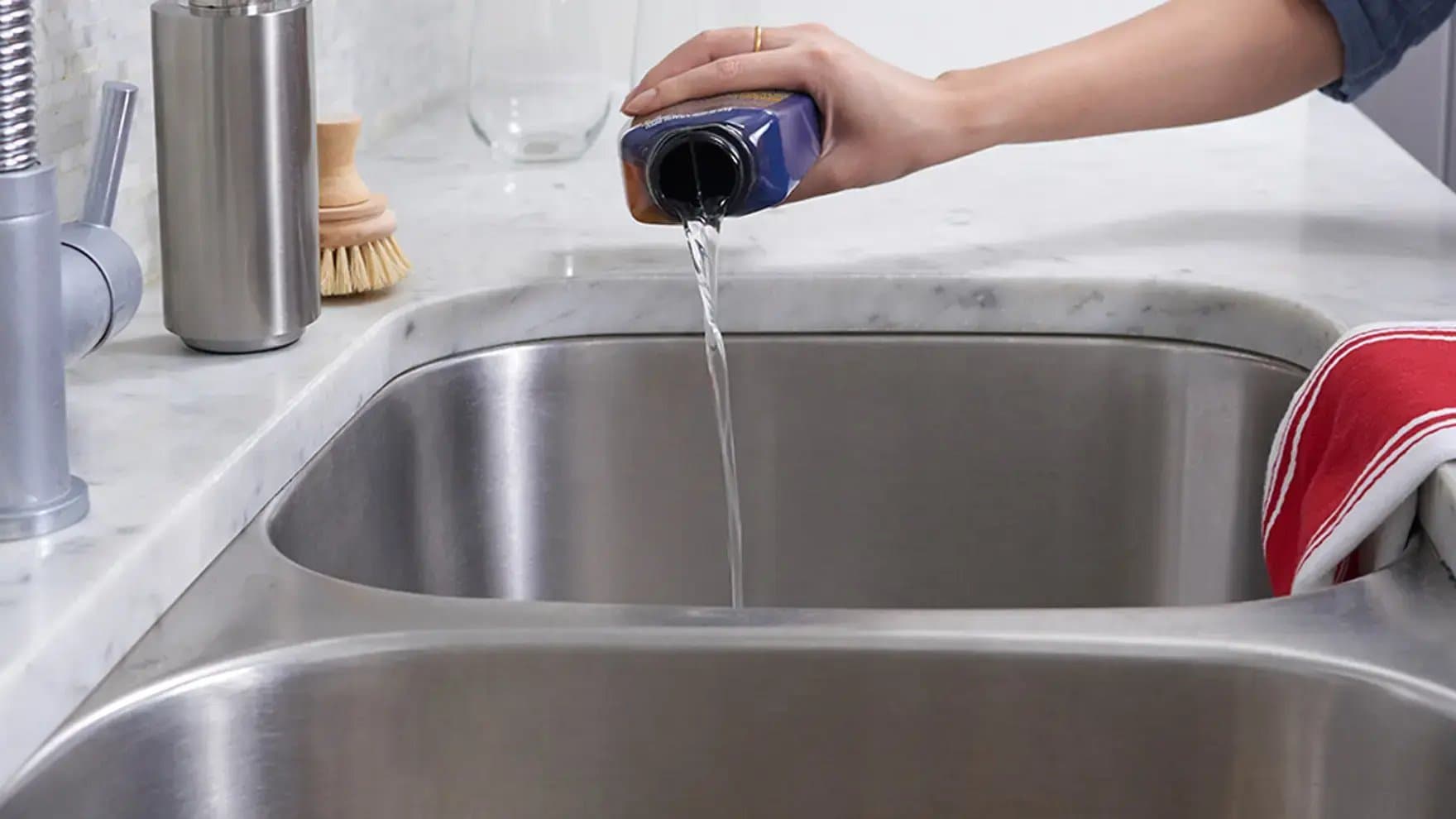
Is your kitchen sink clogged, and you don’t have a plunger handy? It can be frustrating when water won’t drain, and you’re left wondering what to do next.
But don’t worry—you can fix this yourself, quickly and easily. You’ll discover simple, effective ways to unclog your kitchen sink without reaching for a plunger. Keep reading, and you’ll learn how to get your sink flowing smoothly again, saving time, money, and hassle.
Credit: www.appliancecity.co.uk
Common Causes Of Kitchen Sink Clogs
Kitchen sink clogs happen for several common reasons. Knowing these causes helps you fix the problem faster. Most clogs result from everyday kitchen waste and buildup. Understanding the source can prevent future blockages.
Food Particles And Grease
Leftover food often gets stuck in pipes. Small bits can build up and block water flow. Grease from cooking oils hardens inside pipes. This creates thick layers that trap food and slow drainage.
Soap Scum And Debris
Soap mixes with minerals in water and forms scum. This sticky residue sticks to pipe walls. Over time, scum narrows the pipe space. Other debris like hair and dirt add to the blockage.
Foreign Objects
Non-food items accidentally dropped in the sink cause clogs. Small objects like bottle caps or utensils block pipes. These foreign objects stop water from draining properly. They need removal to clear the sink.
Safety Tips Before You Start
Before you dive into unclogging your kitchen sink without a plunger, prioritizing safety is crucial. Handling clogged drains often involves working with dirty water and sometimes harsh materials. Taking simple precautions can protect you from infections, injuries, and unwanted messes.
Protective Gear To Wear
Start by wearing gloves to shield your hands from bacteria and sharp debris. Thick rubber gloves work best—they keep your skin safe and dry.
Consider putting on safety goggles. Splashing water or cleaning agents can irritate your eyes unexpectedly. Have a mask handy if you’re using strong chemical cleaners to avoid inhaling fumes.
Think about your clothing too. Wear old clothes or an apron since unclogging can get messy quickly. Would you want to ruin your favorite shirt over a simple drain issue?
Tools And Materials Needed
Gather the right tools before you start. Having everything ready saves time and prevents you from rushing into unsafe practices.
- Baking soda and vinegar:Natural cleaners that help break down minor clogs safely.
- Bucket:To catch any water or debris when you open pipes under the sink.
- Pipe wrench or adjustable pliers:Useful for loosening the drain trap without damaging pipes.
- Drain snake or wire coat hanger:For manually removing stubborn blockages.
- Old towels or rags:To clean up spills and keep the workspace tidy.
Do you have these tools on hand? Preparing your workspace thoughtfully keeps you focused and safe during the unclogging process.
Using Boiling Water
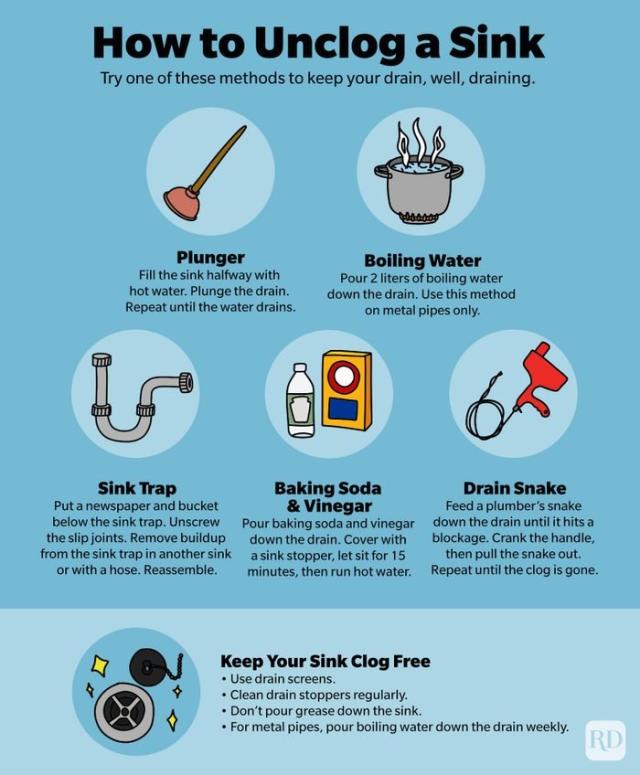
Using boiling water is one of the simplest and most effective ways to clear a clogged kitchen sink without reaching for a plunger. It’s a quick fix that relies on heat to dissolve and loosen the grease, soap, and food particles blocking your drain.
Before you try this, make sure your sink is draining very slowly or not at all. Boiling water works best on grease-based clogs, so if your blockage is caused by something else, you might need a different approach.
How Boiling Water Breaks Up Clogs
Boiling water melts the grease and oils that often stick to the inside of your drain pipes. This softens the blockage, making it easier for the clog to break apart and flow down the drain.
Heat also helps to dissolve soap scum and food debris that accumulate over time. Unlike cold water, which can harden fats and worsen the clog, boiling water works to flush them away.
Have you ever noticed how a hot shower can clear steam fog from your mirror? The heat works similarly here, breaking down buildup that cold water just can’t handle.
Step-by-step Guide
- Boil about 4-6 cups of water in a kettle or pot.
- Carefully pour the boiling water directly into the drain in two to three stages, allowing it to work for a few seconds between each pour.
- Wait for 5-10 minutes to let the heat break down the clog.
- Run hot tap water to check if the clog has cleared and the sink drains properly.
- If the water drains slowly, repeat the process once or twice more.
Be cautious when handling boiling water to avoid burns. If your sink has a garbage disposal, turn it off before pouring the water to prevent damage.
Does the clog resist even after several attempts? This might mean the blockage is too stubborn for boiling water alone. In that case, combining this method with other natural solutions could help.
Baking Soda And Vinegar Method
The baking soda and vinegar method is a natural way to clear a clogged kitchen sink. It uses simple household items to break down blockages without harsh chemicals. This method is eco-friendly and safe for your pipes. It helps remove grease, food particles, and other debris causing the clog.
Chemical Reaction Benefits
Baking soda is a mild base, and vinegar is a weak acid. When combined, they create a fizzy chemical reaction. This fizzing helps loosen stuck debris inside the drain. The bubbles can reach deep into pipes, breaking up clogs. This reaction also helps neutralize odors in the sink. It is gentle on pipes and does not cause damage over time. Using this method avoids harsh chemicals that can harm the environment.
Application Process
- Pour about half a cup of baking soda directly into the drain.
- Slowly pour one cup of vinegar into the drain over the baking soda.
- Cover the drain with a plug or cloth to keep the reaction inside.
- Wait 15 to 30 minutes for the fizzing to work on the clog.
- Flush the drain with hot water to clear loosened debris.
- Repeat the process if the clog remains or drains slowly.
Manual Removal Techniques
Sometimes, unclogging your kitchen sink doesn’t require fancy tools or harsh chemicals. Manual removal techniques can be surprisingly effective and put you back in control of the situation quickly. These approaches let you target the clog directly, giving you a hands-on way to clear blockages without a plunger.
Using A Wire Hanger
A simple wire hanger can become your best friend when dealing with a stubborn clog. Straighten the hanger out and create a small hook at one end to catch debris lodged inside the drain.
Slowly insert the hooked end into your drain and gently work it around to snag hair, food particles, or grease buildup. You might be surprised by how much gunk you can pull out with just this basic tool. Have you ever noticed how often kitchen clogs hide right near the surface?
Make sure to dispose of the debris properly and flush the drain with hot water afterward to clear any remaining residue.
Removing The Sink Trap
The sink trap, or P-trap, often collects debris that causes clogs. Removing it gives you direct access to the blockage and a chance to clean it out thoroughly.
Before you start, place a bucket underneath to catch any water or debris that might spill. Use adjustable pliers or your hands to unscrew the slip nuts holding the trap in place.
Once removed, inspect the trap for buildup. Cleaning it out can instantly restore your drain’s flow. Have you ever seen the surprise lurking in your trap after a few months of use?
After cleaning, reattach the trap securely to avoid leaks. Test your sink by running water to ensure the clog is gone.
Credit: www.aol.com
Applying Dish Soap And Hot Water
Dish soap helps break down grease and grime clogging the sink drain. Pour hot water afterward to flush away loosened debris and clear the blockage. This simple mix can quickly free a slow or clogged kitchen sink without harsh tools.
Unclogging a kitchen sink without a plunger can be a real challenge, but there's a surprisingly simple solution involving dish soap and hot water. Imagine you're preparing dinner and suddenly, the water starts to pool in the sink. Panic might set in, but with a little dish soap and some hot water, you can tackle this common household issue. It’s quick, cost-effective, and often surprisingly effective. Let’s dive into the details.
Lubricating The Pipes
Start by pouring a generous amount of dish soap directly into the clogged drain. The slipperiness of the soap helps to lubricate the pipes, allowing blockages to slide through more easily. It’s amazing how a product you use every day can double as a handy plumbing tool. Follow the dish soap with hot water. Heat some water in a kettle or on the stove until it's near boiling. Slowly pour it down the drain to help dissolve and push the blockage through. The combination of heat and lubrication can often clear up clogs without the need for a plunger.
Best Practices
Use dish soap that’s designed to cut through grease, as this will be most effective for kitchen sinks where food residue is often the culprit. Be cautious when pouring hot water. Pour slowly to avoid splashback, which can cause burns. Repeat the process if necessary. Sometimes stubborn clogs require a couple of attempts. Consider using this method as regular maintenance. Periodically using dish soap and hot water can prevent clogs from forming in the first place. Have you ever tried this method? You might find it surprisingly effective and a great addition to your home maintenance routine.
Using A Wet/dry Vacuum
A wet/dry vacuum can clear a kitchen sink clog without a plunger. It uses strong suction to pull out the blockage. This tool works well on both wet and dry debris in the drain. Using it correctly helps avoid damage and speeds up the unclogging process.
Vacuum Setup Tips
- Check the vacuum filter is clean and dry before use.
- Attach the narrow nozzle for better suction in tight spaces.
- Seal the vacuum hose around the drain opening with a wet cloth or duct tape.
- Set the vacuum to the liquid mode if available to handle water.
- Keep the vacuum hose straight to prevent kinks and loss of suction.
Effective Suction Methods
- Turn on the vacuum and let it run for a few seconds to build suction.
- Place the nozzle firmly over the drain opening to create a tight seal.
- Use slow, steady movements to avoid breaking the seal while suctioning.
- Pull the nozzle away gently to check if debris has been removed.
- Repeat the process several times if the clog does not clear immediately.
Preventing Future Clogs
Preventing future clogs in your kitchen sink saves time and stress. Small actions each day keep the pipes clear and working well. Focus on habits that stop blockages before they start. Simple care can make a big difference.
Regular Maintenance Habits
Clean your sink drain regularly to avoid buildup. Pour hot water down the drain once a week. This helps dissolve grease and soap residue. Use a mixture of baking soda and vinegar for a natural clean. Let it sit for 10 minutes, then rinse with hot water.
Check the drain stopper and remove trapped debris. Avoid letting food scraps sit in the sink for too long. Wipe the sink surface daily to prevent grime from reaching the drain. Keep a small brush handy to clean the drain opening.
Proper Waste Disposal
Never pour grease or oil down the sink. These substances harden and cause blockages. Instead, collect grease in a container and throw it in the trash. Avoid putting fibrous foods like celery or onion skins in the drain. They can wrap around the blades and clog the pipes.
Use a sink strainer to catch food particles. Empty the strainer into the trash after each use. Avoid overloading the garbage disposal with large amounts of food. Feed scraps slowly to prevent jams. Treat the disposal with cold water to solidify fats before grinding.

Credit: www.yahoo.com
Frequently Asked Questions
How Can Baking Soda Unclog A Kitchen Sink?
Baking soda combined with vinegar creates a fizz that breaks down clogs. Pour half a cup of baking soda into the drain, then add half a cup of vinegar. Wait 15 minutes, then flush with hot water to clear the blockage effectively.
What Household Items Unclog A Kitchen Sink?
Common items like baking soda, vinegar, and boiling water can clear minor clogs. These natural solutions dissolve grease and debris without harsh chemicals, making them safe and eco-friendly for regular kitchen sink maintenance.
Can A Wire Hanger Unclog A Sink Drain?
Yes, a straightened wire hanger can reach and pull out clogs. Carefully insert the hanger into the drain, twist, and pull debris out. Avoid pushing the clog deeper to prevent worsening the blockage.
How Does Hot Water Help Unclog Kitchen Sinks?
Hot water melts grease and softens debris stuck in the pipes. Pouring boiling water slowly down the drain can flush away minor blockages, especially when combined with dish soap or baking soda for better results.
Conclusion
Clogged sinks can cause big problems in your kitchen. Using simple tools and home ingredients can fix most blockages. Try these easy steps before calling a plumber. They save time and money. Remember to stay patient and work carefully. Clean your sink regularly to avoid future clogs.
Small efforts keep your kitchen running smoothly. You can handle this task without special skills. Keep these tips handy for any sink trouble. Simple solutions often work best.