
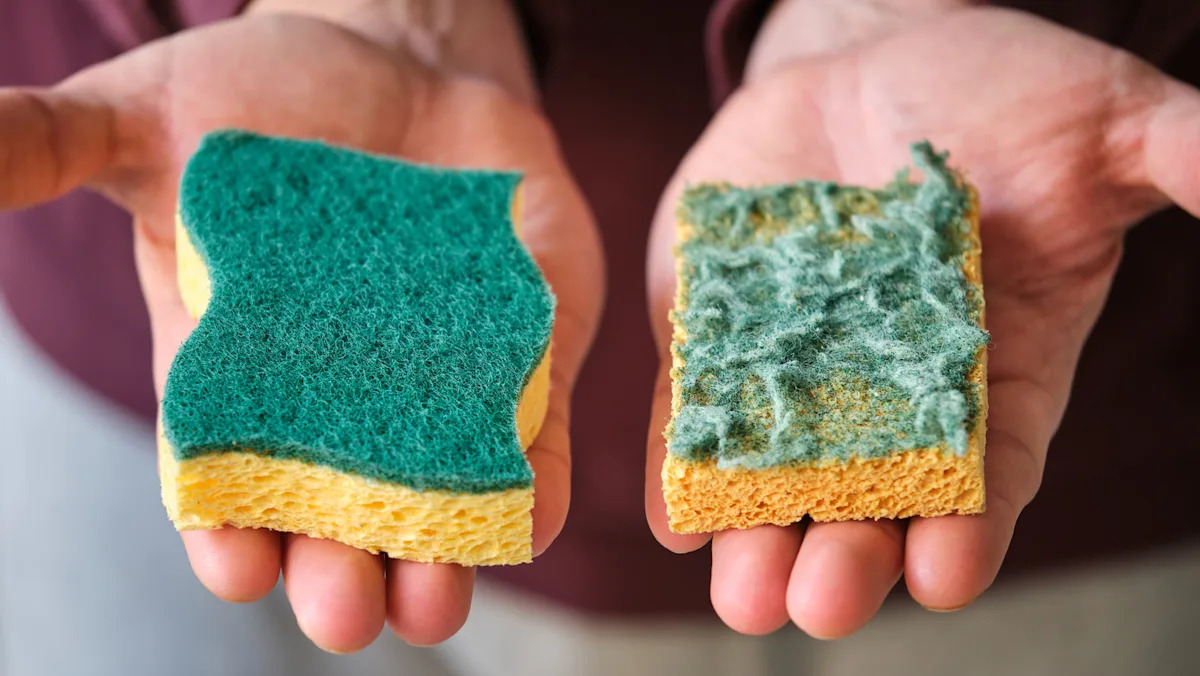
Have you ever stopped to think about what’s lurking on your kitchen sponge? You use it every day to clean your dishes, counters, and sometimes even fruits and veggies.
But is your sponge actually helping keep your kitchen clean, or is it silently spreading germs instead? Understanding how sanitary your kitchen sponge really is can change the way you handle your daily cleaning routine—and protect your health. Keep reading to discover surprising facts about kitchen sponges and simple steps you can take to make sure yours is safe to use.
Kitchen Sponge Hygiene
Keeping your kitchen sponge clean is more important than you might think. Many people use sponges daily without considering how much bacteria can build up on them. Understanding sponge hygiene helps you decide when to clean or replace them, keeping your kitchen safer.
Common Uses Of Kitchen Sponges
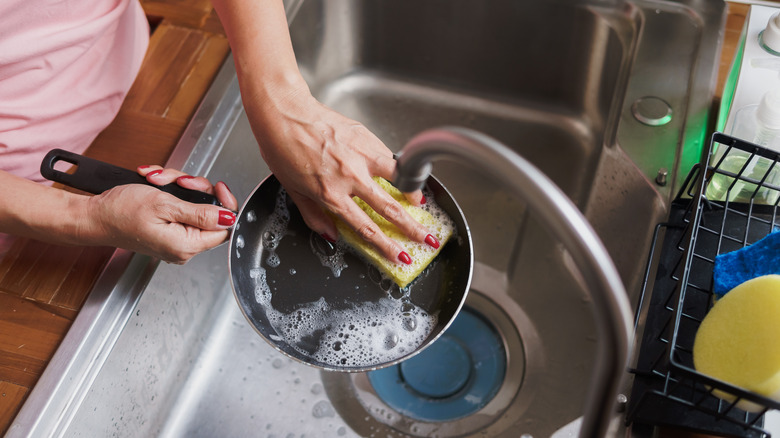
Kitchen sponges do more than just wash dishes. You probably use yours to wipe countertops, clean spills, and even scrub fruits and vegetables. These tasks expose the sponge to various food residues and moisture, creating a perfect environment for germs to grow.
Have you noticed how quickly a sponge starts to smell? That’s a sign it’s full of bacteria. Using one sponge for multiple tasks can spread germs around your kitchen instead of cleaning them up.
Why Sponges Attract Germs
Sponges are naturally porous and hold moisture, which makes them breeding grounds for bacteria and mold. Every time you use your sponge, tiny bits of food get trapped inside, feeding the germs. Warm, wet conditions speed up this process.
Think about how often you leave your sponge wet in the sink or on the counter. This constant dampness allows bacteria to multiply quickly. If you don’t sanitize your sponge regularly, it can become one of the dirtiest items in your kitchen.
What if you treated your sponge like a cutting board or knife—items you clean thoroughly and replace often? Changing how you care for your sponge can make a big difference in kitchen hygiene.

Credit: food52.com
Bacteria And Germs In Sponges
Kitchen sponges are a common tool for cleaning dishes and surfaces. Their moist and porous nature makes them perfect homes for bacteria and germs. These microorganisms thrive in damp, food-soiled environments. Understanding the types of bacteria in sponges helps highlight potential health dangers. Regularly changing or sanitizing sponges is essential to keep kitchens safe.
Types Of Bacteria Found
Sponges often contain various harmful bacteria. Common types include:
- E. coli:Found in fecal matter, can cause stomach illness.
- Salmonella:Linked to food poisoning and fever.
- Staphylococcus aureus:Can cause skin infections and food poisoning.
- Pseudomonas aeruginosa:Causes infections, especially in wounds.
- Enterobacter:May lead to respiratory and urinary infections.
These bacteria grow quickly in sponges left wet and dirty.
Health Risks From Contaminated Sponges
Using dirty sponges can spread harmful bacteria to food and surfaces. This contamination can lead to:
- Foodborne illnesses causing vomiting and diarrhea.
- Skin infections from contact with bacteria.
- Cross-contamination, making other kitchen items unsafe.
- Respiratory infections in vulnerable people.
Children, elderly, and immune-compromised individuals face higher risks. Keeping sponges clean helps reduce these health dangers.
Cleaning And Sanitizing Sponges
Kitchen sponges are essential for cleaning dishes and surfaces. But they can harbor germs if not sanitized properly. Regular cleaning and sanitizing of sponges are crucial for a healthy kitchen. Let's explore effective ways to keep your sponges clean.
Effective Cleaning Methods
Rinse sponges under hot water after each use. Squeeze out excess moisture to prevent bacteria growth. You can also clean sponges in the dishwasher. Place them on the top rack during a hot wash cycle. This method helps remove food particles and germs.
Microwaving And Boiling Techniques
Microwaving sponges can kill bacteria quickly. Dampen the sponge and place it in the microwave. Heat it on high for one minute. Ensure the sponge is wet to avoid fire hazards. Boiling is another effective method. Submerge the sponge in boiling water for five minutes. Both methods sanitize effectively and extend sponge life.
Using Disinfectants Safely
Disinfectants can sanitize sponges but must be used carefully. Soak sponges in a bleach solution for five minutes. Use one tablespoon of bleach per gallon of water. Rinse thoroughly before use to avoid chemical residue. Vinegar is a natural alternative. Soak sponges in undiluted white vinegar for five minutes. Always rinse sponges well after disinfecting.
Credit: www.foodrepublic.com
Alternatives To Traditional Sponges
Traditional kitchen sponges can harbor bacteria and wear out quickly, making it smart to consider other options. Alternatives not only offer better hygiene but often last longer and clean more effectively. Let’s look at some options you might find useful for a cleaner, safer kitchen.
Silicone Scrubbers
Silicone scrubbers are a popular choice because they resist bacteria buildup. Their non-porous surface dries quickly, which means fewer germs linger after use. Plus, they’re easy to clean—just toss them in the dishwasher or boil them for a quick sterilization.
They work well on stubborn stains and don’t scratch delicate cookware. Have you ever tried a silicone scrubber and noticed how it lasts much longer than a sponge? This durability can save you money and reduce waste.
Dishcloths And Brushes
Dishcloths are versatile and can be washed and reused multiple times. Cotton or microfiber cloths clean surfaces without scratching and dry faster than sponges. Make sure to wash them regularly in hot water to keep them fresh.
Brushes with stiff bristles are another alternative. They’re great for scrubbing pots and pans and allow you to keep your hands drier. Brushes also dry quickly, reducing the chance for bacteria growth.
Eco-friendly Options
If you want to reduce your environmental impact, consider natural scrubbers made from materials like coconut fiber or loofah. These biodegradable options break down naturally, unlike synthetic sponges.
They may not last as long as silicone but are compostable and free from harmful chemicals. Could switching to eco-friendly scrubbers be a step towards a greener kitchen for you?
Best Practices For Sponge Use
Using kitchen sponges safely helps keep your kitchen clean and healthy. Following simple best practices reduces germs and stops bad smells. These easy steps ensure your sponge stays fresh and useful longer.
Replacing Sponges Regularly
Sponges collect bacteria quickly. Change your sponge every one to two weeks. If it smells bad or looks worn, replace it immediately. Using a fresh sponge lowers the risk of spreading germs.
Proper Storage Tips
Keep sponges dry between uses. Store them in a well-ventilated area. Avoid leaving sponges in the sink or on wet surfaces. A dry sponge slows down bacterial growth and lasts longer.
Avoiding Cross-contamination
Use different sponges for dishes and cleaning surfaces. Do not use the same sponge for raw meat juices and other tasks. Rinse sponges thoroughly after each use. These habits prevent harmful bacteria from spreading in your kitchen.

Credit: www.yahoo.com
Frequently Asked Questions
Are Kitchen Sponges A Breeding Ground For Bacteria?
Yes, kitchen sponges can harbor millions of bacteria due to constant moisture and food residue. Regular cleaning is essential to minimize contamination and maintain hygiene.
How Often Should I Replace My Kitchen Sponge?
Replace your kitchen sponge every one to two weeks. Frequent replacement prevents bacteria buildup and reduces the risk of cross-contamination in your kitchen.
Can I Sanitize Kitchen Sponges Effectively At Home?
Yes, you can sanitize sponges using microwave, boiling water, or dishwasher cycles. These methods kill most bacteria and extend the sponge’s usability safely.
Is It Safe To Use Kitchen Sponges For Cleaning All Surfaces?
Avoid using the same sponge on raw meat surfaces and other areas. Use separate sponges for different tasks to prevent cross-contamination and maintain cleanliness.
Conclusion
Kitchen sponges can carry many germs if not cleaned often. Regularly washing or replacing sponges helps keep kitchens safe. Using hot water or microwaving can reduce bacteria levels. Keeping sponges dry between uses also stops germ growth. Clean sponges mean cleaner dishes and a healthier home.
Simple care makes a big difference for kitchen hygiene. Choose fresh sponges and clean them well to stay safe. Small habits protect your family from harmful bacteria. Clean sponges, clean kitchen, peace of mind.