
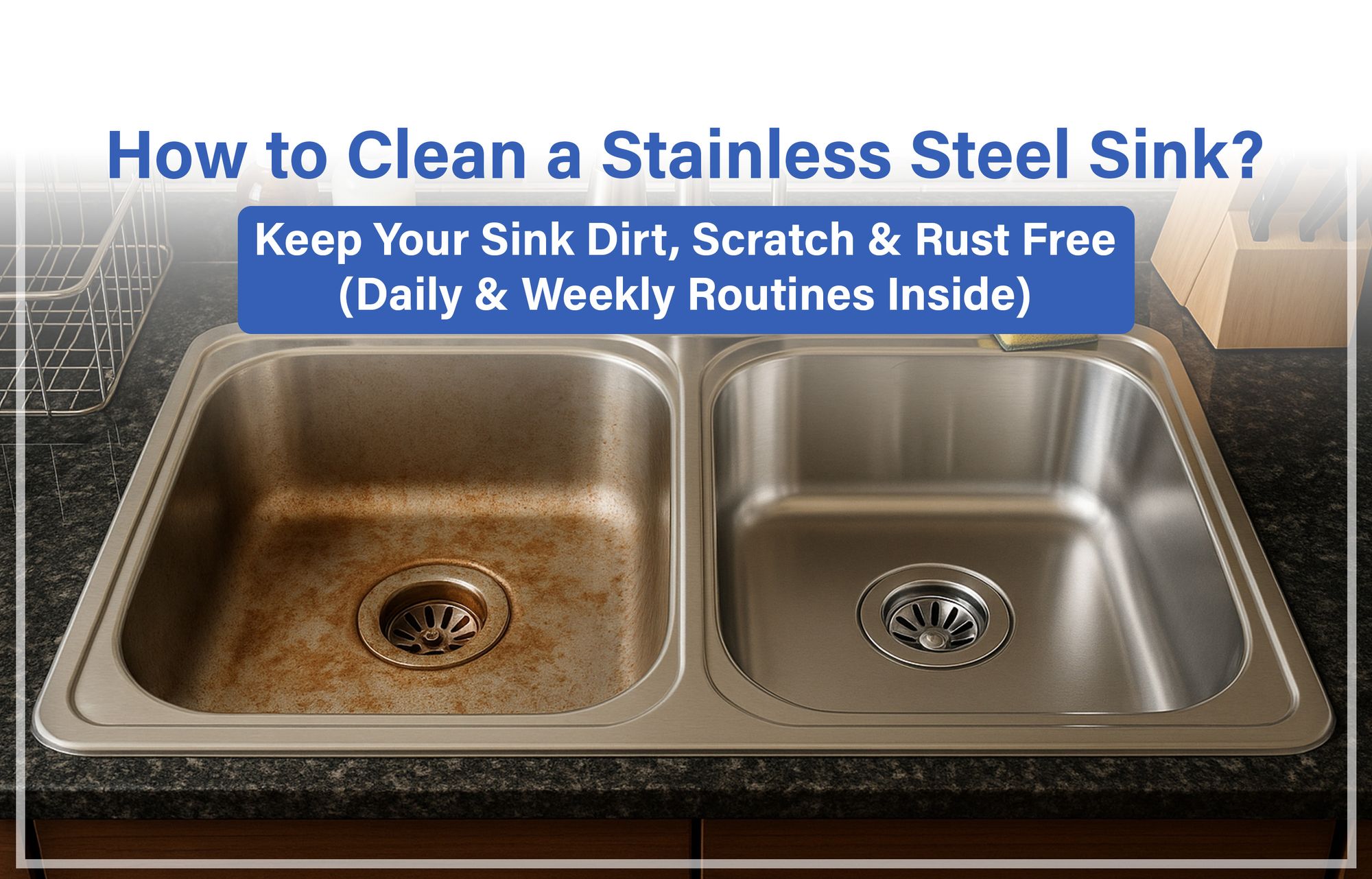
Your stainless steel kitchen sink is one of the busiest spots in your home. Over time, it can lose its shine, get stained, or develop water spots that make it look dull.
But what if you could bring back that sparkling, like-new finish with just a few simple steps? You’ll discover easy and effective ways to clean and polish your stainless steel sink. By following these tips, you’ll not only restore its beauty but also protect it from future damage.
Keep reading, and you’ll soon enjoy a sink that looks fresh and inviting every day.
Choosing The Right Cleaning Tools
Choosing the right cleaning tools is key to keeping your stainless steel sink shiny. The wrong tools can scratch or dull the surface. Gentle tools clean well without damage. Use tools that remove dirt but protect the finish.
Soft Cloths And Sponges
Soft cloths and sponges work best for daily cleaning. They lift dirt without scratching the steel. Microfiber cloths are ideal because they trap grease and water. Avoid rough or scratchy materials that harm the surface.
Non-abrasive Scrubbers
Non-abrasive scrubbers help remove tough stains. Choose scrubbers labeled safe for stainless steel. They clean deeply but do not scratch. These scrubbers are perfect for food residue and water marks.
Suitable Brushes
Brushes with soft bristles reach corners and edges. Use brushes made for delicate surfaces. They clear grime from hard-to-reach spots without damage. Avoid metal-bristle brushes that can leave marks.
Credit: www.dkhardware.com
Safe Cleaning Agents For Stainless Steel
Keeping your stainless steel kitchen sink clean and shiny doesn't have to involve harsh chemicals. Choosing safe cleaning agents protects the metal’s surface and keeps your kitchen environment healthy. Let’s look at some effective and gentle options you can easily find at home or in stores.
Mild Dish Soap Solutions
A simple mix of mild dish soap and warm water is often all you need for everyday cleaning. Use a soft cloth or sponge dipped in this solution to wipe down your sink. This method removes grease and light stains without scratching the surface.
Have you ever noticed how quickly your sink dulls after using abrasive cleaners? Mild soap solutions avoid that damage while still cutting through grime. Rinse thoroughly and dry with a microfiber cloth to prevent water spots.
Vinegar And Baking Soda Mix
Vinegar and baking soda create a natural, fizzing cleaner that tackles tougher stains and mineral deposits. Sprinkle baking soda over the sink, then spray or pour vinegar on top. Let it bubble for a few minutes before scrubbing gently with a soft brush.
This combination is excellent for removing hard water marks and restoring shine. It’s safe and inexpensive, plus it deodorizes your sink. Are you surprised how a kitchen staple like vinegar can do so much?
Commercial Stainless Steel Cleaners
If you prefer ready-made products, look for commercial stainless steel cleaners labeled as non-abrasive and safe for kitchen use. These cleaners are formulated to dissolve grime and polish without harming the finish.
Apply the cleaner with a soft cloth following the product instructions. Many also provide a protective layer that helps repel fingerprints and water spots. Have you tried one that left your sink gleaming? Share your experience to help others choose wisely.
Step-by-step Cleaning Process
Cleaning and polishing a stainless steel kitchen sink keeps it looking bright and new. A clear process makes this chore simple and fast. Follow these steps to remove dirt, wash thoroughly, and dry properly. The sink will shine and stay in good shape for years.
Removing Food Debris
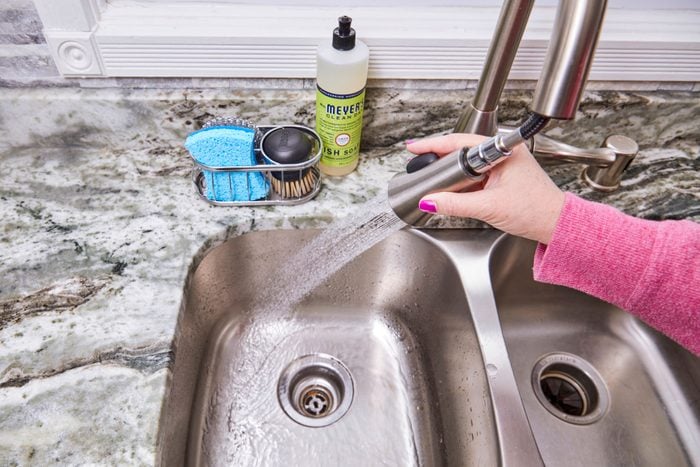
Start by clearing out any leftover food in the sink. Use a soft brush or sponge to sweep away crumbs and scraps. Avoid harsh tools that might scratch the surface. Rinse the sink with warm water to loosen stuck particles. This step prepares the sink for deeper cleaning.
Washing And Rinsing
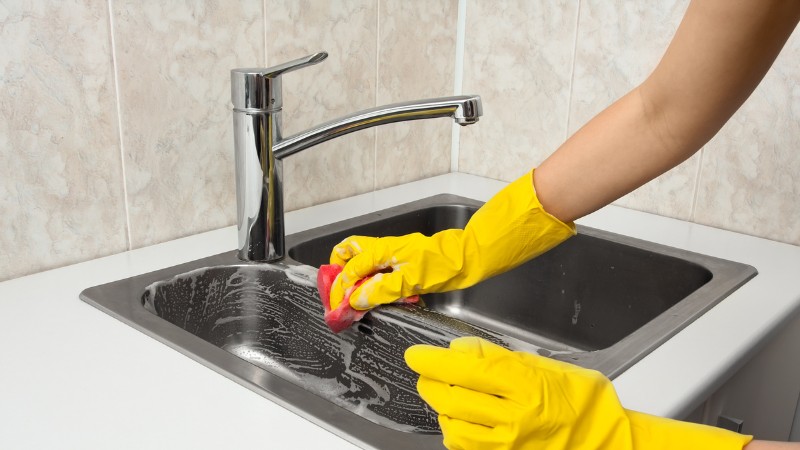
Apply a gentle dish soap or stainless steel cleaner to the sink. Use a soft cloth or sponge to scrub all areas, including corners and edges. Move in the direction of the steel grain to avoid marks. Rinse the sink thoroughly with warm water to remove soap and dirt. Check for spots missed and clean them again if needed.
Drying Techniques
Dry the sink immediately after rinsing to prevent water spots. Use a clean microfiber cloth or soft towel. Wipe in circular motions to polish the surface. For extra shine, buff the sink lightly once dry. This step keeps the steel smooth and reduces stains.
Credit: modern-maids.com
Effective Polishing Methods
Cleaning stainless steel sinks requires gentle scrubbing with mild soap and water. Polishing with a soft cloth and baking soda restores shine without scratches. Regular care prevents stains and keeps the sink looking new.
Cleaning a stainless steel kitchen sink is just the first step to achieving that gleaming finish we all love. To truly make your sink shine, you need effective polishing methods. These techniques not only enhance the look but also add a protective layer to your sink, keeping it resistant to fingerprints and water spots. Let’s explore some practical polishing methods to transform your sink from dull to dazzling.
Using Olive Oil Or Mineral Oil
A simple yet effective way to polish your stainless steel sink is by using olive oil or mineral oil. Grab a soft cloth and dab a few drops of the oil onto it. Gently rub the oil in circular motions across the surface of the sink. This method not only adds shine but also creates a protective layer against smudges. You might be surprised how well this works. It’s a quick fix that requires minimal effort and ingredients you probably already have at home. Plus, it's a natural option that avoids harsh chemicals.
Applying Specialized Polishes
For those who prefer a more specialized approach, there are polishes specifically designed for stainless steel. These products are formulated to restore shine and offer long-lasting protection. Simply follow the instructions on the product packaging for the best results. Consider testing a small, inconspicuous area first to ensure compatibility with your sink’s material. Specialized polishes are great for tackling stubborn water spots and scratches. They can make your sink look as good as new.
Buffing Tips For Shine
Buffing is a crucial step in achieving a brilliant shine. Use a clean, dry microfiber cloth for the best results. Buff the sink in the direction of the grain to avoid streaks and enhance the natural luster. Do you notice any spots that need extra attention? Focus on those areas with a bit more pressure as you buff. This extra effort will pay off with a mirror-like finish that you’ll be proud to show off. Remember, the key to a polished stainless steel sink is regular maintenance. By incorporating these methods into your cleaning routine, you’ll ensure your sink stays sparkling day in and day out.
Maintaining Your Sink's Shine
Maintaining your stainless steel kitchen sink's shine takes consistent care and smart habits. A clean, polished sink looks beautiful and lasts longer. It also keeps your kitchen hygienic. Small efforts every day help prevent dullness and damage.
Regular Cleaning Schedule
Clean your sink daily with warm water and mild soap. Rinse thoroughly to remove all soap residue. Dry the surface with a soft cloth to stop water spots. Weekly, use a gentle scrubbing pad for tougher stains. Regular cleaning stops grime from building up and dulling the shine.
Avoiding Harsh Chemicals
Steer clear of bleach, ammonia, and abrasive cleaners. These can scratch and damage the steel surface. Instead, use mild detergents or special stainless steel cleaners. Test any new product on a small area first. Protecting the finish helps keep the sink smooth and shiny.
Preventing Water Spots And Stains
Wipe your sink dry after each use to prevent spots. Use a microfiber cloth for the best results. For stubborn spots, apply a mixture of vinegar and water. Rinse well and dry immediately. A clean, dry sink resists stains and looks polished longer.
Common Mistakes To Avoid
Cleaning and polishing a stainless steel kitchen sink requires care and attention. Many people make simple mistakes that damage the surface or reduce its shine. Avoiding these errors helps keep your sink looking new longer. Below are some common mistakes to avoid for the best results.
Using Abrasive Tools
Scrubbing with steel wool or rough brushes can scratch the sink’s surface. These scratches dull the finish and create spots where dirt can stick. Use soft cloths or non-abrasive sponges instead. Gentle tools clean without harming the steel.
Ignoring Manufacturer Guidelines
Each sink may have specific cleaning instructions. Skipping these guidelines risks using wrong cleaners or methods. Harsh chemicals can cause discoloration or corrosion. Always check the manufacturer’s advice before starting.
Leaving Moisture On Surface
Water left on the sink can cause spots and mineral deposits. These marks make the sink look dirty even after cleaning. Wipe the sink dry with a soft cloth after every use. Keeping it dry helps maintain its shine and prevents stains.
Credit: www.rd.com
Frequently Asked Questions
How Do I Clean Stainless Steel Sink Effectively?
Use mild dish soap and warm water to clean daily. Avoid abrasive cleaners that can scratch the surface. Rinse thoroughly and dry with a soft cloth to prevent water spots and maintain shine.
What Household Items Polish Stainless Steel Sinks?
Baking soda, vinegar, and olive oil are great for polishing. Apply baking soda paste to scrub, rinse with vinegar, then buff with olive oil for a natural shine and stain removal.
Can I Use Bleach On Stainless Steel Sinks?
Avoid using bleach as it can damage the finish. Instead, use gentle cleaners like dish soap or baking soda for safe cleaning without corrosion or discoloration.
How Often Should I Polish My Stainless Steel Sink?
Polish your sink once a week to maintain its shine. Regular polishing prevents stains, water spots, and keeps the surface looking new and fresh for longer.
Conclusion
Cleaning and polishing your stainless steel sink keeps it shiny and new. Regular care prevents stains and scratches. Use gentle cleaners and soft cloths to protect the surface. A clean sink also helps keep your kitchen fresh and hygienic. Small efforts bring big results.
Take time weekly to wipe and polish. Enjoy a sparkling sink every day. Simple steps make a lasting difference. Your kitchen will look neat and inviting.