
Are you tired of throwing away kitchen scraps and watching them end up in the landfill? What if you could turn those leftovers into rich, healthy soil for your garden?
Composting your kitchen scraps is easier than you think, and it can save you money while helping the environment. You’ll discover simple steps to start composting right at home. Keep reading to learn how you can reduce waste, improve your garden, and make a positive impact—all by using things you usually toss away!
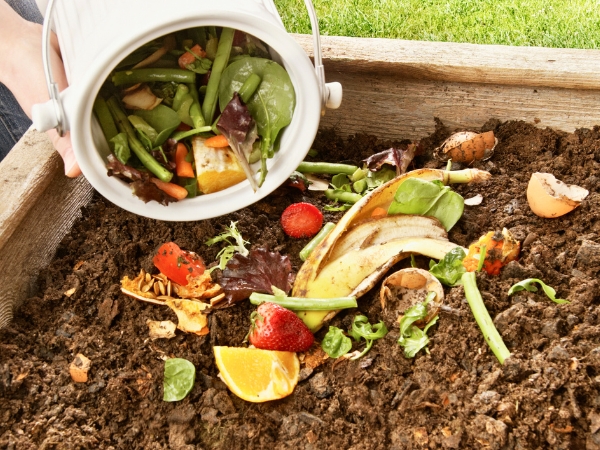
Credit: canadale.ca
Benefits Of Composting Kitchen Scraps
Composting kitchen scraps offers many benefits for your home and the environment. It turns waste into something useful and helps reduce problems caused by trash. Composting is a simple way to support nature and save resources.
Reducing Household Waste
Composting cuts down the amount of trash sent to landfills. Food scraps often make up a large part of household waste. By composting, less garbage goes to the dump. This helps reduce bad smells and pests around your home. It also lowers the need for trash pickups, saving money and energy.
Enriching Garden Soil
Compost adds valuable nutrients to your soil. It improves soil texture and water retention. Plants grow stronger and healthier with compost. It helps soil hold moisture, reducing the need for frequent watering. Using compost avoids chemical fertilizers, which can harm the environment.
Lowering Carbon Footprint
Composting reduces greenhouse gas emissions from landfills. When food waste breaks down in landfills, it releases methane gas. Methane is a powerful contributor to climate change. Composting kitchen scraps helps cut these harmful emissions. It supports cleaner air and a healthier planet for future generations.
Choosing The Right Composting Method
Choosing the right composting method is essential for turning your kitchen scraps into nutrient-rich soil effectively. Your living situation, space availability, and the types of scraps you generate will influence which method suits you best. Understanding the options helps you stay consistent and enjoy the benefits of composting without frustration.
Indoor Composting Options
If you live in an apartment or have limited outdoor space, indoor composting is a great choice. You can use small bins with charcoal filters to keep odors down and avoid attracting pests. Worm composting, also known as vermicomposting, works well indoors and can process vegetable peels, coffee grounds, and eggshells quickly.
Have you tried using a kitchen countertop composter? It’s convenient to toss scraps directly after cooking, saving trips outside. Just remember to turn or aerate your compost regularly to avoid bad smells.
Outdoor Composting Techniques
With access to a yard, outdoor composting gives you more flexibility and space to handle larger amounts of kitchen scraps. Open piles or simple compost heaps allow you to mix kitchen waste with yard debris like leaves and grass clippings. This balance is key to speeding up decomposition.
Consider how often you can turn your pile—this helps oxygen reach the microbes and prevents your compost from becoming slimy or smelly. Are you ready to dedicate a little time each week to maintain your outdoor compost?
Using Compost Bins And Tumblers
Compost bins and tumblers are designed to contain your scraps neatly and speed up the composting process. Bins are great for beginners and come in various sizes to fit your needs. Tumblers make turning your compost easy—just spin the container to mix the material.
Think about your patience level: tumblers often produce finished compost faster because of better aeration. If you want less mess and quicker results, a tumbler might be worth the investment. Plus, they keep critters out and reduce odors.
What Kitchen Scraps To Compost
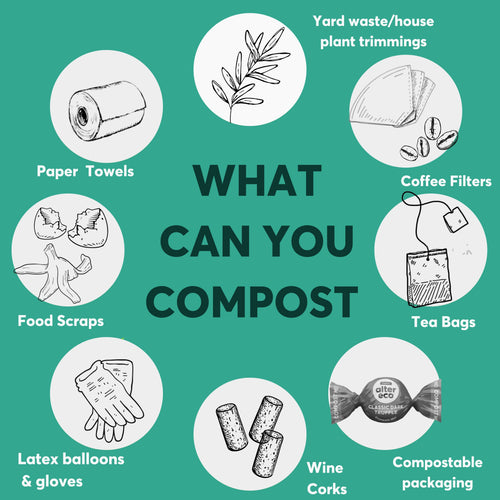
Vegetable peels, fruit scraps, coffee grounds, and eggshells make great kitchen scraps for composting. Avoid meat, dairy, and oily foods to keep compost healthy. Mixing green and brown scraps helps speed up decomposition.
Composting kitchen scraps is a great way to reduce waste. It enriches soil and helps the environment. Not all scraps are suitable for composting. Knowing which to use is essential.
Vegetable And Fruit Peels
Vegetable and fruit peels break down quickly in compost. They are rich in nutrients. You can include banana peels, apple cores, and carrot tops. Avoid citrus peels in large amounts. They can make the compost too acidic. Chop them into smaller pieces. This speeds up the composting process.
Coffee Grounds And Tea Bags
Coffee grounds add nitrogen to compost. They help create rich, dark soil. Spread them thinly to avoid clumping. Most tea bags are compostable. Check if they contain plastic. Remove any staples before composting. They improve soil structure and moisture retention.
Eggshells And Bread
Eggshells are a great source of calcium. They help in balancing compost pH. Crush them before adding. This helps them break down faster. Stale bread is also compostable. Avoid bread with butter or spreads. It can attract pests. Tear it into smaller pieces for quicker decomposition.
What Not To Compost
Composting kitchen scraps helps reduce waste and create rich soil. But not all scraps belong in the compost bin. Some items can cause problems like bad odors, pests, or slow decomposition. Knowing what not to compost keeps your pile healthy and effective.
Meat And Dairy Products
Meat and dairy scraps attract pests like rats and flies. They also produce strong odors as they break down. These items can create a slimy, smelly mess in your compost. Avoid adding meat, cheese, milk, and bones to your pile.
Oils And Fats
Oils and fats do not break down easily in compost. They can coat materials and slow the composting process. These items often cause bad smells and attract unwanted animals. Keep cooking oils, butter, and greasy leftovers out of your compost.
Diseased Plants And Weeds
Diseased plants can spread infections through your compost. Weeds may survive and spread when you use the compost in your garden. Avoid adding plants with mold, fungus, or pests. Also, do not compost invasive weeds with seeds or roots.
Preparing Kitchen Scraps For Composting
Preparing kitchen scraps properly helps speed up composting. Small, balanced pieces break down faster. Moisture must be right for good compost. Follow simple steps to prepare scraps well.
Chopping And Shredding Waste
Cut large scraps into small pieces. Chop vegetable peels, fruit cores, and eggshells. Shred tougher items like celery or corn stalks. Smaller pieces increase surface area. This lets microbes work faster. Avoid big chunks that take long to decompose.
Balancing Greens And Browns
Kitchen scraps are mostly "greens" rich in nitrogen. Add "browns" for carbon balance. Browns include dry leaves, paper, or cardboard. Mix two parts browns with one part greens. This mix helps compost smell good. It also stops it from being too wet or slimy.
Maintaining Moisture Levels
Keep compost moist like a wrung-out sponge. Too dry slows decomposition. Too wet causes bad odors. Spray water lightly if dry. Add dry browns if too wet. Check moisture regularly for best results.

Credit: www.youtube.com
Managing Your Compost Pile
Managing your compost pile is key to turning kitchen scraps into rich, fertile soil. It requires regular attention and care to keep the process moving smoothly. You’ll find that small efforts like turning the pile or checking its temperature make a big difference in the final result.
Turning And Aerating
Turning your compost pile introduces air, which helps the microbes break down materials faster. Use a garden fork or shovel to mix the pile every few days. This prevents it from becoming compacted and smelly.
Don't just stir the top; dig down into the middle layers to ensure even airflow. Have you noticed how a well-aerated pile heats up quickly compared to one left untouched? That heat signals active decomposition.
Monitoring Temperature
Temperature tells you how healthy your compost pile is. Ideal compost heats up to about 130-160°F (55-70°C) as microbes work hard. Use a compost thermometer to check the heat regularly.
If the temperature drops too low, it might mean your pile needs turning or more nitrogen-rich scraps like vegetable peels or coffee grounds. On the other hand, if it gets too hot, above 170°F (77°C), turn the pile to cool it down and avoid killing helpful organisms.
Troubleshooting Common Issues
Is your compost pile smelling bad or staying wet? These are signs it needs adjustments. A foul smell usually means too much moisture or not enough air, so turn it and add dry materials like shredded paper or leaves.
If the pile is dry and slow to decompose, water it lightly and mix in green scraps to boost moisture and nitrogen. Remember, composting is a balance—too much or too little of anything can slow down the process.
Have you experienced any frustrating compost problems? Paying attention to these details helps you keep your pile healthy and productive.
Harvesting And Using Finished Compost
Harvesting and using finished compost is a rewarding part of composting kitchen scraps. It turns waste into rich soil that helps plants grow strong. Knowing when compost is ready and how to use it makes gardening easier and more productive.
Identifying Ready Compost
Finished compost looks dark and crumbly. It smells like fresh earth, not rotten or sour. You will not see recognizable food scraps or large chunks. The texture is soft and loose, like soil. If compost is moist but not wet, it is ready to use.
Applying Compost In Gardens
Spread compost around plants to improve soil health. Use a thin layer, about 1 to 2 inches thick, on garden beds. Mix compost into the top soil for better nutrient absorption. Compost helps retain moisture and feeds plants naturally. Use it for vegetables, flowers, and houseplants.
Storing Compost For Later Use
Keep compost in a dry, shaded spot if not used immediately. Store it in a covered bin or container to protect from rain. Avoid storing compost in plastic bags, which trap moisture and cause smell. Stir compost occasionally to keep air flowing. Proper storage keeps compost fresh and ready for gardening.
Tips For Successful Kitchen Scrap Composting
Composting kitchen scraps can be easy and effective with the right approach. These tips help keep your compost healthy and your kitchen clean. Simple habits make composting part of your daily routine.
Avoiding Odors And Pests
Keep your compost bin clean and dry to stop bad smells. Balance green scraps like fruit and vegetable peels with brown materials such as shredded paper or dry leaves. Cover fresh scraps with a layer of brown material to reduce odors and flies. Use a sealed compost bin or add a lid to keep pests out. Turn the compost often to add air and speed up decomposition.
Keeping Composting Convenient
Place a small compost container on your kitchen counter or under the sink. Use a container with a tight lid to avoid smells in the kitchen. Empty the kitchen container into your outdoor compost pile regularly. Chop scraps into smaller pieces to help them break down faster. Keep compost supplies nearby to make the process smooth and easy.
Involving Family Members
Teach family members what scraps can be composted. Make composting a shared activity for everyone at home. Use clear labels or pictures on compost containers for easy sorting. Celebrate small successes like a full compost bin or healthy soil. Encourage kids by showing how compost helps plants grow strong and healthy.

Credit: www.bamboozlehome.com
Frequently Asked Questions
What Kitchen Scraps Can I Compost At Home?
You can compost fruit peels, vegetable scraps, coffee grounds, eggshells, and tea bags. Avoid meat, dairy, and oily foods. These items break down well and enrich your compost with nutrients for healthy soil.
How Do I Start Composting Kitchen Waste Easily?
Begin by collecting kitchen scraps in a compost bin. Add dry materials like leaves or paper. Mix regularly to aerate and speed decomposition. Keep the pile moist but not wet for best results.
How Long Does Kitchen Scrap Composting Take?
Composting kitchen scraps usually takes 2 to 6 months. The time varies based on temperature, moisture, and turning frequency. Proper conditions accelerate breakdown, producing nutrient-rich compost faster for garden use.
Can I Compost Citrus Peels And Onion Scraps?
Yes, you can compost citrus peels and onions in small amounts. They break down slowly but add valuable nutrients. Avoid adding large quantities to prevent odor and pest problems.
Conclusion
Composting kitchen scraps helps reduce waste and enrich soil. It saves money and supports a healthier environment. Start small and add vegetable peels, coffee grounds, and eggshells. Avoid meat, dairy, and oily foods to keep compost clean. Turn the pile often to speed up the process.
Soon, you will have rich, dark compost for your garden. This simple habit makes a big difference. Try it today and watch your waste turn into something useful.