

Are you wondering if your KitchenAid mixer parts are safe to clean in the dishwasher? You’re not alone.
Knowing which parts can go in the dishwasher saves you time and effort while keeping your mixer in top shape. But using the dishwasher incorrectly could damage your valuable appliance. You’ll discover exactly which KitchenAid mixer parts are dishwasher safe and which ones need gentle handwashing.
Keep reading to protect your mixer and make cleaning easier than ever.
Kitchenaid Mixer Parts Overview
Understanding the parts of a KitchenAid mixer helps in proper care and cleaning. Each part has a specific role during mixing or baking. Some parts detach easily for cleaning, while others stay fixed to the machine. Knowing which parts can be removed is key for maintenance and safe washing.
Common Removable Parts
- Mixing bowls
- Beater attachments (flat beater, wire whip, dough hook)
- Pouring shield
- Attachment hub covers
- Speed control dials (some models)
These parts often come into contact with food. Many users prefer to clean them in the dishwasher for convenience.
Materials Used In Parts
- Stainless steel:Durable and rust-resistant; common in bowls and beaters.
- Plastic:Used for shields and some dial covers; lightweight but less heat resistant.
- Aluminum:Found in some older bowl models; may react with acidic foods.
- Rubber or silicone:Used for seals and grips; flexible and heat-resistant.
The material affects how each part should be cleaned. Some plastics may warp in high heat. Stainless steel parts generally handle dishwasher cycles well.

Credit: www.amazon.ca
Dishwasher Safety For Mixer Parts
Knowing which Kitchen Aid mixer parts are safe for the dishwasher can save you time and keep your equipment in top shape. Not all parts are created equal, and some need special care to avoid damage. Understanding dishwasher safety helps you clean efficiently without risking wear or breakage.
Which Parts Are Dishwasher Safe
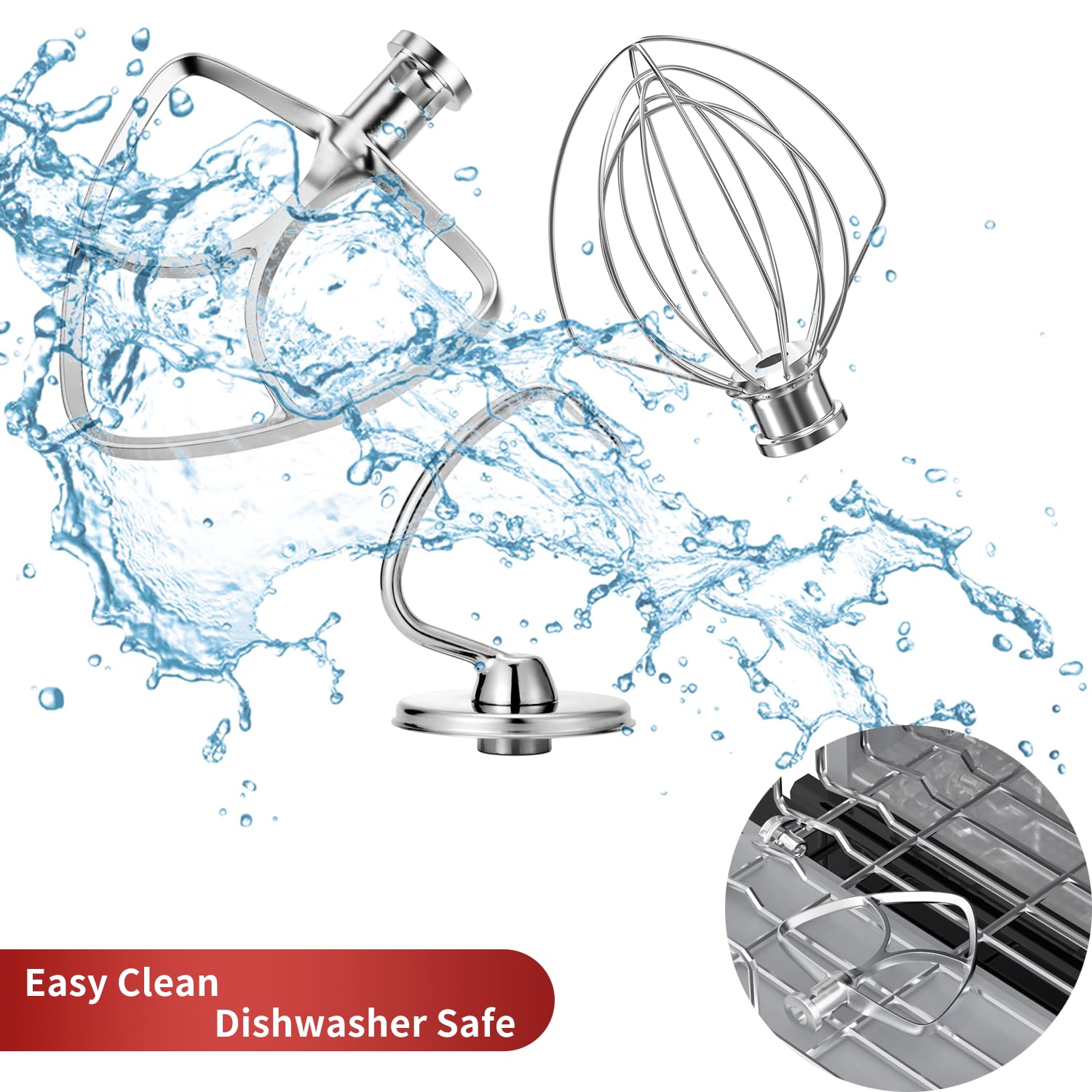
Most Kitchen Aid mixer attachments like the flat beater, dough hook, and wire whip are dishwasher safe. These parts are usually made of metal or sturdy coated materials designed to withstand dishwasher cleaning.
Removable parts such as the stainless steel bowl and pouring shield also handle dishwasher cycles well. Just place them on the top rack to avoid harsh heat and water pressure.
- Flat beater (metal or coated)
- Dough hook (metal or coated)
- Wire whip (metal)
- Stainless steel mixing bowl
- Pouring shield
Have you noticed faster cleanup when you toss these parts in the dishwasher? It’s a real time saver, especially after baking marathons.
Parts To Avoid Putting In Dishwasher
Not every part should go in the dishwasher. Plastic components like splash guards or certain coated parts can warp or discolor under high heat. Also, the motor head and electrical parts must never be submerged or exposed to dishwasher water.
Some Kitchen Aid parts have delicate finishes that dishwasher detergents can damage over time. Hand washing these with mild soap and warm water helps maintain their look and function.
- Motor head and electrical components
- Plastic splash guards and covers
- Parts with special coatings or finishes
- Rubber or silicone seals and gaskets
Have you ever found a part warped or discolored after a dishwasher cycle? That’s a sign to switch to hand washing for those items. Protecting these parts extends the life of your mixer and keeps it working smoothly.
Cleaning Tips For Mixer Parts
KitchenAid mixer parts like bowls and attachments are usually dishwasher safe. Always check the user manual to avoid damage. Hand washing some parts can help them last longer.
Cleaning Tips for Mixer Parts Keeping your KitchenAid mixer in top condition requires proper cleaning of its parts. Whether you’re whipping up a batch of cookies or kneading dough, regular maintenance extends the lifespan of your mixer. Let's dive into some effective cleaning tips to ensure your mixer parts remain in pristine condition.
Hand Washing Best Practices
Hand washing is often the safest way to clean your mixer parts. Use warm water to loosen any stuck-on residue. A soft sponge works wonders for gently scrubbing without scratching the surface. Make sure to pay special attention to the crevices where flour and batter might hide. Rinse thoroughly to remove all soap residue, ensuring nothing affects your next culinary creation.
Using Mild Detergents
Choosing the right detergent is crucial. Opt for mild detergents that are gentle yet effective. Harsh chemicals can damage the finish or leave a residue. A small amount goes a long way; just a drop on a sponge can clean most parts effectively. If you're unsure, test the detergent on a small section first.
Drying And Maintenance
After washing, drying is essential to prevent rust and spotting. Use a soft towel to dry each part immediately. Leaving parts to air dry can lead to unwanted moisture buildup. For long-term maintenance, store parts in a dry area. Consider applying a thin coat of mineral oil to metal components to keep them shiny and rust-free. Are there any cleaning techniques you swear by for your kitchen appliances? Share your tips and tricks in the comments!
Credit: www.amazon.ca
Risks Of Using Dishwasher
Using a dishwasher for Kitchen Aid mixer parts might seem easy and convenient. Yet, it can cause several risks. These risks can damage your mixer’s look and function over time. Understanding these dangers helps you protect your appliance better.
Potential Damage To Finishes
Dishwasher detergents contain strong chemicals. These can wear off the paint and shine on mixer parts. High heat in dishwashers may cause discoloration or fading. Plastic parts might become brittle or crack after many washes. The finish damage can make your mixer look old and worn quickly.
Impact On Motor And Internal Components
Some mixer parts connect closely to the motor. Water and heat from dishwashers can harm these parts. Moisture may seep inside and cause rust or short circuits. The motor might fail sooner if exposed to dishwasher conditions. Protecting these parts means washing them by hand instead.
Manufacturer Recommendations
Understanding the manufacturer's recommendations is crucial before you toss any KitchenAid mixer parts into your dishwasher. These guidelines help protect your investment and keep your mixer running smoothly for years. Let's dive into what KitchenAid officially advises about cleaning your mixer parts and how it ties into warranty and care instructions.
Official Kitchenaid Guidelines
KitchenAid clearly states that not all mixer parts are dishwasher safe. While some attachments like the stainless steel bowls and certain beaters can handle the dishwasher, others need gentle hand washing.
For example, coated beaters or plastic parts often lose their finish or warp in the dishwasher. The manufacturer emphasizes using warm, soapy water and a soft cloth for these components.
Have you ever seen the peeling paint on a beater after dishwasher cleaning? That's a direct result of ignoring these guidelines.
Warranty And Care Instructions
Your KitchenAid warranty may become void if you don’t follow the care instructions. Using the dishwasher on parts that aren’t approved can lead to damage not covered by warranty.
KitchenAid recommends checking the user manual for specific cleaning instructions. This small step can save you from costly repairs or replacements later.
Think about it: is the convenience of loading everything into the dishwasher worth risking damage that could cost hundreds of dollars? Following the care instructions keeps your mixer parts safe and your warranty valid.
Troubleshooting And Care
Proper care and troubleshooting extend the life of your Kitchen Aid mixer parts. Regular maintenance keeps your mixer working smoothly. Knowing how to handle common issues prevents damage and costly repairs.
Removing Stubborn Residue
Stuck food or dough can build up on attachments and bowls. Soak the parts in warm, soapy water for 15 to 20 minutes. Use a soft brush or sponge to scrub gently. Avoid abrasive tools that may scratch the surface.
For tough residue, try a paste of baking soda and water. Apply it, let it sit for a few minutes, then rinse thoroughly. Dry all parts completely before reassembling or storing.
Replacing Damaged Parts
Damaged parts can affect your mixer's performance. Check for cracks, bends, or worn areas regularly. Replace broken attachments or components quickly to avoid further damage.
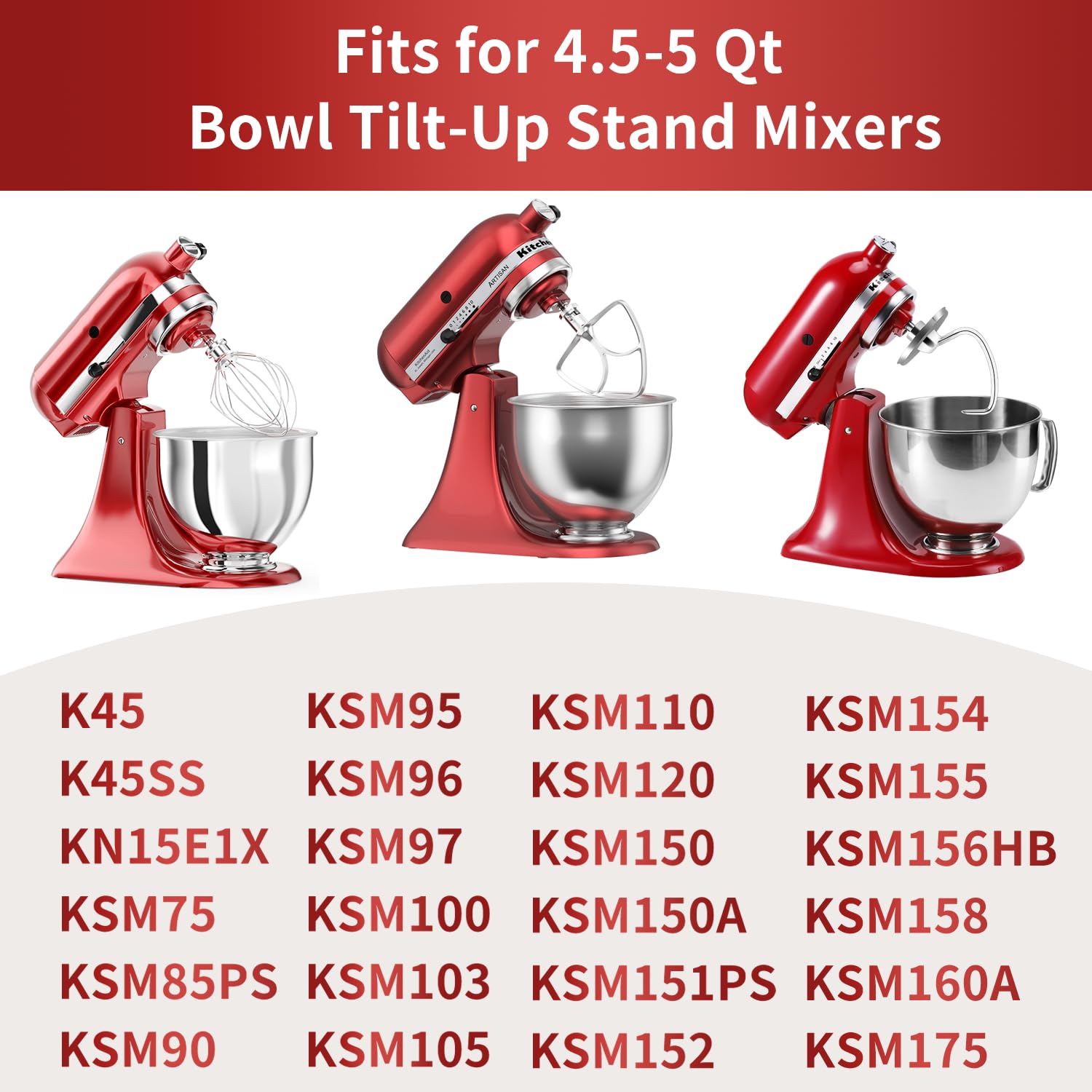
Use genuine Kitchen Aid parts to ensure compatibility and safety. Follow the user manual or manufacturer’s website for part numbers and instructions. Contact customer support if unsure about replacements.
Credit: www.amazon.com
Frequently Asked Questions
Are All Kitchenaid Mixer Parts Dishwasher Safe?
Not all KitchenAid mixer parts are dishwasher safe. Bowls and some attachments are dishwasher safe, but motor housings and electrical components should never go in the dishwasher. Always check the user manual for specific part care instructions to avoid damage.
Can I Clean Kitchenaid Attachments In A Dishwasher?
Yes, most stainless steel and plastic attachments are dishwasher safe. However, avoid putting attachments with rubber or electrical parts in the dishwasher. Hand washing these parts prolongs their lifespan and maintains performance.
How Do I Clean The Kitchenaid Mixing Bowl Safely?
Most KitchenAid mixing bowls are dishwasher safe and can be cleaned on the top rack. For best results, hand wash with warm soapy water to maintain the bowl’s finish and durability over time.
Is It Safe To Put Kitchenaid Beaters In The Dishwasher?
Yes, metal beaters are generally dishwasher safe. Place them on the top rack to avoid damage. Avoid dishwasher cleaning for coated or plastic beaters to prevent warping or peeling.
Conclusion
KitchenAid mixer parts need careful cleaning to last long. Some parts are safe for the dishwasher. Others should be washed by hand to avoid damage. Always check your manual before placing parts in the dishwasher. Proper care keeps your mixer working well for years.
Clean parts gently to protect their finish and function. Taking time to clean correctly saves money on repairs. Enjoy mixing with a well-maintained KitchenAid every time. Simple steps make a big difference in durability.