
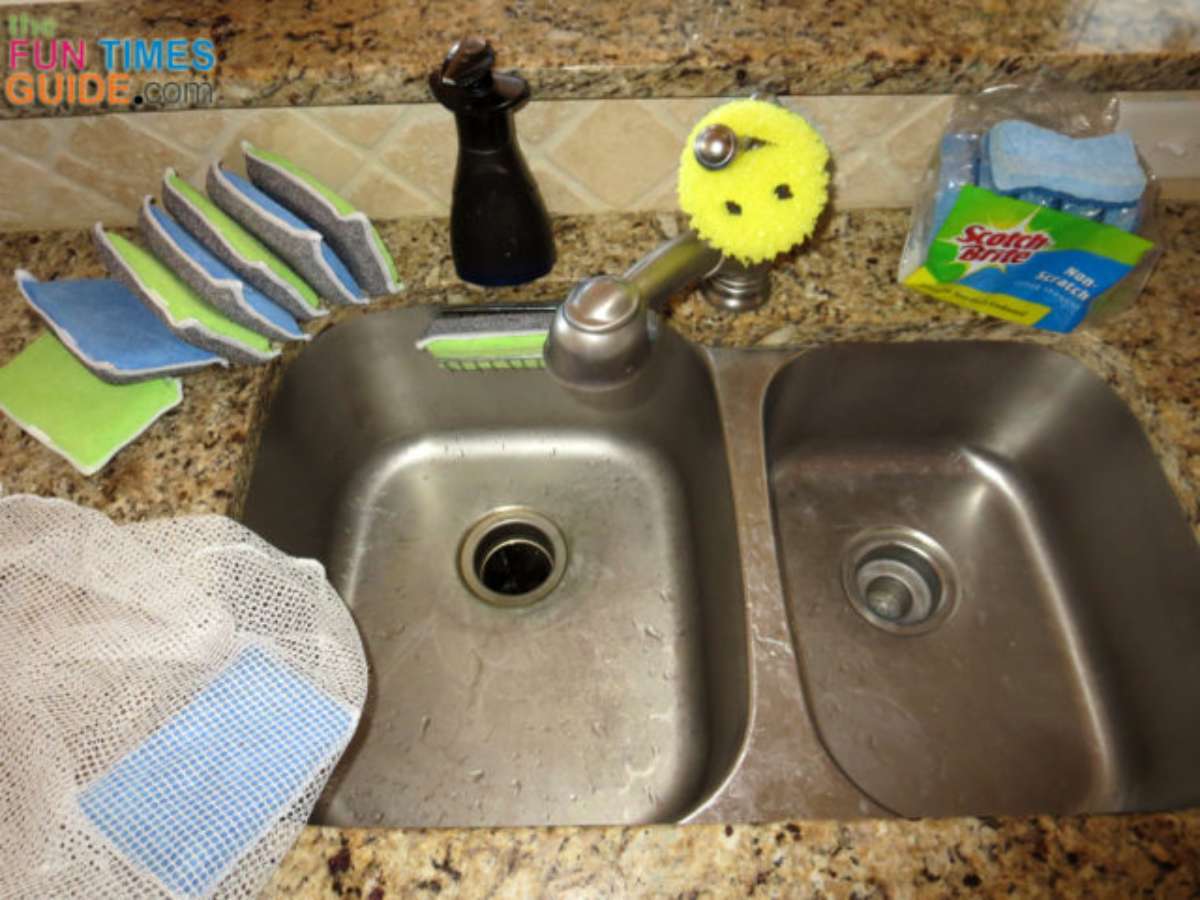
Your kitchen scrub brush works hard to keep your dishes and surfaces spotless. But have you ever stopped to think about how clean your brush really is?
A dirty scrub brush can harbor germs and odors, making your cleaning less effective and even unhygienic. You might be surprised at how easy it is to give your brush a deep clean and keep it fresh for longer. Keep reading, and you’ll discover simple, practical steps to make sure your kitchen scrub brush stays as clean as the dishes you wash with it.
Why Clean Your Kitchen Scrub Brush
Keeping your kitchen scrub brush clean is more important than you might think. This simple tool often comes into contact with food residues, grease, and bacteria. If you ignore cleaning it regularly, your brush can become a breeding ground for harmful germs that affect your kitchen’s hygiene.
Cleaning your scrub brush not only extends its lifespan but also protects your health and the quality of your food preparation. Have you ever noticed a strange smell or discoloration on your brush? That’s your cue to act before it becomes a problem.
Health Risks Of Dirty Brushes
Dirty kitchen scrub brushes can harbor bacteria such as E. coli and Salmonella. These harmful microbes can transfer onto your dishes and surfaces, increasing the risk of foodborne illnesses.
Using a contaminated brush can undo all your efforts to keep your kitchen clean. Even if your dishes look spotless, invisible germs might still be lurking. This makes regular cleaning essential to avoid unwanted health issues.
Signs Your Brush Needs Cleaning
How do you know when it’s time to clean your kitchen scrub brush? Look out for these signs:
- Foul Odor:A bad smell is a clear indicator of bacterial buildup.
- Visible Dirt or Mold:Any discoloration or fuzzy spots means your brush needs attention.
- Stiff or Worn Bristles:When bristles lose their flexibility, dirt can get trapped more easily.
- Residue Build-Up:Grease or food particles stuck in the bristles suggest it’s time for a deep clean.
Ignoring these signs can lead to ineffective cleaning and potential health risks. Have you checked your scrub brush lately?

Credit: www.cottonvalley.net
Tools Needed For Cleaning
Having the right tools makes cleaning your kitchen scrub brush easier and more effective. You don’t need fancy gadgets—often, simple items around your home can do the job well. But sometimes, using specialized cleaning products gives you an edge, especially when brushes have stubborn grime or odors.
Common Household Items
Many items you already have can help clean your scrub brush thoroughly. Warm water and dish soap are the basics. Adding a splash of vinegar or baking soda can boost the cleaning power without harsh chemicals.
- Warm water:Helps loosen dirt and grease.
- Dish soap:Cuts through oils and food residue.
- White vinegar:Acts as a natural disinfectant and deodorizer.
- Baking soda:Works as a gentle abrasive to remove buildup.
- Old toothbrush:Perfect for scrubbing hard-to-reach bristles.
Have you ever noticed how a quick soak in vinegar can refresh your brush? It’s a simple trick that surprised me with its effectiveness.
Specialized Cleaning Products
Sometimes, common household items aren’t enough, especially if your scrub brush has mold or strong odors. Specialized products can target these issues more directly.
- Brush cleaners:Designed specifically to clean and disinfect brushes.
- Antibacterial sprays:Help kill germs that regular soap might miss.
- Enzyme cleaners:Break down organic matter stuck in bristles.
Using these products occasionally can extend the life of your scrub brush and keep it hygienic. Do you keep any specialized cleaners on hand for tough kitchen messes?
Step-by-step Cleaning Process
Soak the scrub brush in warm, soapy water to loosen dirt. Scrub bristles gently with another brush or your fingers. Rinse thoroughly and let it dry completely before use.
Cleaning your kitchen scrub brush might not be your favorite chore, but it’s essential for maintaining hygiene. A clean brush means cleaner dishes, and ultimately, a healthier kitchen environment. Let’s walk through a straightforward process to ensure your scrub brush is as clean as possible.
Rinse And Remove Debris
Start by thoroughly rinsing your scrub brush under warm running water. Hold the brush bristles facing downwards and use your fingers to remove any food particles or debris stuck within. This initial rinse is crucial for getting rid of the larger bits that could interfere with the cleaning solution later.
Soak In Cleaning Solution
Prepare a bowl of warm water mixed with a few tablespoons of dish soap or white vinegar. Submerge the scrub brush and allow it to soak for about 15 to 20 minutes. This soak helps break down grease and disinfects the bristles.
Scrub And Rinse Thoroughly
After soaking, use an old toothbrush to scrub the base and handle of the brush. Pay special attention to the areas where the bristles meet the base, as grime often hides there. Rinse the brush under warm water again, ensuring all soap residue is completely washed away.
Drying Tips
Shake off excess water and place your brush bristle-side down on a clean towel. Consider hanging it up to air dry if possible, which allows for better air circulation. Avoid storing the brush until it is completely dry to prevent the growth of mold or mildew. Keeping your kitchen scrub brush clean doesn't have to be a daunting task. By following these steps, you ensure your cleaning tools remain effective and hygienic. What other cleaning tips have you found helpful in your kitchen?

Credit: www.amazon.ca
Deep Cleaning For Tough Germs
Deep cleaning your kitchen scrub brush removes tough germs and bacteria. Regular cleaning might not kill all harmful microbes. A thorough deep clean keeps your brush safe and hygienic. It also extends the brush’s life.
Using Vinegar And Baking Soda
Vinegar and baking soda work well together to break down grime and germs. Soak the brush in a bowl of hot vinegar for 30 minutes. Then sprinkle baking soda on the bristles and scrub gently. Rinse the brush with warm water until clean. This natural method removes buildup and kills many bacteria.
Disinfecting With Bleach
Bleach is a strong disinfectant that kills most germs quickly. Mix one tablespoon of bleach with one cup of water. Soak the brush for 5 to 10 minutes in the solution. Rinse the brush thoroughly to remove all bleach. Use this method only occasionally to avoid damage to the bristles.
Microwave Sanitizing Method
Microwaving can sanitize your scrub brush using steam heat. First, soak the brush in water to wet the bristles. Place the wet brush in the microwave and heat for one to two minutes. Be careful when removing the brush as it will be hot. This method kills bacteria and dries the brush quickly.
Maintenance Tips To Keep Brushes Clean
Keeping your kitchen scrub brush clean is key to maintaining a hygienic cooking space. Dirty brushes can harbor bacteria and odors, which might transfer to your dishes and surfaces. You can extend the life of your brush and keep it effective by following some simple maintenance steps.
Regular Cleaning Schedule
Set a routine to clean your scrub brush at least once a week. After each use, rinse the brush thoroughly with hot water to remove food particles and soap residue. Once a week, soak it in a mixture of warm water and vinegar or baking soda for about 15 minutes to kill germs and refresh the bristles.
I once ignored this step and noticed a strong odor developing on my brush. After starting a weekly soak, the smell disappeared, and the brush stayed fresher much longer. How often do you clean your kitchen tools?
Proper Storage
Where you store your scrub brush affects how clean it stays. Avoid leaving it sitting in a wet sink or closed container, as moisture promotes mold growth. Instead, place your brush in a well-ventilated holder or hang it to air dry between uses.
Try to keep your brush bristles facing down or upright so water drains away quickly. This simple change in storage can prevent bacteria buildup and keep your brush ready for the next cleaning task.
When To Replace Your Brush
Even with good care, scrub brushes don't last forever. Look for signs like frayed bristles, persistent odors, or discoloration. These indicate your brush is no longer effective and could be harboring harmful bacteria.
If your brush looks worn out or smells bad despite cleaning, it's time to get a new one. Investing in a fresh brush ensures your kitchen stays sanitary and your cleaning efforts pay off.

Credit: sqwishful.com
Frequently Asked Questions
How Often Should I Clean My Kitchen Scrub Brush?
You should clean your kitchen scrub brush weekly to prevent bacteria buildup. Regular cleaning ensures it stays effective and hygienic. Frequent cleaning helps avoid unpleasant odors and extends the brush’s lifespan.
What Is The Best Way To Sanitize A Scrub Brush?
To sanitize, soak the scrub brush in hot water mixed with vinegar or bleach for 10 minutes. This kills germs and bacteria. Rinse thoroughly and air dry before using again.
Can I Clean My Scrub Brush In The Dishwasher?
Yes, most kitchen scrub brushes can be cleaned in the dishwasher. Place the brush on the top rack and run a hot cycle. This method effectively removes dirt and disinfects the bristles.
How Do I Remove Stubborn Grease From A Scrub Brush?
Soak the brush in hot soapy water for 15 minutes to loosen grease. Use baking soda and vinegar to scrub away tough grime. Rinse well and let it dry completely before reuse.
Conclusion
Cleaning your kitchen scrub brush keeps it fresh and ready to use. Regular washing stops germs from building up. Use warm water, soap, and a little vinegar for best results. Let the brush dry fully before storing it. Clean brushes last longer and work better.
Small efforts make a big difference in kitchen hygiene. Keep your scrub brush clean, and your kitchen stays healthy. Simple steps, better results. Easy to do, worth the time.