
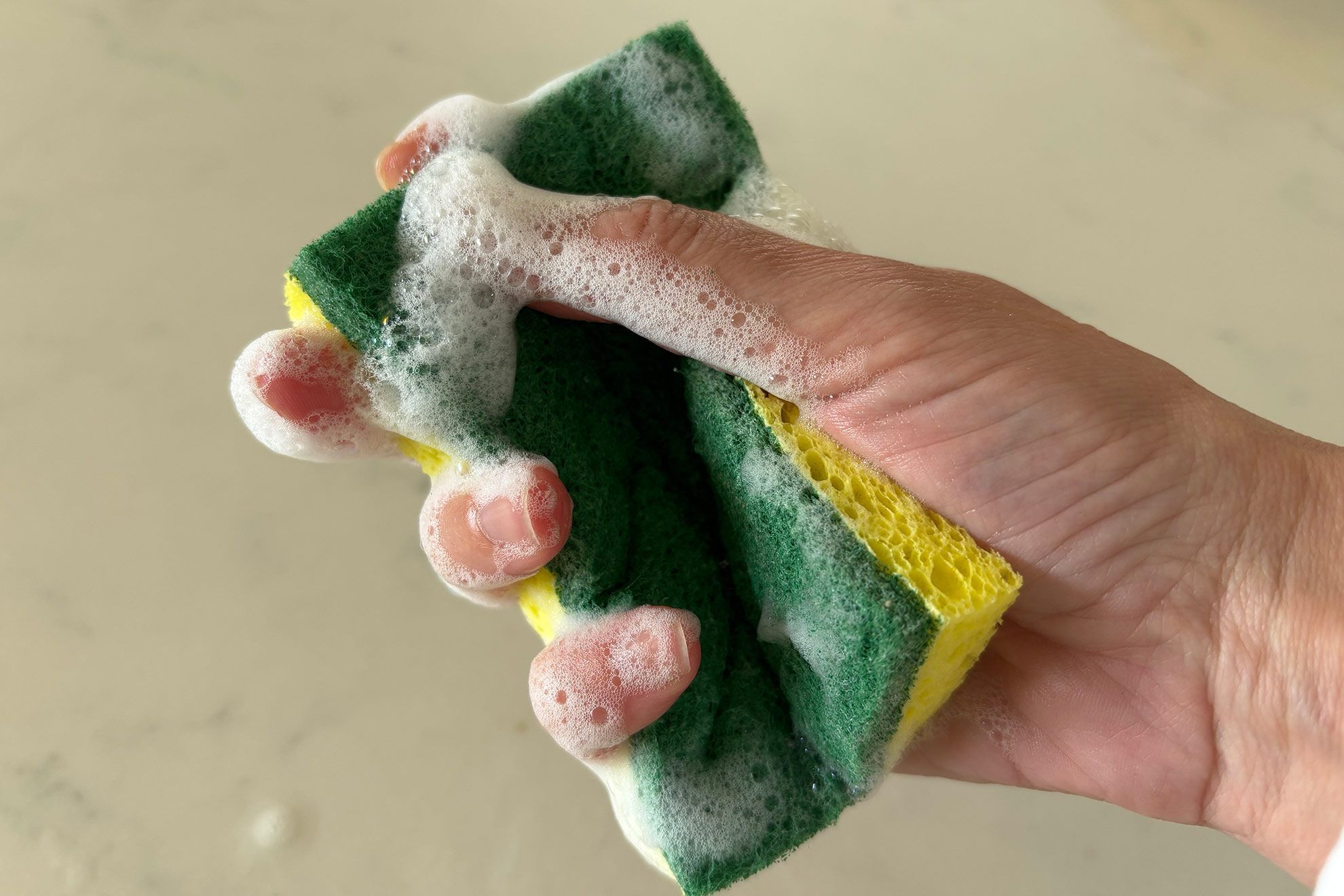
Your kitchen sponge works hard every day, scrubbing away food messes and grease. But have you ever stopped to think about how often you should replace it?
Using the same sponge for too long can turn it into a breeding ground for harmful bacteria, putting your health at risk. You’ll discover the simple signs that tell you it’s time to get a new sponge and learn how often you should really be swapping it out.
Keep reading to protect your kitchen and keep your home safe.

Credit: amazonascrub.com
Signs To Replace Your Sponge
Knowing when to replace your kitchen sponge is crucial for maintaining a clean and healthy kitchen. A sponge might look fine on the surface but could be harboring bacteria that you don’t want near your food. Here are clear signs that it’s time to say goodbye to your old sponge.
Unpleasant Odors
If your sponge starts to smell bad, it’s a strong signal that bacteria and mold have taken over. No amount of rinsing or squeezing will fix that foul odor. Have you ever noticed a sour or musty smell when you pick up your sponge? That’s a clear warning to replace it immediately.
Visible Wear And Tear
Look closely at your sponge’s surface. Is it falling apart, frayed, or losing its texture? A sponge that is breaking down won’t clean effectively and can trap dirt and germs instead of removing them. Don’t wait for it to completely disintegrate—replace it as soon as you see signs of wear.
Persistent Stains
Stains that won’t go away, even after thorough rinsing, are a red flag. They indicate that food particles and bacteria are deeply embedded in the sponge. If scrubbing your dishes feels less effective because of these stains, it’s time to switch to a fresh sponge to keep your kitchen truly clean.

Credit: www.absolutecleaning.com.sg
Recommended Replacement Frequency
Knowing how often to replace your kitchen sponge is key to keeping your kitchen hygienic and fresh. The recommended replacement frequency depends on how often you use the sponge and where you keep it. Let’s break down the ideal replacement timing for different sponge usage scenarios to help you stay safe and clean.
Daily Use Sponges
If you use a sponge every day for washing dishes, wiping counters, or cleaning spills, it’s best to replace it at least once a week. Sponges soak up moisture and food particles, making them a breeding ground for bacteria quickly.
Have you noticed your sponge starts to smell or look discolored before the week is up? That’s a clear sign to toss it out sooner. Don’t wait for visible grime—bacteria multiply fast and can cause illness.
Infrequently Used Sponges
For sponges that you only use occasionally, such as for deep cleaning or wiping rarely dirty surfaces, replacement can be less frequent. Changing them every two to three weeks usually works well.
Still, store them properly—dry and away from standing water—to prevent bacteria growth. If you see any sliminess or odor, replace the sponge right away, no matter how new it seems.
Sponges In High-moisture Areas
Sponges stored near sinks or dishwashers stay damp longer, which speeds up bacteria growth. In these spots, you might need to replace your sponge more frequently, about every 4 to 5 days.
Consider drying your sponge thoroughly between uses or microwaving it briefly to kill germs. Ask yourself: Is convenience worth the risk of germs hiding in your sponge?
Risks Of Using Old Sponges
Old kitchen sponges are more than just unsightly. They pose various risks that can compromise your health and kitchen hygiene. Understanding these risks is crucial for maintaining a safe kitchen environment.
Bacterial Growth
Sponges are breeding grounds for bacteria. Their porous nature traps food particles and moisture. This creates the perfect environment for bacteria to thrive. Studies show that sponges can harbor E. coli and Salmonella. These bacteria can multiply rapidly in a damp sponge.
Cross-contamination
Using old sponges increases the risk of cross-contamination. A contaminated sponge can spread bacteria to different surfaces. This includes countertops, utensils, and dishes. A single swipe with a dirty sponge can transfer germs. It contaminates everything it touches.
Health Concerns
Old sponges can lead to various health issues. Exposure to harmful bacteria can cause food poisoning. Symptoms include nausea, vomiting, and diarrhea. People with weak immune systems are at higher risk. Keeping sponges clean and replacing them often is vital.

Credit: www.yahoo.com
Extending Sponge Lifespan
Extending the lifespan of your kitchen sponge can save you money and reduce waste. It also helps maintain better hygiene in your kitchen. With the right care, your sponge can stay effective longer without harboring harmful bacteria.
Regular Cleaning Techniques
Cleaning your sponge regularly is key to keeping it fresh and safe to use. You can soak it in a mixture of hot water and vinegar or microwave it for about a minute when damp to kill germs. Just be careful not to overdo it, as too much heat can break down the sponge faster.
Have you tried tossing your sponge in the dishwasher? Placing it on the top rack during a hot cycle can also disinfect it well. These simple steps can make a big difference in how long your sponge lasts.
Proper Drying Methods
Moisture is a sponge’s enemy when it comes to longevity. After each use, rinse your sponge thoroughly and squeeze out excess water. Then, leave it in a well-ventilated spot to air dry completely before the next use.
If your sponge stays damp for too long, bacteria multiply quickly. Do you have a dedicated spot for drying your sponge? Avoid leaving it in the sink or on a wet countertop to keep it dry and fresh.
Using Alternatives
Sometimes, using different cleaning tools can extend the life of your sponges. Consider switching between sponges and scrub brushes or microfiber cloths for different tasks. This reduces wear and tear on each item.
Have you thought about biodegradable or antimicrobial sponges? These options can last longer and offer better hygiene. Trying out alternatives might also make your cleaning routine more efficient and less wasteful.
Choosing The Right Sponge
Choosing the right kitchen sponge is key to keeping your kitchen clean and safe. Not all sponges serve the same purpose or last equally long. Picking the right material and type helps maintain hygiene and efficiency. Consider different factors before making your choice.
Material Options
Sponges come in various materials. Some are made from cellulose, which is soft and absorbent. Others are synthetic, like nylon or polyester, offering durability and scrubbing power. Natural sponges, from sea plants, provide a gentle clean but may wear out faster. Each material suits different cleaning tasks and preferences.
Eco-friendly Choices
Eco-friendly sponges reduce environmental impact. Biodegradable options break down faster after use. Look for sponges made from natural fibers like coconut husk or bamboo. These choices help cut plastic waste. Compostable sponges also support a greener kitchen routine.
Cost Vs. Durability
Cheap sponges may save money upfront but wear quickly. Higher-quality sponges cost more but last longer. Durable sponges resist tearing and hold up under tough scrubbing. Consider how often you want to replace your sponge. Balancing cost and lifespan avoids frequent purchases and waste.
Frequently Asked Questions
How Often Should I Replace My Kitchen Sponge?
Replace your kitchen sponge every 1 to 2 weeks. Frequent use and moisture cause bacteria buildup. Regular replacement prevents unpleasant odors and contamination.
Can I Sanitize A Kitchen Sponge Instead Of Replacing It?
Yes, you can sanitize a sponge using microwave or dishwasher methods. However, sanitizing only reduces bacteria temporarily. Regular replacement remains the best hygiene practice.
What Signs Indicate It's Time To Change A Kitchen Sponge?
Replace your sponge if it smells bad, looks worn, or feels slimy. These signs show bacteria growth and reduced cleaning efficiency. Timely replacement keeps your kitchen sanitary.
Does Replacing Kitchen Sponges Improve Kitchen Hygiene?
Absolutely. Fresh sponges reduce bacteria spread on surfaces and dishes. Regular replacement minimizes foodborne illness risks and keeps your kitchen cleaner and safer.
Conclusion
A kitchen sponge can hold many germs. Replace it every one to two weeks. This keeps your kitchen clean and safe. Using a fresh sponge stops bacteria build-up. Clean sponges help your dishes look better too. Remember, a small change can protect your health.
Keep your kitchen sponge fresh for a safer home. Simple habits make a big difference every day.