
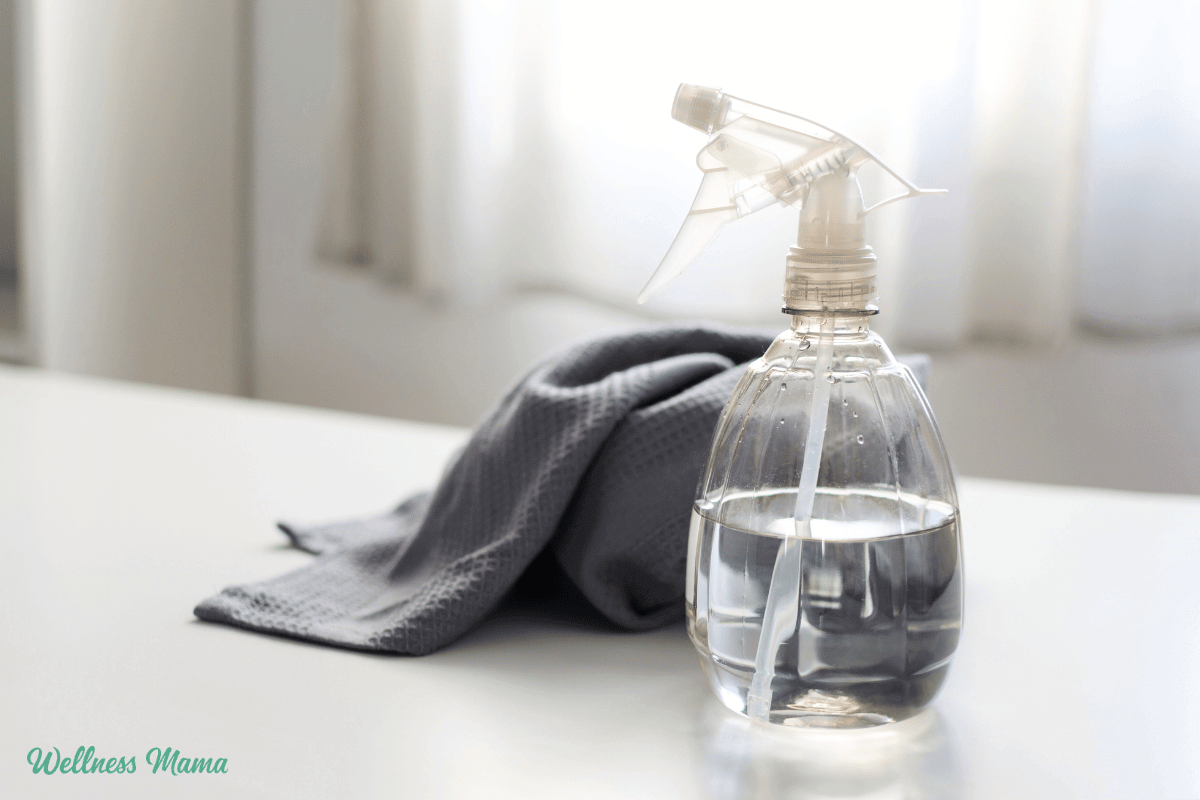
Are you tired of using harsh chemicals to clean your kitchen? What if you could make a powerful, natural cleaner right at home with just one simple ingredient—vinegar?
Imagine saving money, protecting your family from toxic substances, and still getting your kitchen sparkling clean. You’ll discover easy steps to create your own kitchen cleaner using vinegar. By the end, you’ll have a safe, effective solution that’s ready whenever you need it.
Keep reading to unlock the secret to a fresher, healthier kitchen!
Benefits Of Vinegar Cleaner
Vinegar cleaner offers many benefits for your kitchen and home. It is a natural and effective option that helps keep surfaces clean without harsh chemicals. Using vinegar reduces exposure to toxins and supports a safer environment for your family.
Natural And Non-toxic
Vinegar is made from natural ingredients like acetic acid and water. It does not contain harmful chemicals that can irritate skin or lungs. This makes it safe for people, pets, and the environment. You can clean your kitchen without worrying about toxic residues.
Cost-effective Solution
Vinegar is inexpensive and easy to find in stores. A small bottle can last a long time since you only need a little for cleaning. This makes it a budget-friendly choice compared to commercial cleaners. You save money while keeping your kitchen spotless.
Versatile Cleaning Uses
Vinegar works on many kitchen surfaces such as countertops, sinks, and appliances. It removes grease, stains, and odors quickly. You can also use it to clean glass and mirrors for a streak-free shine. One bottle covers many cleaning needs, reducing the need for multiple products.
Ingredients Needed
Creating your own kitchen cleaner with vinegar is simple and cost-effective, but knowing exactly what to gather first makes the process smoother. The right ingredients not only enhance cleaning power but also keep your kitchen safe and fresh. Let’s break down what you need to prepare before you start mixing your homemade cleaner.
Types Of Vinegar To Use
Choosing the right vinegar is key to effective cleaning. White distilled vinegar is the most popular choice due to its high acidity and clear color that won’t stain surfaces.
Apple cider vinegar can also work, especially if you prefer a milder scent, but it might leave a slight tint on light surfaces. Avoid using flavored or colored vinegars since additives can reduce cleaning effectiveness and cause unwanted stains.
Additional Cleaning Additives
To boost your vinegar cleaner’s power, consider adding a few simple ingredients. Baking soda is excellent for scrubbing tough grime without scratching surfaces.
Essential oils like lemon or tea tree not only add a pleasant aroma but also bring antibacterial properties. Just a few drops can make your cleaner smell fresh and natural.
Water is important to dilute vinegar so it’s safe for most kitchen surfaces—use distilled water for the purest mix.
Tools And Containers
You’ll need a clean spray bottle to store and apply your kitchen cleaner easily. Glass bottles are ideal as vinegar can sometimes react with plastic over time.
Measuring cups or spoons help you get the right proportions, ensuring your mixture is effective without being too strong. A funnel can also make pouring easier and less messy.
Gathering these ingredients and tools before you start saves time and frustration. What’s the one cleaning ingredient you always have on hand that could surprise you when combined with vinegar?
Step-by-step Preparation
Gather white vinegar, water, and a spray bottle for the cleaner. Mix equal parts vinegar and water, then pour into the bottle. Shake gently to blend ingredients before use.
Step-by-Step Preparation Creating a kitchen cleaner with vinegar is simple. Vinegar is effective for cleaning. It removes grease and bacteria. Follow these steps for a homemade cleaner.
Measuring And Mixing Ingredients
Begin by gathering your supplies. You will need white vinegar, water, and a spray bottle. Use equal parts vinegar and water. This mix cleans without harsh chemicals. Measure each ingredient precisely. In a bowl, combine the vinegar and water. Mix gently to blend. Pour the solution into a spray bottle. Secure the cap tightly. Shake the bottle lightly before use.
Storage Tips
Proper storage extends the cleaner's life. Keep the spray bottle in a cool, dry place. Avoid direct sunlight, which can weaken the solution. Label the bottle for easy identification. Check the mixture regularly for any changes. If it looks cloudy, make a new batch.
Safety Precautions
Vinegar is safe but can irritate. Avoid contact with eyes and skin. Wear gloves if your skin is sensitive. Keep the cleaner away from children and pets. Do not mix vinegar with bleach. It creates toxic fumes. Always ensure proper ventilation when cleaning.
Cleaning Techniques
Cleaning with vinegar is simple and effective. It cuts grease and removes dirt without harsh chemicals. Using the right techniques helps get the best results. Proper application and tools make your kitchen sparkle.
Spraying And Wiping Surfaces
Pour vinegar into a spray bottle for easy use. Spray directly onto countertops, sinks, and appliances. Let it sit for a few minutes to loosen grime. Wipe clean with a soft cloth or sponge. This method works well for daily cleaning and quick touch-ups.
Tackling Tough Stains
For stubborn stains, soak a cloth in vinegar and place it on the spot. Let it sit 10 to 15 minutes to break down the stain. Gently scrub with a brush or sponge afterward. Repeat if needed. Vinegar helps remove hard water stains, grease, and food residue effectively.
Using With Other Cleaning Tools
Combine vinegar with tools like microfiber cloths and scrub brushes. Microfiber traps dirt and works well with vinegar’s cleaning power. Use a scrub brush for grout and textured surfaces. Avoid steel wool to protect delicate finishes. These tools enhance vinegar’s ability to clean deeply and safely.
Areas To Clean With Vinegar
Vinegar is a natural and effective cleaner for many kitchen areas. It removes dirt, grease, and bacteria without harsh chemicals. Using vinegar helps keep your kitchen fresh and safe. It works well on various surfaces, making it a versatile cleaning solution.
Countertops And Sinks
Spray vinegar on countertops to cut through grease and grime. It cleans without leaving residue or streaks. For sinks, vinegar removes hard water stains and disinfects the surface. Wipe with a soft cloth for a shiny finish. Avoid vinegar on natural stone like marble or granite.
Appliances And Cabinets
Use vinegar to wipe down appliance exteriors like refrigerators, microwaves, and ovens. It cleans fingerprints and spills easily. For cabinets, vinegar removes dust and sticky spots gently. Test on a small area first to prevent damage to finishes.
Floors And Tiles
Mix vinegar with water to mop kitchen floors and tiles. It dissolves dirt and kills germs effectively. Avoid using vinegar on hardwood floors as it may dull the finish. For tiled surfaces, vinegar helps remove soap scum and mildew.

Credit: www.youtube.com
Common Mistakes To Avoid
Making your own kitchen cleaner with vinegar is a smart choice, but there are some common mistakes that can reduce its effectiveness or even cause damage. Avoiding these pitfalls will help you get the best results without any hassle. Let’s look at some key errors you should watch out for.
Mixing With Bleach
Never mix vinegar with bleach. This combination creates toxic chlorine gas, which is very harmful to your health. Even a small amount can cause coughing, breathing problems, and eye irritation.
If you need to use bleach for heavy-duty cleaning, rinse the area thoroughly before applying vinegar. Keeping these two substances separate keeps your cleaning safe and effective.
Using On Sensitive Surfaces
Vinegar is acidic, so avoid using it on delicate surfaces like natural stone, hardwood, or certain finishes. It can dull or etch these materials over time.
If you’re unsure, test a small, hidden area first. Consider safer alternatives like mild soap and water for sensitive countertops or floors.
Overuse And Residue Issues
Using vinegar cleaner too frequently or in high concentrations can leave a sticky residue. This buildup attracts dirt, making your kitchen look worse, not cleaner.
Try diluting your vinegar solution and rinse surfaces with water afterward. This simple step keeps your kitchen sparkling without residue.
Enhancing Your Vinegar Cleaner
Enhancing your vinegar cleaner is all about making it more effective and pleasant to use. Vinegar alone is a powerful cleaner, but you can boost its power and customize it to fit your kitchen’s needs. Small additions can change the scent, improve cleaning strength, and even tackle stubborn grime more easily.
Adding Essential Oils
Essential oils not only add a fresh scent but also bring extra antibacterial properties. Oils like tea tree, lemon, or lavender work well with vinegar and make the cleaning experience more enjoyable.
Just add 10-15 drops of your favorite essential oil to your vinegar cleaner. This simple step makes your kitchen smell inviting and masks the sharp vinegar smell.
Combining With Baking Soda
Baking soda is a natural scrubbing agent that pairs perfectly with vinegar’s acidity. When combined, they create a fizzy reaction that helps lift dirt and grease.
Try sprinkling baking soda on tough stains, then spray your vinegar cleaner over it. Let it sit for a few minutes before scrubbing—this combo works wonders on stubborn spots.
Customizing Scents And Strength
You control how strong and fragrant your cleaner is by adjusting the vinegar-to-water ratio and the amount of essential oils. For light cleaning, mix one part vinegar with one part water.
If you need a stronger mix for greasy areas, use more vinegar and fewer oils. Play with these ratios to find what works best for your kitchen and preferences.

Credit: www.youtube.com
:max_bytes(150000):strip_icc()/SPR-diy-all-purpose-cleaner-7152792-hero-1-7d83679517ee41bf9579acd3ffe192d9.jpg)
Credit: www.thespruce.com
Frequently Asked Questions
What Ingredients Are Needed To Make Vinegar Kitchen Cleaner?
You need white vinegar, water, and optional essential oils. Mix equal parts vinegar and water. Add a few drops of essential oils for fragrance. This simple mix cleans surfaces effectively and naturally.
How Effective Is Vinegar As A Kitchen Cleaner?
Vinegar is a powerful natural cleaner. It removes grease, grime, and bacteria. It is safe for most surfaces except stone. Vinegar deodorizes and disinfects your kitchen without harsh chemicals.
Can Vinegar Cleaner Be Used On All Kitchen Surfaces?
Vinegar cleaner is safe for glass, stainless steel, and ceramic. Avoid using it on granite, marble, or natural stone. Always test a small area first to prevent damage.
How Do I Store Homemade Vinegar Kitchen Cleaner?
Store the cleaner in a spray bottle at room temperature. Keep it away from direct sunlight. Label the bottle clearly and use within one month for best results.
Conclusion
Making kitchen cleaner with vinegar is simple and cost-effective. Vinegar cleans well and is safe for your home. You only need a few common ingredients to prepare it. This natural cleaner saves money and reduces chemicals in your kitchen. Try this easy recipe and keep your kitchen fresh and tidy.
Small changes like this help create a healthier living space. Give it a try and see the difference yourself. Clean kitchens, happy homes.