

Thinking about installing a dishwasher but not sure how to make space for it? Removing a kitchen cabinet might sound tricky, but with the right steps, you can do it yourself without stress.
Imagine turning your cluttered countertop into a sleek, efficient kitchen where dishes practically clean themselves. In this guide, you’ll learn exactly how to remove a kitchen cabinet safely and easily, so you can create the perfect spot for your new dishwasher.
Keep reading—you’re just a few simple steps away from transforming your kitchen!

Credit: www.espares.co.uk
Prepare The Workspace
Preparing your workspace is the foundation of a smooth kitchen cabinet removal and dishwasher installation. A well-organized area helps prevent accidents and keeps the process efficient. Before you start, take the time to get everything ready so you won’t run into avoidable problems later.
Clear The Cabinet Area
Start by emptying out the cabinet and surrounding countertops. Remove all dishes, utensils, and cleaning supplies to give yourself plenty of room to work. Clutter can cause distractions and make it harder to access screws and connections.
Don’t forget to clear the floor space around the cabinet, too. This gives you room to place tools and parts without tripping hazards. Have a trash bin nearby for packaging and debris.
Turn Off Water And Power
Before touching any plumbing or electrical components, shut off the water supply and power to the dishwasher area. Check under your sink for the water valve and turn it off to avoid leaks or floods. Then, switch off the circuit breaker that controls the kitchen’s electrical outlets.
Have you ever started a project only to stop because water suddenly spilled? This simple step prevents that headache and keeps you safe from electrical shocks.
Gather Necessary Tools
Collect all the tools you will need before starting the removal. Typical tools include a screwdriver, adjustable wrench, pliers, and a utility knife. Having everything at hand saves time and reduces frustration.
Consider adding a flashlight and a small container for screws and fasteners. These small touches keep your workspace tidy and prevent lost parts, speeding up the entire process.
Empty And Remove Cabinet Contents
Before removing a kitchen cabinet, clear everything inside. This prevents damage and makes the process easier. Emptying the cabinet helps you see its structure clearly. It also keeps your items safe and organized during the installation.
Take Out Shelves And Drawers
Remove all shelves and drawers from the cabinet. Most shelves lift out or slide off small pegs. Drawers usually pull straight out but may have stops. Check for screws or clips holding shelves or drawers in place. Keep these parts together to reinstall later.
Clear Out Stored Items
Take out all stored items from the cabinet. Place them in a safe spot to avoid damage. Sort items by type or size to make organizing easier later. This step helps you work freely without obstacles. It also protects fragile or heavy objects during cabinet removal.
Detach Cabinet Doors And Hardware
Begin by removing cabinet doors carefully to avoid damage. Unscrew the hardware, including handles and hinges, to clear space for the dishwasher installation. This step makes it easier to access the cabinet frame and plumbing.
Detaching cabinet doors and hardware is an essential step in preparing your kitchen for a new dishwasher. It might seem daunting at first, but with a little patience and the right tools, you can accomplish this task smoothly. Removing these elements not only makes room for your dishwasher but also ensures you don't accidentally damage anything during installation. Take a moment to gather your tools and get ready to transform your kitchen space.
Unscrew Cabinet Doors
Start by gently opening each cabinet door. Use a screwdriver to remove the screws from the hinges attached to the cabinet frame. Keep a small container handy to collect all screws and small parts. This ensures nothing gets lost and makes reassembly easier later. Once the screws are out, carefully lift the door off the hinges. If the door feels stuck, double-check for any remaining screws or painted-over hardware. A gentle wiggle can help free it without damage. Consider labeling the doors if you're planning to reuse them, especially if they vary in size.
Remove Handles And Hinges
With the doors off, focus on the handles and hinges. Use your screwdriver to detach these from the door panels. Even if you plan to replace them with new hardware, it's good practice to keep everything organized. Store the handles and hinges in your container. Reusing them later can save costs and maintain design consistency. If the screws are stripped or rusty, it might be a good time to replace them. As you work, think about how these small details contribute to your kitchen's overall look. Could a change in handles or hinges refresh the space? Removing the cabinet doors and hardware is more than a chore—it's an opportunity to rethink your kitchen's style.
Disconnect Cabinet From Wall
Disconnecting the kitchen cabinet from the wall is a key step before installing a dishwasher. This process frees the cabinet, allowing safe removal without damaging the wall or surrounding areas. Take time to work carefully to keep everything intact.
Locate Mounting Screws
Start by finding the screws that secure the cabinet to the wall. These screws are usually inside the cabinet, near the back panel. Check the top, sides, and bottom edges for screws hidden in corners or under shelves.
Use a flashlight to see clearly in dark areas. Some screws may be covered by paint or caulk, so look closely. Knowing their exact location helps avoid unnecessary damage.
Remove Screws Carefully
Use the right screwdriver to remove each mounting screw gently. Turn the screws counterclockwise, applying steady pressure to avoid stripping the heads. Keep the screws in a safe place for reinstallation or future use.
After removing the screws, test the cabinet by gently pulling it away from the wall. If it resists, check for hidden screws or nails. Patience here prevents damage and ensures a smooth cabinet removal.
Remove The Cabinet
Removing the kitchen cabinet is an important task before installing a dishwasher. It creates the space needed for the new appliance. Take care during removal to avoid damage to the surrounding areas. Proper handling helps keep the kitchen neat and ready for installation.
Check For Obstacles
Look around the cabinet for any pipes or wires. Turn off the power and water supply to avoid accidents. Remove any items inside the cabinet. Clear the area to have enough room to work safely.
Lift And Take Out Cabinet
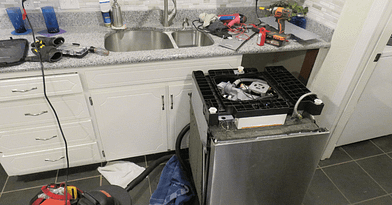
Start by unscrewing the cabinet from the wall. Use a screwdriver to remove all screws holding it in place. Gently lift the cabinet, keeping it steady to prevent damage. Have a helper if the cabinet is heavy or large. Place the cabinet aside carefully, making space for the dishwasher.
Credit: nixxitjunk.com
Prepare Space For Dishwasher Installation
Preparing the space for dishwasher installation is key to a smooth project. It helps avoid delays and ensures the appliance fits perfectly. This stage focuses on making sure the opening is the right size and that plumbing and electrical systems are ready.
Measure And Adjust Opening
Start by measuring the cabinet opening carefully. Use a tape measure to check width, height, and depth. Dishwashers usually need a 24-inch wide space. Compare these numbers with the dishwasher’s specifications.
Remove extra parts or trim if the space is too small. Sand or cut the edges for a better fit. Make sure the floor inside the opening is clean and level. This helps the dishwasher sit evenly without rocking.
Ensure Plumbing And Electrical Access
Check the water supply line near the opening. It should have a shut-off valve and be close enough to connect easily. Inspect the drain line for any clogs or damage. The dishwasher’s drain hose will connect here.
Locate the electrical outlet under the sink or inside the cabinet. The dishwasher needs a grounded outlet for safety. Confirm the power source matches the dishwasher’s voltage and amperage needs. If needed, hire a professional to install or upgrade plumbing and electrical systems.

Credit: www.reddit.com
Frequently Asked Questions
How Do I Safely Remove A Kitchen Cabinet?
Turn off the power and water supply. Empty the cabinet and remove screws attaching it to the wall. Use a pry bar carefully to detach the cabinet without damaging the wall or adjacent cabinets.
What Tools Are Needed To Remove A Kitchen Cabinet?
You need a screwdriver, pry bar, drill, and utility knife. A stud finder helps locate wall studs. Gloves and safety glasses protect you during removal.
How To Prepare The Area Before Installing A Dishwasher?
Clear the workspace and remove the cabinet. Turn off water and power supplies. Measure the space to ensure the dishwasher fits perfectly.
Can I Remove A Cabinet Without Damaging The Wall?
Yes, by gently prying and unscrewing the cabinet from the studs. Use caution to avoid drywall damage. Patch any minor holes after removal.
Conclusion
Removing a kitchen cabinet to install a dishwasher is a simple process. Start by clearing the cabinet and turning off the water. Unscrew the cabinet carefully and pull it out. This makes space for your new dishwasher. Take your time and follow each step safely.
Soon, you will enjoy a cleaner kitchen with a handy dishwasher. Small tasks like this save time and improve your home. Ready to cook and clean with ease? Just follow these tips, and you’re all set!