
Your kitchen sponge is one of the hardest-working tools in your home. But if it starts smelling bad, it can make even the cleanest kitchen feel less fresh.
You might think the sponge just needs a quick rinse, but that foul odor can come back fast. What if you could stop the smell before it even starts? In this post, you’ll discover simple, effective ways to keep your kitchen sponge smelling fresh every day.
Say goodbye to that unpleasant smell for good—and keep your kitchen feeling clean and inviting. Keep reading to learn how!
Causes Of Sponge Odor
Have you ever noticed that unpleasant smell coming from your kitchen sponge? Understanding what causes that odor is the first step to stopping it. Your sponge is a perfect home for tiny troublemakers that thrive in the right conditions.
Bacteria And Mold Growth
Bacteria and mold love damp, warm places, and your kitchen sponge fits the bill perfectly. Each time you use it, you spread microscopic food particles, which bacteria feed on and multiply rapidly. Over time, this buildup creates a strong, unpleasant smell that’s hard to ignore.
Think about how often you rinse your sponge but leave it wet on the counter. That moisture encourages these germs to grow faster, turning your sponge into a breeding ground for odor.
Moisture Retention
Your sponge holds water like a little sponge should, but too much moisture is a problem. When the sponge doesn’t dry completely between uses, it stays damp inside, making it easy for bacteria and mold to thrive. This constant wet environment traps odors and keeps them lingering.
Have you noticed how a dry sponge smells fresher? That’s because drying slows down microbial growth. So, keeping your sponge dry is a simple but effective way to reduce odor.
Food Residue Build-up
Food bits stuck deep inside the sponge act like a buffet for bacteria. Grease, sauces, and bits of fruits or vegetables get trapped in the sponge’s pores, creating a perfect environment for odor-causing microbes. Even a quick rinse might not remove all these tiny crumbs.
Cleaning your sponge thoroughly or swapping it out regularly can help prevent this buildup. Ask yourself: when was the last time you gave your sponge a deep clean or replaced it?
Daily Sponge Care
Daily sponge care helps keep your kitchen fresh and clean. Small habits can stop bad smells. Taking a few minutes each day makes a big difference. Clean sponges last longer and stay safe for your dishes.
Rinsing And Squeezing
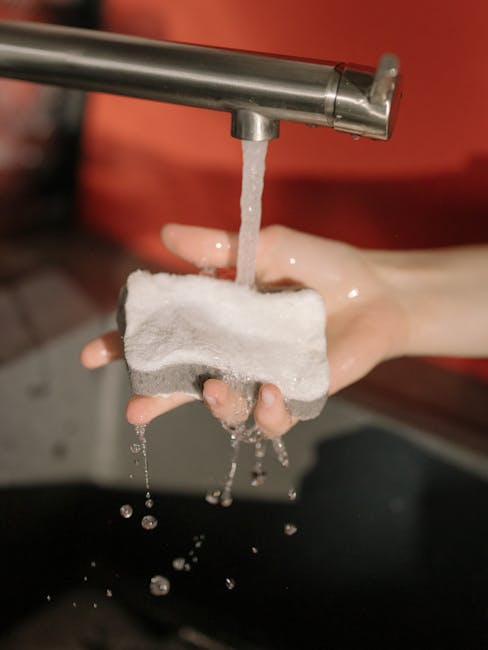
Rinse your sponge well after each use. Use warm water to remove food and soap. Squeeze out all the water fully. A wet sponge holds germs and smells fast. The drier the sponge, the less chance for bacteria.
Proper Storage Techniques
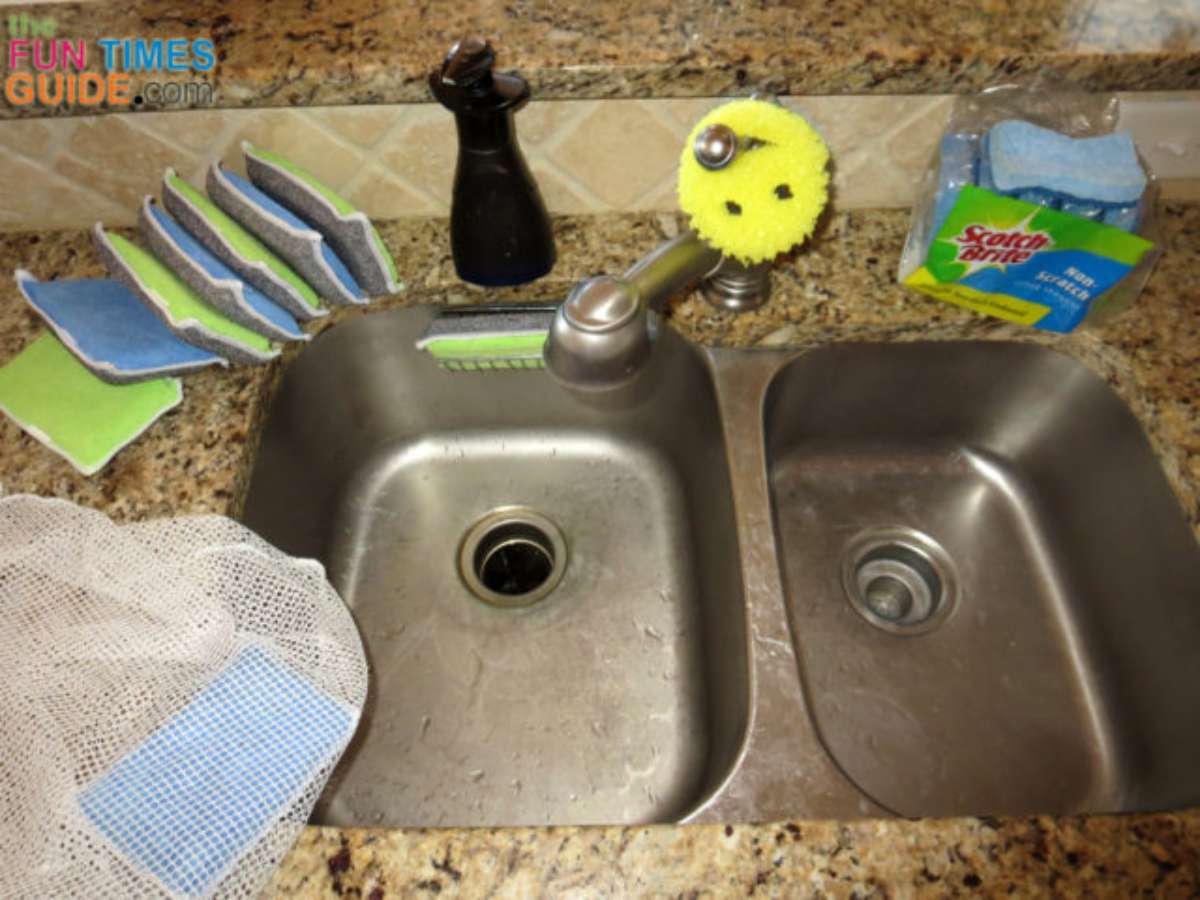
Store your sponge where air can reach it. Avoid closed containers or damp areas. A sponge holder with holes works best. Keep it away from the sink drain. Letting it dry quickly stops bad odors.
Effective Cleaning Methods
Keeping your kitchen sponge fresh and odor-free requires regular cleaning. Effective cleaning methods kill bacteria and prevent bad smells. These easy techniques use tools and household items you already have. Follow these steps to keep your sponge clean and safe for daily use.
Microwave Sanitizing
Microwaving a damp sponge kills most germs quickly. First, soak the sponge in water. Place it in the microwave for about one to two minutes. Be careful when removing it, as it will be hot. Let the sponge cool before using it again. This method is fast and uses no chemicals.
Dishwasher Cleaning
Run the sponge through a hot cycle in your dishwasher. Place it on the top rack for best results. The heat and detergent work together to clean and sanitize. This way also helps remove food particles stuck in the sponge. Use this method regularly to keep odors away.
Bleach And Vinegar Soaks
Soaking the sponge in bleach or vinegar kills tough bacteria. Use one cup of bleach mixed with one gallon of water. Soak the sponge for five minutes, then rinse well. For vinegar, use full-strength white vinegar and soak for 30 minutes. Both methods help remove strong odors and disinfect effectively.

Credit: www.amazon.com
Alternative Sponge Options
Kitchen sponges can quickly become smelly and unhygienic. A simple swap can help. Choose alternative sponges to keep your kitchen fresh. Explore these options for better results.
Antibacterial Sponges
Antibacterial sponges are designed to fight germs. They include agents that kill bacteria. This reduces odor and keeps your kitchen clean. These sponges last longer than regular ones. They are available in most stores. Consider them for a hygienic kitchen.
Natural Fiber Sponges
Natural fiber sponges are eco-friendly. They are made from plant materials. Options include loofah and coconut husk. These sponges are biodegradable and sustainable. They are gentle on surfaces and tough on grime. Choose them for a green kitchen solution.
Silicone Scrubbers
Silicone scrubbers are durable and easy to clean. They resist bacteria and odors. These scrubbers dry quickly, reducing mold risk. They are flexible and effective for tough stains. Use them for a long-lasting kitchen tool.
Replacing Your Sponge Regularly
Replacing your kitchen sponge regularly is essential to keep it fresh and odor-free. Sponges absorb food particles and moisture, creating a perfect environment for bacteria. Over time, these bacteria cause unpleasant smells and can spread germs in your kitchen.
Changing your sponge often reduces the risk of bad odors and keeps your cleaning tools effective. It also helps maintain a healthier kitchen environment for you and your family.
Recommended Replacement Frequency
Experts suggest replacing your kitchen sponge every one to two weeks. This timeline helps prevent bacteria buildup and bad smells. If you use your sponge heavily, consider changing it more often.
Regular replacement ensures your sponge stays clean and works well for washing dishes and surfaces.
Signs Your Sponge Needs Replacing
- Strong, unpleasant odor even after rinsing
- Visible mold or mildew spots
- Spongy texture feels slimy or sticky
- Pieces breaking off or sponge falling apart
- Discoloration or dark stains
Spotting these signs means your sponge is no longer safe to use. Swap it out quickly to avoid spreading germs and smells.
Credit: household-tips.thefuntimesguide.com
Additional Tips For A Fresh Kitchen
Keeping your kitchen fresh goes beyond just scrubbing your sponge. Small habits and natural ingredients can make a big difference in stopping unpleasant smells before they start. Let’s look at some practical tips that you can easily add to your daily routine to keep your kitchen smelling clean and inviting.
Using Lemon Or Baking Soda
Have you tried using lemon or baking soda to tackle sponge odors? Both are natural and effective at neutralizing smells without harsh chemicals.
Cut a lemon in half and rub it directly on your sponge. The citrus not only cleans but also leaves a fresh scent behind. Alternatively, sprinkle baking soda on your sponge, then rinse it thoroughly. Baking soda absorbs odors and helps remove bacteria.
These ingredients are inexpensive and probably already in your kitchen. Why not give them a try and notice the difference in freshness?
Keeping The Sink Area Clean
Your sink area can be a hidden source of bad smells that affect your entire kitchen. Food particles and moisture build-up create the perfect environment for bacteria.
Make it a habit to rinse the sink after washing dishes and wipe down the faucet and drain area daily. Use a disinfectant wipe or a mixture of vinegar and water to clean the surfaces thoroughly.
Think about how often you overlook this spot—could a cleaner sink area help your kitchen smell better overall?

Credit: sqwishful.com
Frequently Asked Questions
How Often Should I Replace My Kitchen Sponge?
Replace your kitchen sponge every 1 to 2 weeks. Frequent replacement prevents bacteria buildup and bad odors. If the sponge smells or deteriorates sooner, replace it immediately to maintain kitchen hygiene.
What Is The Best Way To Clean A Kitchen Sponge?
Microwave your damp sponge for 1-2 minutes or soak it in diluted bleach. Both methods kill bacteria effectively. Always ensure the sponge is wet before microwaving to avoid fire hazards.
Can Vinegar Help Remove Sponge Odors?
Yes, soaking your sponge in white vinegar for 5 minutes neutralizes odors. Vinegar’s acidity breaks down bacteria and grime, keeping your sponge fresh and clean naturally.
Why Does My Kitchen Sponge Smell Bad Quickly?
Sponges retain moisture and food particles, creating a breeding ground for bacteria. Poor drying and infrequent cleaning cause foul odors. Proper care and regular cleaning prevent this problem.
Conclusion
Keeping your kitchen sponge fresh is easy with simple steps. Clean it often and let it dry fully. Replace your sponge regularly to avoid bad smells. Use natural cleaners like vinegar or lemon juice. These habits help stop bacteria and odors fast.
A clean sponge means a cleaner kitchen too. Small actions make a big difference daily. Start today for a fresher, healthier kitchen space.