
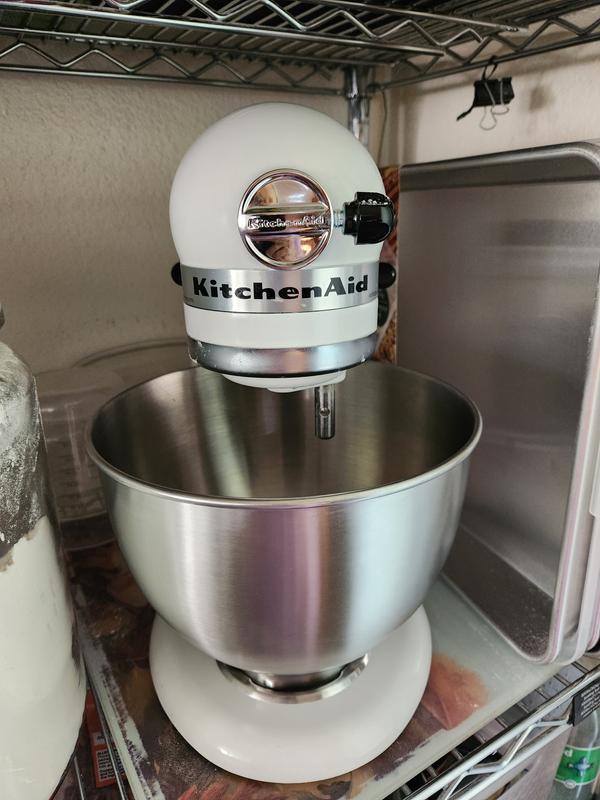
Are you wondering if your Kitchen Aid mixer is dishwasher safe? You’re not alone.
Keeping your mixer clean without damaging it can be tricky. You want to save time and effort, but also protect your investment. What parts can you toss in the dishwasher, and which ones need gentle hand washing? You’ll get clear, simple answers to help you care for your Kitchen Aid mixer the right way.
Keep reading to avoid costly mistakes and keep your mixer working like new.

Credit: www.amazon.ca
Dishwasher Safety For Kitchenaid Mixers
Keeping your KitchenAid mixer clean is important for its performance. Many wonder if these mixers or their parts are safe in the dishwasher. Proper cleaning methods extend the life of your mixer and keep it looking new. Understanding which parts can go in the dishwasher and which should not is key.
Which Parts Are Dishwasher Safe
Some KitchenAid mixer parts can be cleaned in the dishwasher. These include:
- Flat beater
- Wire whip
- Dough hook
These attachments are usually made of metal or coated materials. Place them on the top rack only. Avoid harsh detergents and high heat settings to protect their finish.
Parts To Avoid Putting In Dishwasher
The mixer bowl itself is often dishwasher safe, but check the model. The main mixer body must never go in the dishwasher. It contains electrical parts that water can damage.
Other parts to avoid include:
- Mixing bowl lid
- Plastic parts and knobs
- Any parts with electronic components
Hand wash these parts with warm, soapy water for safety.
Manufacturer's Guidelines On Cleaning
KitchenAid advises users to read the manual before cleaning. Each model may have specific instructions. Following these keeps the mixer in good condition.
The general advice includes:
- Detach removable parts before cleaning
- Use mild soap and a soft cloth for the body
- Dry parts completely before reassembling
Proper care prevents damage and maintains mixer performance.
Proper Cleaning Techniques
Keeping your KitchenAid mixer in top shape means knowing how to clean it properly. The right cleaning techniques not only maintain its performance but also extend its lifespan. Let’s break down the best ways to clean both the attachments and the mixer body, and which cleaning agents work best for the job.
Handwashing Attachments
Attachments like the flat beater, dough hook, and wire whip usually aren’t dishwasher safe. Handwashing is the safest way to keep them clean without damaging their finish. Use warm, soapy water and a soft cloth or sponge to remove batter or dough residue.
Pay attention to any crevices where food might get stuck. For stubborn spots, soak the attachments for a few minutes before scrubbing gently. Avoid abrasive scrubbers that can scratch the surface.
Cleaning The Mixer Body
The mixer body itself should never go in the dishwasher. Instead, wipe it down with a damp cloth immediately after use to prevent buildup. If you notice dried-on splatters, use a mild cleaner applied to the cloth, not directly on the mixer.
Take care around buttons and knobs to prevent moisture from seeping inside. A quick wipe after every use makes deep cleaning much easier and keeps your mixer looking new.
Best Cleaning Agents To Use
Choose mild dish soap or a gentle all-purpose cleaner for your KitchenAid mixer. Harsh chemicals or bleach can damage the finish and reduce the mixer’s lifespan. A mixture of baking soda and water works well for tougher stains and odors.
If you want to freshen up the attachments, a splash of white vinegar in warm water can help remove residual smells. Do you find yourself reaching for the same cleaning products every time? Trying a few alternatives might surprise you with better results and safer care for your mixer.
Maintenance Tips For Longevity
Maintaining your KitchenAid mixer is key to ensuring its longevity and performance. Consistent care not only keeps it running smoothly but also helps you avoid costly repairs. Let's dive into some practical maintenance tips that can extend the life of your beloved mixer.
Regular Inspection And Care
Start by regularly inspecting your mixer for any signs of wear and tear. Check the cord for fraying and ensure all attachments are in good condition. It's much easier to address small issues before they become big problems.
After each use, wipe down the mixer with a damp cloth. Avoid using abrasive cleaners that can damage the surface. Remember, a quick clean after every session can save you from a major scrub down later.
Lubrication And Mechanical Upkeep
Lubrication is essential to keep your mixer's gears running smoothly. Over time, the grease within the mixer can break down, leading to increased friction and wear.
Consider checking the manual for guidance on how often lubrication is needed. If you're unsure, seeking professional maintenance every few years can be a wise investment to keep everything running seamlessly.
Storage Recommendations
When not in use, store your KitchenAid mixer in a dry, safe place. Avoid placing it near heat sources or in damp environments which can cause rust or damage to electronic components.
If you have limited counter space, consider a mixer cover to protect it from dust and kitchen splatters. A simple cover can go a long way in preserving the mixer's appearance and functionality.
Have you found any unique tips that work well for your mixer? Sharing your experience could help others in the community. Keeping your KitchenAid in top shape ensures it’s always ready for your next culinary adventure!
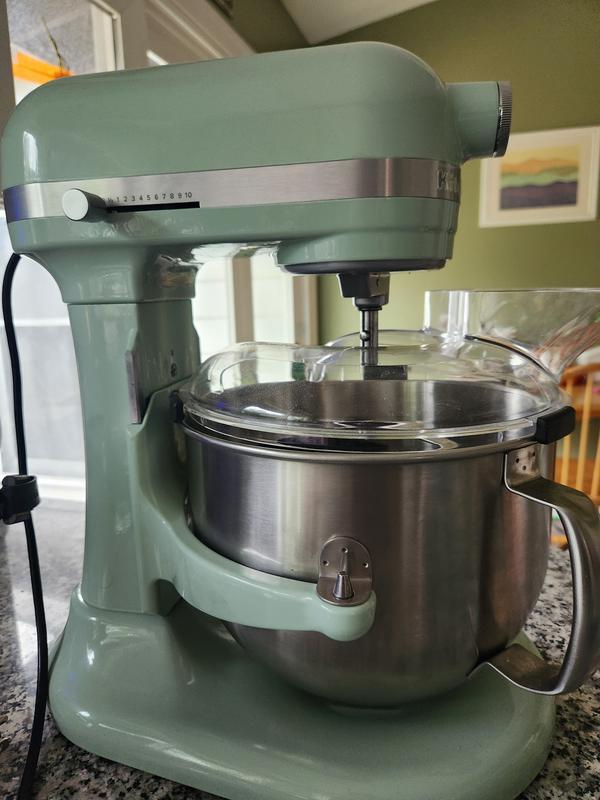
Credit: www.kitchenaid.com
Common Mistakes To Avoid
Using a Kitchen Aid mixer can make cooking and baking a breeze, but cleaning it properly is key to keeping it in great shape. Many people unintentionally damage their mixers by making avoidable mistakes during the cleaning process. Understanding these common errors helps you protect your investment and ensure your mixer lasts for years.
Using Harsh Chemicals
It’s tempting to grab strong cleaners when scrubbing your mixer, especially if it has stubborn stains. However, harsh chemicals can erode the finish and damage plastic or metal parts. Stick to mild dish soap and warm water instead — it’s gentler and still effective.
Think about your last cleaning experience: did you notice any discoloration or wear after using powerful cleaners? That’s a clear sign to switch to gentler options. Your mixer deserves care, not a chemical attack.
Ignoring Manufacturer Instructions
Every Kitchen Aid mixer comes with specific cleaning guidelines for a reason. Ignoring these instructions can lead to broken parts or void your warranty. For example, some attachments are dishwasher safe, but the main mixer body usually isn’t.
Have you ever tossed a mixer part in the dishwasher only to find it warped or rusted? Taking time to read the manual can save you from these frustrating mishaps. Follow the recommended steps closely to keep your mixer running smoothly.
Improper Drying Methods
After washing, it’s crucial to dry your mixer and its parts thoroughly. Leaving moisture can cause rust or mold, especially around crevices and metal components. Avoid air drying in humid areas; instead, use a clean towel and let parts air dry in a well-ventilated space.
Have you noticed a lingering smell or discoloration after drying your mixer? That’s often due to improper drying. Paying attention to this simple step can make a huge difference in maintaining your mixer’s condition.
Troubleshooting Cleaning Issues
Cleaning your Kitchen Aid mixer thoroughly can sometimes be a challenge, especially when you encounter tough stains or unexpected issues. Knowing how to troubleshoot these cleaning problems can save you time and keep your mixer looking and working like new. Here’s how to handle some common cleaning troubles effectively.
Removing Stubborn Residue
Stubborn residue often builds up around the mixer’s attachments and crevices. Instead of scrubbing hard with abrasive cleaners, try soaking the parts in warm soapy water for 15-20 minutes. This softens the residue, making it easier to wipe away with a soft cloth or sponge.
For dried dough or batter stuck in tight spots, use a soft-bristle toothbrush to gently loosen it. Avoid metal tools that might scratch the finish or damage the surface. Have you ever noticed residue that just won’t come off no matter how much you scrub? Patience and gentle soaking usually do the trick.
Dealing With Rust Or Corrosion
Rust or corrosion can appear if moisture lingers on your mixer’s metal parts. To prevent this, always dry the attachments and mixer body thoroughly after cleaning. If rust spots do appear, a paste made from baking soda and water can help remove them without harming the metal.
Apply the paste to the rusted area, let it sit for 10-15 minutes, then gently scrub with a soft brush. Rinse and dry immediately to avoid further corrosion. Have you checked your mixer lately for any signs of rust? Early attention can prevent costly damage.
When To Seek Professional Help
Sometimes, cleaning issues signal deeper problems like electrical faults or damaged components. If your mixer isn’t working properly after cleaning or you notice unusual noises, it’s best to consult a professional technician. Attempting repairs yourself may void your warranty or cause more harm.
Trusting an expert ensures your mixer gets the right care and keeps running smoothly. Do you know where your nearest authorized Kitchen Aid service center is? Keeping that contact handy can save you stress when problems arise.

Credit: www.reddit.com
Frequently Asked Questions
Is The Kitchenaid Mixer Bowl Dishwasher Safe?
Yes, most KitchenAid mixer bowls are dishwasher safe. However, hand washing is recommended to maintain the finish and durability.
Can I Put Kitchenaid Attachments In The Dishwasher?
Generally, KitchenAid attachments should be hand washed. Some metal attachments are dishwasher safe, but check the manual to avoid damage.
How Do I Clean My Kitchenaid Mixer Properly?
Use a damp cloth to wipe the mixer body. Hand wash bowls and attachments with mild soap for best results.
Will Dishwasher Damage Kitchenaid Mixer Parts?
Dishwashers can cause discoloration and wear on some parts. Hand washing extends the life and appearance of your mixer components.
Conclusion
KitchenAid mixers have parts that are dishwasher safe. Most attachments and bowls can go in the dishwasher. The mixer itself should never be washed in a dishwasher. Always check your model’s manual for exact instructions. Proper cleaning keeps your mixer working well.
Taking care of it saves time and money. Simple steps help your mixer last longer. Keep your kitchen tools clean and ready to use. This way, baking stays fun and easy every time.