
Wondering if you can put your KitchenAid attachments in the dishwasher? You’re not alone.
Cleaning these handy tools can be tricky, and you want to make sure you don’t damage them or lose their performance. Getting the right answer can save you time, effort, and even money. Keep reading to find out exactly how to clean your KitchenAid attachments safely and easily.
Your next meal prep will thank you.
Kitchenaid Attachments Overview
KitchenAid attachments expand the functionality of your stand mixer, turning it into a versatile tool for many kitchen tasks. These attachments let you do everything from pasta making to grinding meat with ease.
Knowing what types of attachments are available and what materials they’re made from helps you care for them properly. This knowledge also guides you on whether they can go in the dishwasher or need hand washing.
Common Types Of Attachments
- Pasta Roller and Cutter:Rolls dough into thin sheets and cuts it into noodles like spaghetti or fettuccine.
- Food Grinder:Grinds meat, cheese, or vegetables for homemade sausages or fresh ground beef.
- Vegetable Spiralizer:Turns vegetables into spirals or ribbons, perfect for salads or low-carb meals.
- Ice Cream Maker:Churns and freezes homemade ice cream, gelato, or sorbet.
- Grain Mill:Grinds whole grains into flour for baking fresh bread or pastries.
Materials Used In Attachments
Most KitchenAid attachments are made from a mix of metals like stainless steel and die-cast zinc. These metals provide strength and durability, especially for parts that handle tough ingredients.
Some attachments include plastic components, particularly for housings or handles. These plastics are usually dishwasher safe, but metal parts often require more careful cleaning to avoid damage.
Do you know which parts of your attachments can handle the dishwasher and which need gentle handwashing? Understanding this can save you from costly replacements and keep your tools performing well longer.

Credit: www.reddit.com
Dishwasher Safety For Attachments
Keeping Kitchen Aid attachments clean is important for hygiene and performance. Knowing if these attachments are dishwasher safe helps avoid damage. Proper dishwasher use saves time and keeps parts in good condition.
Dishwasher-safe Labels
Check the attachment or user manual for dishwasher-safe labels. These labels show if the part can handle dishwasher heat and water. Many Kitchen Aid attachments have a symbol or note about dishwasher safety. Without this label, hand washing is safer.
Risks Of Dishwashing Certain Parts
Some parts may warp or lose color in the dishwasher. High heat can damage plastic or rubber components. Sharp blades may dull faster from dishwasher cycles. Small parts can get stuck or lost in the dishwasher. Hand washing these parts helps maintain their shape and function.
Attachment Cleaning Tips
Keeping your KitchenAid attachments clean extends their lifespan. It ensures food safety and optimal performance. These tips will help you maintain them effortlessly.
Hand Washing Best Practices
Use warm, soapy water for cleaning attachments. A soft brush can help reach tight spots. Rinse thoroughly to remove soap residue. Dry with a clean towel to prevent water spots.
Removing Stubborn Residue
Soak attachments in warm water before scrubbing. Baking soda can tackle tough stains. Create a paste with water for effective cleaning. A soft brush can remove residue without scratching.
Drying And Storage
Dry attachments immediately after washing. Use a soft towel or air dry completely. Store in a dry place to prevent rusting. Use a dedicated drawer or organizer for neat storage.
Credit: www.amazon.com
Dishwasher Cleaning Steps
Cleaning KitchenAid attachments in the dishwasher can save time and effort. Following the right steps ensures they stay in good shape. Proper cleaning helps avoid damage and keeps your attachments working well. Here are key steps to follow for dishwasher cleaning.
Preparing Attachments For Dishwasher
Remove any large food pieces from the attachments. Rinse them under warm water to clear loose debris. Detach any removable parts to clean them thoroughly. Check the manufacturer’s guide for dishwasher safety. Avoid placing attachments with wooden or metal parts in the dishwasher.
Proper Placement In Dishwasher
Place attachments securely on the top rack to prevent damage. Avoid crowding to allow water and detergent to reach all surfaces. Position sharp blades facing down for safety. Keep small parts in a dishwasher basket to avoid losing them. Ensure attachments do not block the spray arms.
Recommended Dishwasher Settings
Choose a gentle or normal cycle with moderate heat. Use a mild detergent that is safe for kitchen tools. Avoid high heat settings which can warp plastic parts. Skip the heated drying cycle to protect sensitive materials. Allow attachments to air dry after the cycle ends.
Attachment Maintenance
Proper maintenance of Kitchen Aid attachments keeps them working well for a long time. Careful handling and cleaning prevent damage and ensure safety. Regular attention helps avoid costly repairs or replacements.
Regular Inspection
Check attachments before and after each use. Look for cracks, rust, or loose parts. Make sure blades and gears are sharp and intact. Early detection of issues saves time and money. Replace damaged parts immediately to avoid accidents.
Lubrication And Care
Some attachments need lubrication to work smoothly. Use food-safe oils to protect moving parts. Avoid water contact on bearings or metal gears to prevent rust. Wipe attachments dry after washing. Store them in a clean, dry place to keep them safe.
Troubleshooting Cleaning Issues
Cleaning Kitchen Aid attachments can sometimes be tricky. Certain parts may not come clean easily or might even get damaged. Troubleshooting cleaning issues helps keep your attachments in good shape and your kitchen hygienic. Knowing common problems and when to replace attachments saves time and effort.
Common Problems And Solutions
- Food residue stuck:Soak attachments in warm, soapy water before washing.
- Grease buildup:Use a soft brush to scrub hard-to-reach areas.
- Dishwasher damage:Some attachments are not dishwasher-safe; hand wash these.
- Rust spots:Dry attachments immediately after washing to prevent rust.
- Stains or discoloration:Use a baking soda paste to gently remove stains.
When To Replace Attachments
Check attachments regularly for cracks or wear. Cracked parts can cause food contamination or machine damage. Bent or misshapen attachments may not work properly. Replace attachments if they no longer fit securely. Also, replace if cleaning does not remove odors or stains. Using damaged attachments can reduce your kitchen aid’s efficiency and safety.

Credit: chimiya.com
Frequently Asked Questions
Can I Wash Kitchenaid Attachments In The Dishwasher?
Yes, many KitchenAid attachments are dishwasher-safe. Always check the user manual to confirm if your specific attachment can go in the dishwasher. Hand washing is recommended for delicate parts to maintain longevity.
Which Kitchenaid Attachments Are Dishwasher Safe?
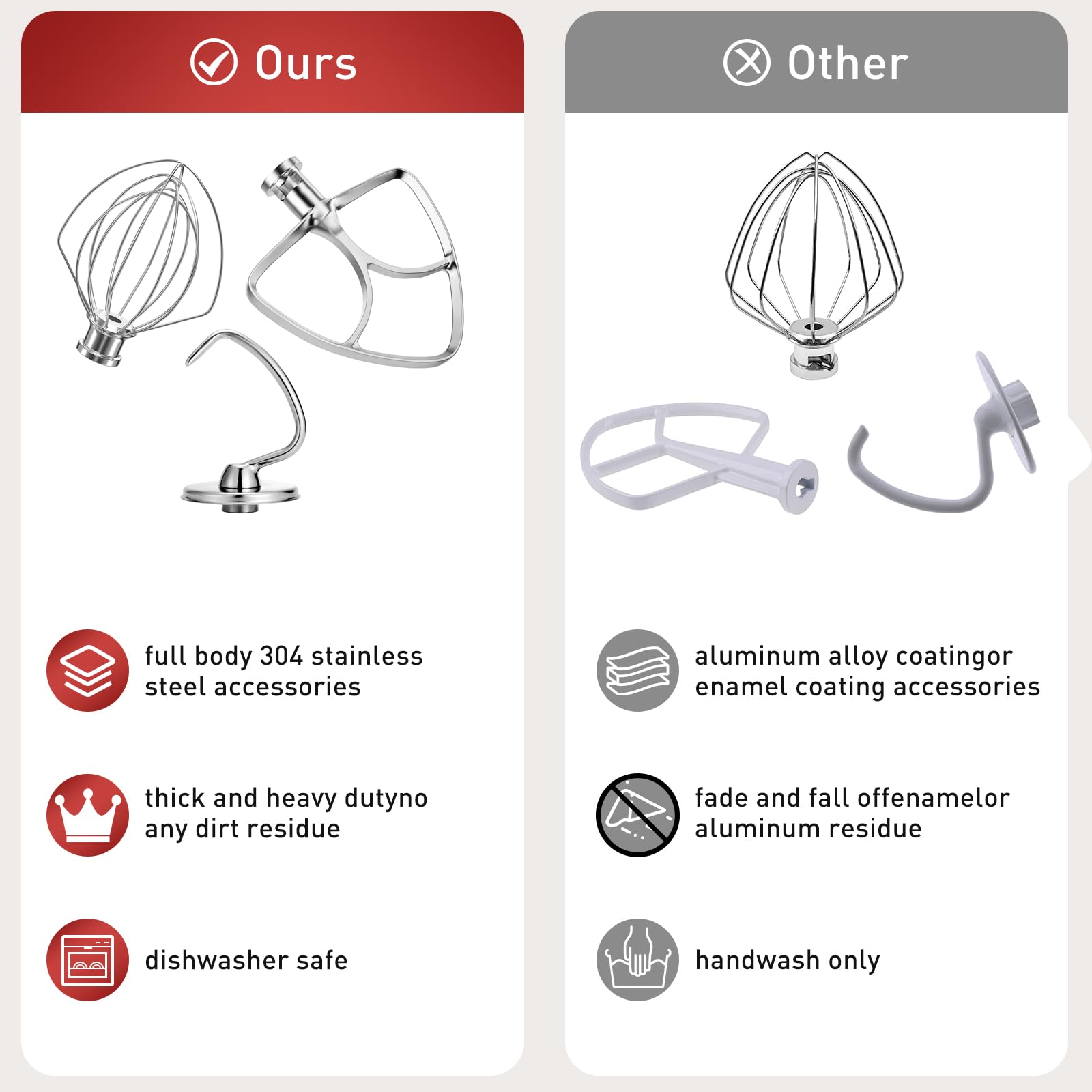
Common dishwasher-safe attachments include flat beaters and dough hooks made of metal. Plastic or coated attachments may require hand washing. Always verify the cleaning instructions in your product guide.
How To Clean Non-dishwasher Safe Kitchenaid Attachments?
For non-dishwasher safe parts, use warm soapy water and a soft cloth. Avoid abrasive sponges to prevent damage. Dry thoroughly before storing to avoid rust or mold.
Will Dishwasher Damage Kitchenaid Attachments?
Dishwashing can damage some attachments by causing rust or warping. High heat and harsh detergents may degrade plastic parts. Follow manufacturer guidelines to protect your attachments.
Conclusion
KitchenAid attachments need gentle care to last longer. Many parts are dishwasher safe, but check the manual first. Some attachments can warp or lose their finish in the dishwasher. Hand washing with mild soap and warm water often works best.
Dry each piece completely before storing to avoid rust. Taking simple steps keeps your tools clean and ready to use. Protect your investment with proper cleaning habits every time. Your KitchenAid will perform well for years with good care. Easy to clean and maintain—just follow these tips.