

Have you ever wondered if it’s okay to brush your teeth in the kitchen sink? You might think it’s no big deal, but the truth could surprise you.
Your kitchen is where you prepare food, and your mouth is where everything begins. Mixing the two might raise some important questions about hygiene and safety. Before you grab your toothbrush next time, keep reading to find out what experts say and how you can keep both your smile and your kitchen clean.
This simple habit could be affecting more than you realize.
Credit: www.rd.com
Kitchen Sink Hygiene Risks
Using the kitchen sink to brush your teeth might seem convenient, but it raises important hygiene questions. Kitchen sinks come into contact with raw food, dirty dishes, and various bacteria. Understanding the risks can help you decide if this habit is safe or if it’s better to stick to the bathroom sink.
Common Germs In Kitchen Sinks
Kitchen sinks often harbor a variety of germs. You can find bacteria like E. coli, Salmonella, and Campylobacter, which come from raw meat and vegetables. These germs thrive in the moist environment and can easily transfer to your toothbrush or mouth.
Have you ever noticed a strange smell or residue around your kitchen drain? That’s a sign of bacterial buildup. Even if you clean regularly, some bacteria can survive and multiply quickly.
Cross-contamination Concerns
When you brush your teeth in the kitchen sink, your toothbrush may touch surfaces contaminated with food particles or bacteria. This contact risks transferring harmful germs directly into your mouth. It’s a common route for cross-contamination that many people overlook.
Think about the last time you rinsed raw chicken or peeled vegetables over the sink. These activities can spread bacteria onto the faucet and basin, increasing the chance of contamination. Are you comfortable exposing your oral hygiene tools to this environment?
Comparing Bathroom And Kitchen Sinks
Bathroom sinks are designed primarily for personal hygiene. They usually have fewer germs since they’re mostly exposed to clean water and soap. This makes them a safer place to brush your teeth.
In contrast, kitchen sinks are high-traffic zones for food prep and waste disposal. They often contain more bacteria and debris. Choosing where to brush your teeth can affect your overall health more than you might expect.

Credit: uk.style.yahoo.com
Health Implications
Brushing your teeth in the kitchen sink may seem convenient. Yet, it has several health implications. The kitchen sink often harbors germs that can affect your health and oral hygiene.
Potential Illnesses From Bacteria
Kitchen sinks hold many bacteria from raw food and dirty dishes. These germs can transfer to your toothbrush and mouth. This increases the risk of infections like:
- Gastrointestinal illnesses
- Respiratory infections
- Skin infections
Cross-contamination is common in kitchen sinks. Bacteria like E. coli and Salmonella can survive on sink surfaces.
Impact On Oral Health
Bacteria from the kitchen sink can harm your mouth. They cause plaque buildup, bad breath, and gum diseases. Using a contaminated sink may undo your brushing efforts. It can lead to tooth decay and oral infections.
Vulnerable Groups
Some people face higher risks from bacteria in the kitchen sink. These groups include:
- Children with developing immune systems
- Older adults with weaker immunity
- People with chronic illnesses
- Those undergoing medical treatments
For these groups, exposure to kitchen sink bacteria can cause serious health problems.
Safe Alternatives For Brushing
Brushing your teeth in the kitchen sink might not be ideal. It can lead to hygiene issues and cross-contamination. Fortunately, there are safe alternatives for brushing that ensure cleanliness and efficiency.
Best Practices In The Bathroom
Use the bathroom sink for brushing. It is designed for personal hygiene tasks. Ensure the sink is clean and free from clutter. Use a designated cup for rinsing. This prevents mixing with other items. Keep your toothbrush stored in a holder. This keeps it dry and reduces bacterial growth.
Using Portable Toothbrush Holders
Portable toothbrush holders are a great solution. They allow for easy storage and transport. Choose holders with ventilation holes. This helps keep the toothbrush dry. Compact designs fit easily in bags or suitcases. Perfect for travel or small spaces. Use holders to keep brushes safe and clean.
Tips For Maintaining Cleanliness
Regular cleaning is essential for hygiene. Wash your toothbrush holder weekly. Use warm water and mild soap. Allow it to air dry completely. Replace your toothbrush every three months. This prevents bacteria buildup. Avoid sharing toothbrushes with others. It reduces the risk of germ transmission.
Cleaning And Sanitizing The Kitchen Sink
Cleaning and sanitizing your kitchen sink is essential if you’re considering brushing your teeth there. The kitchen sink often collects food residues, bacteria, and even mold, which can make it a less-than-ideal spot for oral hygiene. Keeping it clean not only protects your health but also makes the space more pleasant and safe for any use.
Effective Cleaning Methods
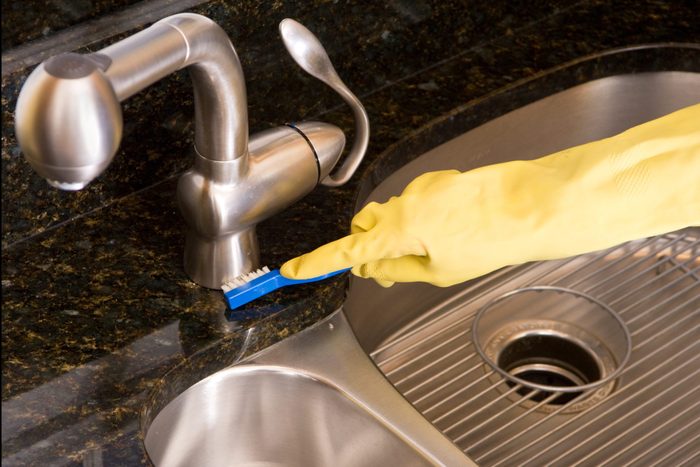
Start by rinsing the sink with hot water to loosen grime. Use a sponge or brush with dish soap to scrub all surfaces, including the faucet handles and drain area. Don’t forget to clean under the rim where dirt can hide.
After scrubbing, rinse thoroughly with warm water. For extra cleanliness, wipe the sink dry with a clean cloth to prevent water spots and bacteria growth. You might want to use a toothbrush to reach tight corners.
Frequency Of Disinfection
How often do you clean your kitchen sink? Ideally, disinfect it at least once a day if you use it frequently for food prep. If you decide to brush your teeth there, increasing disinfection to twice a day is a smart move.
Deep cleaning with a disinfectant once or twice a week helps keep germs under control. Remember, regular wiping after each use can reduce buildup and keep your sink safer for multiple tasks.
Products To Use And Avoid
Choose disinfectants that are safe for kitchen surfaces but strong enough to kill bacteria and viruses. Bleach diluted with water is effective, but make sure to rinse well to avoid chemical residues. Vinegar and baking soda are natural alternatives that can clean and deodorize without harsh chemicals.
Avoid abrasive cleaners or steel wool, as they can scratch your sink’s surface, creating spots where bacteria can hide. Also, skip using mouthwash or toothpaste as cleaning agents—they’re not designed to sanitize surfaces and may leave residues.
When Brushing In The Kitchen Might Be Okay
Brushing your teeth in the kitchen sink is not common practice, but some situations make it acceptable. Understanding when this might be okay helps maintain hygiene and avoid contamination. Proper care can keep both your teeth and kitchen clean.
Situations With Limited Options
Sometimes, the bathroom sink is not available. This can happen during home repairs or if the bathroom is occupied. Traveling or staying in a place with no bathroom access also limits options. In such cases, the kitchen sink becomes a practical alternative.
Children might find the kitchen sink easier to reach. For quick brushing after meals, the kitchen sink offers convenience. These situations make brushing in the kitchen sink a reasonable choice.
Precautions To Take
Cleaning the kitchen sink before brushing is essential. Use soap and water to remove food and bacteria. Avoid using the kitchen sink if raw meat or fish was recently prepared there.
Keep your toothbrush away from the drain area. Do not place toothpaste or water residue near food preparation spaces. Wash your hands thoroughly before and after brushing in the kitchen sink.
Minimizing Risks
- Disinfect the sink surface regularly with a safe cleaner.
- Use a separate cup for rinsing your mouth.
- Rinse the toothbrush well after use and store it away from the sink.
- Avoid brushing during meal prep times to reduce contamination risk.
- Keep kitchen towels and sponges clean to prevent germs spreading.
These steps reduce the chance of spreading germs and keep your kitchen safe while brushing your teeth.

Credit: www.vectorstock.com
Frequently Asked Questions
Can You Brush Your Teeth In The Kitchen Sink Safely?
Yes, you can brush your teeth in the kitchen sink if it is clean. Ensure the sink is disinfected regularly to avoid bacteria. Avoid cross-contamination by not placing your toothbrush directly on the sink surface. Using a separate cup for rinsing is also recommended.
Is The Kitchen Sink Hygienic For Brushing Teeth?
The kitchen sink can harbor bacteria from food and dishwashing. It is less hygienic than a bathroom sink if not cleaned properly. Regularly disinfecting the sink and faucet reduces germs. For best hygiene, use a designated toothbrush holder and rinse your mouth with clean water.
Does Brushing Teeth In The Kitchen Sink Affect Oral Health?
Brushing teeth in the kitchen sink does not directly affect oral health. However, exposure to kitchen bacteria might increase infection risk. Maintaining good oral hygiene and cleaning the sink area minimizes any health concerns. Always use fresh water and clean utensils when brushing.
What Are The Risks Of Brushing Teeth In The Kitchen Sink?
Risks include exposure to foodborne bacteria and cross-contamination from dirty dishes. The kitchen sink often has more bacteria than the bathroom sink. These bacteria can cause oral infections if hygiene is poor. Cleaning and disinfecting the sink regularly reduces these risks effectively.
Conclusion
Brushing your teeth in the kitchen sink can be done carefully. Keep the sink clean to avoid germs and bacteria. Use fresh water and rinse your toothbrush well. Remember, bathroom sinks are designed for this purpose. Still, the kitchen sink works in a pinch.
Always wash your hands before brushing anywhere. Staying safe and clean is the main goal. Choose the best spot for your health. Your smile will thank you for good habits.