

Is your kitchen sink clogged and slowing you down? You might be wondering if a simple plunger can fix the problem without calling a plumber.
The good news is, you can often clear that stubborn blockage yourself with the right technique. But before you grab that plunger, it’s important to know how to use it effectively on your kitchen sink. Keep reading, and you’ll discover easy steps to get your sink flowing smoothly again—saving you time, money, and stress.
Choosing The Right Plunger
Choosing the right plunger is key to unclogging a kitchen sink effectively. Not every plunger works well for kitchen sinks. Selecting a suitable plunger saves time and avoids damage. Understanding the types, materials, and sizes helps in making the best choice.
Types Of Plungers For Kitchen Sinks
There are mainly two types of plungers used for kitchen sinks:
- Cup Plunger:This plunger has a simple rubber cup shape. It works well for flat surfaces like kitchen sinks.
- Flange Plunger:This plunger has an extra rubber flap called a flange. It fits better into pipes and creates a stronger seal.
The cup plunger is good for shallow sinks. The flange plunger works best for deeper drains. Choose a plunger that fits the sink drain opening tightly.
Materials And Sizes To Consider
Plungers come in different materials. Common ones include rubber and silicone.
- Rubber:Traditional and flexible. It provides a good seal and strong suction.
- Silicone:More durable and easy to clean. It also resists cracks.
Size matters too. A plunger too large or too small will not seal properly. Most kitchen sink plungers range from 3 to 6 inches in diameter. Pick a size that covers the drain opening fully.

Credit: www.drano.com
Preparing The Sink For Plunging
Before you start plunging your kitchen sink, preparing the area properly can make a huge difference in clearing the clog efficiently. Taking a few simple steps helps create the right conditions for the plunger to work without making a bigger mess. Have you ever tried plunging only to find water spilling everywhere? Avoid that by setting up your sink area correctly first.
Clearing The Sink Area
Remove any dishes, food scraps, or soap containers around your sink. A clear workspace lets you focus on plunging without distractions or spills. Plus, it prevents anything from accidentally falling into the sink and worsening the clog.
Check that the sink basin itself is free of debris. Sometimes small bits of food or grease block the drain and can be manually removed before you start plunging. Clearing the area also means you can quickly grab your plunger without knocking things over.
Sealing Overflow Openings
Many kitchen sinks have overflow openings designed to prevent water from spilling onto your countertop. These openings can let air escape when you plunge, reducing suction power. To get the best plunge, you need to block these openings temporarily.
You can use a wet cloth or duct tape to seal the overflow holes tightly. This simple trick keeps the suction focused on the drain and increases your chances of dislodging the clog. Have you noticed your plunger feels weak? Check if those overflow holes are sealed first.
Proper Plunging Techniques
A clogged kitchen sink can disrupt daily tasks. Using a plunger can help. Proper plunging techniques ensure effectiveness and prevent damage. Follow these tips for best results.
Positioning The Plunger
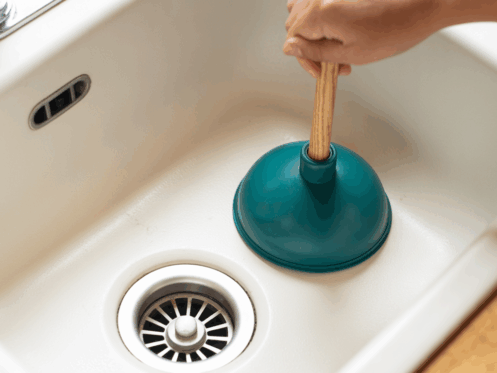
First, remove any standing water. Place the plunger directly over the drain. Ensure the plunger's rim covers the drain completely. A tight seal is crucial for success. This creates the necessary suction.
Effective Pumping Motions
Start with gentle pumps to establish suction. Use firm, rhythmic motions. Move the plunger up and down quickly. Repeat 10 to 15 times. Release the plunger to see if the water drains. If not, repeat the process.
Credit: shopping.yahoo.com
When To Use Alternative Methods
Knowing when to stop using a plunger on your kitchen sink and try something else can save you time and prevent damage. If the blockage feels stubborn or the water isn't moving after several plunges, it’s a clear sign to switch tactics. Your goal is to clear the clog without harming your pipes or making the problem worse.
Chemical Drain Cleaners
Chemical drain cleaners can seem like a quick fix when a plunger fails. They work by breaking down grease, hair, and other debris that cause clogs.
But you should use them carefully. Some cleaners contain harsh chemicals that can damage older pipes or harm the environment. Always follow the instructions on the label and avoid mixing different products. If you have PVC pipes, check if the cleaner is safe for plastic.
Ask yourself: Is the clog organic and slow-moving? Chemical cleaners often work best in these cases. However, if the blockage is caused by solid objects or a collapsed pipe, chemicals won’t help.
Manual Removal Tools
Manual removal tools can be your best friend when plungers and chemicals fail. Tools like a plumber’s snake or a drain auger physically reach into the pipe to break up or pull out the clog.
Using these tools requires a bit of patience and care. You can avoid calling a professional if you take your time and work gently to prevent pipe damage. A simple wire hanger can sometimes work for shallow clogs, but a proper snake is more effective for deeper blockages.
Think about the type of clog you’re dealing with. Is it hair, food scraps, or something else? Knowing this can help you choose the right tool. Don’t hesitate to watch a quick tutorial or ask a neighbor for tips before trying it yourself.
Preventing Future Clogs
Preventing future clogs in your kitchen sink saves you time, money, and frustration. A plunger can fix an immediate blockage, but maintaining a clog-free drain requires ongoing care. Small habits and smart choices help keep your pipes flowing smoothly.
Regular Maintenance Tips
Clean your sink drain regularly to prevent buildup. Pour boiling water down the drain once a week to dissolve grease and soap residue. You can also add a half cup of baking soda followed by a half cup of vinegar, then rinse with hot water after 10 minutes to keep odors and clogs at bay.
Remove food scraps from dishes before washing to reduce debris. Use a drain strainer to catch hair, food particles, and other solids. These simple steps reduce the chances of blockages forming in the first place.
Avoiding Common Mistakes
Don’t pour grease or oil down your kitchen sink. They solidify as they cool and create tough clogs. Instead, collect grease in a container and dispose of it in the trash.
Avoid using chemical drain cleaners frequently. They can damage your pipes over time and may not solve the root cause of the clog. If you rely on plungers or natural cleaning methods, your plumbing stays safer and lasts longer.
Have you ever wondered why some sinks clog more often despite regular plunging? Sometimes it’s about what you put down the drain and how you care for it afterward. Paying attention to these details can keep your kitchen sink clear and functional for years.
Credit: qualitycool.com
Frequently Asked Questions
Can You Use A Plunger On A Kitchen Sink?
Yes, you can use a plunger on a kitchen sink to clear clogs. Ensure there is enough water to cover the plunger’s cup. Create a good seal and plunge vigorously to dislodge the blockage.
What Type Of Plunger Works Best For Kitchen Sinks?
A cup plunger with a flat bottom works best for kitchen sinks. Avoid flange plungers meant for toilets. The flat cup creates a better seal on flat surfaces like sink drains.
How Do You Safely Plunge A Kitchen Sink Drain?
Remove the sink stopper and fill the basin with water. Place the plunger over the drain, ensuring a tight seal. Pump the plunger up and down quickly several times to clear the clog.
When Should You Avoid Using A Plunger On A Kitchen Sink?
Avoid plunging if the sink is filled with standing water or chemicals. Also, don’t plunge if the clog is caused by grease buildup. In such cases, use a drain snake or call a professional.
Conclusion
Using a plunger on a kitchen sink can often clear clogs quickly. It works best for simple blockages near the drain. Avoid harsh chemicals that might damage pipes. Always ensure a good seal with the plunger for better pressure. If the clog stays, calling a plumber is a safe choice.
Regular sink care helps prevent future clogs. Simple tools like plungers save time and money. Try it first before seeking professional help.