
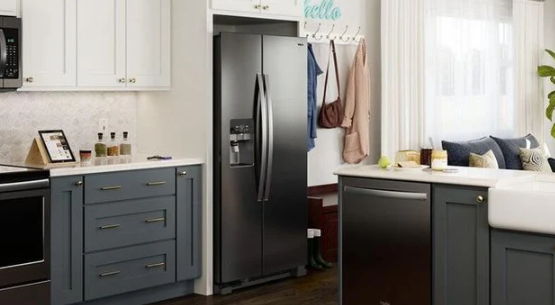
Where you place your refrigerator can change the whole feel and flow of your kitchen. Imagine reaching for your morning juice or grabbing a snack without bumping into anyone or juggling around tight corners.
The right spot makes your kitchen work better for you, saving time and frustration every day. If you want your kitchen to feel spacious, organized, and easy to use, keep reading. This guide will help you find the perfect place for your refrigerator, so your kitchen becomes a space you enjoy and move through effortlessly.
Ideal Refrigerator Locations
Choosing the right spot for your refrigerator is key to a smooth kitchen flow. The ideal location helps you save steps and makes cooking easier. It should connect well with other kitchen zones without blocking movement.
Think about how you move while cooking and cleaning. The fridge needs to be handy but not in the way. Keeping it near key areas improves efficiency and comfort.
Near The Cooking Zone
Placing the refrigerator close to the cooking area saves time. You can grab ingredients quickly while preparing meals. It keeps everything within reach, reducing walking back and forth.
This spot helps keep your cooking process smooth. You avoid delays and stay organized during busy times.
Close To The Sink
Setting the fridge near the sink aids in cleaning and food prep. You can wash vegetables and fruits right after taking them out. It also makes filling pots with water easier.
This location supports a natural workflow from washing to cooking. It reduces clutter and keeps the kitchen tidy.
Accessible From The Dining Area
Position the refrigerator so it is easy to reach from the dining space. This makes grabbing drinks and snacks simple for everyone. It prevents unnecessary trips through the kitchen while eating.
This setup adds convenience and keeps social areas connected. Guests and family members can help themselves without interrupting cooking.
Avoiding Heat Sources
Keep the fridge away from ovens, stoves, and direct sunlight. Heat forces the appliance to work harder, wasting energy. It can also shorten the fridge's lifespan.
Choosing a cooler spot helps maintain temperature and efficiency. This saves money and keeps food fresh longer.
Kitchen Layout Types
Choosing the right spot for your refrigerator depends heavily on your kitchen layout. Each type of kitchen layout offers unique opportunities and challenges when placing such a large and essential appliance. Understanding your kitchen’s design helps you optimize workflow, save space, and keep your kitchen functional and inviting.
Galley Kitchens
Galley kitchens have two parallel countertops with a walkway in between. In this setup, placing the refrigerator at one end of the kitchen keeps it accessible without blocking the path. Positioning it near the entrance allows quick unloading of groceries, reducing unnecessary steps.
Since space is tight, avoid placing the fridge where its door might block cabinet access or the walkway. Think about how often you open the fridge and plan for enough clearance.
L-shaped Kitchens
L-shaped kitchens have two adjoining walls forming a right angle. A common spot for the refrigerator is at the end of one leg, close to the cooking area. This setup supports the kitchen work triangle, making it easier to move between fridge, stove, and sink.
Try placing the fridge near a countertop to create a landing spot for groceries. This setup saves you from juggling heavy bags while searching for counter space.
U-shaped Kitchens
U-shaped kitchens wrap around three walls, offering plenty of storage and work surfaces. Place the refrigerator on one end of the “U” to keep it out of the main cooking zone but still within easy reach. This placement helps maintain smooth traffic flow and prevents crowding near the stove and sink.
If your U-shape is large, consider a fridge with side-by-side doors to minimize the space needed for opening. Think about how you move during meal prep and keep the fridge accessible but unobtrusive.
Open-plan Kitchens
Open-plan kitchens blend with living or dining areas, demanding a more thoughtful fridge placement to maintain aesthetics and function. Positioning the fridge against a wall that doesn’t face the main living space can reduce visual clutter.
Another option is integrating the fridge with cabinetry for a seamless look. Ask yourself, how often do you use the fridge while entertaining? A spot near the kitchen island or bar area might make grabbing snacks easier without interrupting guests.
Traffic Flow And Accessibility
Strategically placing your refrigerator can transform your kitchen into a hub of efficiency and ease. Traffic flow and accessibility are crucial when deciding where this essential appliance should go. Consider how often you and your family navigate the kitchen and how the refrigerator's location can enhance or hinder your daily routines. A well-placed fridge ensures smooth movement and easy access to food and ingredients, making cooking more enjoyable.
Creating Efficient Work Triangles
The work triangle concept involves positioning the refrigerator, stove, and sink in a triangular layout. This setup minimizes unnecessary steps and keeps everything you need within arm's reach. Imagine reaching for ingredients from your fridge, prepping them at the sink, and cooking them on the stove, all with minimal movement. The goal is to reduce the distance between these key stations, optimizing your time and energy in the kitchen. Have you ever noticed how much easier cooking becomes when everything you need is just a step away?
Minimizing Obstructions
Obstructions in the kitchen can disrupt the flow and create frustrating bottlenecks. Ensure the refrigerator doesn’t block pathways or cabinet access. It's essential that family members and guests can move freely, even when the fridge door is open. Consider placing the fridge at the end of a counter or against a wall, where it can be easily accessed without causing congestion. Think about how a clear path can make your kitchen feel more open and inviting.
Ensuring Door Clearance
Refrigerator doors need space to swing open fully. Insufficient clearance can lead to constant frustration and even damage to surrounding cabinetry. Ensure there's enough room for the door to open without hitting obstacles. This might mean adjusting the fridge's position or rearranging nearby furniture. Have you ever been annoyed by a door that won't open all the way? Proper clearance is a small detail that makes a big difference in daily use.
By thoughtfully considering traffic flow and accessibility, you can place your refrigerator in a spot that enhances your kitchen's functionality. Do you think your current fridge placement makes the most of your space, or could it benefit from a little adjustment?
Space And Size Considerations
Choosing the right spot for your refrigerator depends on space and size. These factors affect kitchen flow and appliance performance. Understanding your kitchen’s dimensions helps find the best fit. Also, the refrigerator size should match your needs without crowding the room. Proper ventilation space keeps the fridge running smoothly and lasting longer.
Measuring Available Space
Start by measuring the height, width, and depth of the area. Include extra space for doors to open fully. Check if cabinets or counters limit the space. Don’t forget to measure the floor space and ceiling height. Note any obstacles like vents or electrical outlets nearby.
Choosing The Right Refrigerator Size
Pick a size that fits your kitchen and lifestyle. A large family needs more storage space than a single person. Keep clearance in mind to avoid blocking walkways. Compact refrigerators work well in small kitchens. Standard sizes range from 18 to 36 inches wide.
Allowing For Ventilation
Leave space around the fridge for air circulation. Ventilation prevents overheating and saves energy. Typically, keep at least one inch of space on each side. Also, allow two inches at the back for air vents. Avoid placing the fridge too close to heat sources like ovens.
Aesthetic And Design Tips
Choosing the right spot for your refrigerator is more than just about convenience—it’s about how it fits into your kitchen’s overall look. The way your refrigerator blends or stands out can dramatically change the vibe of your space. Let’s dive into some design tips that help your fridge complement your kitchen, making the entire room feel balanced and stylish.
Matching Refrigerator Style With Cabinets
Think about the style of your cabinets before picking a refrigerator. Sleek, modern kitchens often look great with stainless steel or black stainless appliances that add a clean, polished feel. On the other hand, traditional kitchens might benefit from fridges with a more classic look, like those with rounded edges or retro colors.
Matching colors is important, but don’t forget about texture and finish. Matte finishes can soften the look, while shiny surfaces bring brightness. Ask yourself: does your fridge blend in or become a statement piece?
Built-in Vs Freestanding Options
Built-in refrigerators fit flush with your cabinetry, creating a seamless and clean look. They can make a small kitchen feel larger because they don’t stick out. But keep in mind, they often come with a higher price tag and might require professional installation.
Freestanding refrigerators offer more flexibility and are easier to move if you want to change your kitchen layout. They come in a wide range of styles and sizes, giving you plenty of options to fit your space and budget. Which option feels more practical and visually pleasing for your kitchen?
Using Panels And Covers
Panels and covers are an effective way to integrate your refrigerator into your kitchen design. Custom panels can match your cabinet fronts, making the fridge almost disappear into the background. This trick is especially useful in open-plan kitchens where you want a uniform look.
Magnetic panels or vinyl covers are great if you want a less permanent solution but still want to enhance the fridge’s appearance. Think about your lifestyle—do you want something durable and long-lasting, or something you can change with the seasons or trends?
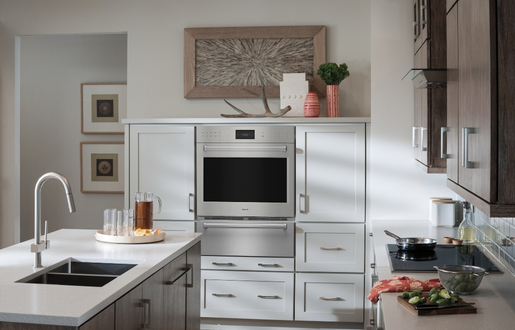
Credit: www.artisanwestappliance.com
Safety And Practicality
Choosing the right spot for your refrigerator is key for safety and ease of use. A well-placed fridge keeps your kitchen safe and works smoothly every day. It avoids accidents, protects your food, and fits into your daily kitchen flow.
Avoiding Wet Or Damp Areas
Never place the refrigerator near sinks or dishwashers. Water and moisture can harm the fridge’s motor and electrical parts. Damp areas cause rust and reduce the fridge’s lifespan. Keep it dry to maintain efficiency and safety.
Preventing Door Collisions
Allow enough space for the fridge door to open fully. Avoid placing the fridge where doors hit walls or cabinets. Door collisions can damage hinges and seals. Clear pathways help you move easily while cooking or cleaning.
Child Safety Tips
Place the fridge in a spot where children can’t easily open it alone. Use child locks if needed to prevent accidents. Avoid spots near stairs or sharp edges. Keep hazardous items out of their reach inside the fridge.
Energy Efficiency Factors
Energy efficiency plays a key role in choosing the best spot for your refrigerator. A well-placed fridge saves electricity and keeps your food fresh longer. Small changes in location can lower energy use significantly.
Keeping Away From Heat Sources
Place the refrigerator far from ovens, stoves, and direct sunlight. Heat forces the fridge to work harder to stay cool. Avoid walls that get sunlight in the afternoon. Cooler spots help the fridge use less power.
Proper Ventilation For Cooling
Ensure there is space around the fridge for air to flow freely. Good ventilation helps the compressor cool efficiently. Leave at least two inches of space on all sides. Avoid tight cabinets that block airflow and trap heat.
Using Energy Star Models
Choose refrigerators with the Energy Star label for better efficiency. These models use advanced technology to reduce electricity use. They cost less to run and are better for the environment. Look for features like improved insulation and efficient compressors.
Credit: www.rd.com
:max_bytes(150000):strip_icc()/GettyImages-532843576-6aff8774d58d4e769304216830fe1d3d.jpg)
Credit: www.thespruce.com
Frequently Asked Questions
Where Is The Best Spot For A Kitchen Refrigerator?
The best spot is near the kitchen entrance but away from heat sources. This placement ensures easy access and keeps the fridge efficient.
Should A Refrigerator Be Near The Cooking Area?
No, avoid placing the fridge next to ovens or stoves. Heat from cooking appliances makes the fridge work harder and wastes energy.
How Much Space Is Needed Around A Refrigerator?
Leave at least 2 inches of space on the sides and 1 inch at the back. Proper ventilation prevents overheating and prolongs fridge life.
Can A Refrigerator Be Placed In A Kitchen Island?
Yes, placing a fridge in a kitchen island is practical for accessibility. Ensure proper ventilation and consider door swing space before installation.
Conclusion
Choosing the right spot for your refrigerator helps your kitchen flow better. Keep it near the cooking and prep areas for easy access. Avoid placing it where heat or direct sunlight can affect its work. Leave space around it for air to move freely.
Think about your kitchen size and layout before deciding. A good location saves time and makes cooking more fun. Small changes can make a big difference in your daily routine. Plan well, and your kitchen will feel organized and comfortable.