
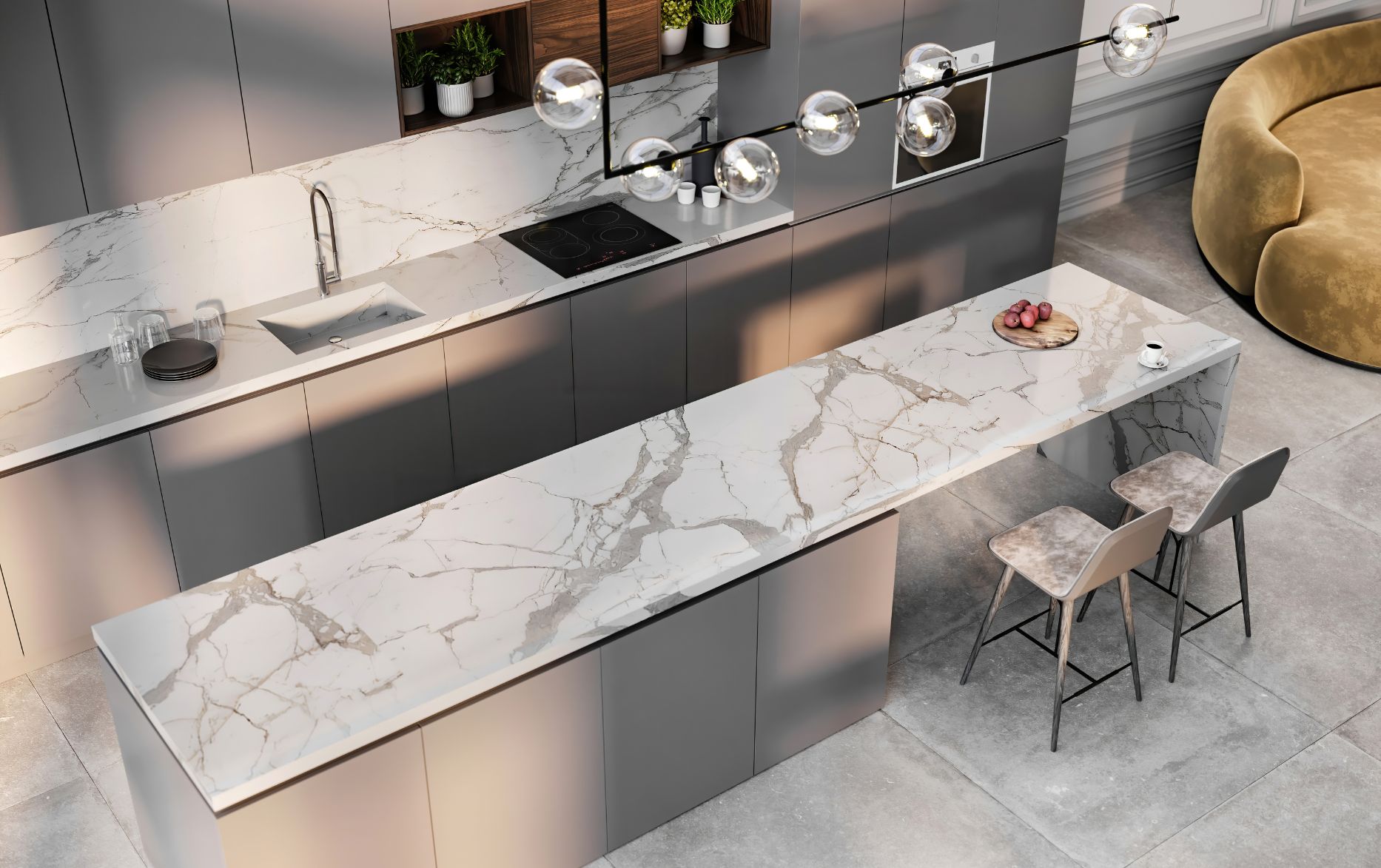
Your kitchen countertop is more than just a workspace—it’s the heart of your kitchen. Over time, it can lose its shine and look dull, making your entire kitchen feel less inviting.
But what if you could bring back that sparkling finish with simple steps you can do yourself? You’ll discover easy and effective ways to polish your kitchen countertop, making it look fresh and new again. Ready to transform your kitchen surface and impress everyone who walks in?
Let’s get started!
Choosing The Right Polish
Choosing the right polish is essential for a shiny and long-lasting kitchen countertop. Different materials need different care. The wrong polish can damage the surface or make it dull. Understanding your countertop type helps pick the best product. This ensures safety and keeps your kitchen looking fresh.
Types Of Countertop Materials
Kitchen countertops come in many types. Granite, marble, quartz, and laminate are popular choices. Each material has unique features and needs special care. Natural stones like granite and marble are porous and delicate. Quartz is durable but sensitive to harsh chemicals. Laminate is affordable but can scratch easily. Knowing your countertop type guides your polish choice.
Best Polishes For Granite And Marble
Granite and marble need polishes made for natural stone. These polishes protect and enhance shine. They seal pores and prevent stains. Look for products labeled “stone polish” or “natural stone care.” Avoid acidic or abrasive cleaners. These can etch or dull the surface. Use a soft cloth to apply polish gently. Regular polishing keeps granite and marble bright and smooth.
Safe Options For Laminate And Quartz
Laminate and quartz require gentle, non-abrasive polishes. For laminate, use polish designed for plastic or laminate surfaces. This prevents scratches and keeps color vibrant. Quartz polishes should be free of harsh chemicals. Mild soaps or specially formulated quartz cleaners work well. Avoid wax-based products on quartz. They can leave residue and dull shine. Use soft cloths to apply polish evenly.

Credit: www.youtube.com
Preparing Your Countertop
Preparing your kitchen countertop before polishing is crucial to achieving a smooth, shiny finish. This step ensures that dirt, stains, and minor damages won’t interfere with the polishing process. Taking the time to properly prepare your surface saves you from frustration and gives your countertop a fresh, renewed look.
Cleaning And Removing Stains
Start by clearing all items off your countertop. Use a gentle cleaner suited for your countertop material—whether it’s granite, marble, or laminate. Avoid harsh chemicals that can damage the surface.
Apply the cleaner with a soft cloth or sponge, scrubbing lightly to lift dirt and food stains. For stubborn spots, a paste made of baking soda and water often works wonders. Have you noticed how a clean surface instantly brightens your kitchen?
Repairing Minor Scratches And Chips
Minor scratches and chips can ruin the polished look if left untreated. Use a repair kit designed for your countertop type to fill in small cracks or scratches. These kits often include putty or resin that matches common countertop colors.
Apply the filler carefully using a plastic scraper, then let it dry completely. Sand the area lightly with fine-grit sandpaper to smooth it out. This step creates a seamless surface that reflects light evenly once polished.
Drying And Surface Inspection
After cleaning and repairs, dry your countertop thoroughly with a lint-free cloth. Moisture trapped under polish can cause cloudiness or streaks. Take your time to inspect the surface under good lighting.
Look closely for any missed stains, rough spots, or remaining debris. Addressing these now prevents imperfections from showing after polishing. How often do you pause to examine your countertop before starting a project?
Polishing Techniques
Start by cleaning the countertop to remove dirt and stains. Use a soft cloth with polish or a gentle abrasive to buff the surface. Finish by wiping with a dry cloth for a smooth, shiny look.
Polishing kitchen countertops can transform the entire look of your kitchen space. It not only enhances the aesthetic appeal but also extends the lifespan of your countertops. You might wonder how to achieve that gleaming finish that seems like it belongs in a showroom. Let's dive into some effective polishing techniques that you can easily master.
Applying Polish Evenly
The secret to a brilliant shine lies in how evenly you apply the polish. Start by cleaning your countertop thoroughly to remove any grime or debris. Apply a small amount of polish using a soft cloth, ensuring you cover all areas uniformly. It's essential to use a circular motion, as this helps distribute the polish evenly across the surface. Picture the process as giving your countertop a gentle massage. Have you ever noticed how a gentle touch can make a difference?
Using The Right Tools
Selecting the correct tools can dramatically affect the outcome. Opt for a microfiber cloth or a soft sponge to avoid scratches. These materials are gentle yet effective in applying polish without causing damage. A common mistake is using abrasive pads that can leave marks. Ever tried using a rough towel on delicate skin? The same principle applies here. Prioritize tools that are kind to your countertop.
Buffing For Maximum Shine
Buffing is where the magic happens. After applying the polish, use a clean, dry cloth to buff the surface. The goal is to remove excess polish and enhance shine. Work in small sections using brisk, circular motions. This process not only elevates the gloss but also ensures no residue is left behind. Imagine the satisfaction of seeing your reflection in the countertop's shine. Are you ready to see your kitchen sparkle like never before? By focusing on these techniques, you'll achieve a polished finish that makes your kitchen a place you love to be. Transform your kitchen into a space that reflects both your style and care.
Maintaining The Shine
Maintaining the shine on your kitchen countertop keeps it looking fresh and new. Regular care prevents dullness and surface damage. A well-polished countertop enhances your kitchen's beauty and extends its life.
Regular Cleaning Tips
Clean your countertop daily to remove dust and spills. Use a soft cloth or sponge with mild soap and warm water. Avoid harsh chemicals that can strip the polish. Wipe spills immediately to prevent stains. Dry the surface after cleaning to avoid water marks.
Avoiding Damage And Stains
- Use cutting boards to protect the surface from scratches.
- Place hot pots on trivets or heat pads to avoid burns.
- Do not use abrasive scrubbers that can dull the finish.
- Keep acidic foods like lemon and vinegar away from the countertop.
- Clean spills of oil or wine quickly to prevent stains.
When To Reapply Polish
Check your countertop regularly for signs of wear. If the surface looks dull or feels rough, it needs polish. Reapply polish every few months for natural stone or laminate. Follow product instructions for best results. Polishing keeps the surface smooth and shiny.
Troubleshooting Common Issues
Polishing your kitchen countertop can bring out its natural beauty, but sometimes issues pop up that spoil the finish. Troubleshooting these common problems helps you keep your surface looking flawless without extra hassle. Let’s look at how to fix typical issues like hazy residue, uneven shine, and polish build-up.
Removing Hazy Residue
A hazy residue often appears after polishing if too much product is left on the surface or if it wasn’t wiped off properly. This foggy layer dulls the shine and can feel sticky to the touch. To remove it, dampen a soft cloth with warm water and gently buff the area in circular motions.
If water alone doesn’t do the trick, try mixing a small amount of mild dish soap with water. Apply this solution with a clean cloth, then rinse thoroughly with plain water. Avoid harsh chemicals—they can damage the countertop finish and make the haze worse.
Dealing With Uneven Shine
Uneven shine usually happens when polish is applied inconsistently or when the surface isn’t cleaned well before polishing. You might notice some spots gleam while others look dull or patchy. Fix this by re-cleaning the countertop thoroughly with a non-abrasive cleaner.
After cleaning, apply polish sparingly and spread it evenly using a microfiber cloth. Work in small sections, ensuring each area gets the same attention. Have you checked your lighting? Sometimes shadows or reflections make unevenness more obvious, so assess your work under different light sources.
Fixing Polish Build-up
Polish build-up can make your countertop feel sticky or look cloudy. This often results from applying too many layers or not wiping off excess polish properly. To fix this, use a soft cloth dampened with a little vinegar diluted in water to gently break down the build-up.
Rub the affected area lightly and then wipe with a clean, damp cloth to remove any vinegar residue. If the build-up is stubborn, try a specialized countertop cleaner recommended for your material. Remember, less polish is usually better—apply thin layers and allow them to dry completely before adding more.
Credit: simplegreen.com

Credit: lcfflooring.ca
Frequently Asked Questions
How Often Should I Polish My Kitchen Countertop?
Polish your kitchen countertop every 3 to 6 months. Regular polishing maintains shine and protects against stains. Frequency depends on countertop material and usage. High-traffic kitchens may need polishing more often. Always follow the manufacturer’s recommendations for best results.
What Materials Are Best For Polishing Kitchen Countertops?
Use polishing products designed for your countertop material. Granite, marble, and quartz need specific polishes. Avoid harsh chemicals on natural stone to prevent damage. For laminate, use gentle cleaners and polishes. Always test polish on a small area first.
Can I Polish A Kitchen Countertop Myself?
Yes, you can polish your kitchen countertop yourself. Use suitable polish and soft cloth or buffer. Follow step-by-step instructions carefully for the best finish. DIY polishing saves money and keeps your countertop looking new. Always ensure proper ventilation during the process.
What Tools Do I Need To Polish Countertops?
You need a soft cloth or microfiber towel, gentle polish, and possibly a buffer. Avoid abrasive tools that can scratch surfaces. A clean workspace and gloves are helpful. Proper tools ensure even polishing and protect your countertop.
Conclusion
Polishing your kitchen countertop keeps it looking fresh and clean. Regular care stops stains and scratches from forming. Use gentle cleaners and soft cloths to avoid damage. Small efforts make a big difference over time. A shiny countertop brightens your entire kitchen space.
Try these simple steps to maintain your surface daily. Enjoy a smooth, polished countertop that lasts for years. Simple care brings lasting beauty to your kitchen.