
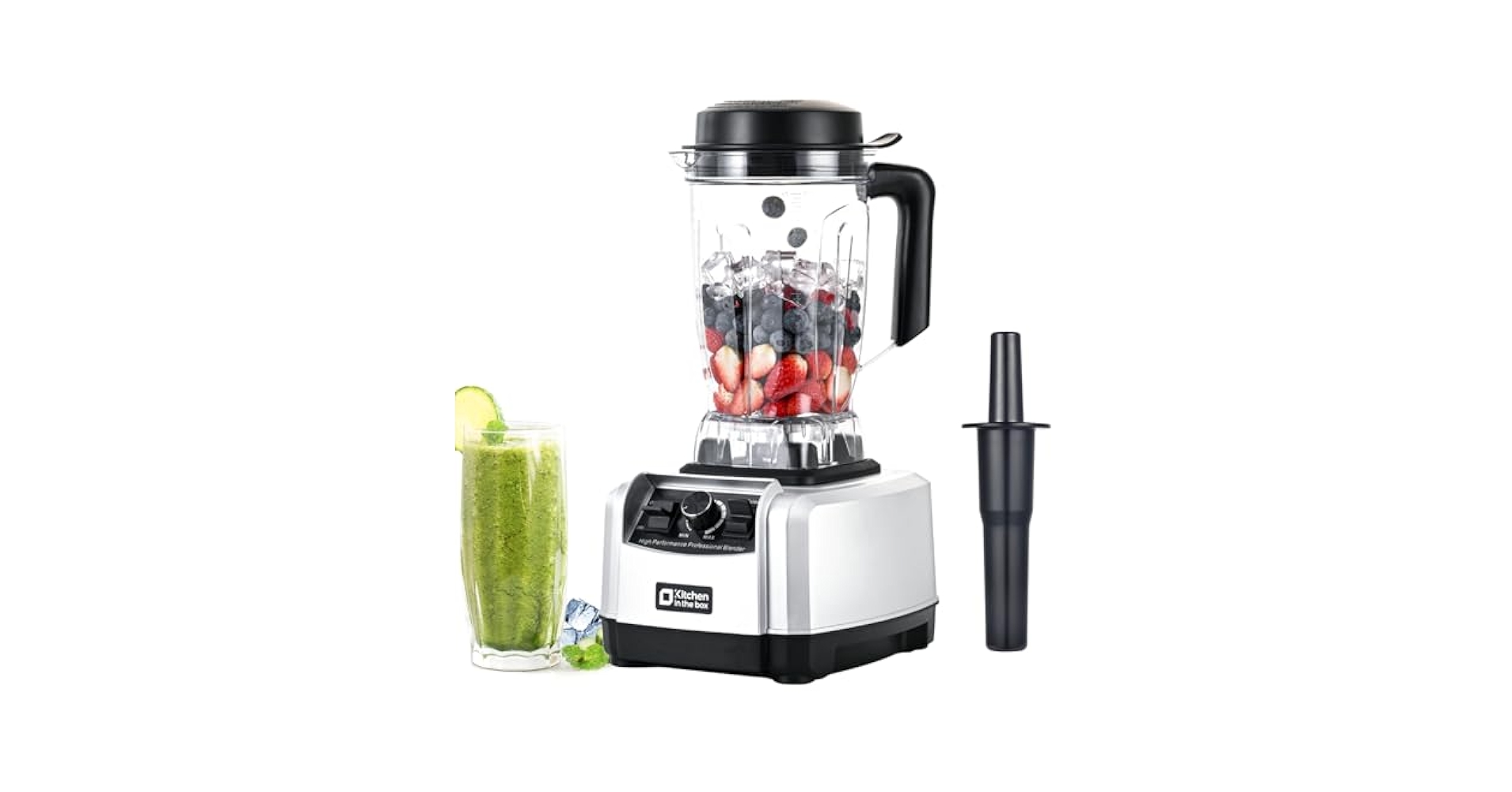
Imagine having a single tool in your kitchen that can chop, blend, and puree your ingredients in seconds. A kitchen blender isn’t just another appliance—it’s your secret weapon for quick meals, healthy smoothies, and delicious sauces.
Whether you’re rushing through a busy morning or planning a dinner party, your blender can make life easier and more fun. Keep reading to discover how the right blender can transform your cooking and save you time every day.
Choosing The Right Blender
Choosing the right blender matters a lot for your kitchen tasks. A good blender saves time and effort. It handles all blending jobs well. Different blenders serve different needs. Knowing what to look for helps you pick the best one.
Types Of Blenders
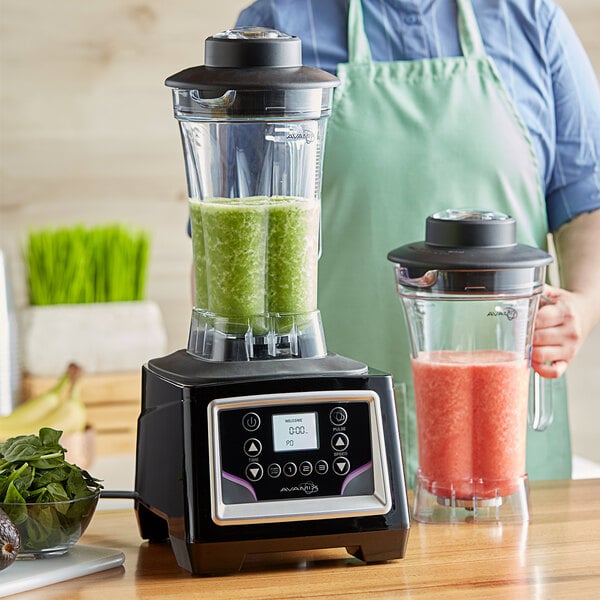
Blenders come in several types. Countertop blenders are common and powerful. They work well for smoothies and soups. Personal blenders are small and handy. Ideal for single servings and quick blends. Immersion blenders are stick-like and portable. Useful for blending directly in pots or bowls.
Motor Power And Speed Settings
Motor power affects blending ability. Higher watts mean stronger motors. They crush ice and tough ingredients better. Multiple speed settings offer control. You can blend gently or powerfully. Look for pulse options for short bursts.
Blade Design And Material
Blades must be sharp and durable. Stainless steel blades resist rust and stay sharp. Some blenders have angled blades for better mixing. Removable blades make cleaning easier. Check blade shape for your blending style.
Jar Capacity And Material
Jar size depends on your needs. Large jars suit families and batch cooking. Small jars work for single portions. Glass jars don’t stain or smell. Plastic jars are lightweight but can scratch. Choose a jar that fits your kitchen space.
Additional Features To Consider
- Easy-to-use controls and clear buttons
- Safety locks to prevent accidents
- Noise level for quiet blending
- Dishwasher-safe parts for easy cleaning
- Compact design for small kitchens
Credit: www.webstaurantstore.com
Blender Performance Factors
Blender performance depends on several key factors. These determine how well the blender handles different tasks in the kitchen. Understanding these factors helps in choosing the right blender for your needs. Performance affects speed, texture, and consistency of blended ingredients. Noise and vibration also impact user comfort during use.
Powerful Vs. Standard Blenders
Powerful blenders usually have motors above 1000 watts. They crush ice and hard foods quickly. Standard blenders have motors between 300 to 600 watts. They work well for soft ingredients and simple tasks. Powerful models offer smoother textures and faster blending times. Standard blenders save space and cost less but may struggle with tough ingredients.
Efficiency In Blending Different Ingredients
Efficiency depends on blade design and motor speed. Sharp, multi-level blades blend ingredients evenly. Variable speed settings allow better control for different recipes. High-speed blenders handle nuts, seeds, and fibrous vegetables well. Lower speeds suit soups, sauces, and soft fruits. Efficient blenders reduce blending time and improve texture.
Noise Levels And Vibration Control
Noise can be a nuisance in busy kitchens. Powerful blenders tend to be louder due to strong motors. Some models include noise-reducing covers or insulated jars. Vibration control improves stability and comfort. Less vibration means less movement on the countertop. Choosing a blender with good vibration control increases ease of use.
Easy Blending Techniques
Mastering easy blending techniques can transform your kitchen blender experience. The way you prepare ingredients, layer them, and blend can make a huge difference in texture and flavor. Plus, knowing how to clean and maintain your blender keeps it working smoothly for years.
Preparing Ingredients
Cut your ingredients into small, uniform pieces. This helps the blades work efficiently and prevents uneven blending. Hard items like carrots or nuts benefit from being softened or soaked beforehand to avoid damaging your blender.
Don’t forget to remove pits and seeds from fruits; they can dull the blades quickly. Adding liquids like water, juice, or milk early on makes blending easier and smoother. Have you ever ended up with chunky smoothies? It’s usually because ingredients were too large or dry.
Layering For Optimal Results
How you layer ingredients in the blender jar affects the final texture. Start with liquids at the bottom to help the blades move freely. Next, add soft fruits or vegetables, and finally place harder, frozen, or dense items on top.
This technique encourages better circulation inside the blender. If you add heavy items first, the blades might struggle to pull them down. Try this layering trick next time and notice the difference in consistency.
Pulse And Continuous Blending
Use the pulse function for chunky textures or when you want more control over blending. Short bursts help break down tough ingredients without over-processing. Continuous blending is best for smooth purees and soups.
Switch between pulse and continuous modes to adjust texture as you go. Ever tried making salsa? Pulsing keeps chunks intact while blending too long turns it into a sauce. Play around with these settings to fit your recipe needs.
Cleaning And Maintenance Tips
Cleaning right after use prevents food from drying and sticking. Fill the blender halfway with warm water and a drop of dish soap, then run it for 30 seconds. Rinse thoroughly and let the jar air dry.
Check the seals and blades regularly for wear and replace if needed. Avoid submerging the base in water; just wipe it with a damp cloth. Proper care saves you money and keeps your blender performing at its best.
Popular Blender Uses
A kitchen blender quickly mixes fruits and vegetables into smoothies or soups. It also chops nuts, crushes ice, and blends sauces with ease. Perfect for saving time and making healthy meals.
Blenders are versatile kitchen gadgets. They simplify meal preparation with ease. Many people use blenders daily for various culinary tasks. Their popularity grows due to their wide range of uses. From healthy drinks to delicious desserts, blenders do it all. Let's explore some popular uses of a kitchen blender.
Smoothies And Shakes
Smoothies are a popular choice for breakfast. They are quick and nutritious. A blender can mix fruits, veggies, and yogurt effortlessly. Add your favorite ingredients. Blend until smooth. Enjoy a refreshing drink to start your day.
Soups And Sauces
Blenders are perfect for creamy soups. Simply blend cooked vegetables and broth. Your soup becomes silky smooth. They also make sauce preparation easy. Combine tomatoes, garlic, and herbs. Blend for a delicious pasta sauce.
Nut Butters And Dips
Blenders make homemade nut butters simple. Just add nuts and blend. The result is creamy and tasty. Dips are easy too. Blend chickpeas and tahini for fresh hummus. Enjoy with chips or veggies.
Frozen Desserts And Ice Crushing
Craving something sweet? Blenders can make frozen desserts. Blend frozen fruits for a fruity sorbet. They also crush ice with ease. Perfect for slushies or cocktails. Your summer treats are just a blend away.
Troubleshooting Common Issues
Kitchen blenders are incredibly useful, but they can run into problems that slow down your meal prep. Knowing how to troubleshoot common issues saves you time and money. Let’s dive into practical fixes that keep your blender running smoothly.
Avoiding Overheating
Overheating is a frequent issue, especially if you blend thick mixtures or run the blender for too long. To prevent this, give your blender breaks between uses—pulse instead of continuous blending.
Did you know that some blenders have built-in thermal protection? If yours stops working suddenly, it might be cooling down automatically. Let your blender rest for 15-20 minutes before trying again.
Handling Leaks And Cracks
Leaks often occur around the jar base or lid. Check if the rubber gasket is properly seated and not worn out. Replacing a damaged gasket can stop leaks immediately.
Cracks in the jar are trickier and usually mean it’s time for a replacement. Using a cracked jar is risky since it can shatter during use. Always inspect your blender jar after heavy use or accidental drops.
Dealing With Dull Blades
Dull blades make blending inefficient and strain the motor. You can sharpen blades carefully with a sharpening stone or replace them if sharpening isn’t effective.
Notice your blender struggling with soft fruits or ice? It might be time to check the blades. Regularly cleaning blades also prevents buildup that dulls them faster.
Fixing Motor Problems
If your blender doesn’t start or stalls mid-blend, the motor might be the issue. First, check the power source and the blender’s safety locks. Sometimes the blender won’t run if parts aren’t correctly assembled.
Burnt smell or unusual noises signal motor damage. In such cases, professional repair or replacement might be necessary. Would you attempt a motor fix yourself, or is it safer to seek expert help?
Credit: www.consumerreports.org
Top Blender Brands And Models
Choosing the right kitchen blender can make food prep easier and faster. Many brands offer models with different features and prices. Knowing the top brands helps pick a blender that fits your needs. Here are some popular blender brands and models that stand out.
High-end Options
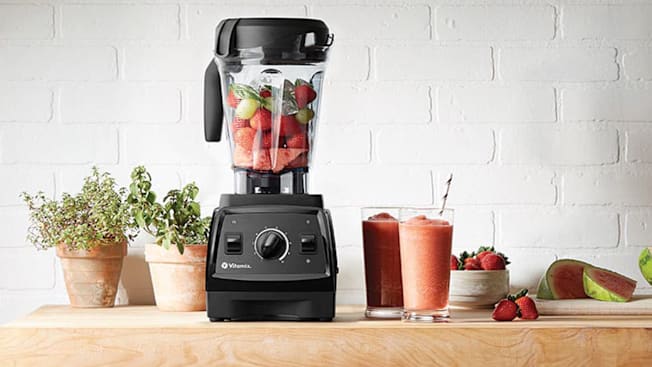
- Vitamix 5200 – Powerful motor, durable build, perfect for smoothies and soups.
- Blendtec Designer 725 – Touchscreen controls, pre-programmed cycles, strong blades.
- Breville Super Q – Quiet operation, multiple speed settings, great for tough ingredients.
Budget-friendly Choices
- Ninja Professional Blender – Affordable, good power, easy to clean.
- Oster Pro 1200 – Two-speed settings, pulse function, versatile performance.
- Hamilton Beach Wave Crusher – Compact design, good for small kitchens, budget price.
Innovative Designs
- NutriBullet Pro – Compact, designed for quick smoothies, easy to use.
- KitchenAid K400 – Unique asymmetric blade, crushes ice well, stylish look.
- BlendJet 2 – Portable, USB rechargeable, perfect for on-the-go blending.
Customer Favorites
| Brand | Model | Key Feature |
|---|---|---|
| Vitamix | Ascent Series | Smart technology, self-cleaning mode |
| Ninja | Foodi Power Pitcher | Strong performance, easy controls |
| NutriBullet | Balance | Bluetooth tracking, nutrient extraction |

Credit: www.amazon.com
Frequently Asked Questions
What Are The Main Uses Of A Kitchen Blender?
A kitchen blender is used for mixing, pureeing, and chopping food. It helps make smoothies, soups, sauces, and baby food quickly. It saves time and effort in food preparation.
How To Choose The Best Blender For Your Kitchen?
Choose a blender based on power, capacity, and features. Consider your needs like smoothie making or chopping. Look for easy cleaning and durable materials for long-term use.
Can A Kitchen Blender Crush Ice Effectively?
Yes, many blenders have powerful motors and sharp blades to crush ice. Look for models with specific ice-crushing settings for best results. This makes smoothies and frozen drinks easily.
How To Clean A Kitchen Blender Properly?
Rinse the blender immediately after use. Use warm soapy water and blend for a few seconds. Disassemble removable parts and wash separately to remove food residues.
Conclusion
A kitchen blender makes cooking faster and easier. It helps mix, chop, and blend ingredients smoothly. You can create smoothies, soups, and sauces with ease. Choosing the right blender depends on your needs and budget. Clean-up is simple and quick, saving time.
A good blender fits well in any kitchen space. It is a useful tool for healthy meals every day. Give your cooking a boost with a reliable kitchen blender. Easy to use, it suits both beginners and experts.