
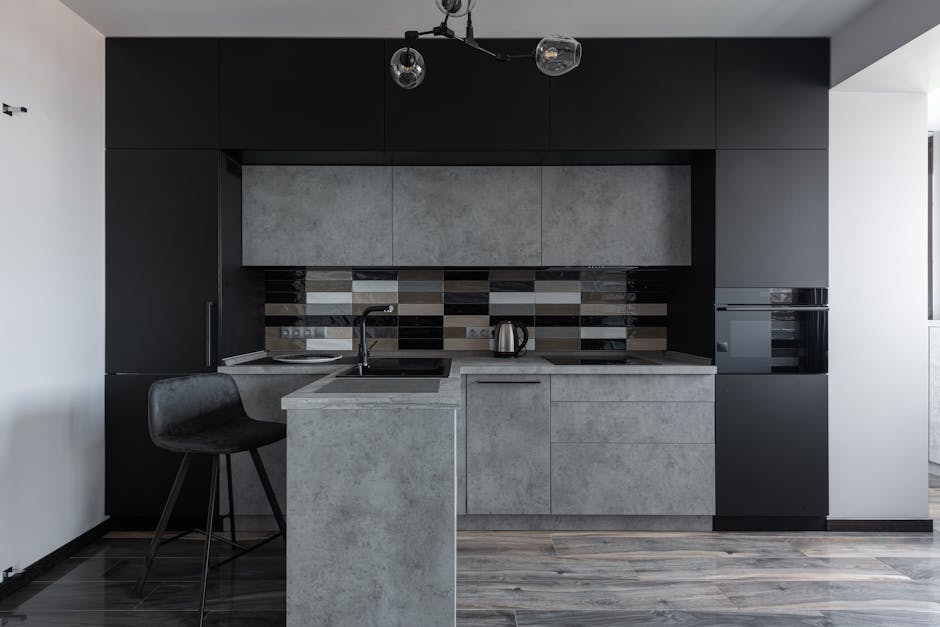
Are you tired of washing dishes by hand every day? Adding a dishwasher to your kitchen can save you time and make cleanup much easier.
But what if your kitchen wasn’t built with one in mind? Don’t worry—you can still enjoy the convenience of a dishwasher without a full remodel. You’ll discover simple, practical steps to add a dishwasher to your kitchen, no matter the size or layout.
Keep reading, and you’ll be on your way to stress-free dishwashing in no time.

Credit: www.espares.co.uk
Assessing Your Kitchen Space
Adding a dishwasher to a kitchen that doesn’t have one requires careful planning, starting with a thorough assessment of your kitchen space. This step helps you avoid costly mistakes and ensures the new appliance fits seamlessly into your daily routine. Understanding your kitchen’s layout, dimensions, and existing utilities will guide you to the best placement and setup.
Choosing The Right Location
Look for a spot near your sink to simplify plumbing connections. Most dishwashers fit under countertops, so identify a cabinet area that can be removed or modified. Think about how the dishwasher door will open and whether it will block walkways or other appliances.
Have you noticed tight corners or narrow spaces in your kitchen? These can limit where you place a dishwasher. Choosing the right location is about balancing convenience with practicality—where will it cause the least disruption?
Measuring Available Space
Measure both the width and depth of the potential spot carefully. Dishwashers usually come in standard widths of 24 inches, but compact models at 18 inches are also available if space is tight. Don’t forget to check height clearance under your countertop.
Use a tape measure to confirm dimensions rather than relying on memory or rough estimates. This prevents surprises during installation. Remember to account for space needed to open the dishwasher door fully and to move around comfortably.
Checking Plumbing And Electrical Access
Your dishwasher needs water supply, drainage, and power. Check if there’s a water line under the sink that can be tapped into and a nearby drain pipe for wastewater. Also, look for a grounded electrical outlet within reach.
If these utilities aren’t readily accessible, you may need professional help to install new connections. Before you start, ask yourself: Can I easily extend plumbing and electrical lines, or will the cost and effort outweigh the convenience?
Selecting The Perfect Dishwasher
Selecting the perfect dishwasher for your kitchen is more than just picking a model that fits the space. It’s about matching the appliance to your lifestyle, kitchen layout, and budget. Taking time to understand the options will save you headaches later and make daily cleanup a breeze.
Types Of Dishwashers
Dishwashers come in various styles, each suited to different needs and spaces.
- Built-in dishwashersare installed under your countertop and offer a seamless look. They handle larger loads and are common in full kitchens.
- Portable dishwashersconnect to your sink and can be moved around. Great if you rent or have limited space.
- Drawer dishwashersopen like a drawer and allow you to run smaller loads without wasting water and energy.
- Countertop dishwasherssit on the counter and are ideal for small kitchens or single users.
Which type suits your kitchen layout and daily dishwashing needs?
Size And Capacity Considerations
Think about how many dishes you usually wash and the space available in your kitchen.
- Standard built-in dishwashers are typically 24 inches wide and can hold 12-16 place settings.
- Compact models measure about 18 inches wide, perfect for smaller families or tighter spaces.
- Check the depth and height too, especially if your counters or cabinets have limited clearance.
Choosing the right size ensures you don’t waste energy or struggle to fit your dishes inside. Have you measured your kitchen space carefully before shopping?
Energy Efficiency And Features
Energy-efficient dishwashers save you money and are better for the environment.
- Look for the ENERGY STAR label to find models that use less water and electricity.
- Consider features like soil sensors that adjust the wash cycle based on how dirty your dishes are.
- Delay start options let you run the dishwasher during off-peak energy hours.
- Multiple wash cycles and quiet operation can make the dishwasher more convenient and pleasant to use.
What features matter most to you? Sometimes spending a bit more upfront pays off in long-term savings and comfort.
Preparing The Installation Area
Clear the space where the dishwasher will go by removing cabinets or old appliances. Ensure there is access to plumbing and electrical outlets nearby. Measure the area carefully to fit the new dishwasher without blocking doors or drawers.
Preparing the installation area for a dishwasher is crucial. A well-prepared space ensures a smooth installation. This section guides you through essential steps. Follow these simple instructions to set up your kitchen effectively.
Clearing Cabinets And Countertops
Begin by clearing the area around the planned installation site. Remove all items from nearby cabinets. This creates space for the dishwasher and tools. Ensure countertops are free of clutter. It helps you work more efficiently. Clearing the space also prevents damage to your belongings.
Adjusting Plumbing Connections
Check the plumbing connections under the sink. You may need to adjust existing pipes. Ensure there is a water supply line. Verify that the drain line is accessible. This step is essential for a functioning dishwasher. Consider consulting a plumber for complex adjustments.
Ensuring Proper Electrical Setup
A dishwasher needs a dedicated electrical outlet. Check if your kitchen has one nearby. The outlet should support the dishwasher's power requirements. Ensure the circuit can handle the additional load. Safety first! Turn off power when working with electrical components. By preparing the installation area carefully, you create a safe and efficient environment for your new dishwasher.
Step-by-step Installation Process
Adding a dishwasher to your kitchen can transform your daily routine, saving you time and effort. The installation process might seem daunting at first, but breaking it down into clear, manageable tasks makes it much easier. Below, you’ll find practical guidance to help you install your new dishwasher confidently and correctly.
Connecting Water Supply And Drain
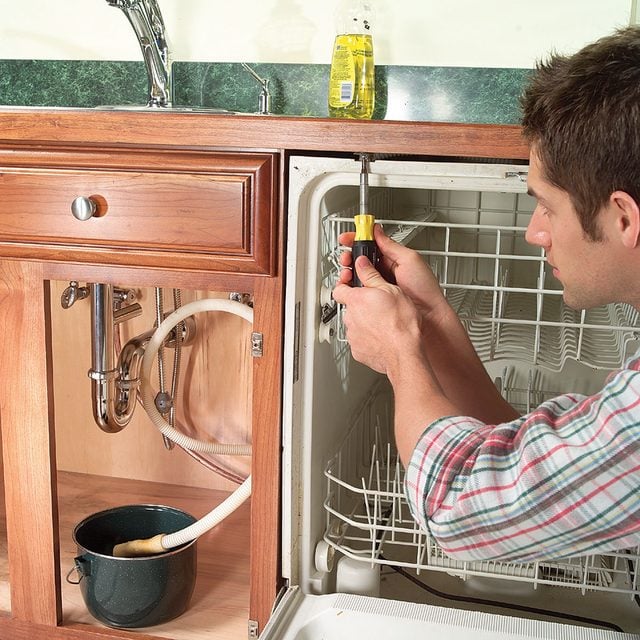
First, locate the nearest cold water supply valve under your sink. You’ll need to attach a flexible water supply line from this valve to the dishwasher’s inlet. Make sure to use Teflon tape on threaded connections to prevent leaks.
Next, connect the dishwasher’s drain hose to the sink drain or garbage disposal. The drain hose should loop upward before attaching to avoid backflow, which can cause dirty water to enter your dishwasher. Have you checked if your sink plumbing has a high loop or air gap to comply with local codes?
Securing The Dishwasher In Place
After plumbing connections are secure, slide your dishwasher into the cabinet space carefully. Use the mounting brackets provided to fasten the dishwasher to the underside of your countertop or the sides of the cabinetry. This prevents movement during operation and keeps everything stable.
Don’t forget to level the dishwasher using the adjustable feet. A perfectly level dishwasher avoids water pooling inside and ensures proper door alignment. You can use a simple carpenter’s level for this—did you bring yours along?
Testing For Leaks And Functionality
Once everything is connected and secured, it’s time to test. Turn on the water supply and plug in the dishwasher. Run a short cycle while watching closely for leaks around water connections and the drain hose.
Listen for any unusual noises and check if the dishwasher drains properly. If you spot leaks, tightening connections usually solves the issue. This final check ensures your dishwasher runs smoothly and won’t cause water damage in your kitchen.
Troubleshooting Common Issues
Adding a dishwasher to a kitchen without one can sometimes lead to small problems. These issues can stop your dishwasher from working well. Knowing how to fix common problems helps keep your kitchen running smoothly. Troubleshooting is easier than you think. It often involves checking water, electricity, and drainage.
Dealing With Water Leaks
Water leaks are a frequent issue after installing a dishwasher. Check the water supply hose for cracks or loose connections. Tighten any loose fittings with a wrench. Inspect the door gasket for damage or dirt. Clean the gasket to ensure a tight seal. Look under the dishwasher for any pools of water. Place a towel to catch drips while you fix leaks. Replace damaged hoses or seals to stop leaks.
Fixing Electrical Problems
Electrical problems can prevent the dishwasher from starting. First, confirm the dishwasher is plugged in securely. Check the circuit breaker to see if it has tripped. Reset the breaker if needed. Test the power outlet using another device. If it does not work, call an electrician. Examine the dishwasher’s control panel for error codes. Consult the manual to understand these codes. Avoid touching wires unless you are sure about safety.
Addressing Drainage Issues
Poor drainage causes water to stay inside the dishwasher. Remove and clean the filter at the bottom of the dishwasher. Clear any food debris blocking the drain. Check the drain hose for bends or clogs. Straighten any kinks and flush the hose with water. Make sure the drain hose is connected to the sink drain properly. Use a plunger or a small brush to clear stubborn clogs. Regular cleaning prevents future drainage problems.

Credit: www.thisoldhouse.com
Maintaining Your New Dishwasher
Maintaining your new dishwasher keeps it running smoothly and cleans dishes well. Regular care stops problems early and saves money on repairs. Simple habits improve performance and keep your kitchen fresh.
Regular Cleaning Tips
Clean the dishwasher filter every week to remove food debris. Wipe the door edges and gasket with a damp cloth. Run an empty cycle with dishwasher cleaner monthly. Check and clean spray arms to avoid clogs. Remove any stuck-on food or grease inside the machine.
Preventing Odors And Build-up
- Rinse dishes before loading to reduce food residue.
- Leave the door slightly open after use to air out moisture.
- Use vinegar or baking soda in a cleaning cycle to fight smells.
- Clear the drain to prevent water backup and bad odors.
- Avoid overloading to ensure water reaches all dishes and drains well.
Extending Appliance Lifespan
Use the dishwasher according to the manual’s instructions. Avoid harsh detergents that can damage parts. Inspect hoses and connections for leaks or wear regularly. Schedule professional service every few years for deep maintenance. Turn off the appliance when not in use for long periods.
Credit: www.familyhandyman.com
Frequently Asked Questions
How Do I Install A Dishwasher Without Existing Plumbing?
You need to connect the dishwasher to your kitchen sink’s water supply. Use a dishwasher connector kit to tap into the cold water line. Ensure proper drainage by connecting the dishwasher drain hose to the sink drain or garbage disposal.
Can I Add A Dishwasher Without Electrical Wiring?
Yes, but you must install a dedicated electrical outlet near the dishwasher location. This outlet should be grounded and comply with local codes. Hiring a licensed electrician ensures safe and code-compliant wiring for your new dishwasher.
What Are Space Requirements For Installing A Dishwasher?
A standard dishwasher requires a 24-inch wide, 24-inch deep, and 34-inch high space. Measure your kitchen area carefully before installation. Make sure there is access to water, drainage, and electrical connections within this space.
Is A Portable Dishwasher A Good Alternative?
Portable dishwashers are ideal if you lack permanent plumbing or space. They connect to the kitchen faucet when in use and can be stored away. This option requires no permanent installation and is budget-friendly.
Conclusion
Adding a dishwasher to your kitchen can save time and effort. Small changes in plumbing and space can make a big difference. Choose a model that fits your kitchen size and needs. Connect it carefully to avoid leaks or damage.
Enjoy cleaner dishes with less hassle every day. A dishwasher adds comfort and convenience to your home life. Start with simple steps and see how easy it can be. Your kitchen will feel more modern and efficient. Why not take the chance to improve your daily routine?