

Have you ever wondered why feeding your chickens kitchen scraps might be illegal? It seems harmless, right?
You’re just giving leftovers a second life and saving money. But what if doing this could put your chickens’ health at risk or even cause bigger problems you never expected? You’ll discover the surprising reasons behind these laws and how they protect your flock—and you.
Keep reading to learn what you need to know before tossing those scraps to your chickens.
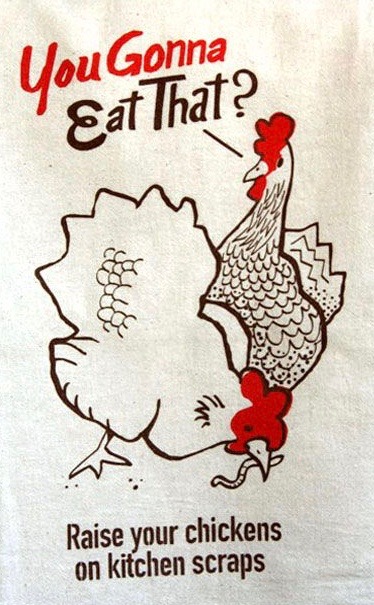
Credit: bitchinchickens.com
Laws On Feeding Chickens
Feeding chickens kitchen scraps might seem like a harmless way to reduce waste and provide your birds with extra treats. However, many places have strict laws governing what you can and cannot feed your chickens. Understanding these laws is essential to avoid penalties and keep your flock safe and healthy.
Key Regulations To Know
Many local and national laws prohibit feeding certain kitchen scraps to chickens. These rules often ban items like meat, dairy, and processed foods.
- Meat and dairy can carry diseases that spread quickly among poultry.
- Processed foods often contain harmful additives or salt that can harm chickens.
- Some regulations require that only approved feed is given to poultry to prevent contamination.
For example, in the United States, the FDA enforces the Food Safety Modernization Act, which limits feeding raw meat scraps to chickens to prevent diseases like avian influenza.
Reasons Behind The Rules
These laws exist to protect both the chickens and public health. Feeding your flock inappropriate scraps can introduce pathogens and toxins.
Imagine a neighbor who fed their chickens leftover pizza regularly. The high salt and grease could lead to health problems in the birds, spreading illness to other flocks nearby.
Additionally, these regulations help maintain food safety standards. If you keep chickens for eggs or meat, improper feeding can affect the quality and safety of these products.
Are you willing to risk your chickens' health for convenience? Understanding the "why" behind these rules makes it easier to follow them and find safer alternatives for feeding your birds.
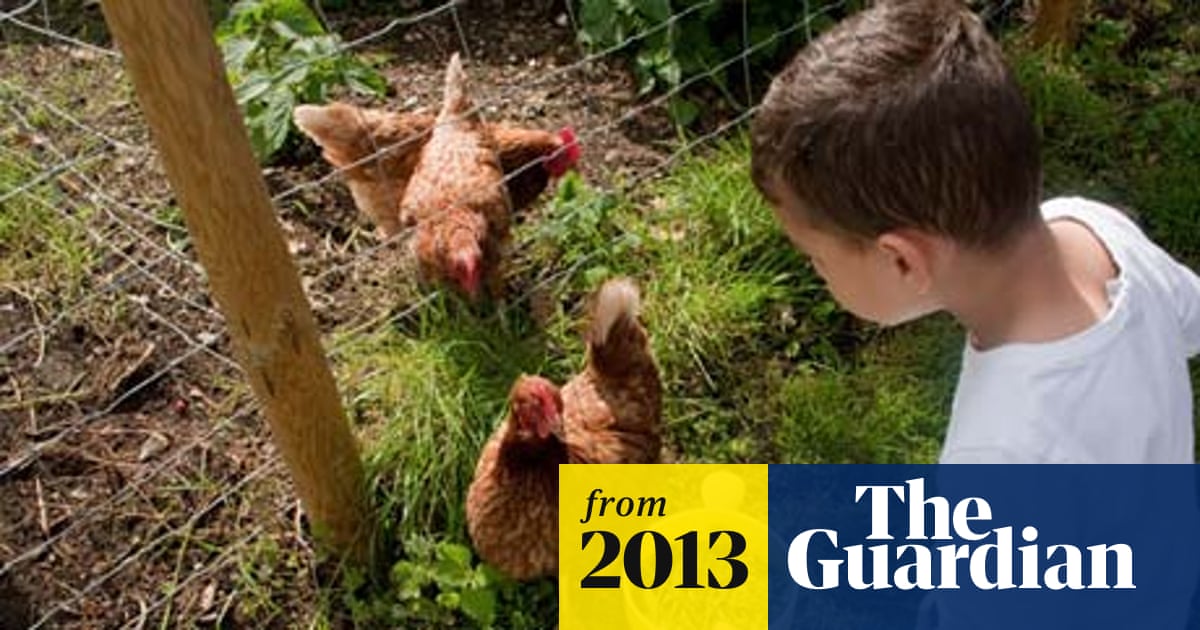
Credit: www.theguardian.com
Health Risks For Chickens
Feeding chickens kitchen scraps might seem like a harmless way to reduce waste and treat your flock. However, many kitchen leftovers carry hidden dangers that can seriously harm your chickens' health. Understanding these risks helps you protect your birds and maintain a safe environment.
Common Contaminants In Scraps
Kitchen scraps often contain contaminants that pose health risks to chickens. Leftover foods may have mold, bacteria, or chemical residues that aren't safe for poultry.
- Mold and Fungi:Scraps like stale bread or spoiled fruits can grow mold, which produces toxins harmful to chickens.
- Bacteria:Raw meat scraps or dairy can harbor bacteria such as Salmonella or E. coli, leading to serious infections.
- Salt and Spices:Many human foods are high in salt or spices that upset a chicken’s digestive system and can cause dehydration.
- Chemicals:Leftover foods from non-organic sources may carry pesticide residues dangerous to your flock’s health.
Have you ever noticed your chickens avoiding certain scraps? They might be reacting to these hidden contaminants.
Impact On Chicken Well-being
Feeding contaminated scraps can weaken your chickens’ immune systems and cause long-term health problems. Digestive issues like diarrhea are common and can quickly spread through a flock.
Chickens rely on a balanced diet to stay healthy. Kitchen scraps often lack essential nutrients, which can lead to malnutrition. This reduces egg production and makes chickens more vulnerable to diseases.
Imagine the frustration of watching your chickens become less active or lose feathers after a simple meal. Isn’t it better to stick with safe, poultry-approved feed to ensure their well-being?
Food Safety Concerns
Feeding chickens kitchen scraps can spread harmful bacteria and diseases. These scraps might contain mold, chemicals, or spoiled food unsafe for poultry. Laws protect chickens and humans by preventing health risks linked to improper feeding.
Feeding chickens kitchen scraps might seem like a sustainable and economical way to reduce waste, but it raises significant food safety concerns. The practice, though seemingly harmless, can introduce various health risks to both the chickens and humans consuming their eggs and meat. Understanding these risks is crucial for anyone raising chickens and aiming to maintain a healthy flock.
Risk Of Disease Transmission
Kitchen scraps can be a source of harmful bacteria and pathogens. Leftover food, especially if not stored properly, can harbor salmonella, E. coli, and other dangerous microorganisms. Once consumed by chickens, these pathogens can spread through the flock, potentially affecting their health and productivity. Consider a scenario where you toss leftover pasta or salad to your chickens. If the food was left out for too long, it could have developed mold or bacterial growth. This not only jeopardizes your chickens' health but also poses a risk to humans through contaminated eggs or meat.
Effect On Egg And Meat Quality
Feeding chickens inappropriate kitchen scraps can negatively affect the quality of their eggs and meat. Certain foods can alter the taste, texture, and nutritional value of these products. For instance, onions and garlic can impart an unpleasant taste to eggs, making them less appealing to eat. Moreover, feeding high-fat or sugary leftovers can lead to obesity in chickens. An overweight chicken not only struggles with mobility but also produces lower quality meat. It's essential to consider what you feed your chickens, as their diet directly impacts what ends up on your plate. Have you ever thought about how your food choices for chickens can affect your own meals? Maintaining a balanced and safe diet for your flock is not just about their health but also about ensuring the quality of what you consume.
Environmental Issues
Feeding chickens kitchen scraps might seem like a good way to reduce waste, but it can cause significant environmental issues. These problems go beyond just what the chickens eat—they affect your entire community and local ecosystem. Understanding these impacts can help you make better choices for your backyard flock and the planet.
Waste Management Problems
Throwing kitchen scraps to chickens can disrupt proper waste management. When scraps aren't composted or disposed of correctly, they can pile up and create unpleasant odors and unsanitary conditions. This buildup often leads to increased waste that municipal systems struggle to handle efficiently.
Have you noticed how leftover food left outside quickly attracts flies and creates a mess? This happens because scraps break down in uncontrolled ways, releasing methane—a potent greenhouse gas. Managing waste carefully can reduce your carbon footprint and keep your neighborhood cleaner.
Potential For Pest Infestations
Feeding chickens kitchen scraps invites unwanted pests to your property. Rats, raccoons, and other vermin are drawn to the smell of decomposing food, which can lead to infestations. These pests not only threaten your flock’s health but also pose risks to your family’s safety.
One time, I observed a neighbor’s backyard turn into a hotspot for rodents after feeding kitchen scraps to their chickens. The pests quickly became difficult to control, requiring professional help. You don’t want to face this hassle or the health risks that come with it.
Could a small change in how you handle chicken feed prevent bigger environmental headaches? Paying attention to waste and pests keeps your chickens safe and your surroundings healthier. It’s worth reconsidering what you toss their way.
Alternatives To Kitchen Scraps
Feeding chickens kitchen scraps can seem like a good idea. It feels natural to reuse leftover food. Yet, many scraps can harm chickens or break local rules. Finding safe alternatives helps keep chickens healthy and follows the law.
There are many safe ways to feed chickens. These methods provide balanced nutrition. They avoid risks from spoiled or harmful food.
Safe Feeding Practices
Keep chicken feed clean and fresh. Store food in dry, cool places. Avoid feeding moldy or spoiled items. Wash any fresh food before giving it to chickens. Offer food in small amounts to prevent waste. Provide fresh water every day. Keep feeding areas tidy to stop pests and disease.
Approved Feed Options
- Commercial poultry feed with balanced nutrients
- Grains like corn, wheat, and barley
- Vegetables such as lettuce, spinach, and carrots
- Fruits like apples and berries in moderation
- Protein sources such as mealworms or cooked eggs
- Calcium supplements like crushed oyster shells
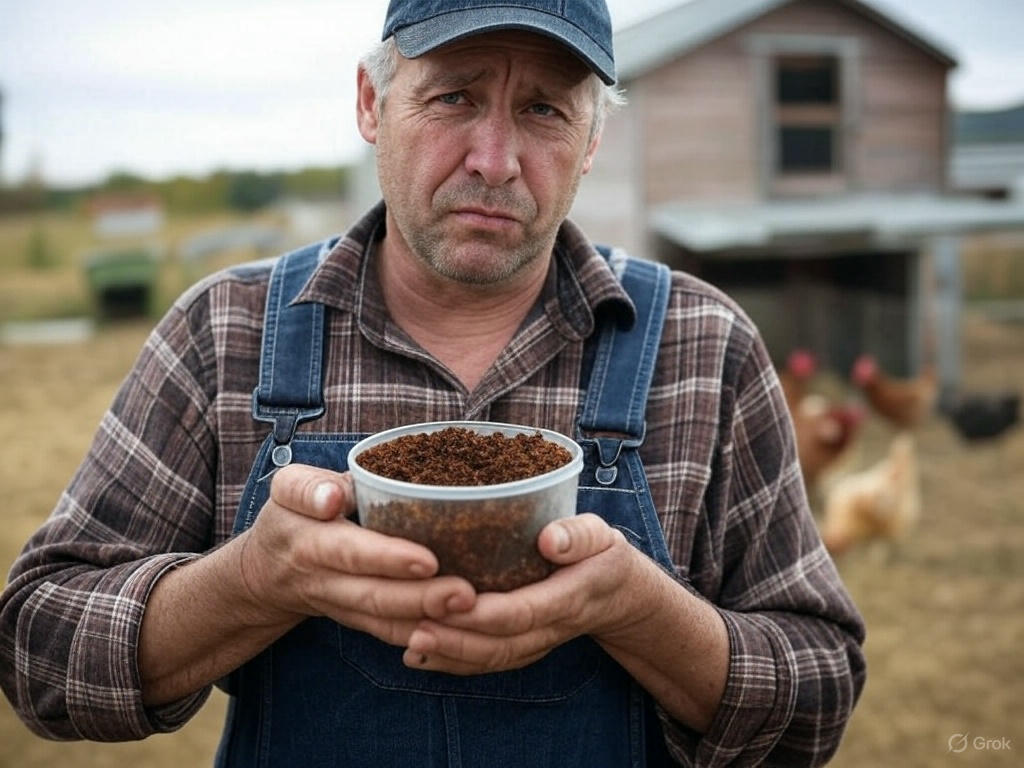
Credit: bloominghealthfarms.com
Enforcement And Penalties
Understanding enforcement and penalties is key if you keep chickens and wonder about feeding them kitchen scraps. Laws about feeding poultry are strict to prevent health risks and protect the food chain. Ignoring these rules can lead to serious consequences that affect you and your flock.
How Laws Are Monitored
Authorities monitor chicken feeding practices through regular farm inspections and surprise visits. They check for any signs of unauthorized feed, including kitchen scraps, which can introduce diseases.
Reporting by neighbors or local communities also plays a role. If someone suspects unsafe feeding, they can alert officials who will investigate further.
Technology aids monitoring, too. Surveillance cameras and tracking of feed sources help ensure compliance with laws.
Consequences Of Violations
Violating feeding laws can lead to fines that range from hundreds to thousands of dollars. These penalties increase with repeated offenses or if an outbreak of illness occurs due to illegal feeding.
In some cases, you might face mandatory quarantine of your flock or even culling to stop disease spread. This not only causes financial loss but emotional distress too.
Legal trouble can extend beyond fines. You could lose your license to keep or sell poultry, impacting your livelihood.
Have you considered how much risk you take when ignoring these feeding rules? Protect your chickens and your future by understanding and following the law closely.
Frequently Asked Questions
Why Is Feeding Chickens Kitchen Scraps Illegal?
Feeding chickens kitchen scraps is illegal due to biosecurity risks. Scraps can carry harmful bacteria or diseases that may infect poultry. This practice can spread diseases like avian flu, endangering both bird and human health. Laws protect farms from contamination and ensure safe food production.
What Diseases Can Kitchen Scraps Transmit To Chickens?
Kitchen scraps can harbor pathogens such as salmonella and avian influenza. These diseases spread quickly among birds and cause severe illness or death. Contaminated scraps increase the risk of outbreaks, harming entire flocks. Avoiding scraps helps maintain poultry health and food safety.
How Do Laws Protect Poultry From Kitchen Scraps?
Laws restrict feeding kitchen scraps to prevent disease outbreaks in poultry farms. These regulations ensure chickens receive safe, controlled diets that minimize contamination risks. Compliance supports public health, farm biosecurity, and the poultry industry's sustainability. Violations can lead to penalties or farm closures.
Can Kitchen Scraps Affect Egg Safety?
Yes, feeding chickens kitchen scraps can compromise egg safety. Contaminated scraps may introduce bacteria that enter eggs, posing health risks to consumers. Regulated diets help maintain egg quality and prevent foodborne illnesses. Following legal feeding guidelines ensures safe, clean eggs.
Conclusion
Feeding chickens kitchen scraps can harm their health and safety. Laws protect animals and people from illness and contamination. Not all scraps are safe or healthy for chickens to eat. Following rules helps keep chickens healthy and food safe. Always choose proper feed to avoid risks.
Caring for chickens means feeding them right. Keep your flock strong and safe by following guidelines. Small actions protect your birds and your community.