
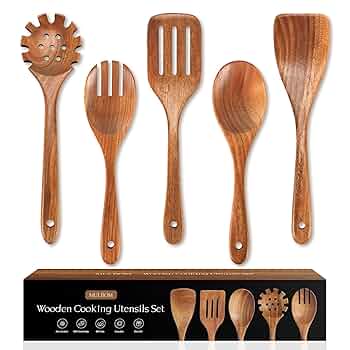
Are you wondering if your wooden kitchen utensils are safe to toss in the dishwasher? You’re not alone.
Many people love the look and feel of wooden spoons, spatulas, and cutting boards, but worry about how to clean them without ruining their quality. Using the dishwasher might seem like an easy solution, but could it be damaging your favorite tools without you realizing it?
Keep reading to discover the truth about wooden kitchen utensils and dishwashers, and learn the best ways to keep your kitchen gear lasting longer and looking great.
Wooden Utensils And Dishwashers
Wooden utensils add charm and warmth to any kitchen. They feel natural and comfortable in hand. Many people wonder if these utensils can survive the dishwasher’s harsh environment. Understanding how dishwashers affect wood helps keep utensils safe and lasting longer.
How Dishwashers Affect Wood
Dishwashers use hot water and strong detergents to clean. These elements can soak into the wood, causing swelling and warping. High heat from the drying cycle can dry out wood fibers. This drying leads to cracks and rough surfaces. Repeated exposure weakens the wood’s natural oils. These oils protect the wood and keep it smooth.
Common Risks Of Dishwasher Use
- Splitting or cracking due to extreme heat and moisture changes
- Loss of natural oils, making the wood dry and brittle
- Fading or discoloration caused by detergent chemicals
- Warping from uneven water exposure and heat
- Rough texture developing, reducing utensil comfort
Signs Of Damage From Dishwashers
Noticing damage on your wooden kitchen utensils after running them through the dishwasher can be frustrating. These signs often reveal how harsh dishwasher conditions affect the wood’s integrity. Recognizing these indicators early helps you decide whether to retire a utensil or save it with some care.
Warping And Cracking
One of the most visible signs of dishwasher damage is warping. Wood absorbs water during the wash cycle, then dries unevenly in the heat, causing it to bend out of shape. Have you ever picked up a spoon that no longer sits flat or fits comfortably in your hand? That’s warping in action.
Cracking often follows warping. Tiny splits start to appear along the grain, sometimes deepening with each wash. This not only looks bad but can harbor bacteria, making the utensil unsafe for use. If you notice cracks forming, it’s a clear sign that the dishwasher is too rough for your wooden tools.
Loss Of Finish And Texture
Another telltale sign is the dullness or roughness of the wood’s surface. Dishwashers strip away the natural oils and finishes that protect the wood. Suddenly, your once-smooth spatula feels gritty or dry to the touch.
Without its finish, the wood becomes more prone to absorbing water and stains, which accelerates damage. Do you find your utensils looking faded or less vibrant after a few washes? That loss of finish means the protective barrier is gone, leaving your wooden tools vulnerable.
Safe Cleaning Methods
Wooden kitchen utensils need special care to stay in good shape and last longer. Using the right cleaning methods helps protect their natural texture and prevents cracking or warping. Let’s look at safe ways to clean your wooden utensils effectively without damaging them.
Hand Washing Techniques
Always wash wooden utensils by hand instead of putting them in the dishwasher. The high heat and strong detergents in dishwashers can dry out the wood and cause it to split. Use gentle scrubbing with a soft sponge to remove food particles without scratching the surface.
Rinse thoroughly with warm water to remove soap residue. After washing, dry them immediately with a clean towel—never leave wooden utensils soaking in water or air drying for too long. This simple habit keeps your utensils sturdy and prevents mold growth.
Using Mild Soaps And Warm Water
Choose mild dish soaps that are free from harsh chemicals. Strong detergents can strip the wood of its natural oils, making it brittle over time. Warm water helps break down grease without damaging the wood fibers.
If your wooden utensils develop stains or odors, sprinkle baking soda on them and scrub gently before rinsing. This natural cleaning trick refreshes the wood without harsh ingredients. How often do you check the type of soap you use on your kitchen tools?

Credit: www.amazon.com
Drying And Storage Tips
Proper drying and storage can extend the life of your wooden kitchen utensils significantly. Wood is sensitive to moisture, so how you handle your utensils after washing matters a lot. Let’s look at some practical tips that help keep your wooden tools in great shape.
Proper Air Drying
After washing, always let your wooden utensils air dry completely before storing them. Placing them flat on a towel or in a dish rack with good airflow works best.
I once left a wooden spoon in a damp sink for hours, and it started to crack. That taught me to always give wood the time it needs to dry fully. Remember, moisture trapped inside the wood can cause warping or mold growth.
Try standing spoons upright in a container or hanging them if possible. This encourages water to drip away rather than soak in. Do you notice your utensils feeling damp even after drying? It might be time to reassess your drying routine.
Avoiding Moisture Traps
Storing wooden utensils in closed containers or drawers without ventilation can trap moisture. This environment invites bacteria and can cause the wood to swell or split.
Instead, keep your wooden utensils in a dry, open space. A utensil holder on the countertop or a rack with good air circulation works well.
Think about how often you check your storage areas for humidity. Simple habits like wiping down storage spaces and ensuring they’re dry can prevent problems. Your wooden utensils deserve a breath of fresh air to stay sturdy and safe.
Maintaining Wooden Utensils
Wooden kitchen utensils add a warm, natural touch to your cooking space, but they demand a bit of special care to keep them in top shape. Unlike metal or plastic, wood can dry out, crack, or absorb odors if neglected. Maintaining your wooden utensils properly ensures they last longer and remain safe for your meals.
Oiling And Conditioning
To keep wood strong and water-resistant, you need to oil it regularly. Use food-safe oils like mineral oil, coconut oil, or beeswax-based conditioners. Apply a small amount of oil, rubbing it into the wood with a clean cloth, then let it soak overnight.
This simple routine prevents your utensils from drying out and cracking. Think about how your hands feel after being in water too long—wood reacts similarly. Regular oiling maintains that smooth feel and keeps your tools looking fresh.
Sanding For Smoothness
Over time, wooden utensils can develop rough spots or small splinters that make cooking uncomfortable. Sanding these areas lightly with fine-grit sandpaper can restore a smooth surface. Take your time, and always sand along the grain to avoid further damage.
Have you ever noticed how a rough spoon can scratch your pots or irritate your hands? Sanding solves this quickly and cheaply, extending the life of your utensils. After sanding, remember to reapply oil to protect the fresh wood.

Credit: www.amazon.com
Choosing Dishwasher-safe Alternatives
Choosing dishwasher-safe kitchen utensils can simplify your cleaning routine. Wooden utensils often suffer in dishwashers due to heat and moisture. Seeking alternatives ensures durability and hygiene in your kitchen. This section explores materials that withstand dishwashers and compares their durability and safety.
Materials That Withstand Dishwashers
Some materials handle dishwasher conditions better than wood. Consider these options:
- Silicone:Flexible, heat-resistant, and won't warp.
- Stainless Steel:Durable, rust-resistant, and easy to clean.
- Nylon:Tough, lightweight, and dishwasher safe.
These materials maintain their integrity under high temperatures. They also resist water damage, unlike wood. Choosing them can extend the life of your utensils.
Comparing Durability And Safety
Durability and safety are key when selecting kitchen utensils. Stainless steel and silicone are both durable and safe. They withstand high temperatures without releasing harmful substances. Nylon is also durable but may melt at very high temperatures. Always check product labels for heat resistance limits.
Using dishwasher-safe materials reduces the risk of bacteria buildup. These materials dry quickly and don't absorb water, unlike wood. This ensures a more hygienic kitchen environment.

Credit: www.amazon.com
Frequently Asked Questions
Are Wooden Kitchen Utensils Dishwasher Safe?
No, wooden kitchen utensils are not dishwasher safe. The high heat and water can cause warping, cracking, and splitting. Hand washing with mild soap and drying immediately is recommended to preserve their quality and longevity.
Why Avoid Dishwasher For Wooden Utensils?
Dishwashers expose wooden utensils to harsh heat and moisture. This damages the wood’s natural oils, leading to drying and cracking. Over time, this reduces the utensil’s durability and can cause bacteria buildup in cracks.
How To Properly Clean Wooden Kitchen Utensils?
Clean wooden utensils by hand using warm water and mild soap. Avoid soaking them for long periods. Dry immediately with a towel and air dry completely before storing to prevent mold and maintain wood integrity.
Can Dishwasher Damage Wooden Utensils' Finish?
Yes, the dishwasher’s heat and detergents can strip the finish on wooden utensils. This makes the wood more porous, prone to absorbing stains, odors, and bacteria. Regular oiling helps maintain the finish and protects the wood.
Conclusion
Wooden kitchen utensils need gentle care to last long. Dishwashers can cause cracks and warping. Hand washing with mild soap keeps wood safe. Dry utensils well to avoid mold or damage. Regular oiling helps maintain their beauty and strength. Choosing proper cleaning methods protects your wooden tools.
This keeps them useful and looking great for years. Treat wood with care; it will serve you well. Simple steps make a big difference in utensil life.