
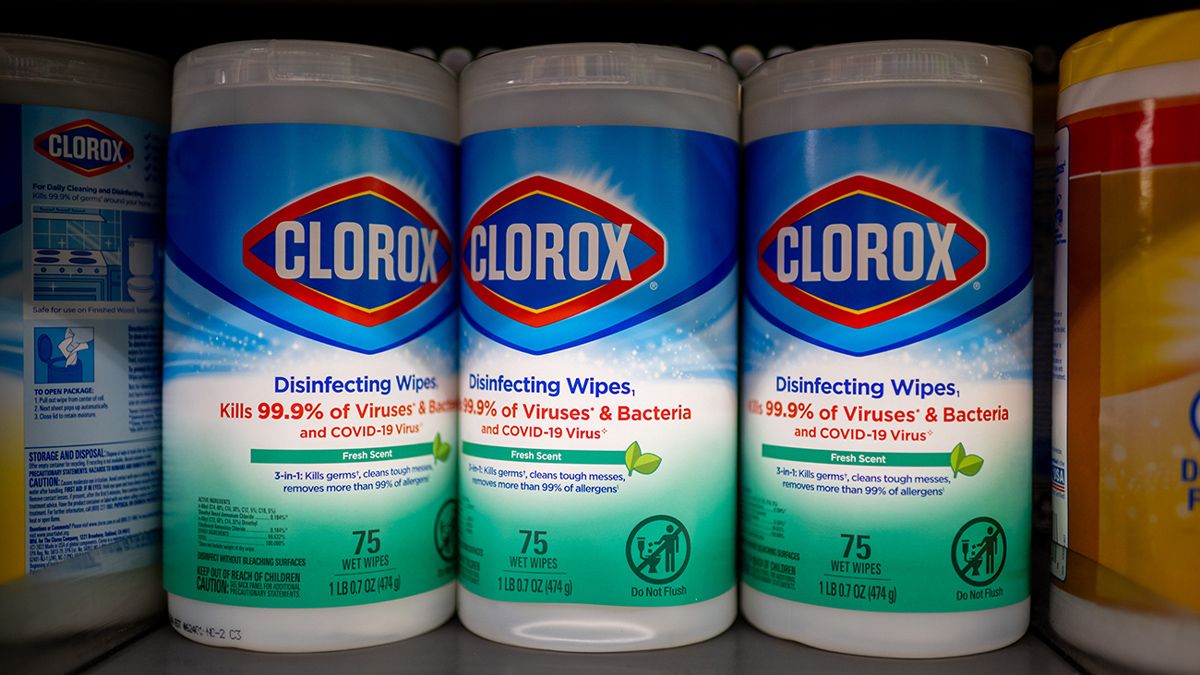
Are you wondering if Clorox wipes are safe and effective for cleaning your kitchen counters? You want your kitchen to be spotless and germ-free, but you also want to make sure you’re not using anything that could damage your surfaces or leave harmful residues.
You’ll discover the truth about using Clorox wipes on different types of kitchen counters. By the end, you’ll know exactly how to keep your kitchen clean and safe with the right products—no guesswork needed. Keep reading to find out what you should—and shouldn’t—do when it comes to disinfecting your kitchen counters.
Clorox Wipes And Kitchen Surfaces
Clorox wipes are popular for quick cleaning tasks in the kitchen. They offer a simple way to remove dirt and germs from various surfaces. Understanding how these wipes interact with kitchen counters helps keep your space clean and safe. Not all counters respond the same to cleaning products. Knowing the type of surface and how Clorox wipes work is important.
Types Of Kitchen Counters
Kitchen counters come in many materials. Each needs different care to stay in good shape.
- Granite:Durable but sensitive to acids and harsh chemicals.
- Marble:Porous and can stain easily.
- Laminates:Made from plastic layers, usually resistant to many cleaners.
- Quartz:Engineered stone, generally resistant to stains and scratches.
- Wood:Needs gentle cleaning to avoid damage and moisture issues.
Choosing the right cleaning method helps protect these surfaces. Some materials may react to strong disinfectants.
How Clorox Wipes Work
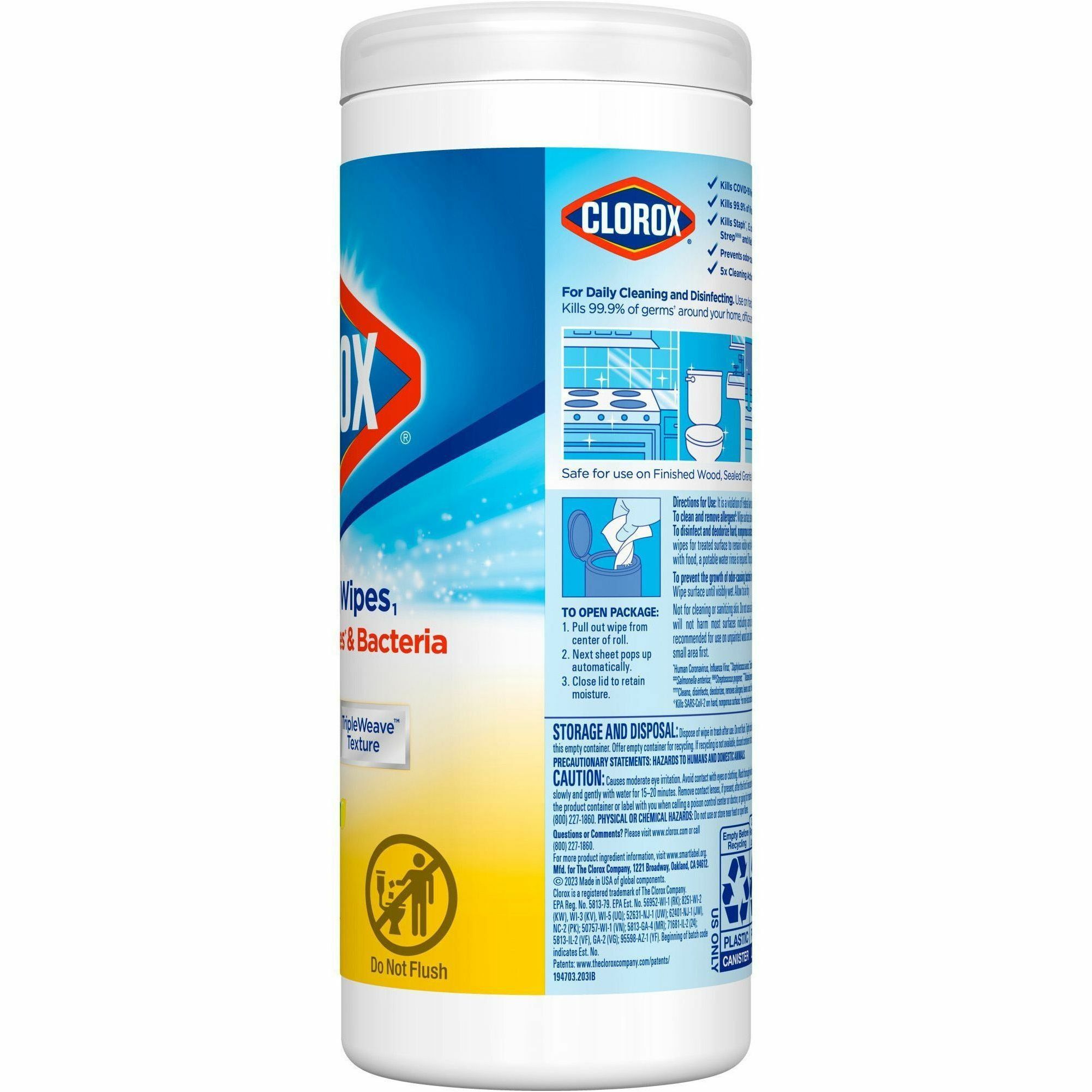
Clorox wipes contain disinfectant chemicals that kill bacteria and viruses. They clean by breaking down germs on the surface. The wipes also remove dirt and food residue. They are convenient for quick wipe-downs.
Though effective, these wipes contain bleach and other chemicals. These may affect delicate surfaces over time. Always check the label and test on a small area first. Use gentle pressure and avoid leaving the surface wet for long. Proper use keeps counters clean without damage.
Credit: www.aslegal.com
Safety Considerations
Using Clorox wipes on kitchen counters requires attention to safety. These wipes contain strong chemicals. They clean well but may also cause issues. Knowing what is inside the wipes and how they interact with surfaces helps protect your kitchen and health.
Chemical Ingredients To Note
Clorox wipes include ingredients like bleach and detergents. Bleach kills germs quickly but can irritate skin and eyes. Avoid direct contact with your hands. Use gloves if possible. The scent comes from fragrances that some people find strong. Keep the area well-ventilated. Never mix these wipes with other cleaners. This can create harmful gases.
Potential Surface Damage
Not all kitchen counters handle Clorox wipes well. Surfaces like granite, marble, or wood may suffer damage. The bleach can dull or discolor them over time. For laminate or sealed counters, wipes usually work fine. Test a small hidden spot first. Wipe gently and avoid soaking the surface. Dry the counter after cleaning to avoid damage.
Using Clorox Wipes Correctly
Clorox wipes effectively clean and disinfect kitchen counters. Wipe surfaces thoroughly and let them air dry for best results. Avoid using on unsealed wood or delicate materials.
Using Clorox Wipes Correctly Keeping your kitchen counters clean is essential for a healthy home. Clorox wipes are a convenient tool, but using them correctly ensures their effectiveness. Misusing them might lead to unsatisfactory results or even damage.
Preparation Before Wiping
Before you begin, ensure your counter is free from loose debris. Remove crumbs and spills to avoid spreading them around. This step makes sure that the wipes work on disinfecting rather than just clearing dirt. Clear the area of any items like utensils or appliances. This gives you full access to all surfaces. It might seem like an extra step, but it's crucial for thorough cleaning.
Proper Wiping Techniques
Use a fresh Clorox wipe for each section of your counter. This helps prevent cross-contamination. Remember, one wipe can only handle a small area effectively. Wipe in a single direction rather than circular motions. This technique avoids reapplying germs and ensures even coverage. Don’t rush; take your time to cover every inch.
Drying And Residue Removal
Allow the counter to air dry naturally. This step is critical as it gives the disinfectant time to work. If you're in a hurry, you might be tempted to wipe it dry, but patience pays off here. Check for any residue once dry. If you spot any, a damp cloth can remove it without compromising cleanliness. This ensures your counter is not only clean but also ready for your next culinary adventure. Have you ever noticed streaks or sticky spots after cleaning? It could be a sign that the wipes weren't used correctly. By following these steps, you can avoid these common pitfalls and maintain a spotless kitchen.
Credit: ntpavers.com
Alternatives For Sensitive Surfaces
Sensitive kitchen surfaces need gentle care to avoid damage. Strong chemicals in some wipes can wear down finishes. Choosing the right cleaner keeps counters safe and clean. Here are some safe options for delicate surfaces.
Natural Cleaning Options
Natural cleaners use simple ingredients that are safe and effective. Vinegar mixed with water works well to remove grease and stains. Lemon juice offers a fresh scent and gentle disinfecting power. Baking soda acts as a mild abrasive to scrub without scratching.
- Mix equal parts water and white vinegar in a spray bottle.
- Spray on the surface and wipe with a soft cloth.
- Use lemon juice on cutting boards or small stains.
- Sprinkle baking soda on wet surfaces, then scrub gently.
Other Disinfectant Wipes
Look for wipes labeled safe for sensitive surfaces or natural materials. Some brands use plant-based ingredients that clean without harsh chemicals. Hypoallergenic or fragrance-free wipes reduce the risk of irritation. Check labels for compatibility with granite, marble, or laminate.
- Choose wipes that specify "safe for stone or sealed surfaces."
- Pick wipes free of bleach or ammonia.
- Test a small area first to ensure no discoloration.
- Use wipes that kill germs but protect surface finishes.
Maintenance Tips For Kitchen Counters
Keeping your kitchen counters in top shape requires more than just occasional wiping. Proper maintenance helps preserve their look and functionality over time. Here are some practical tips to help you care for your kitchen surfaces effectively.
Regular Cleaning Schedule
Set a cleaning routine that fits your lifestyle. Wiping down counters daily with a mild cleaner or Clorox wipes can stop dirt and germs from building up. If you cook often, consider a quick clean after every meal prep to keep your counters fresh and safe.
Deep clean your counters weekly using a non-abrasive cleaner suited for your countertop material. This extra step removes stubborn residues and keeps surfaces looking new. Have you noticed how consistent cleaning reduces stains and sticky spots?
Preventing Stains And Damage
Protect your counters from stains by wiping spills immediately. Acidic substances like lemon juice or vinegar can dull the finish if left too long. Use cutting boards and trivets to avoid scratches and heat damage from pots and pans.
Be mindful of the cleaning products you choose. Harsh chemicals can erode the surface, especially on natural stone or laminate counters. Testing cleaners on a small area before full use can save you from costly repairs later.

Credit: www.youtube.com
Frequently Asked Questions
Can Clorox Wipes Safely Clean Kitchen Counters?
Yes, Clorox wipes effectively clean and disinfect most kitchen counters. They kill germs and bacteria on hard, non-porous surfaces safely.
Are Clorox Wipes Suitable For Granite Countertops?
Clorox wipes are not recommended for granite. They can damage the sealant. Use granite-specific cleaners instead.
How Often Should I Use Clorox Wipes On Counters?
Use Clorox wipes daily or after food prep to maintain cleanliness. Regular use helps prevent bacterial buildup.
Can Clorox Wipes Remove Tough Kitchen Stains?
Clorox wipes help remove light stains and grease. For tough stains, stronger cleaners or scrubbing may be needed.
Conclusion
Clorox wipes work well for cleaning many kitchen counters. They kill germs quickly and remove dirt easily. Always check the counter material first. Some surfaces may get damaged by harsh chemicals. Use the wipes as directed on the label. Wipe gently and let the surface air dry.
This keeps your kitchen safe and clean. Clean counters help prevent illness and keep food fresh. Simple steps make a big difference in kitchen hygiene. Choose the right cleaning method for your counters every time.