
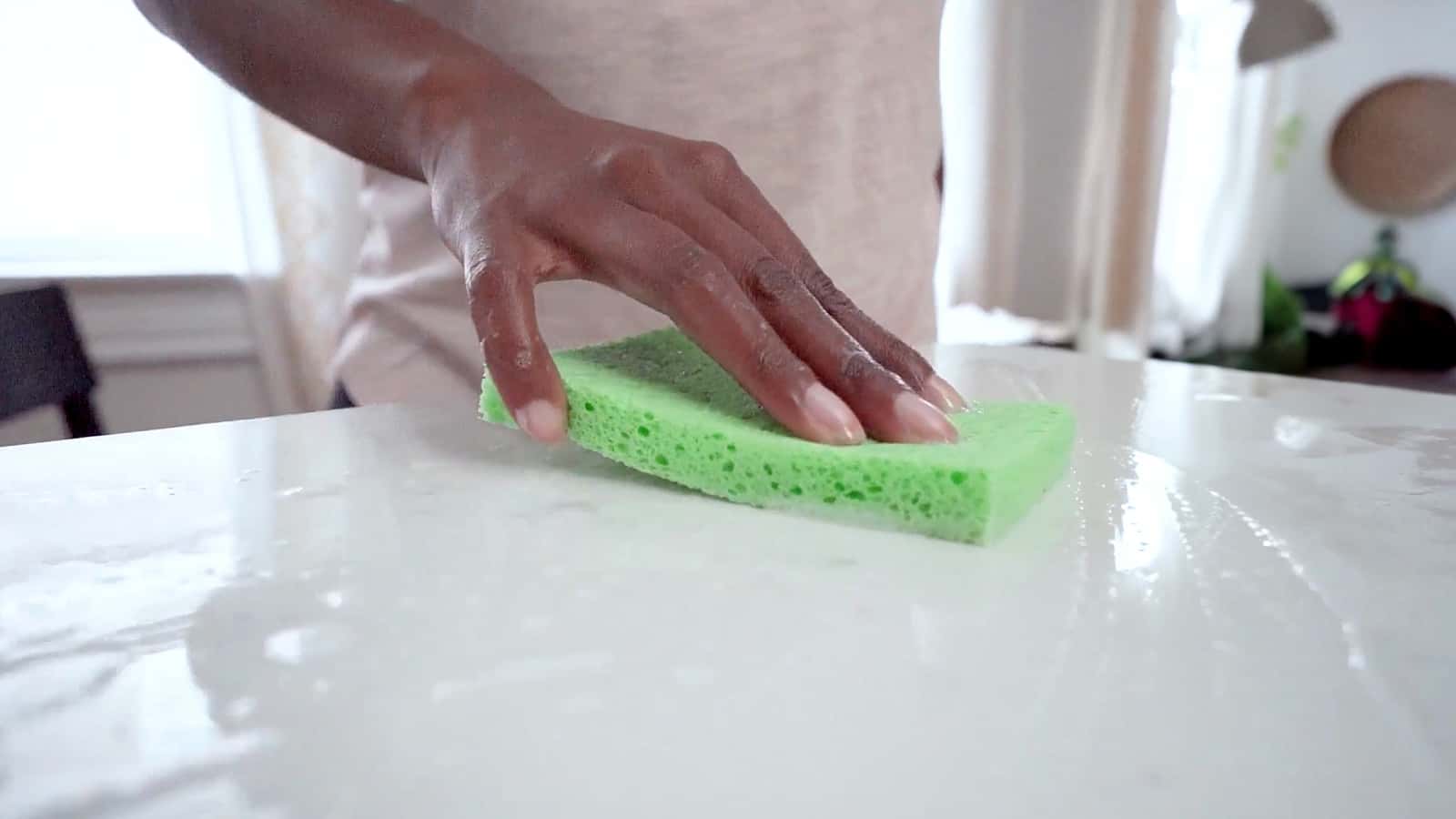
Your kitchen counters face a lot every day – spills, crumbs, stains, and germs. Keeping them spotless isn’t just about looks; it’s about your health and comfort too.
But how do you wipe kitchen counters the right way so they stay clean and last longer? You’ll discover simple, effective steps to make your counters shine effortlessly. Stick with me, and you’ll never worry about stubborn messes again. Let’s get started!
Choosing The Right Cleaner
Choosing the right cleaner for your kitchen counters is more important than you might think. The cleaner you pick affects not only the shine and cleanliness but also the longevity of your surfaces. Knowing the differences between natural and chemical options can help you avoid damage and keep your kitchen safe for food prep.
Natural Vs Chemical Options
Natural cleaners use ingredients like vinegar, baking soda, lemon, and essential oils. They are gentle, eco-friendly, and safe for most surfaces. If you prefer a low-toxicity approach, these are great choices.
Chemical cleaners often contain stronger agents like bleach or ammonia. They work fast and kill germs effectively but can be harsh on delicate materials. If you choose a chemical cleaner, make sure to read the label carefully and test it on a small area first.
Have you ever tried wiping your counters only to find a sticky residue left behind? Sometimes, chemical cleaners cause that because of their strong formulas. Natural options usually leave your counters feeling fresh without any film.
Safe Cleaners For Different Surfaces
Every counter surface reacts differently to cleaners. Here’s a quick guide to keep your surfaces safe:
| Surface | Recommended Cleaner | Cleaners to Avoid |
|---|---|---|
| Granite | Mild dish soap and warm water, pH-neutral cleaners | Acidic cleaners like vinegar or lemon juice |
| Quartz | Gentle soap and water, non-abrasive cleaners | Bleach and harsh chemicals |
| Marble | Soft cloth with mild soap and water | Acidic or abrasive cleaners |
| Laminates | All-purpose cleaner or vinegar diluted with water | Abrasive scrubbers that can scratch |
Knowing your counter type helps you pick a cleaner that works without causing damage. Have you ever ruined a surface by using the wrong cleaner? It’s a mistake you only want to make once.
:max_bytes(150000):strip_icc()/9ThingsYouShouldCleaninYourKitchenEveryWeek-28c9ca430069452181b75b201c65d16e.jpg)
Credit: www.eatingwell.com
Preparing Your Counter
Preparing your kitchen counter is the first step to effective cleaning. A clean surface helps you wipe better and keeps germs away. Start by making sure the counter is clear and ready for a thorough wipe.
Removing Clutter And Debris
Take everything off the counter. Put away small appliances, dishes, and food items. Clear crumbs, wrappers, and other loose debris using your hand or a small brush. This makes wiping easier and prevents spreading dirt around.
Pre-cleaning With Damp Cloth
Use a damp cloth to remove sticky spots and light stains. Wipe the entire surface gently to lift dust and grime. This step prepares the counter for deep cleaning and helps your cleaner work better.
Effective Wiping Techniques
Cleaning kitchen counters effectively keeps your cooking space hygienic. Simple techniques can make a big difference in how clean your counters are. Using the right tools and methods is key. Let's explore some effective wiping techniques for spotless counters.
Using Microfiber Cloths
Microfiber cloths are perfect for wiping kitchen counters. They are soft and absorbent. These cloths pick up dust and dirt easily. They also dry quickly, reducing bacteria growth. Use a damp microfiber cloth for the best results.
Avoid using too much water. Excess water can damage some counter materials. Wring the cloth well before using. This ensures your counters stay dry and clean.
Wiping In Circular Motions
Wiping in circular motions helps remove dirt effectively. This technique reaches all corners and edges. Circular wiping lifts grime better than straight lines.
Start from the corner of the counter. Move in small circles, covering the entire area. Circular motions help spread cleaning solutions evenly, leaving no streaks.
Remember to rinse the cloth often. This prevents spreading dirt back on the counter. Clean counters help maintain a healthy kitchen environment.
Tackling Stubborn Stains
Stubborn stains on kitchen counters can be tough to remove. They often stick around despite regular cleaning. These marks come from food spills, grease, or dried liquids. Tackling them requires specific care and the right tools. Simple wipes may not be enough. Using gentle but effective methods protects your counter’s surface. It also restores the clean, fresh look of your kitchen.
Homemade Stain Removers
Natural ingredients work well on tough stains. They are safe and easy to find. Baking soda is great for scrubbing without scratching. Mix it with water to form a paste. Apply the paste to the stain and let it sit for 10 minutes. Then, wipe it off with a damp cloth.
White vinegar helps dissolve grease and mineral deposits. Spray it on the stain and wait for a few minutes. Wipe the area clean with a soft cloth. Lemon juice also brightens stains and leaves a fresh smell. Dab lemon juice on the spot and rinse after a short wait.
When To Use Scrubbers
Scrubbers work best on dried or sticky stains. Choose the right type to avoid damaging counters. Soft sponges suit gentle cleaning. Use scrub brushes with soft bristles for tougher spots. Avoid steel wool or rough pads on delicate surfaces. Always test scrubbers on a small area first.
Apply gentle pressure and scrub in circular motions. Rinse the area well after scrubbing. Repeat if the stain remains but do not scrub too hard. Protecting your countertop’s finish is important. Use scrubbers only when other methods do not work.
Maintaining A Sparkling Surface
A sparkling kitchen counter brightens the whole room. Clean surfaces make cooking safer and more enjoyable. Consistent care helps keep counters looking fresh and new. Avoiding damage preserves their beauty for years. Simple habits prevent dirt buildup and stains. Small efforts daily lead to big results.
Daily Cleaning Habits
Wipe your counters every day with a soft cloth. Use warm water and mild soap to remove grease and crumbs. Dry the surface with a clean towel to avoid water spots. Clean spills immediately to prevent stains and stickiness. Keep a spray bottle with gentle cleaner handy for quick touch-ups.
Avoiding Damage And Scratches
Use cutting boards to protect counters from knife marks. Avoid dragging heavy pots or appliances across the surface. Place hot pans on heat-resistant mats to prevent burns. Choose non-abrasive sponges or cloths for cleaning. Steer clear of harsh chemicals that can dull the finish.

Credit: www.angi.com
Cleaning Tools To Keep Handy
Keeping the right cleaning tools within reach makes wiping kitchen counters faster and more effective. You don’t want to waste time hunting down supplies or using the wrong items that leave streaks or damage surfaces. Having a go-to set of tools ensures your counters stay spotless with minimal effort.
Essential Cloths And Sponges
Microfiber cloths are a must-have. They trap dirt and absorb liquids without scratching your countertops. Many people overlook how much better these cloths perform compared to regular kitchen towels.
Consider having a few different cloths: one for daily wiping, another for stubborn spots, and a dry one for polishing. Sponges with a soft side and a scrubber side work well too, especially for stuck-on food.
Have you noticed how a worn-out sponge just spreads mess instead of cleaning it? Replace sponges regularly to avoid this common mistake.
Recommended Cleaning Sprays
Not all sprays are created equal for kitchen counters. Choose sprays that disinfect without harsh chemicals that can degrade surfaces over time. Look for ones labeled safe for your countertop material, whether it’s granite, laminate, or wood.
A simple mix of water and white vinegar can be surprisingly effective for everyday cleaning and leaves no toxic residue. If you prefer commercial products, pick those with natural ingredients and avoid strong fragrances that might irritate your nose.
Do you keep your cleaning sprays in a convenient spot? Having them nearby encourages quick cleanups and helps prevent buildup before it happens.

Credit: www.stonelinkcorp.com
Frequently Asked Questions
How Often Should I Wipe Kitchen Counters?
You should wipe kitchen counters daily to remove dirt and bacteria. Regular cleaning prevents buildup and keeps surfaces hygienic. After cooking, always clean spills immediately to avoid stains and germs.
What Is The Best Cleaner For Kitchen Counters?
Use a mild detergent or a mixture of water and vinegar. Avoid harsh chemicals that can damage surfaces. For natural stone counters, use pH-neutral cleaners to prevent etching.
Can I Use Disinfectant On Kitchen Counters?
Yes, disinfectants kill germs effectively on kitchen counters. Use EPA-approved disinfectants and follow instructions for safe use. Ensure the surface is clean before applying disinfectant for best results.
Should I Use Microfiber Cloths For Wiping Counters?
Microfiber cloths are ideal for wiping kitchen counters. They trap dirt and bacteria efficiently without scratching surfaces. They are reusable and eco-friendly, making them a smart cleaning choice.
Conclusion
Cleaning kitchen counters keeps your space fresh and safe. Wipe them daily to remove dirt and germs. Use gentle cleaners to protect surfaces from damage. A clean counter makes cooking easier and more enjoyable. Small efforts lead to a tidy kitchen every day.
Keep a cloth and cleaner handy for quick cleanups. Healthy habits start with a clean kitchen space. Simple steps bring big benefits to your home.