
Have you ever wondered what to do with those old clothes piling up in your closet? Instead of tossing them out, you can turn them into something useful and eco-friendly—like kitchen towels!
Imagine saving money, reducing waste, and adding a personal touch to your kitchen at the same time. In this guide, you’ll discover simple steps to transform your worn-out shirts or jeans into soft, durable towels that brighten your cooking space.
Ready to give your old clothes a new life? Let’s dive in and make your kitchen both stylish and sustainable!
Choosing Old Clothes
Choosing the right old clothes is the first important step in making kitchen towels that are both functional and durable. Not every fabric will absorb spills well or hold up to frequent washing. Taking a moment to pick the best materials can save you from frustration later and ensure your towels last longer.
Best Fabrics For Towels
Look for fabrics that are absorbent and sturdy. Cotton is a top choice because it soaks up water quickly and feels soft on your hands. Old t-shirts, flannel shirts, and even some sweatshirts work well.
Avoid synthetic materials like polyester or nylon, as they don’t absorb liquids effectively. Thick fabrics like denim can be too rough and take longer to dry, making them less ideal for kitchen towels.
Think about the texture too. You want something that cleans surfaces without scratching. Have you noticed how your favorite worn-in cotton tee handles spills better than other clothes? That’s exactly the kind of fabric to grab.
Checking Fabric Condition
Before cutting into your old clothes, inspect the fabric closely. Look for holes, thin spots, or pilling that could make your towel less effective or cause it to wear out quickly.
Check seams and hems as well—sometimes these areas are stronger and can be used creatively in your towel design. If the fabric is stretched out or misshapen, it might not hold its shape after washing.
It’s worth feeling the fabric to see if it still feels soft and absorbent. If the material feels stiff or coated with residue, it may not clean well. Have you ever washed a towel that stayed damp and smelled musty? Avoid fabrics that might cause the same problem.

Credit: sewcraftyme.com
Gathering Materials
Gathering the right materials is the first step to making kitchen towels from old clothes. Having everything ready saves time and helps the process go smoothly. Old clothes must be clean and made of soft, absorbent fabric like cotton. Avoid materials that shed a lot or feel rough.
Besides fabric, some tools and supplies will help cut, sew, and finish the towels. Collect these items before starting your project to keep your workspace organized and efficient.
Tools You’ll Need
- Fabric scissors for clean, precise cuts
- Sewing needles or a sewing machine
- Measuring tape or ruler to get the right size
- Pins to hold fabric pieces in place
- Iron and ironing board to flatten fabric edges
Additional Supplies
- Thread matching the fabric color
- Seam ripper for fixing mistakes
- Fabric chalk or pencil to mark cutting lines
- Optional: decorative trims or patches for design
- Washing detergent to clean fabric before use
Preparing The Fabric
Start by washing the old clothes thoroughly to remove dirt and stains. Cut the fabric into even pieces, removing any worn or damaged areas. Press the fabric flat for easier handling and sewing.
Transforming old clothes into kitchen towels is a creative and eco-friendly way to upcycle unused garments. The first step in this crafty journey is preparing the fabric. This stage is crucial to ensure that your new kitchen towels are both durable and absorbent. Let's dive into the details of getting your fabric ready for this exciting transformation.
Washing And Drying Clothes
Before you cut into your old clothes, it's essential to wash and dry them thoroughly. This ensures that any dirt, dust, or lingering odors are removed. Use a gentle detergent to preserve the fabric's integrity and prevent color fading. Once washed, dry the clothes completely. You can use a dryer for speed, but air drying is more environmentally friendly. Make sure the clothes are completely dry to avoid any mildew or mold growth.
Cutting Fabric Pieces
Now that your clothes are clean and dry, it’s time to cut them into usable pieces. Identify garments with the most fabric, such as oversized t-shirts or dresses. These provide ample material for your towels. Using a sharp pair of scissors, cut along the seams to separate the fabric into flat, manageable sections. Aim for rectangular or square pieces, approximately 16x28 inches, which are standard kitchen towel sizes. Consider marking your fabric with a fabric pen for precision. This step ensures that each towel is uniform, giving your DIY project a professional touch. Remember, the better your fabric prep, the smoother the sewing process will be. Are you ready to breathe new life into your old clothes?
Sewing The Towels
Sewing the towels from old clothes is a fun and practical step. It brings the fabric pieces together to create useful kitchen towels. Basic sewing skills make this task easy and enjoyable. Sewing also helps give the towels a neat and durable finish.
Basic Stitching Techniques
Start with simple stitches like the running stitch or backstitch. These stitches hold fabric pieces firmly. Use a needle and thread that match the fabric color. Keep stitches even and close for strength. Hand sewing works fine for small towels. A sewing machine speeds up the process for larger projects.
Practice stitching on scrap fabric first. This builds confidence and improves control. Make sure to knot the thread at the start and end. This prevents the stitches from coming undone. Keep the fabric flat while stitching to avoid puckers.
Adding Edges And Hems
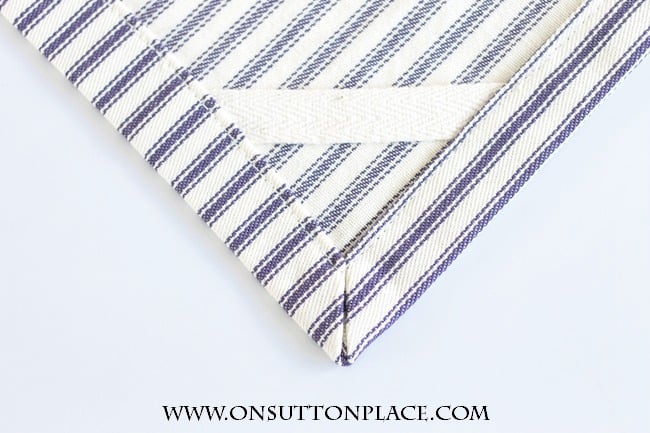
Edges and hems stop the fabric from fraying. Fold the towel edges about half an inch inside. Press the fold with an iron for a crisp edge. Sew along the folded edge with small stitches. Double-fold hems give extra strength and a clean look.
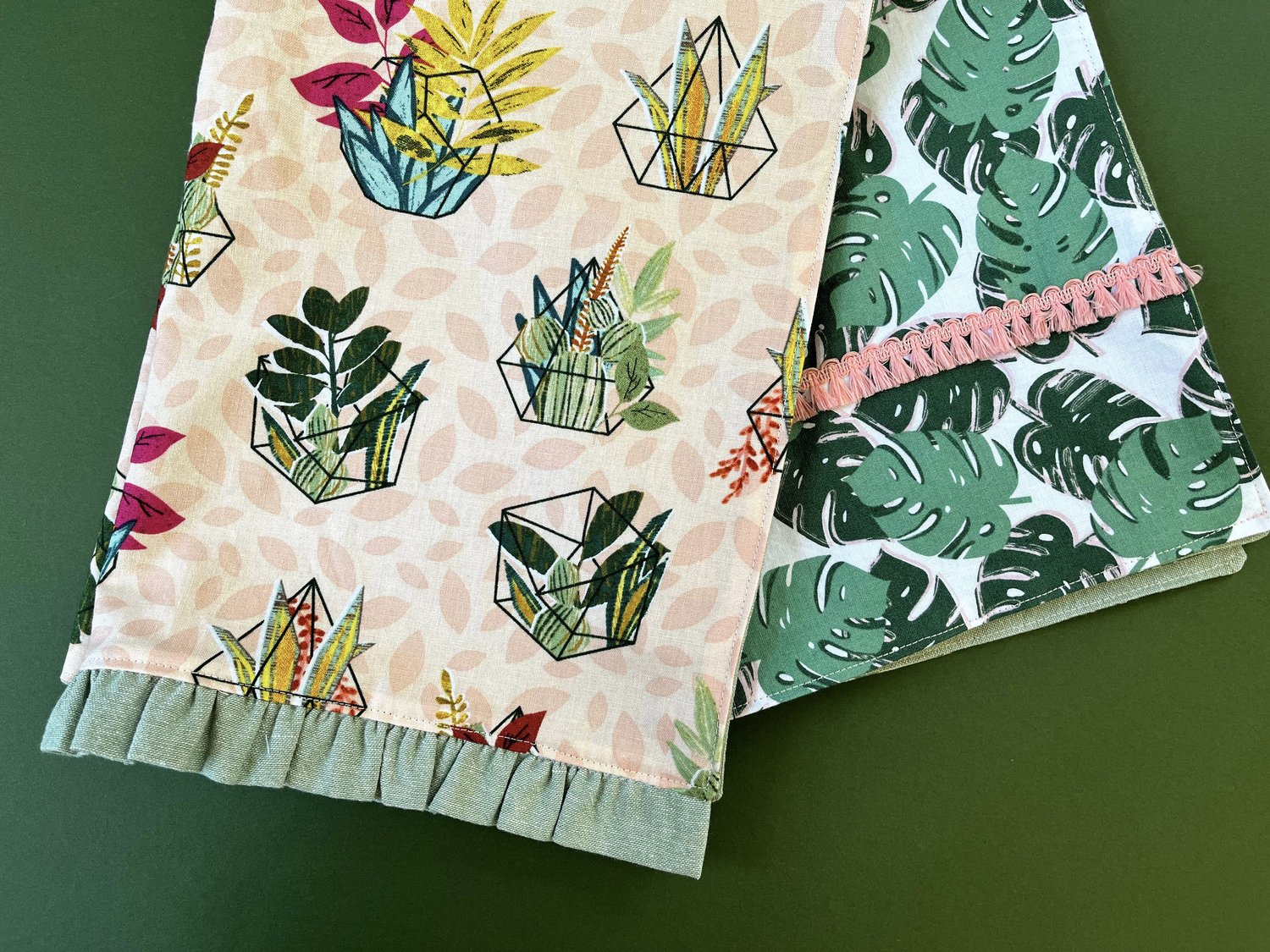
Use zigzag stitches or an overlock stitch if available. These stitches secure raw edges well. Adding a border with contrasting fabric can add style. Choose soft, absorbent fabric for the hem. This ensures the towel stays functional and attractive.
Customizing Your Towels
Customizing your kitchen towels makes them truly unique. It lets you add personality and style to old clothes. Simple decorations turn plain towels into beautiful, useful items. Custom touches can brighten your kitchen and make great gifts. Use easy techniques to add patterns or embroidery for a personal flair.
Adding Patterns Or Designs
Patterns bring life to plain fabric. Use fabric paint or markers to create shapes and lines. Stencils help make neat, repeatable designs. Try dots, stripes, or simple flowers for a fresh look.
Another option is fabric dye. Tie-dye or dip-dye creates colorful effects. Let colors blend naturally for soft, unique patterns. Always protect your work area and follow dye instructions carefully.
Using Embroidery Or Appliques
Embroidery adds texture and detail to your towels. Use simple stitches like running stitch or backstitch. Create small images like leaves, hearts, or initials. These small touches make towels special and memorable.
Appliques are pieces of fabric sewn on top of the towel. Cut shapes from contrasting cloth and stitch them down. Secure edges with a tight zigzag stitch to prevent fraying. Mix and match colors and shapes for a playful design.
Credit: www.onsuttonplace.com
Caring For Diy Kitchen Towels
Caring for your DIY kitchen towels is key to keeping them fresh, absorbent, and long-lasting. These towels, made from old clothes, can easily outlast many store-bought options if you treat them right. Knowing the best washing and maintenance habits helps you save money and reduces waste.
Washing Tips
Wash your DIY kitchen towels separately from clothes that shed lint, like towels or sweaters. This keeps your towels looking clean and prevents fuzz buildup. Use cold or warm water to preserve fabric fibers and colors.
Avoid bleach or strong detergents that can break down the fibers quickly. Instead, try a mild detergent that cleans without harsh chemicals. If your towels get greasy, add a cup of white vinegar to the rinse cycle to cut through oils naturally.
Extending Towel Life
Dry your towels thoroughly to prevent mildew and odors, but avoid high heat settings in the dryer. Air drying is gentle and keeps fibers intact longer. If you use a dryer, pick a low heat or delicate cycle.
Trim any loose threads immediately to avoid unraveling. You might also want to sew reinforced edges or double stitch worn areas for extra durability. Have you noticed how a little repair work can double your towel’s lifespan?
Store your towels in a dry, well-ventilated area. Avoid stuffing them in drawers where moisture can build up. Good storage helps keep your DIY towels fresh and ready for your next kitchen task.
Creative Uses For Old Towels
Old towels offer many creative uses beyond the kitchen. They are perfect for crafting new items that save money and reduce waste. Transforming old towels into practical or decorative pieces gives them a fresh life. This approach supports eco-friendly living and adds a personal touch to your home.
Gift Ideas
Old towels can be turned into thoughtful, handmade gifts. You can sew them into soft kitchen towels with unique patterns. Adding embroidered names or simple designs personalizes each towel. These gifts suit friends who love cooking or baking. Pair a set with homemade soaps for a lovely present. Wrapping gifts in towel fabric adds a rustic, charming look. Gifts made from old towels show care and creativity.
Other Household Uses
- Use old towels as cleaning rags around the house.
- Create washable mop pads for easy floor cleaning.
- Make reusable dust cloths to keep surfaces spotless.
- Cut towels into pet mats for food bowls or sleeping areas.
- Sew small pouches for storing craft supplies or tools.
- Use towel scraps as padding for fragile items when moving.
These uses save money and reduce the need for disposable products. Old towels are versatile and easy to repurpose in many ways.
Credit: www.pincutsewstudio.com
Frequently Asked Questions
What Types Of Old Clothes Work Best For Kitchen Towels?
Cotton and linen clothes work best for kitchen towels. These fabrics absorb moisture well and dry quickly. Avoid synthetic fabrics as they don’t absorb water effectively. Old t-shirts, shirts, or pillowcases are ideal for repurposing into durable kitchen towels.
How Do I Prepare Old Clothes For Making Towels?
Wash old clothes thoroughly to remove dirt and stains. Iron them to remove wrinkles for easy cutting. Cut the fabric into towel-sized pieces, usually around 16x28 inches. Remove any buttons, zippers, or embellishments before sewing.
Can I Use Sewing Machines To Make Kitchen Towels?
Yes, sewing machines speed up the process and create durable seams. Use a straight stitch or zigzag stitch for edges to prevent fraying. If you don’t have a machine, hand sewing with strong thread works too but takes longer.
How Do I Maintain Homemade Kitchen Towels?
Wash towels regularly in warm water with mild detergent. Avoid bleach to preserve fabric integrity. Air dry or tumble dry on low heat to prevent shrinking. Iron if needed to keep them soft and absorbent.
Conclusion
Making kitchen towels from old clothes saves money and helps the environment. It uses fabric that might otherwise be thrown away. The process is simple and fun to try at home. These towels are unique and can be customized easily.
Plus, they absorb spills well and dry quickly. Giving old clothes a new life feels good too. Try this project to reduce waste and add charm to your kitchen. Small changes like this make a big difference over time.