

Your kitchen floor is one of the busiest spots in your home. Spills, crumbs, and stains happen every day, and if you don’t clean them properly, dirt can build up fast.
But how often should you mop your kitchen floor to keep it fresh and safe? Knowing the right schedule can save you time, protect your family’s health, and even make your kitchen look better. Keep reading to discover the simple truth about mopping frequency and find out how to keep your kitchen floor spotless without extra effort.
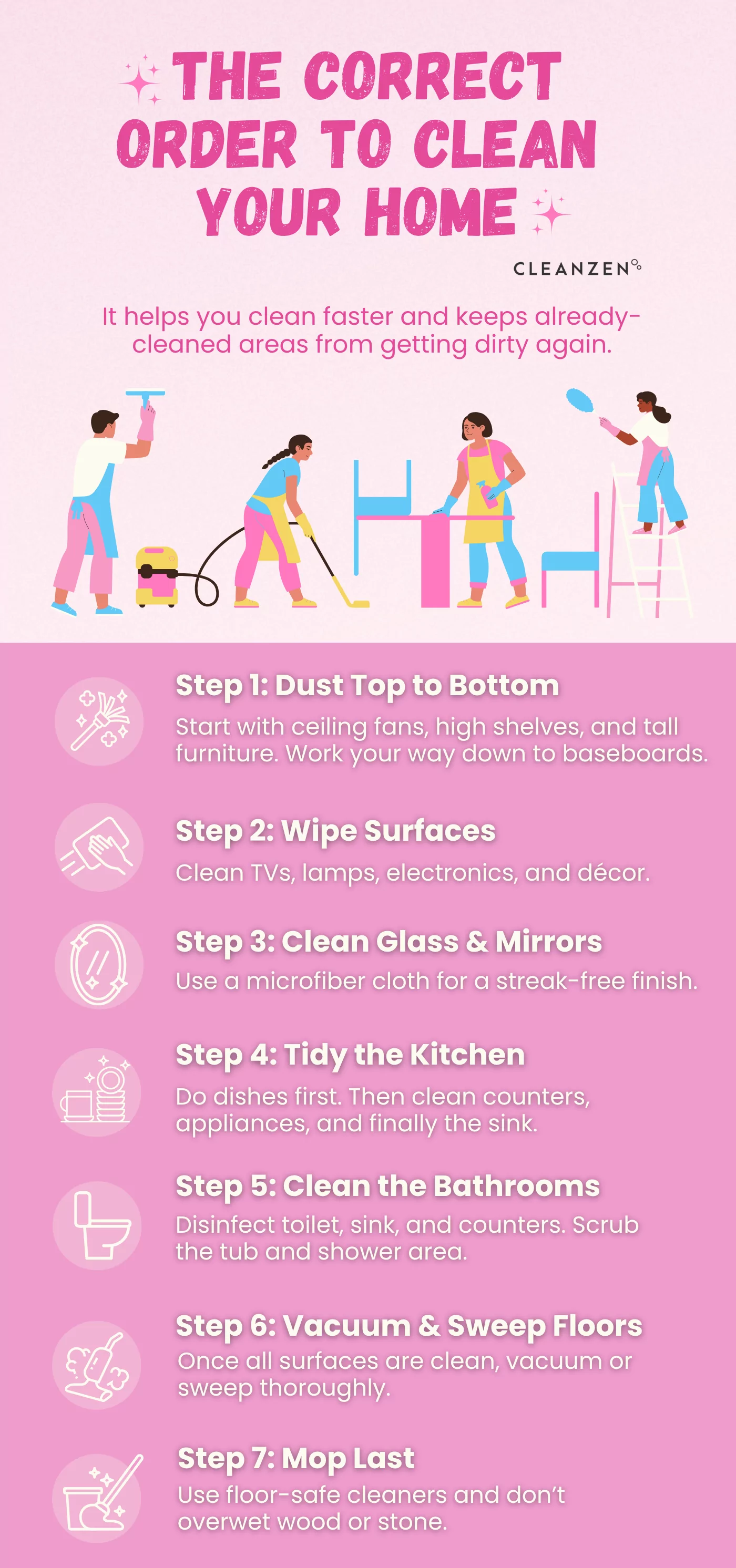
Credit: cleanzen.com
Importance Of Regular Mopping
Keeping your kitchen floor clean is more than just about appearances. Regular mopping plays a crucial role in maintaining a healthy and safe environment. It helps you avoid buildup that could lead to bigger problems down the line.
Impact On Hygiene
Your kitchen is where food is prepared, so hygiene should be a top priority. Dirt, spills, and crumbs create a perfect breeding ground for bacteria and pests. Regular mopping removes these hazards, reducing the risk of illness for you and your family.
Think about the last time you noticed sticky spots or stains on your floor. How often do you really clean up those messes? A quick mop after cooking sessions can prevent germs from spreading across your kitchen.
Preventing Stains And Damage
Spilled liquids and dropped food can leave stubborn stains if not cleaned promptly. Over time, these stains can become permanent and affect the look of your floor. Mopping regularly helps keep your floor looking fresh and new.
Beyond appearance, neglecting regular cleaning can damage the floor’s surface. Sticky residues attract dirt, which can scratch or wear down protective coatings. Have you noticed your floor becoming dull or rough? Consistent mopping protects your investment and extends the life of your flooring.
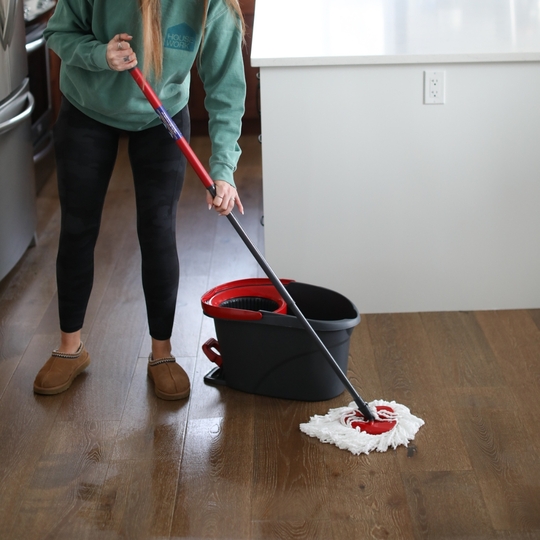
Credit: www.housework.com
Factors Affecting Mopping Frequency
Several factors influence how often you should mop your kitchen floor. Understanding these can help keep your floor clean and safe. Each kitchen is different. The right mopping schedule depends on your home's unique needs.
Household Size And Traffic
The number of people in your home affects floor dirtiness. More people mean more crumbs, spills, and dirt. Kitchens with high foot traffic need mopping more often. Smaller households with less traffic can mop less frequently. Regular cleaning helps prevent buildup and keeps floors fresh.
Type Of Flooring
Different floor materials need different care. Tile and vinyl can handle frequent mopping. Hardwood floors require gentler cleaning and less water. Stone floors may need special cleaners to avoid damage. Knowing your floor type guides how often and how you mop.
Presence Of Pets And Kids
Pets and children bring extra mess to kitchens. Pets can track dirt and shed hair. Kids often spill food and drinks. These factors increase the need for mopping. Keeping floors clean helps reduce germs and allergens for a healthier home.
Recommended Mopping Schedules
Keeping your kitchen floor clean is essential. It helps maintain a healthy home. But how often should you mop it? Here's a guide to recommended mopping schedules. Follow these tips to keep your kitchen floor sparkling.
Daily Maintenance Tips
Daily care prevents dirt buildup. Sweep or vacuum daily to remove crumbs. Spot-clean spills immediately to avoid stains. Use a damp mop for quick touch-ups. This routine ensures your floor stays fresh.
Weekly Deep Cleaning
Once a week, give your floor a thorough mop. Use warm water and a suitable cleaner. Mop in sections for even coverage. Rinse the mop frequently to avoid spreading dirt. Let the floor air dry completely.
Monthly Intensive Care
Every month, perform intensive cleaning. Focus on grout lines and corners. Use a scrub brush for tough stains. Consider using a steam cleaner for deep sanitation. This step keeps your kitchen floor hygienic.
Best Mopping Techniques
Cleaning your kitchen floor well keeps your space fresh and safe. Using the right mopping methods helps remove dirt and germs effectively. Good mopping also protects your floor from damage and keeps it looking new longer.
Choosing The Right Mop And Cleaner
Select a mop that fits your floor type. For hardwood or laminate, use a microfiber mop. For tile or vinyl, a sponge mop works well. Avoid using very wet mops on wood floors.
Pick a cleaner that suits your floor material. Mild detergents work for most floors. Avoid harsh chemicals that can dull or damage surfaces. Natural cleaners like vinegar mixed with water work well too.
Step-by-step Mopping Process
- Sweep or vacuum the floor to remove loose dirt.
- Fill a bucket with warm water and add the cleaner.
- Dip the mop into the solution, then wring it out well.
- Start mopping from one corner, moving backward to avoid stepping on wet floor.
- Use gentle, even strokes for better cleaning.
- Rinse the mop often to avoid spreading dirt.
- Let the floor air dry or dry it with a clean cloth.
Common Mistakes To Avoid
Keeping your kitchen floor clean is essential, but many people unknowingly make mistakes that can damage the floor or reduce the effectiveness of mopping. Avoiding these common errors will help you maintain a spotless kitchen without extra hassle or expense. Let’s look at some pitfalls you should watch out for.
Over-wetting The Floor
It’s tempting to use lots of water to get the floor super clean, but too much moisture can cause problems. Excess water can seep into grout lines, causing mold or loosening tiles over time. Also, wet floors take longer to dry, increasing the risk of slips.
Try using a damp mop instead of a soaking wet one. This approach cleans effectively without leaving puddles behind. Have you noticed your floor stays sticky or dull after mopping? Over-wetting could be the reason.
Using Harsh Chemicals
Strong cleaning agents may seem like a quick fix, but they often harm your floor’s finish. Harsh chemicals can strip protective coatings or discolor tiles, leading to costly repairs or replacements. Plus, they can leave behind harmful residues that affect your family’s health.
Opt for mild, pH-neutral cleaners designed for your floor type. Simple solutions like vinegar diluted in water often work wonders without the risks. Think about what’s really necessary—does your floor need a tough chemical or just a gentle clean?
Ignoring Spills
It’s easy to overlook small spills, especially if they don’t seem like a big deal. However, leaving spills unattended can stain your floor or attract pests. Sticky residues can also make mopping less effective later on.
Make it a habit to wipe up spills as soon as they happen. This small step saves you time and effort during your regular mopping routine. What spills do you usually miss that might be causing hidden damage?
Additional Cleaning Tips
Keeping your kitchen floor clean goes beyond just mopping. Small, regular efforts keep dirt and grime from building up. These extra steps make mopping easier and more effective.
Sweeping And Vacuuming
Remove loose dirt and crumbs before mopping. Sweep or vacuum the floor daily to catch dust and debris. This stops dirt from spreading when you mop. Use a broom with soft bristles or a vacuum with a hard floor setting. Clean corners and under cabinets where dirt hides.
Spot Cleaning Between Mops
Wipe spills and stains quickly to avoid sticky spots. Use a damp cloth or mop for small messes. This keeps the floor fresh and prevents stains. Focus on areas near the sink or stove. Spot cleaning saves time and keeps the kitchen hygienic.

Credit: www.express.co.uk
Frequently Asked Questions
How Often Should You Mop Kitchen Floors Weekly?
Mop your kitchen floor at least once a week to remove dirt and spills. High-traffic kitchens may require mopping twice weekly to maintain cleanliness and hygiene.
What Is The Best Time To Mop Kitchen Floors?
Mop your kitchen floor after cooking or mealtime when spills are fresh. This prevents stains and keeps your floor hygienic and spotless.
Can I Mop Kitchen Floors Daily?
Daily mopping is not necessary but can help in busy kitchens. Use a damp mop to avoid over-wetting and damaging the floor surface.
Should I Use Specific Cleaners For Kitchen Floors?
Yes, use floor cleaners suitable for your floor type to avoid damage. Avoid harsh chemicals that can dull or harm floor finishes.
Conclusion
Keeping your kitchen floor clean helps maintain a healthy home. Mop regularly to remove dirt and spills. High-traffic kitchens may need mopping every day or two. Less used kitchens can be mopped once a week. Always choose the right cleaner for your floor type.
Clean floors prevent stains and keep the kitchen fresh. A simple routine makes cleaning easier and faster. Stay consistent, and your kitchen will look its best. Clean floors make cooking and eating more enjoyable. Small effort, big difference.