
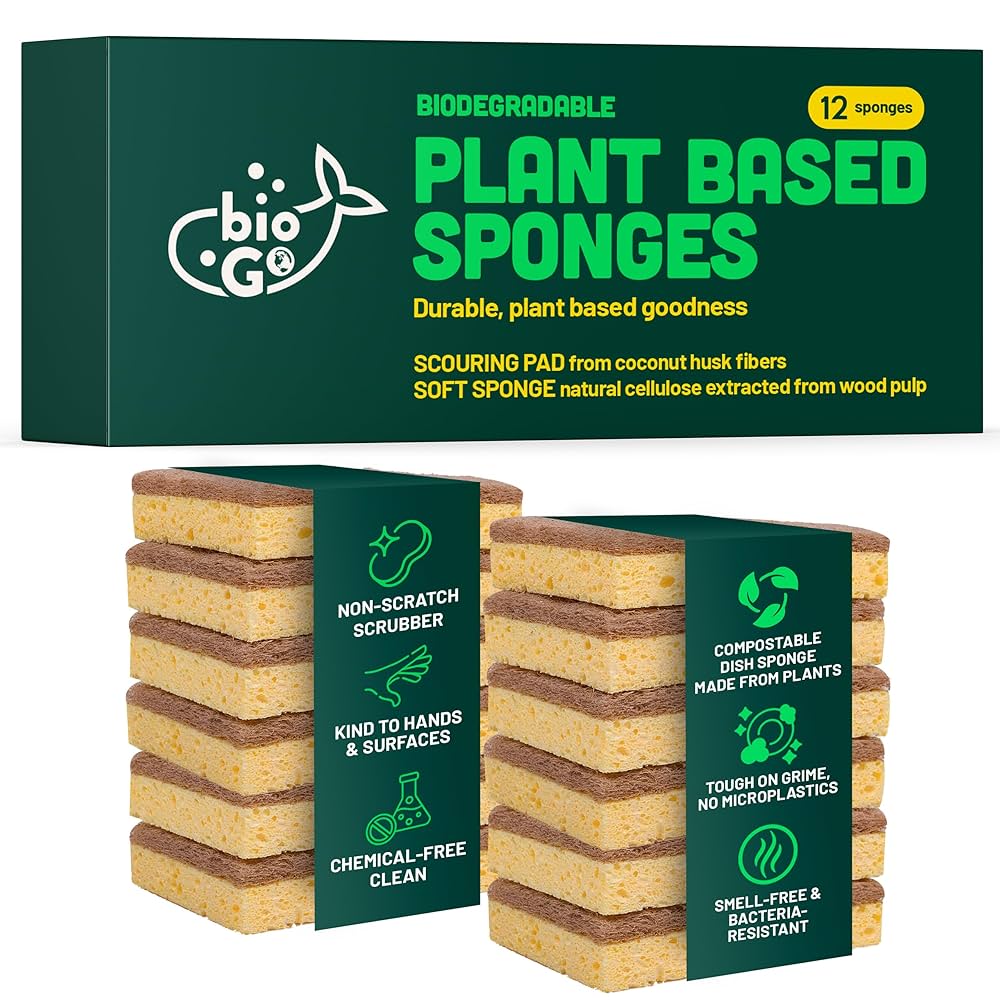
Have you ever stopped to think about what happens to your kitchen sponge after you toss it away? You use it every day to clean your dishes, but is it really breaking down harmlessly, or is it adding to the growing pile of plastic waste?
Understanding whether kitchen sponges are biodegradable can help you make smarter choices for your home and the environment. Keep reading to discover the truth about these common cleaning tools and how your next sponge could make a big difference.

Credit: www.regn.co.uk
Types Of Kitchen Sponges
Kitchen sponges come in different types, each with unique features and materials. Choosing the right sponge affects cleaning power and environmental impact. Some sponges break down naturally, while others do not. Understanding the materials helps decide if a sponge is biodegradable or not.
Natural Materials
Natural kitchen sponges use plant-based fibers or animal sources. Common materials include cellulose, cotton, and sea sponge. These sponges decompose faster in compost or soil. They do not release harmful chemicals during breakdown. Natural sponges absorb water well and clean gently. They are safe for the environment and human health.
- Cellulose sponges come from wood pulp.
- Cotton sponges are soft and reusable.
- Sea sponges are harvested from ocean beds.
Synthetic Materials
Synthetic sponges are made from plastic or foam-like substances. Polyurethane is a common synthetic sponge material. These sponges last longer but do not biodegrade easily. They can release microplastics into water systems. Some synthetic sponges combine plastic with natural fibers. They clean tough stains but harm the environment when discarded.
- Polyurethane sponges are durable and cheap.
- Polyester sponges resist bacteria but are not eco-friendly.
- Some synthetic sponges include scrubbers made of nylon.
Biodegradability Explained
Understanding biodegradability helps us see how kitchen sponges affect the environment. It shows whether these sponges break down naturally or stay as waste. Knowing this helps us choose better products for a cleaner planet.
What Makes A Sponge Biodegradable
A sponge is biodegradable if natural materials make it. These materials include plant fibers, cellulose, or natural rubber. They break down by microbes in soil or water. Synthetic sponges made from plastic do not break down easily.
Key points that make a sponge biodegradable:
- Made from natural fibers or plant-based materials
- Free from synthetic chemicals or plastic
- Can be broken down by bacteria, fungi, or other microorganisms
Decomposition Process
Biodegradable sponges decompose through natural processes. Microorganisms feed on the sponge's material. This breaks it into smaller parts over time. Heat, moisture, and oxygen speed up this process.
The decomposition can take weeks to months depending on conditions. The sponge eventually turns into natural elements like water, carbon dioxide, and compost. Synthetic sponges can take hundreds of years or never fully decompose.
Eco-friendly Sponge Options
Many kitchen sponges are not biodegradable and can harm the environment. Eco-friendly options like natural fiber sponges break down safely after use. Choosing these sponges helps reduce plastic waste in landfills.
Switching to eco-friendly sponges can significantly reduce your kitchen's environmental footprint. While traditional sponges often contain synthetic materials, there are greener alternatives that are biodegradable and sustainable. Choosing the right sponge not only helps the planet but can also enhance your cleaning routine. Let's explore some eco-friendly sponge options.
Plant-based Sponges
Plant-based sponges are made from natural materials like cellulose, cotton fibers, or loofah. These materials are not only biodegradable but also renewable, making them a sustainable choice. Imagine cleaning your dishes with a loofah sponge, knowing it was once a plant growing in the sun. Wouldn't that feel more rewarding than using synthetic alternatives? You can find plant-based sponges in various shapes and sizes, catering to different cleaning tasks. They're often more durable than you might expect, providing excellent scrubbing power without scratching your dishes.
Compostable Alternatives
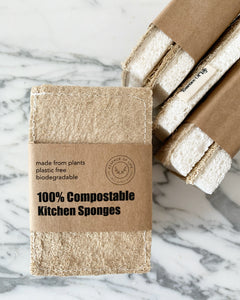
Compostable sponges break down naturally in a compost pile, returning nutrients to the earth. These sponges are typically made from materials like coconut husk or wood pulp. Next time you replace your sponge, consider throwing the old one into your compost bin. It's a simple step that closes the loop on waste. Some compostable sponges even come with a green certification, ensuring they meet environmental standards. Check the packaging next time you're shopping, and make a choice that aligns with your values.
Credit: www.essenceoflifeorganics.com
Environmental Impact Of Sponges
Sponges are a common household item, but many don’t consider their environmental impact. The materials and disposal methods of kitchen sponges can affect our planet more than you might expect. Understanding this impact helps you make better choices for your home and the environment.
Waste And Pollution
Most kitchen sponges are made from synthetic materials that do not break down easily. When thrown away, they add to the growing problem of landfill waste. Unlike natural sponges, these synthetic ones can take hundreds of years to decompose.
Have you ever thought about how many sponges you toss each year? Imagine the amount of non-biodegradable waste that piles up from just one household. Choosing biodegradable options can reduce this waste significantly and lower pollution levels.
Microplastic Concerns
As synthetic sponges wear down, they release tiny plastic particles called microplastics. These microplastics can enter water systems, harming aquatic life and contaminating our food chain. They’re almost impossible to filter out once they’re in the environment.
Even small actions, like switching to biodegradable sponges or properly disposing of synthetic ones, can help limit microplastic pollution. Have you checked what type of sponge you are currently using? Making a switch might be easier than you think and better for the planet.
Choosing Green Cleaning Products
Choosing green cleaning products helps protect the environment and your health. These products break down naturally and do not harm nature. They reduce plastic waste and chemical pollution in water. Using eco-friendly sponges supports a cleaner home and planet. Knowing what to look for is key to making the right choice.
Labels To Look For
Labels on cleaning products tell a lot about their eco-friendliness. Look for terms like:
- Biodegradable
- Compostable
- Made from natural fibers
- Free from harmful chemicals
These labels mean the product will break down without harming nature. Avoid products with plastic or synthetic materials. Choose products that list plant-based ingredients.
Certification Standards
Certifications help verify if a product meets environmental claims. Trusted certifications include:
- USDA Organic
- EPA Safer Choice
- OEKO-TEX Standard 100
- EcoCert
These seals confirm the product is tested and safe for the environment. Certification ensures the sponge does not contain toxic chemicals. It also confirms the sponge breaks down quickly after use.
Care And Disposal Tips
Taking good care of your kitchen sponge not only saves you money but also reduces waste. Knowing how to handle and dispose of sponges properly can make a big difference in your kitchen hygiene and environmental impact. Let’s look at some tips that help you get the most out of your sponge while being kind to the planet.
Extending Sponge Life
You can keep your sponge fresh and effective longer by rinsing it thoroughly after each use. Squeeze out excess water to prevent bacteria growth, which often happens in damp sponges. Storing it in a dry, well-ventilated spot speeds up drying and reduces odors.
Disinfect your sponge regularly by microwaving it for about 30 seconds or soaking it in a vinegar solution. These simple tricks kill germs without chemicals. Have you ever noticed how a clean sponge feels different? It makes your kitchen tasks more pleasant and safer.
Proper Composting Methods
Not all sponges are compostable, so check if yours is made from natural materials like cellulose. If yes, cut it into small pieces to help it break down faster in your compost pile. Avoid sponges with synthetic fibers or plastic scrubbing layers, as they don’t decompose well.
Mix sponge scraps with brown materials like dry leaves or shredded paper for balanced compost. Keep the compost moist and turn it regularly to speed up decomposition. Have you tried adding kitchen sponges to your compost? It’s a small step that reduces landfill waste significantly.

Credit: www.amazon.ca
Frequently Asked Questions
Are Kitchen Sponges Biodegradable?
Most traditional kitchen sponges are not biodegradable. They are made from synthetic materials like polyurethane, which take years to break down. However, natural sponges and some eco-friendly alternatives are biodegradable and compostable, making them better for the environment.
What Materials Make Kitchen Sponges Eco-friendly?
Eco-friendly kitchen sponges are often made from natural fibers like cellulose, cotton, or sea sponge. These materials break down naturally and don't release harmful chemicals. Choosing biodegradable sponges helps reduce plastic waste and supports sustainable living.
How Long Do Biodegradable Sponges Take To Decompose?
Biodegradable sponges typically decompose within a few months to a year, depending on conditions. Compostable sponges break down faster in warm, moist environments. Proper disposal in compost bins accelerates decomposition and reduces landfill waste.
Can Kitchen Sponges Harm The Environment?
Yes, synthetic kitchen sponges contribute to plastic pollution and take decades to decompose. They release microplastics and harmful chemicals when discarded improperly. Switching to biodegradable sponges minimizes environmental impact and promotes healthier ecosystems.
Conclusion
Kitchen sponges vary in biodegradability depending on materials used. Natural sponges break down faster in the environment. Synthetic sponges take much longer and can harm nature. Choosing biodegradable options helps reduce plastic waste. Small changes like this protect our planet daily.
Think about the sponge you use next time. Making smart choices supports a cleaner, greener home. Every effort counts toward a healthier Earth.