
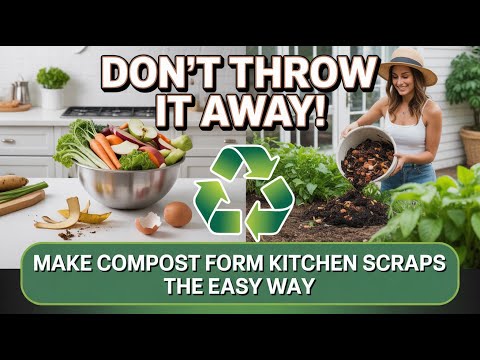
Have you ever wondered what to do with those leftover vegetable peels, coffee grounds, or eggshells? Instead of tossing them in the trash, you can turn your kitchen scraps into rich, healthy compost for your garden.
Composting not only reduces waste but also helps your plants grow stronger and healthier. You’ll discover simple, practical ways to use your kitchen scraps effectively. By the end, you’ll be ready to transform everyday waste into valuable soil that benefits both your garden and the environment.
Keep reading to learn how easy and rewarding composting can be!
Benefits Of Composting Kitchen Scraps
Composting kitchen scraps offers many benefits for your home and garden. It helps reduce waste and improves the quality of your soil. Using scraps for compost also lowers the need for chemical fertilizers. This simple practice supports a healthier environment and saves money.
Reducing Household Waste
Composting kitchen scraps cuts down the trash sent to landfills. Food waste makes up a large part of household garbage. Composting turns leftovers and peelings into valuable material instead of waste. This reduces landfill overflow and lowers greenhouse gas emissions.
Enhancing Soil Health
Compost enriches soil with nutrients and organic matter. It improves soil texture and helps retain moisture. Healthy soil supports strong plant growth and fights disease. Using compost leads to greener lawns and more vibrant gardens.
Saving Money On Fertilizers
Compost acts as a natural fertilizer for plants. It reduces the need to buy chemical fertilizers. This saves money and protects the environment from harmful chemicals. You get nutrient-rich soil without extra cost.
Best Kitchen Scraps For Composting
Using the right kitchen scraps can make your compost rich and healthy. Not all scraps break down the same way, so choosing the best ones helps speed up the process. Here’s a look at some common scraps you can add to your compost pile to get excellent results.
Vegetable And Fruit Peels
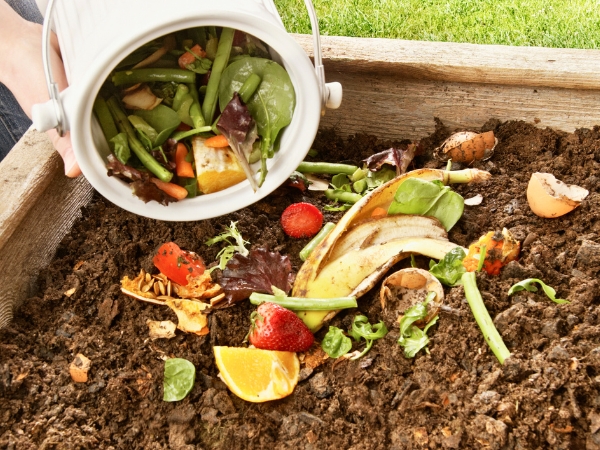
Vegetable and fruit peels are some of the easiest scraps to compost. They break down quickly and add valuable nutrients to the soil. Think about tossing in potato skins, carrot tops, apple cores, and banana peels.
Be cautious with citrus peels, though—they can be acidic and slow down composting if added in large amounts. Have you noticed how peels from your daily cooking add volume and moisture to your compost pile? That’s exactly why they’re so useful.
Coffee Grounds And Tea Bags
Used coffee grounds are fantastic for compost because they add nitrogen, which helps microbes thrive. Tea bags can also be composted, but check if they contain synthetic fibers; if so, remove the tea leaves and compost only those.
Adding coffee grounds makes the compost darker and richer. Do you drink coffee every morning? Saving those grounds can give your compost a powerful boost without extra effort.
Eggshells And Nut Shells
Eggshells add calcium to your compost, which is essential for healthy plant growth. Rinse and crush them before adding to speed up decomposition. Nut shells, on the other hand, take longer to break down.
You can add softer nut shells like peanut shells, but avoid hard ones like walnut shells unless you crush them well. Have you tried crushing eggshells and mixing them in your compost? It’s a simple step that makes a noticeable difference over time.
Scraps To Avoid In Compost
Composting kitchen scraps is a great way to reduce waste. It also helps enrich soil. But not all scraps are compost-friendly. Some can attract pests or cause bad smells. Others may spread disease. Knowing which scraps to avoid can help create healthy compost.
Meat And Dairy Products
Meat and dairy products should stay out of compost. They rot quickly and attract unwanted pests. They can also produce strong odors. These odors can make your compost area unpleasant.
Oily Or Greasy Foods
Oily or greasy foods are not good for composting. They take longer to break down. This can slow the composting process. These foods can also attract animals. This can create problems in your compost pile.
Diseased Plant Material
Diseased plant material should not go into compost. It can spread disease to healthy plants. This can harm your garden. Always dispose of diseased plants separately to keep compost safe.
Credit: canadale.ca
Simple Composting Methods
Simple composting methods make it easy for you to turn kitchen scraps into nutrient-rich soil right at home. These approaches require minimal tools and can fit into any lifestyle, whether you have a large backyard or just a small balcony. Understanding these basic techniques helps you start composting without feeling overwhelmed.
Using A Compost Bin
A compost bin keeps your scraps contained and speeds up decomposition by maintaining the right environment. You can buy one or make your own from wooden pallets or plastic containers with holes for airflow.
To get started, add a mix of “green” scraps like vegetable peels and coffee grounds, and “brown” materials such as dried leaves or shredded paper. Turn the contents every week to keep air flowing and help the materials break down faster.
Have you noticed how your kitchen scraps shrink and change texture over time? That’s the magic of aerobic decomposition happening inside your bin.
Creating A Compost Pile
If you have outdoor space, a compost pile is a simple and natural way to recycle scraps. Choose a dry, shady spot and start layering your scraps with yard waste like grass clippings or small branches.
Keep the pile moist but not soggy, and turn it occasionally to speed up the process. This method may take longer than a bin but lets you compost larger volumes of waste.
Think about what you usually throw away—would you be surprised how much of it can feed a compost pile instead?
Vermicomposting With Worms
Vermicomposting uses worms to break down kitchen scraps quickly and produce rich worm castings for your plants. You can set up a small worm bin indoors, making it perfect if you don’t have outdoor space.
Feed your worms fruit and vegetable scraps, avoiding onions or citrus, which can harm them. Keep the bin moist and in a cool, dark place for best results.
Have you ever seen how active worms are? Watching them work can turn composting into a fascinating daily ritual.
Tips For Faster Composting
Faster composting makes your kitchen scraps turn into rich soil quickly. Small changes in how you manage your compost can speed up this natural process. Simple actions like preparing scraps properly and caring for the pile keep microorganisms active. These tips help you enjoy fresh compost sooner for your garden.
Chopping Scraps Into Smaller Pieces
Cut kitchen scraps into small pieces before adding them to the compost. Smaller pieces have more surface area for microbes to work on. This speeds up decomposition and reduces waiting time. Use a knife or food processor to chop scraps finely. Avoid adding large chunks, as they take longer to break down.
Balancing Greens And Browns
Mix green and brown materials in your compost pile for better results. Greens include fruit and vegetable scraps, while browns are dry leaves and paper. A good balance creates the right environment for microbes. Aim for about two parts browns to one part greens. Too many greens cause bad smells. Too many browns slow down the process.
Turning The Pile Regularly
Turn your compost pile every few days to add air inside. Oxygen helps microbes break down materials faster. Use a garden fork or shovel to mix the pile well. Turning prevents the pile from becoming compacted and smelly. Keep the pile moist but not wet to support microbe activity. Regular turning keeps the compost healthy and fast.

Credit: www.bamboozlehome.com
Using Finished Compost In Your Garden
Using finished compost in your garden is one of the best ways to give your plants a natural boost. It enriches the soil, helps retain moisture, and supports healthy root development. If you've ever wondered how to get the most out of your compost, here are some practical ways you can apply it directly to your garden.
Soil Amendment
Adding compost to your garden soil improves its texture and nutrient content. Mix a few inches of finished compost into your garden beds before planting. This simple step can make your soil looser and better at holding water.
Have you noticed your plants struggling despite regular watering? It might be time to refresh your soil with compost to provide the nutrients your plants need to thrive.
Mulching Plants
Use compost as a mulch around your plants to help retain moisture and suppress weeds. Spread a 2-3 inch layer of compost around the base of your plants, keeping it a few inches away from stems to avoid rot.
This practice not only saves you time on watering but also slowly feeds your plants as the compost breaks down. It’s a natural way to keep your garden healthy without chemical fertilizers.
Starting Seedlings
Mix compost with potting soil to give your seedlings a nutrient-rich start. A ratio of about one part compost to two parts potting soil works well.
This blend provides young plants with essential nutrients and improves drainage. If you’ve ever had seedlings that wilt or grow slowly, adding compost to their soil could be the solution you need.
Troubleshooting Common Compost Issues
Composting kitchen scraps is rewarding, but it can come with some challenges. Identifying and fixing common issues early keeps your compost healthy and productive. Let’s look at how you can troubleshoot problems like odors, pests, and moisture to ensure your compost thrives.
Dealing With Odors
Bad smells usually mean your compost pile is out of balance. Too many wet scraps like fruit peels without enough dry materials can cause a stinky, sour smell. You can fix this by adding dry items such as shredded paper, dry leaves, or cardboard to absorb excess moisture and air out the pile.
Turn your compost regularly to let air in and speed up decomposition. Have you noticed a smell lingering even after turning? That might mean your compost is too wet or packed tightly. Try spreading it out more and mixing in coarse materials like small twigs to improve airflow.
Pest Prevention
Pests like fruit flies, rodents, or ants are attracted to food scraps but don’t have to invade your compost. Cover fresh kitchen scraps with a layer of dry leaves or finished compost to keep smells contained and pests at bay. You can also use a compost bin with a secure lid to prevent unwanted visitors.
Avoid adding meat, dairy, or oily foods as these attract pests quickly. If you do find pests, check for gaps or holes in your bin and seal them. Would you be surprised how much a simple lid or cover can reduce unwanted critters?
Managing Moisture Levels
Moisture is key, but too much or too little can slow down your compost or cause problems. Your compost should feel like a wrung-out sponge—damp but not soggy. If it’s too dry, add water in small amounts and mix well to distribute moisture evenly.
If the pile is too wet, add dry materials and turn it more often to let excess water evaporate. Have you checked your compost after heavy rain? Sometimes covering your pile during storms can prevent it from becoming waterlogged. Keeping the right moisture balance helps your scraps break down faster and keeps the pile healthy.
Credit: www.amazon.com
Frequently Asked Questions
What Kitchen Scraps Are Best For Composting?
Vegetable peels, fruit scraps, coffee grounds, eggshells, and tea bags are ideal for composting. Avoid meat, dairy, and oily foods as they attract pests.
How Do I Prepare Kitchen Scraps For Compost?
Chop scraps into small pieces to speed decomposition. Mix green scraps (nitrogen-rich) with brown scraps (carbon-rich) for a balanced compost pile.
Can I Compost Citrus Peels And Onion Skins?
Yes, you can compost citrus peels and onion skins in moderation. Too many may slow decomposition due to their acidity and strong smell.
How Often Should I Turn My Kitchen Scrap Compost?
Turn your compost every 1-2 weeks to aerate it. This helps speed up decomposition and prevents bad odors.
Conclusion
Using kitchen scraps for compost helps reduce waste and nourish plants. It saves money and supports a healthy garden. Start small and add scraps regularly. Turn the pile often to speed up composting. Watch your plants grow strong with natural fertilizer.
Composting makes your home eco-friendly and green. Try it today for a cleaner kitchen and garden. Simple steps bring big benefits. Give it a go!