
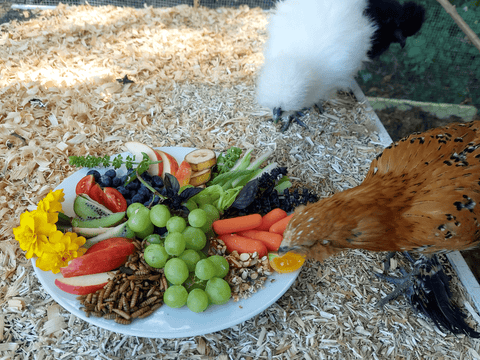
Are you wondering what kitchen scraps you can safely feed your chickens? It’s natural to want to reduce waste and give your flock tasty treats.
But not all scraps are good for your birds, and some can even harm them. Knowing exactly what leftovers are healthy for your chickens can save you money and keep your feathered friends happy and strong. Keep reading to discover the best and safest kitchen scraps your chickens will love.
Your flock will thank you!

Credit: silverhomestead.com
Safe Fruits For Chickens
Choosing the right fruits to feed your chickens can boost their health and keep them happy. Many fruits are packed with vitamins and moisture, making them an excellent treat. However, not all fruits are safe, so it’s important to know which ones you can confidently add to your chickens’ diet.
Berries And Melons
Berries like strawberries, blueberries, and raspberries are a hit with chickens. They’re rich in antioxidants and easy to eat. Melons such as watermelon and cantaloupe provide hydration, especially on hot days.
Remember to cut melons into manageable pieces to avoid choking. You might notice your chickens eagerly pecking at these juicy snacks—why not try offering a mix and see which ones they prefer?
Apples And Pears
Apples and pears are safe treats but always remove the seeds first. The seeds contain substances that can be harmful in large amounts. These fruits offer fiber and vitamins that support digestion and overall health.
Chickens enjoy the crunchy texture. Try slicing them thinly, and you might find your flock coming back for more. Have you ever seen how excited chickens get over a simple apple slice?
Citrus Fruits
Oranges, lemons, and limes can be fed to chickens in small amounts. Citrus fruits are high in vitamin C but are quite acidic, so moderation is key. Too much acidity can upset your chickens’ stomachs.
Peeling the fruit and cutting it into small pieces helps your chickens enjoy the treat safely. Have you noticed how some chickens love the zesty smell of citrus? It might be worth offering a tiny taste to see their reaction.
Vegetables Chickens Enjoy
Vegetables are a fantastic way to add variety and nutrition to your chickens’ diet. Many kitchen scraps that you might toss away are actually tasty treats for your flock. Offering the right veggies not only keeps your chickens happy but also supports their health and egg production.
Leafy Greens
Leafy greens are a top favorite for chickens. They love nibbling on kale, spinach, and lettuce. These greens are rich in vitamins and minerals that boost your chickens’ immune system.
Don’t throw out those leftover salad leaves or cabbage scraps. Your chickens will eagerly peck at them. Just avoid giving too much iceberg lettuce as it has little nutritional value.
Root Vegetables
Root vegetables like carrots, beets, and turnips are also enjoyed by chickens. They often scratch around to find roots in the soil, so these veggies feel natural to them. Chop the roots into small pieces to make eating easier.
I once fed my chickens leftover carrot tops and peeled carrot sticks—they eagerly gobbled them up, showing how much they appreciate this crunchy treat. Try offering these scraps to see how your flock reacts.
Peppers And Squash
Peppers and squash add color and crunch to your chickens’ diet. Bell peppers, especially red and yellow ones, are sweet and appealing to them. Squash varieties like zucchini and pumpkin are also popular choices.
Remove seeds and chop these veggies into manageable pieces. Have you noticed how chickens get excited over bright-colored foods? Adding peppers and squash can brighten their day and their diet.
Grains And Bread Scraps
Chickens enjoy grains like rice, oats, and corn, which provide good energy. Bread scraps can be given in small amounts but avoid moldy pieces. These kitchen leftovers help reduce waste and keep hens happy.
Grains and bread scraps are excellent treats for chickens. They provide a variety of nutrients and are often easily accessible in our kitchens. Not all grains and bread products are suitable, so it's essential to know which ones to offer. Let's dive into some specifics.
Whole Grains
Whole grains are a fantastic addition to a chicken’s diet. They are rich in fiber and essential nutrients. Chickens can enjoy grains like oats, barley, and millet. These grains should be served in moderation. Too much can disrupt their balanced diet. Offering whole grains occasionally can keep your chickens healthy and happy.
Bread And Pasta
Bread and pasta can be delightful treats for chickens. They are soft and easy to peck at. Ensure the bread is not moldy, as mold can harm chickens. Whole grain bread is a better option. It has more nutrients than white bread. Cooked pasta, without any sauce, is also safe. Break it into small pieces to help chickens eat it easily. Always remember to feed these in moderation. They should not replace their primary feed.
Credit: www.thehappychickencoop.com
Protein-rich Kitchen Scraps
Protein is essential for healthy chickens. It helps build strong muscles and supports egg production. Kitchen scraps rich in protein make a great supplement to their diet. These scraps are easy to find and save money. Chickens enjoy a variety of protein-rich foods from the kitchen.
Cooked Eggs And Meat
Cooked eggs are a perfect protein treat for chickens. They digest eggs easily, and eggs provide essential amino acids. Avoid raw eggs to prevent health risks. Small pieces of cooked meat also work well. Remove any seasoning, bones, or fat before feeding. These scraps boost energy and improve feather quality.
Beans And Legumes
Beans and legumes contain good protein for chickens. Always cook them thoroughly to remove toxins. Examples include lentils, chickpeas, and kidney beans. Serve in small amounts to avoid digestive issues. These plant-based proteins add variety and nutrition to their meals.
Avoid These Harmful Foods
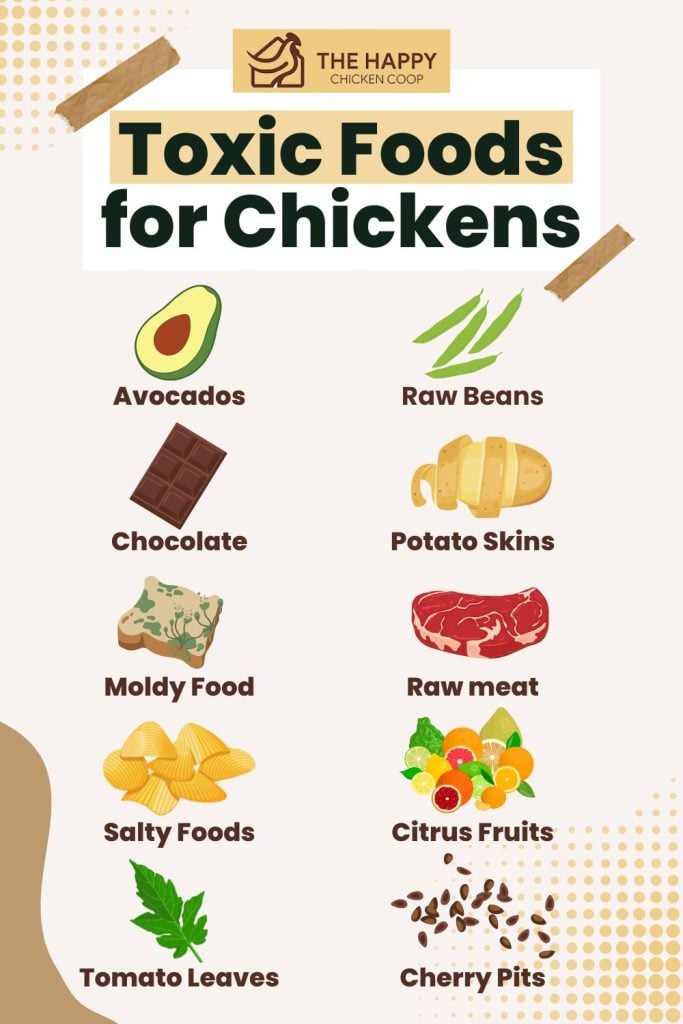
Feeding chickens kitchen scraps can be rewarding, but some foods harm them. Avoid these harmful foods to keep your flock healthy. Certain fruits, vegetables, and processed items can cause illness or even be fatal. Always know what to skip before sharing your scraps.
Toxic Fruits And Vegetables
Some common fruits and vegetables are unsafe for chickens. Avoid:
- Avocado – Contains persin, which is poisonous to birds.
- Green potatoes and potato peels – They have solanine, a toxic chemical.
- Onions and garlic – Can cause anemia in chickens.
- Rhubarb leaves – Contain oxalates that harm chickens’ kidneys.
- Tomato leaves and stems – Toxic parts that can upset digestion.
Processed And Sugary Foods
Processed foods often contain harmful additives and sugar. Avoid giving chickens:
- Chips, cookies, and candy – Too much salt and sugar damage health.
- Bread with mold or preservatives – Causes digestive problems.
- Processed meats – High in salt and chemicals harmful to birds.
- Sugary drinks or leftovers – Can upset their natural diet balance.
Spoiled Or Moldy Scraps
Never feed chickens spoiled or moldy food. It can cause severe illness.
- Moldy bread or fruit – Contains toxins dangerous to chickens.
- Rotten vegetables – Lead to digestive upset and infections.
- Expired dairy products – Chickens cannot digest spoiled milk or cheese.
Credit: bitchinchickens.com
Feeding Tips For Healthy Chickens
Feeding your chickens kitchen scraps can be a great way to reduce waste and provide extra nutrients. However, keeping your flock healthy depends on how you manage these treats. Careful feeding ensures your chickens enjoy their snacks without risking their wellbeing.
Portion Control
Too many scraps can upset your chickens' digestion or lead to obesity. Treats should never replace their main diet. Aim to keep kitchen scraps to about 10% of their daily intake.
Start by offering small amounts and observe how your chickens respond. If they seem hesitant or develop loose droppings, reduce the portions. Think of scraps as a bonus, not a meal.
Introducing New Foods
Chickens can be picky, so introduce new scraps slowly to avoid digestive issues. Try one new food at a time and watch for any signs of discomfort or refusal.
Some foods might look safe but cause problems. For example, avocado and raw potato scraps are harmful. Always research unfamiliar scraps before feeding them to your flock.
Balancing Diet With Commercial Feed
Kitchen scraps can't provide all the nutrients chickens need. Your birds still require a balanced commercial feed to stay strong and productive.
Use scraps as supplements, not substitutes. This balance keeps your chickens healthy and ensures they continue laying quality eggs.
Frequently Asked Questions
What Kitchen Scraps Are Safe For Chickens To Eat?
Chickens can safely eat vegetable peels, fruit scraps, bread, and cooked rice. Avoid onions, garlic, and raw potatoes, which can be harmful.
Can Chickens Eat Citrus Fruit Scraps?
Yes, chickens can eat small amounts of citrus fruits like oranges and lemons. However, avoid feeding large quantities as the acidity may upset their stomach.
Are Cooked Kitchen Scraps Good For Chickens?
Cooked scraps such as rice, pasta, and vegetables are generally safe and nutritious for chickens. Always ensure the food is plain and free from seasoning or oil.
Which Kitchen Scraps Should I Avoid Feeding Chickens?
Avoid feeding chickens spoiled food, chocolate, avocado, onions, and raw beans. These can be toxic or cause digestive problems for chickens.
Conclusion
Feeding chickens kitchen scraps can save money and reduce waste. Chickens enjoy many fruits, vegetables, and grains. Avoid giving them harmful foods like onions or chocolate. Always offer scraps in small amounts to keep chickens healthy. Fresh water and balanced feed remain essential for their diet.
Knowing what scraps are safe helps chickens stay happy and strong. Start sharing your kitchen leftovers carefully and watch your flock thrive. Simple care makes a big difference in chicken health and happiness.