

Is your kitchen sponge giving off a stubborn, unpleasant smell? You’re not alone.
That funky odor can quickly turn a simple chore into an uncomfortable task. But don’t toss your sponge just yet. There are easy and effective ways to get rid of that smell, making your kitchen cleaner and fresher. Keep reading, and you’ll discover simple tricks to keep your sponge smelling fresh and your kitchen inviting.
Your nose will thank you!
Credit: amazonascrub.com
Causes Of Sponge Odor
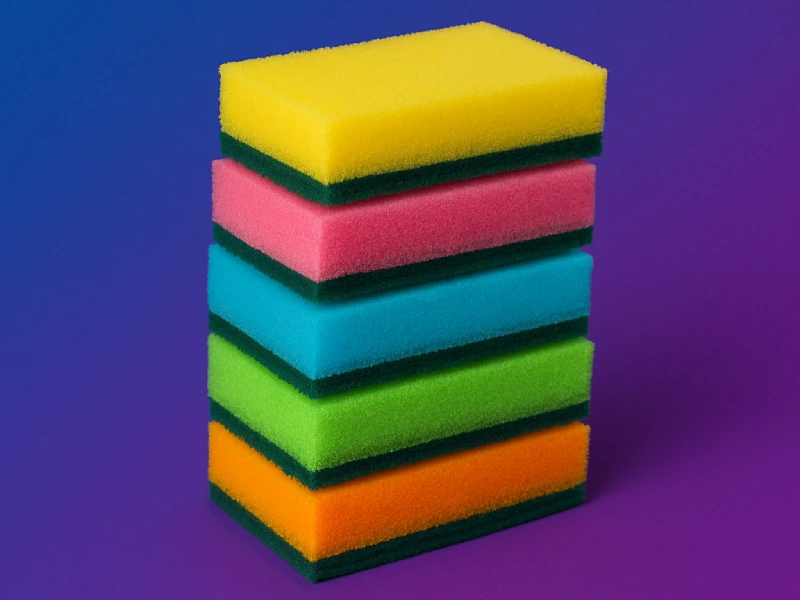
Have you ever noticed a foul smell lingering from your kitchen sponge? Understanding what causes this odor can help you keep your sponge fresh and your kitchen hygienic. The main culprits behind sponge odor are bacteria and mold growth, leftover food particles, and moisture that stays trapped inside the sponge.
Bacteria And Mold Growth
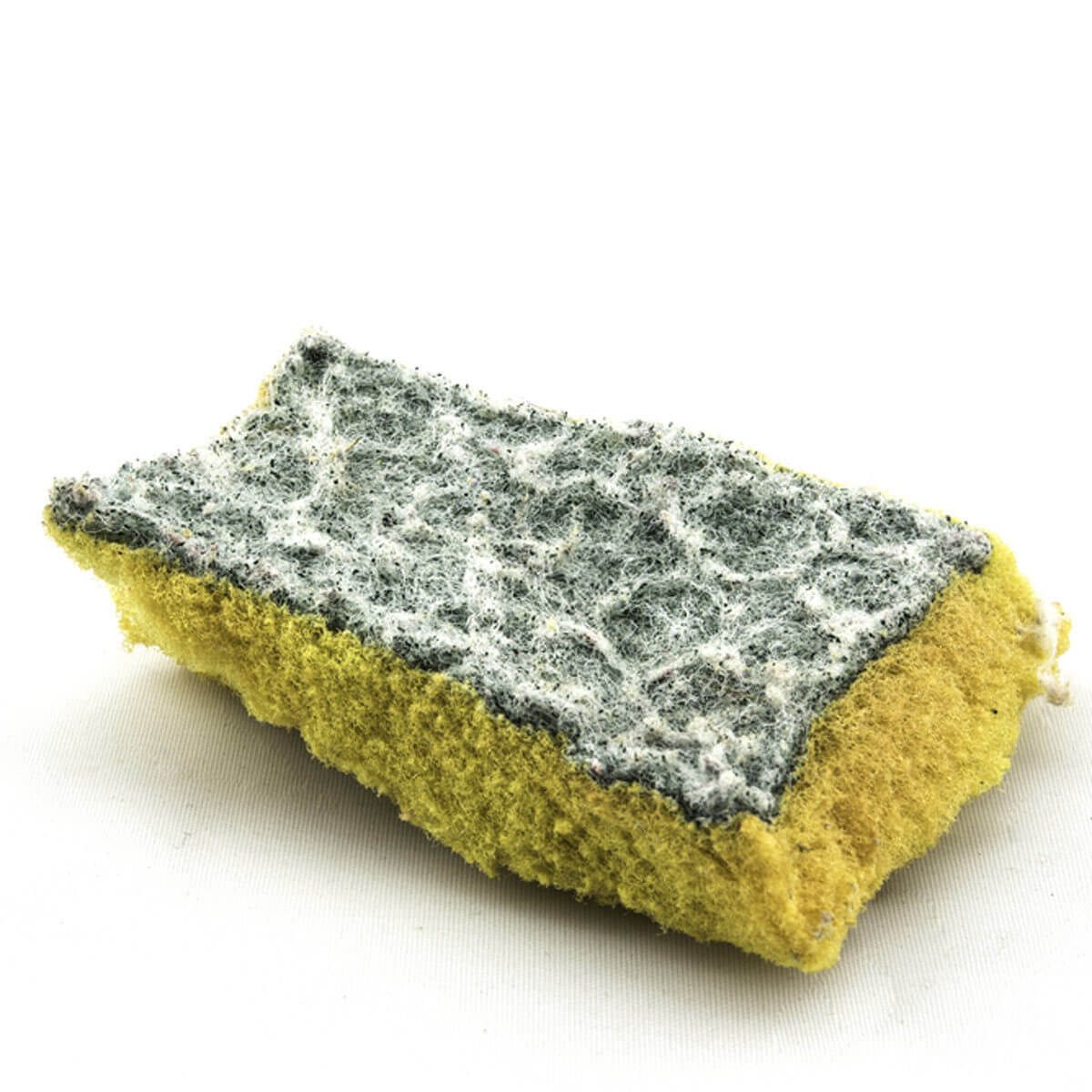
Your kitchen sponge is a perfect breeding ground for bacteria and mold. Every time you use it to clean dishes or surfaces, tiny food particles and moisture remain inside the sponge. This environment allows bacteria and mold to multiply quickly, producing unpleasant smells.
Think about how often you leave your sponge damp and sitting on the counter. That moisture creates the ideal conditions for microbes to thrive, turning your sponge into a source of bad odor and potential germs.
Food Residue Build-up
Even after rinsing, small bits of food can stick deep inside the sponge’s pores. These leftovers start to break down and rot over time. This decay releases strong smells that you’ll notice every time you use the sponge.
Have you ever found your sponge smelling worse after scrubbing a particularly messy dish? That’s because food residues provide fuel for bacteria and mold growth, increasing the odor problem.
Moisture Retention
Sponges hold onto water like no other cleaning tool. This moisture doesn’t evaporate quickly, especially if you store your sponge in a closed or damp area. The constant wetness keeps bacteria alive and actively growing.
Try squeezing your sponge after each use and placing it in a well-ventilated spot. Reducing moisture can stop the smell from developing in the first place. Have you considered how simple drying could extend your sponge’s freshness?
Daily Sponge Care
Daily sponge care is key to keeping your kitchen sponge fresh and odor-free. Simple habits can stop smells before they start. Clean sponges last longer and keep your kitchen hygienic. Follow these easy tips to maintain your sponge every day.
Rinsing And Squeezing
Rinse your sponge with hot water after each use. This removes food particles and soap residue. Squeeze out as much water as possible. A wet sponge invites bacteria and bad smells. Repeat rinsing and squeezing until the water runs clear.
Proper Drying Techniques
Dry your sponge quickly to prevent bacteria growth. Place it in a well-ventilated area. Avoid leaving it in a damp sink or closed container. Sunlight helps kill germs and speeds drying. Rotate the sponge to dry all sides evenly.
Storage Tips
Store your sponge where air can flow freely. Use a sponge holder with drainage holes. Keep it off countertops and sinks. Avoid storing the sponge near garbage or dirty dishes. Replace sponges regularly to keep your kitchen clean.
Quick Deodorizing Methods
Kitchen sponges can get smelly quickly. They soak up odors from food and bacteria. Luckily, you can deodorize them fast. Several methods are easy and effective. Let's explore some quick solutions.
Microwave Treatment
Place a damp sponge in the microwave. Heat it on high for one minute. The heat kills bacteria and eliminates odors. Ensure the sponge is not dry to avoid fire risks. Allow it to cool before use.
Boiling Water Soak
Boil water in a pot. Submerge the sponge completely. Let it soak for five minutes. The hot water kills germs and freshens the sponge. Remove it carefully, as it will be hot.
Vinegar And Baking Soda
Mix equal parts of vinegar and water. Add a tablespoon of baking soda. Soak the sponge in this solution for 15 minutes. Vinegar and baking soda neutralize odors effectively. Rinse the sponge thoroughly after soaking.

Credit: www.yahoo.com
Deep Cleaning Options
Kitchen sponges trap food particles and moisture, causing bad smells. Deep cleaning helps remove bacteria and odors effectively. Try these simple and strong cleaning options to freshen your sponge and keep your kitchen safe.
Dishwasher Cleaning
Place the sponge on the top rack of your dishwasher. Run a full cycle with hot water and detergent. The heat and soap kill most bacteria and remove smells. Let the sponge dry completely before use.
Bleach Soak
Mix one tablespoon of bleach in one quart of water. Soak the sponge in this solution for five minutes. Rinse thoroughly with clean water afterward. Bleach kills germs and neutralizes odors fast. Use this method only occasionally to avoid sponge damage.
Hydrogen Peroxide Use
Pour hydrogen peroxide over the sponge or soak it for a few minutes. This solution breaks down bacteria and removes smells. Rinse well with water before using the sponge again. Hydrogen peroxide is a safe and effective cleaner for sponges.
Preventing Future Odors
Stopping bad smells in kitchen sponges begins with smart habits. Sponges trap food, moisture, and bacteria. These build up and cause odor. Keeping sponges clean and dry helps a lot. Changing how you store and use sponges also matters. Let’s explore ways to prevent future odors.
Regular Replacement Schedule
Sponges wear out quickly. They lose cleaning power and hold germs. Changing sponges often keeps your kitchen fresh. Replace sponges every one to two weeks. If you see stains or smell bad odors, swap them sooner. Mark a calendar or set a phone reminder. This simple habit stops smells before they start.
Alternative Sponge Materials
Some sponge types resist odors better. Natural sponges, cellulose, or silicone last longer. These materials dry faster and do not trap bacteria easily. Silicone sponges are easy to clean and dry quickly. Cellulose sponges break down naturally and stay fresher. Try different sponges to find what works best for you.
Using Sponge Holders
Where you keep your sponge matters. Leaving it wet on the sink lets bacteria grow. Use a sponge holder with holes or slits. This helps air flow and speeds drying. Place holders away from the sink basin and away from food prep areas. A dry sponge means fewer smells and less bacteria.
Credit: www.techzinia.co.in
Frequently Asked Questions
How Often Should I Clean Kitchen Sponges?
Clean kitchen sponges at least once a week to prevent bacteria buildup. Regular cleaning keeps them fresh and safe to use. You can sanitize sponges using microwave, dishwasher, or bleach methods effectively.
What Is The Best Method To Deodorize Sponges?
Microwaving damp sponges for 1-2 minutes kills odor-causing bacteria. Alternatively, soaking sponges in vinegar or lemon juice neutralizes bad smells naturally. These methods are quick, effective, and easy to do at home.
Can I Use Bleach To Remove Sponge Odors?
Yes, dilute bleach solution can disinfect and deodorize kitchen sponges. Soak the sponge for 5 minutes, then rinse thoroughly. Always handle bleach carefully and avoid mixing it with other cleaners.
How Can I Prevent Kitchen Sponges From Smelling?
Rinse sponges well after use and squeeze out excess water. Store them in a dry, well-ventilated spot to inhibit bacterial growth. Replace sponges every 1-2 weeks to maintain freshness and hygiene.
Conclusion
Kitchen sponges can trap smells fast. Cleaning them often keeps your kitchen fresh. Use simple methods like soaking in vinegar or microwaving. These steps kill germs and stop bad odors. Replace sponges regularly to avoid strong smells. Clean sponges help maintain a healthy kitchen space.
Keep your sponge dry between uses to slow smell growth. Fresh-smelling sponges make dishwashing easier and more pleasant. Small habits make a big difference in kitchen hygiene. Try these tips and enjoy a cleaner, fresher kitchen every day.