

Have you ever stopped to think about how many refrigerators are actually in your kitchen? It might seem like a simple question, but the answer can reveal a lot about your lifestyle, space, and even your eating habits.
Whether you have one large fridge or a couple of smaller ones, understanding the role each plays can help you make smarter choices. You’ll discover why the number of refrigerators matters and how it impacts your daily routine. Ready to find out what your kitchen says about you?
Keep reading to learn more.
Typical Refrigerator Counts
Most kitchens usually have one refrigerator. This setup fits small families or individuals well. It saves space and keeps things simple. But some homes have more than one fridge. This depends on lifestyle, space, and food needs.
Single Refrigerator Setup
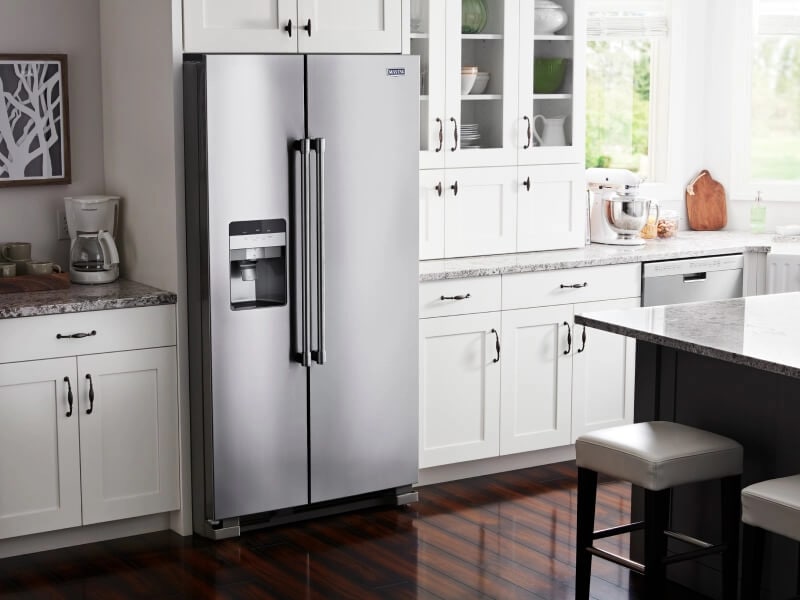
One refrigerator is the most common choice. It holds enough food for daily use. This setup fits kitchens with limited space. It also reduces electricity costs. Many people prefer one fridge to keep things organized.
Multiple Refrigerators Trend
More homes now use two or more refrigerators. Extra fridges store bulk food or drinks. They help with meal prep for large families. Sometimes, a small fridge stays in the garage or basement. This trend grows in bigger homes or shared living spaces.
Factors Influencing Quantity
- Family size: Larger families need more storage space.
- Cooking habits: Frequent cooks may need extra space.
- Kitchen size: Bigger kitchens can fit more appliances.
- Budget: Buying and running multiple fridges costs more.
- Storage needs: Some buy extra fridges for drinks or frozen goods.
Credit: www.maytag.com
Reasons For Extra Refrigerators
Extra refrigerators in a kitchen might seem like a luxury, but they often serve very practical purposes. Many households find that one fridge just doesn't cut it when it comes to meeting their daily needs. Understanding why people add more refrigerators can help you decide if your kitchen could benefit from an extra cooling unit.
Storage Needs
Your regular fridge might run out of space quickly if you buy groceries in bulk or cook large meals. Extra refrigerators provide additional storage for perishables, leftovers, and beverages. This is especially useful during holidays or parties when you need to keep a variety of items fresh at once.
Think about how often you’ve had to toss food because it didn’t fit in your fridge. An extra unit can save money by reducing food waste.
Specialized Refrigeration
Not all foods and drinks require the same temperature or humidity levels. Having a dedicated fridge for wine, dairy, or fresh produce lets you store these items under ideal conditions. This can improve flavor and extend shelf life.
For example, wine lovers often keep a separate wine fridge to maintain the perfect temperature. If you enjoy fresh herbs or homemade yogurt, a specialized fridge can keep them fresh longer without mixing smells.
Backup And Convenience
Power outages or appliance failures can spoil all your stored food. An extra refrigerator acts as a backup to protect your groceries during emergencies. It also adds convenience by allowing you to organize your kitchen better.
Imagine having a fridge near the dining area for drinks and snacks, so you don’t have to walk to the main fridge repeatedly. This small change can make daily routines smoother and save time.
Impact On Kitchen Space
Refrigerators play a vital role in the kitchen. Their number and size can significantly impact kitchen space. A well-planned kitchen layout ensures functionality and aesthetics, especially when multiple refrigerators are present. Understanding how refrigerators affect kitchen space helps in making informed design choices.
Design Challenges
Adding more refrigerators can complicate kitchen design. They take up significant floor and counter space. This can disrupt workflow and limit movement. Finding the perfect spot for each fridge without cluttering the space is crucial. Another challenge is maintaining aesthetic harmony. Different refrigerator designs and sizes might not match. This can affect the overall look and feel of the kitchen. Also, refrigerators can block light or views, making the kitchen feel smaller.
Space Optimization Tips
Optimizing space with multiple refrigerators requires strategic planning. Here are some tips:
- Use built-in models to save floor space.
- Consider under-counter refrigerators for smaller items.
- Arrange them in a triangle layout for easy access.
- Use the vertical space efficiently with tall models.
- Choose models with slimmer designs for tight spaces.
- Ensure the doors can open fully without obstruction.
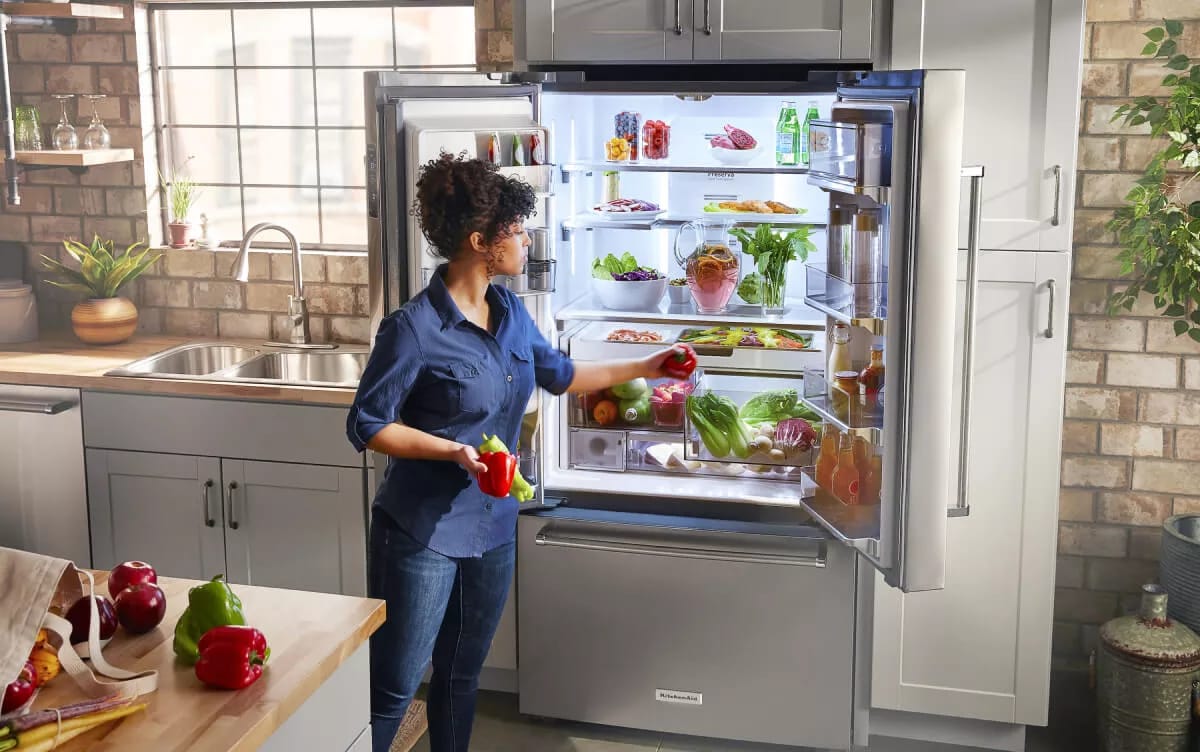
These tips help maintain a functional and spacious kitchen. Balancing design with practicality is key. With careful planning, even a kitchen with multiple refrigerators can feel open and inviting.
Credit: www.kitchenaid.com
Energy Consumption Insights
Understanding energy consumption in kitchens with one or more refrigerators can help you manage your utility bills better. Refrigerators are among the top electricity users in a household, so knowing how the number of units affects energy use is crucial. Let’s look at some key insights that can help you make smarter choices.
Comparing Single Vs Multiple Units
Having multiple refrigerators might seem convenient, but it often leads to higher energy consumption. A single, larger unit typically uses less power than two smaller units combined. This is because each refrigerator has its own compressor and cooling system, which consume energy even when not fully loaded.
Think about your kitchen setup. Is the extra fridge really necessary, or could you optimize space in one? Sometimes, combining contents into one efficient fridge can cut down energy use significantly. On the other hand, if you run multiple units for different purposes—like one for drinks and another for food—you might be paying more than you realize.
Energy Saving Strategies
There are practical steps you can take to reduce energy consumption, no matter how many refrigerators you have. Start by checking the energy ratings of your appliances and consider upgrading to Energy Star certified models. These use advanced technology to lower electricity use without sacrificing performance.
Other tips include:
- Keep your refrigerators away from heat sources like ovens or direct sunlight.
- Regularly clean the coils at the back or bottom to improve efficiency.
- Ensure the door seals are tight to prevent cold air leaks.
- Adjust the temperature to the recommended settings—usually between 37°F and 40°F for the fridge and 0°F for the freezer.
Have you checked how full your fridge is? Surprisingly, a well-stocked fridge uses energy more efficiently than an almost empty one because the stored items help maintain the cold temperature.
Cultural And Regional Variations
The number of refrigerators in a kitchen can vary widely depending on cultural and regional habits. These differences reflect how people store food, their cooking styles, and even family structures. Understanding these variations helps you appreciate why kitchens look so different around the world and might inspire changes in your own home.
Global Refrigerator Habits
In many Western countries, a single large refrigerator is usually enough for a household. It stores everything from fresh produce to leftovers and drinks. However, in some Asian countries, it's common to find multiple smaller refrigerators dedicated to specific food types like vegetables, meat, or drinks.
In places like Japan, space is limited, so compact refrigerators are popular, sometimes even under the kitchen counter. On the other hand, in large American homes, you might see separate units for the kitchen, garage, or even outdoor use. Have you ever thought about how much your kitchen space influences your fridge choices?
Influence Of Lifestyle And Cuisine
Your daily lifestyle and the type of cuisine you cook greatly affect how many refrigerators you need. If you prepare meals that require many fresh ingredients, like Mediterranean or Indian cuisine, having more storage options helps keep ingredients fresh longer.
Busy families that cook in bulk often use an extra fridge or freezer for meal prep. People who entertain frequently might add a second fridge just for drinks and snacks. What kind of cooking habits do you have, and could adding another fridge improve your kitchen workflow?
Future Trends In Kitchen Refrigeration
The kitchen is evolving fast, and so is the way we store and preserve food. Refrigerators are no longer just cold boxes; they are becoming smarter, smaller, and more versatile. Understanding future trends in kitchen refrigeration can help you decide how many refrigerators you really need and what features will make your daily life easier.
Smart Refrigerators
Smart refrigerators connect to your home network and offer features like touchscreen controls, inventory tracking, and even recipe suggestions based on what's inside. Imagine your fridge alerting you when milk is running low or suggesting meals with the ingredients you already have. These innovations save time, reduce food waste, and add convenience.
Have you ever wished your fridge could tell you if you left the door open? Smart fridges do that too, plus they can sync with your smartphone. This means you can check your fridge’s contents while grocery shopping, preventing unnecessary purchases.
Compact And Multi-functional Designs
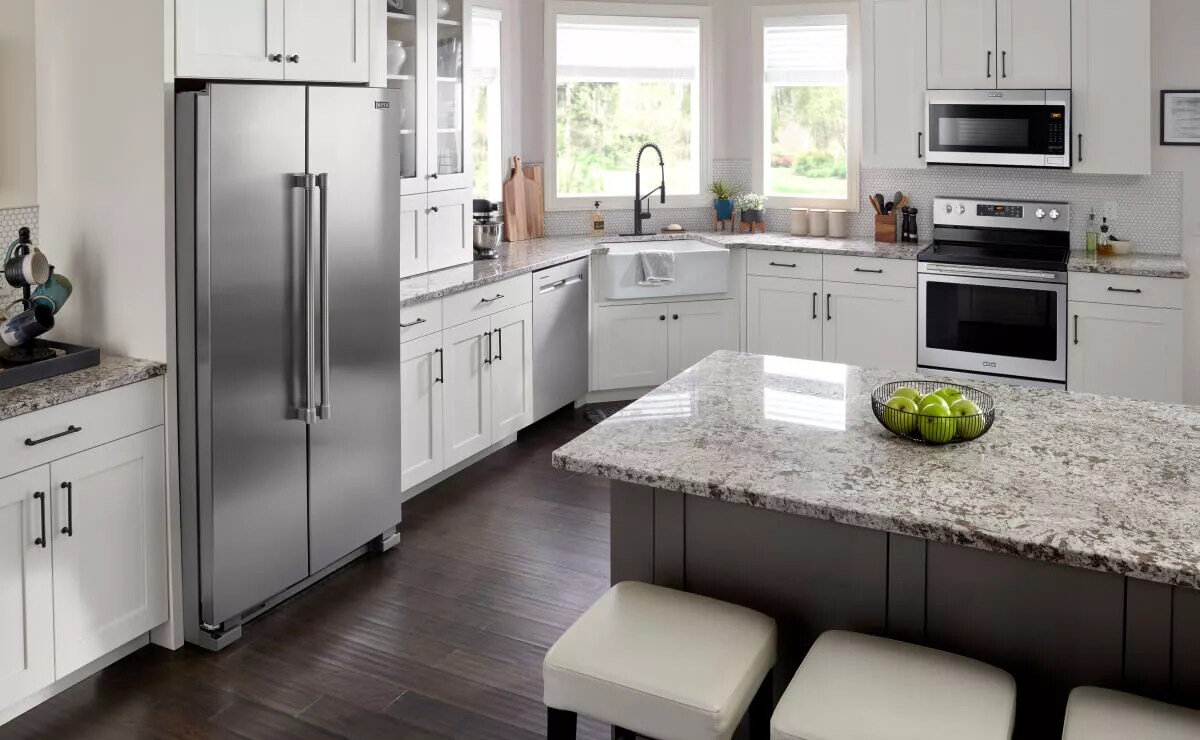
Space is precious in any kitchen, especially if you’re thinking about adding multiple refrigerators. Compact models are getting better at fitting in small spaces without sacrificing storage capacity. Some even combine refrigeration with freezing and other functions like wine cooling or vegetable crisping drawers.
Multi-functional fridges allow you to customize compartments for different types of food, making it easier to organize your kitchen. If you live in a small apartment or enjoy entertaining guests, having a compact fridge dedicated to drinks or snacks can be a game changer.
Would a small, specialized fridge free up space and reduce clutter in your kitchen? This trend is worth considering if you’re thinking about how many refrigerators to include in your cooking space.
Credit: www.maytag.com
Frequently Asked Questions
How Many Refrigerators Are Typically In A Kitchen?
Most kitchens usually have one refrigerator. This is standard for space and energy efficiency. Larger homes may have two, including a secondary fridge or freezer for extra storage.
Can Kitchens Have Multiple Refrigerators For Convenience?
Yes, some kitchens have two or more refrigerators. This helps separate beverages, fresh food, or bulk storage. It's common in large families or homes that entertain frequently.
Does Having Two Refrigerators Save Energy?
Using two refrigerators can increase energy use. However, organizing food better may reduce waste. Energy-efficient models and proper use help minimize electricity costs.
What Kitchen Layouts Support Multiple Refrigerators?
Large or open-concept kitchens support multiple refrigerators well. They fit along walls or in pantry areas. Proper spacing maintains workflow and accessibility.
Conclusion
Choosing the right number of refrigerators depends on your kitchen size and needs. Some kitchens fit one fridge well, while others may need two. Think about storage space, family size, and how often you shop. A good fridge count keeps food fresh and your kitchen organized.
Keep it simple and practical for daily use. This way, your kitchen stays neat and works smoothly every day.