
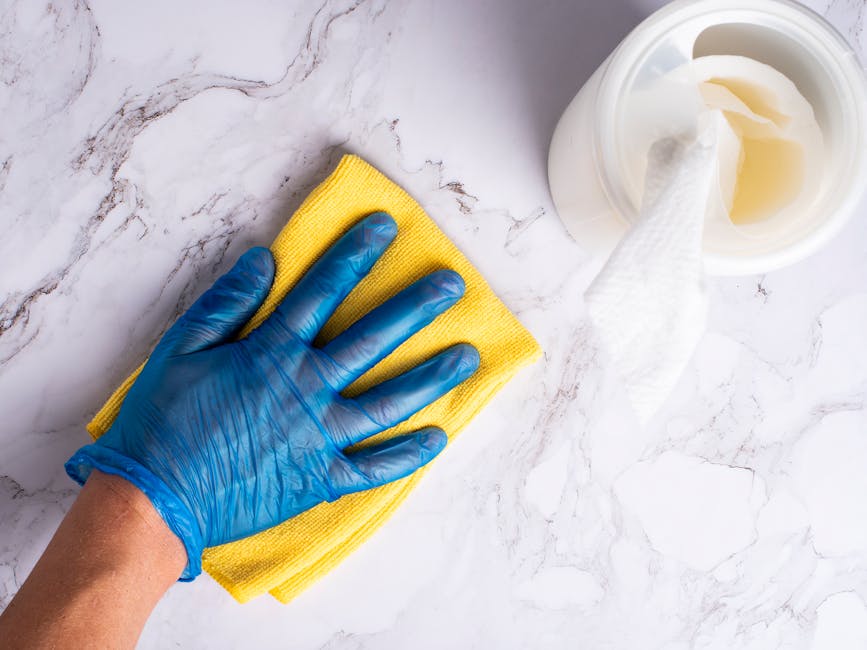
Your kitchen cloths work hard every day, wiping spills, cleaning surfaces, and handling food messes. But when was the last time you truly cleaned them?
If your cloths aren’t properly washed, they can harbor bacteria and odors that affect your kitchen’s hygiene. You might think tossing them in the laundry is enough, but there’s a smarter way to make sure they’re fresh, safe, and ready to use.
Keep reading, and you’ll discover simple, effective tips to clean your kitchen cloths like a pro—keeping your kitchen cleaner and healthier for you and your family.
Choosing The Right Cloths
Choosing the right kitchen cloths is key for keeping your kitchen clean and safe. The right cloth makes cleaning easier and helps stop germs from spreading. Not all cloths are made equal. Some work better for certain tasks than others. Picking the best cloth depends on the type, material, and how often you replace them.
Types Of Kitchen Cloths
Kitchen cloths come in many types. Each type has a special use.
- Dish Cloths:Soft and absorbent for washing dishes.
- Tea Towels:Thin and quick-drying for drying hands or dishes.
- Microfiber Cloths:Great for wiping surfaces without leaving streaks.
- Scrub Cloths:Rough texture to remove stuck-on food.
Choose a cloth type that fits your cleaning needs.
Material Matters
Material affects how well a cloth cleans and lasts.
- Cotton:Highly absorbent and soft. Good for drying and light cleaning.
- Microfiber:Picks up dirt and bacteria easily. Dries fast.
- Linen:Strong and durable. Dries quickly but less absorbent.
- Blends:Combine materials for better strength and absorbency.
Pick materials that suit your kitchen tasks and washing habits.
When To Replace Cloths
Old cloths can hold bacteria and cause bad smells. Replace cloths regularly to keep your kitchen safe.
- Replace when cloths become stained or smelly.
- Change if the fabric weakens or tears.
- Swap cloths often if used for cleaning raw meat spills.
- Keep extra cloths handy to change daily or after heavy use.
Fresh cloths clean better and protect your health.

Credit: www.thegreencompany.online
Pre-treatment Techniques
Pre-treatment of kitchen cloths makes cleaning easier and more effective. It helps remove stains and dirt before washing. Proper pre-treatment saves time and keeps cloths fresh longer.
Soaking Methods
Soaking kitchen cloths loosens dirt and stains deeply. Use warm water for better results. Add a small amount of detergent or baking soda to the water. Let cloths soak for 30 minutes to an hour. This softens stains and prepares cloths for washing.
Using Natural Stain Removers
Natural stain removers work well on kitchen cloths. Lemon juice and white vinegar are common choices. Apply lemon juice directly to stains for lightening. Spray or soak cloths in diluted vinegar to kill bacteria. These natural options are safe and eco-friendly.
Dealing With Tough Stains
Tough stains need extra care before washing. Make a paste using baking soda and water. Rub the paste gently on the stain. Let it sit for 15 minutes before rinsing. For grease stains, sprinkle cornstarch to absorb oil. Brush off cornstarch before washing the cloth.
Washing Methods
Cleaning your kitchen cloths properly keeps them fresh and extends their life. Choosing the right washing method depends on your schedule, fabric type, and how dirty the cloths are. Let’s look at effective ways to wash them so you can maintain a hygienic kitchen environment.
Machine Washing Tips
Start by sorting your kitchen cloths by color to prevent bleeding. Use hot water to kill germs and remove tough stains—most cotton cloths can handle this temperature. Avoid overloading the machine; this allows the cloths to move freely and get thoroughly cleaned.
Adding a cup of white vinegar during the rinse cycle can help remove odors and soften the fabric naturally. If you notice persistent stains, pre-soak the cloths in a mixture of baking soda and water for 30 minutes before washing. Do you keep separate cloths for different kitchen tasks? Washing them separately can reduce cross-contamination.
Hand Washing Steps
Hand washing is gentle and effective, especially for delicate kitchen cloths. Begin by soaking the cloths in warm water mixed with a small amount of detergent for at least 20 minutes. Rub the fabric gently against itself to release dirt and stains.
Rinse thoroughly under clean water until no soap remains. If stubborn stains persist, apply a paste of baking soda and water directly to the spots and scrub lightly. Hand washing gives you control over how much pressure you apply, which can save your cloths from wear and tear.
Recommended Detergents
Choosing the right detergent affects how clean and fresh your kitchen cloths will be. Opt for detergents that are free from harsh chemicals and fragrances to avoid skin irritation and residue buildup. Look for those labeled as antibacterial or designed for kitchen use.
Consider eco-friendly detergents—they often contain natural enzymes that break down food stains effectively. Sometimes, using too much detergent can leave a film on cloths, making them less absorbent. Have you checked if your detergent leaves your cloths feeling stiff or sticky? If yes, try using less next time.

Credit: figgyandco.co.nz
Drying And Storage
Drying and storing kitchen cloths properly is key to keeping them fresh and bacteria-free. If you skip these steps or rush through them, you risk ending up with smelly, damp cloths that can harbor germs. Let’s look at how to dry and store your kitchen cloths the right way to keep your kitchen safe and clean.
Best Drying Practices
After washing, shake out your kitchen cloths to loosen any wrinkles and speed up drying. Hang them in a well-ventilated area where air can circulate freely. Avoid folding or bunching them up while damp, as this traps moisture and slows drying.
Sunlight is a natural sanitizer, so if you can dry your cloths outside, do it. The UV rays help kill bacteria and reduce odors. If you’re using a dryer, choose a high heat setting to ensure thorough drying.
Preventing Mildew
Have you ever noticed a musty smell lingering on your cloths even after washing? That’s often mildew growing from trapped moisture. To prevent this, make sure your cloths are completely dry before putting them away.
Don't leave wet cloths sitting in the laundry basket or piled on the counter. If you find mildew spots, soak the cloths in a vinegar-water solution before rewashing to remove the odor and mold.
Proper Storage Solutions
Store your dry kitchen cloths in a clean, dry place with good airflow. Avoid sealed plastic bags or containers that trap moisture. Instead, consider open baskets or fabric bins that allow air to move freely.
Label your storage spots to encourage regular rotation of cloths, so you don’t use the same ones repeatedly without washing. Do you have a dedicated spot for your kitchen cloths? If not, setting one up can help maintain better hygiene.
Maintaining Cleanliness Between Washes
Kitchen cloths stay fresher by rinsing them well after use. Air drying helps stop bacteria growth and odors. Regularly soaking cloths in warm water with a little vinegar keeps them cleaner between washes.
Maintaining kitchen cloths clean between washes can seem like a daunting task, but it doesn't have to be. A few simple habits can make a big difference in keeping them fresh and hygienic. Let's dive into some practical tips that can help you maintain cleanliness with ease.
Daily Rinsing Habits
Rinsing your kitchen cloths at the end of each day is a simple yet effective habit. Use hot water to remove any lingering food particles or grease. This quick action not only helps in keeping odors at bay but also extends the life of your cloths. Consider hanging them to dry after rinsing. A damp cloth is a breeding ground for bacteria. Allowing them to dry thoroughly reduces the chances of microbial growth.
Disinfecting Tips
Disinfecting your kitchen cloths at least once a week can significantly boost their cleanliness. A straightforward method is to soak them in a mixture of water and vinegar for about 10 minutes. This natural disinfectant can effectively kill germs without the harshness of chemicals. Microwaving damp cloths for a minute is another handy tip. The heat can zap away bacteria, making this a quick solution for maintaining hygiene. Just ensure the cloths don't have any metal parts before microwaving.
Avoiding Cross Contamination
Cross contamination is a real concern in any kitchen. Assign specific cloths for different tasks, such as one for drying dishes and another for wiping counters. This simple segregation helps in minimizing the spread of bacteria. Regularly changing cloths when they get too dirty is crucial. Don't wait for them to start smelling. If they look grimy, it's time for a wash. By keeping a set schedule, you ensure you're not inadvertently spreading germs around your kitchen. Have you ever thought about how often you should replace your kitchen cloths entirely? Regular maintenance extends their life, but they aren't meant to last forever. Keep an eye on wear and tear, and replace them when they become too thin or threadbare.
Eco-friendly Cleaning Alternatives
Eco-friendly cleaning alternatives help keep kitchen cloths fresh without harming the environment. Choosing natural and sustainable options reduces pollution and protects your health. These methods use fewer chemicals and save energy. Here are some simple ways to clean kitchen cloths in an eco-friendly way.
Natural Cleaning Ingredients
Natural ingredients like baking soda, vinegar, and lemon juice work well to clean cloths. Baking soda removes odors and loosens dirt. White vinegar kills bacteria and breaks down stains. Lemon juice adds a fresh scent and lightens stains. These items are safe, cheap, and easy to find.
- Soak cloths in warm water with baking soda for 30 minutes.
- Add half a cup of vinegar to the rinse cycle.
- Use lemon juice on tough stains before washing.
Reducing Chemical Use
Cutting down on harsh detergents helps protect skin and water systems. Many commercial cleaners contain chemicals that harm aquatic life. Using less detergent or switching to eco-friendly brands makes a big difference. Avoid bleach and synthetic fragrances to keep your kitchen cloths safe and clean.
- Use a small amount of mild, plant-based detergent.
- Choose fragrance-free or naturally scented products.
- Rinse cloths thoroughly to remove all soap residues.
Sustainable Laundry Practices
Saving water and energy benefits the planet and lowers bills. Washing cloths in cold water saves electricity. Air drying reduces carbon footprint compared to machines. Washing full loads maximizes water use and energy efficiency. Regularly cleaning washing machines keeps them running well and saves resources.
- Wash kitchen cloths together in cold or warm water.
- Hang cloths outside to dry in sunlight if possible.
- Run full laundry loads to save water and energy.
- Clean your washing machine monthly to improve efficiency.

Credit: www.thegreencompany.online
Frequently Asked Questions
How Often Should I Wash Kitchen Cloths?
Wash kitchen cloths after every use or at least daily. Frequent washing prevents bacteria buildup and keeps cloths hygienic and odor-free.
What Is The Best Method To Clean Kitchen Cloths?
Use hot water with detergent and bleach for white cloths. For colored cloths, use warm water and a mild detergent to maintain color.
Can I Use Vinegar To Clean Kitchen Cloths?
Yes, vinegar acts as a natural disinfectant. Add half a cup of white vinegar to the rinse cycle to remove odors and soften cloths.
How Do I Remove Tough Stains From Kitchen Cloths?
Pre-soak stained cloths in a mixture of baking soda and water. Scrub gently, then wash normally with detergent and hot water for best results.
Conclusion
Cleaning kitchen cloths keeps your kitchen fresh and safe. Regular washing stops germs and smells. Use hot water and good detergent for best results. Avoid using fabric softeners that reduce cloth absorbency. Dry cloths fully to prevent mildew growth. Clean cloths last longer and work better.
Small effort, big difference in kitchen hygiene. Keep your cloths clean, and enjoy a healthier cooking space. Simple steps protect your family every day.