

Are your kitchen cabinets looking dull or sticky despite regular cleaning? You might be wondering if there’s a better way to bring back their shine and freshness.
That’s where TSP, or trisodium phosphate, comes into play. But is TSP really good for cleaning your kitchen cabinets? You’ll discover how TSP works, why it might be the secret weapon your cabinets need, and important tips to use it safely.
Keep reading to find out if TSP is the right choice to transform your kitchen cabinets and make them look like new again.
What Is Tsp?
Trisodium phosphate, or TSP, is a strong cleaner often used for tough jobs. It can remove grease, grime, and dirt from many surfaces. Many people choose TSP to clean kitchen cabinets before painting or refinishing them.
TSP is a white, powdery substance that dissolves easily in water. It works by breaking down oils and residues that regular soap cannot remove. This makes it very effective for deep cleaning tasks.
What Does Tsp Do?
TSP cleans by loosening and lifting away stubborn dirt. It removes grease stains, sticky residues, and smoke damage. It also helps to prepare surfaces for painting by creating a clean base.
Is Tsp Safe To Use?
TSP is strong, so it requires careful use. Wear gloves and avoid contact with skin. Rinse surfaces well after cleaning to remove any leftover residue. Keep TSP out of reach of children and pets.
Where Can You Use Tsp?
- Wooden kitchen cabinets
- Painted walls
- Concrete floors
- Metal surfaces
- Grimy appliances
How To Use Tsp For Cleaning
Dissolve TSP in warm water according to package instructions. Use a sponge or cloth to apply the solution. Scrub gently to remove dirt and grease. Rinse thoroughly with clean water and dry the surface.

Credit: www.amazon.ca
Benefits Of Using Tsp On Cabinets
Using TSP (trisodium phosphate) on your kitchen cabinets offers several practical benefits that can make a noticeable difference in your cleaning results. It’s more than just a cleaner—it prepares your cabinets for painting or refinishing by removing stubborn grime and grease effectively. If you’ve struggled to get your cabinets truly clean, TSP might be the solution you didn’t consider.
Effective Removal Of Grease And Grime
Kitchens are hotspots for grease buildup, especially on cabinets near cooking areas. TSP cuts through tough grease much better than regular soap or all-purpose cleaners. This means less scrubbing for you and a deeper clean that restores the cabinet’s surface.
Prepares Cabinets For Painting Or Refinishing
Before you repaint or refinish your cabinets, you need a clean, residue-free surface to ensure the new finish sticks well. TSP removes old dirt, oils, and residues that could cause paint to peel or finish to bubble. This preparation step helps your cabinets look fresh and last longer after your makeover.
Kills Mold And Mildew
Have you noticed dark spots or a musty smell around your cabinets? TSP has antimicrobial properties that help eliminate mold and mildew. This is especially useful if your kitchen has poor ventilation or if moisture tends to build up in cabinet corners.
Affordable And Easy To Use
TSP is cost-effective and widely available, making it a practical choice for deep cleaning projects. You only need to mix it with water, apply, and rinse off, which is straightforward and doesn’t require special equipment. This simplicity can save you time and effort compared to other cleaning methods.
Safe When Used Properly
While TSP is powerful, it’s safe to use on cabinets if you follow the instructions. Wearing gloves and rinsing thoroughly keeps your cabinets protected from damage. Have you checked if your cabinets have any special finishes that might react to strong cleaners? It’s always good to test a small area first.
How Tsp Works On Kitchen Surfaces
Trisodium phosphate (TSP) is a powerful cleaning agent. It effectively removes grease and grime from kitchen cabinets. This makes TSP a popular choice for deep cleaning tasks. Understanding how TSP works on kitchen surfaces can be very helpful.
How Tsp Breaks Down Grease
TSP cuts through grease with ease. It reacts with grease, breaking it down. This process makes cleaning effortless and quick. Grease stains on cabinets vanish, leaving surfaces clean.
Powerful Stain Removal
TSP is excellent for removing tough stains. It tackles food spills and sticky residues. Its strong formula lifts stains from surfaces. Your cabinets regain their original shine.
Preparing The Tsp Solution
Mix TSP with warm water to prepare the solution. Follow package instructions for the right ratio. A well-prepared solution ensures effective cleaning. Use gloves to protect your skin while mixing.
Applying Tsp To Kitchen Cabinets
Use a sponge or cloth to apply the solution. Gently scrub the cabinet surfaces. Focus on areas with heavy grease or stains. Rinse with clean water after scrubbing.
Safety Precautions
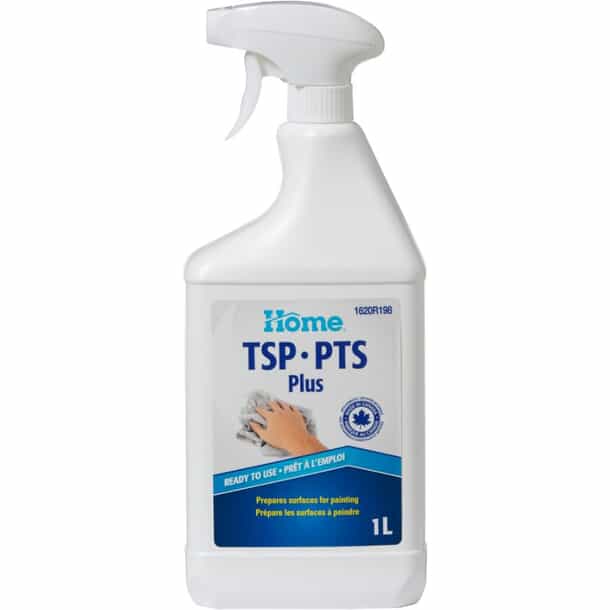
TSP is strong, so handle with care. Wear gloves to protect your hands. Ensure good ventilation while cleaning. Rinse surfaces well to remove any residue.
Credit: www.homehardware.ca
Safety Precautions When Using Tsp
Using TSP (trisodium phosphate) for cleaning kitchen cabinets can be very effective, but it's important to handle it safely. TSP is a strong chemical cleaner, and without the right precautions, it can cause harm to your skin, eyes, and respiratory system. Taking safety measures seriously not only protects you but also ensures your cleaning project goes smoothly.
Wear Protective Gear
Always wear gloves when working with TSP to protect your skin from irritation or burns. Goggles or safety glasses are essential to shield your eyes from splashes. If you’re working in a small or poorly ventilated area, consider wearing a mask to avoid inhaling fumes.
Ventilate Your Workspace
Open windows and doors to create good airflow while cleaning. If you have a fan, use it to help move fresh air around. This reduces the risk of breathing in harmful fumes, making your cleaning safer and more comfortable.
Mix Tsp Correctly
Always add TSP to water, not water to TSP, to avoid splashes and chemical reactions. Use the recommended ratio specified on the product label for safe and effective cleaning. Incorrect mixing can make the solution too strong, increasing the risk of damage and injury.
Keep Children And Pets Away
Ensure that kids and pets stay out of the area where you’re using TSP. The chemical can be dangerous if accidentally ingested or contacted. Safe storage of TSP when not in use is just as important to prevent accidents.
Dispose Of Tsp Solution Properly
Do not pour leftover TSP solution down the drain without checking local disposal guidelines. Some areas require special handling because TSP can affect water quality. Consider diluting the solution further or consulting your local waste management facility.
Step-by-step Guide To Cleaning Cabinets With Tsp
Cleaning kitchen cabinets with TSP (trisodium phosphate) is a smart choice for deep cleaning. TSP removes grease, grime, and dirt effectively. Follow this guide to clean cabinets safely and well.
Preparing The Cleaning Solution
Start by wearing gloves to protect your skin. Mix TSP with warm water in a bucket. Use about 1 tablespoon of TSP per gallon of water. Stir the solution until the powder dissolves completely. Avoid mixing TSP with other cleaners.
Applying Tsp Safely
Dip a soft sponge or cloth in the solution. Wring out excess liquid to avoid drips. Gently scrub cabinet surfaces, focusing on greasy or stained areas. Work in small sections to keep control. Avoid harsh scrubbing to protect cabinet finishes.
Rinsing And Drying Cabinets
Use a clean cloth soaked in plain water to wipe away TSP residue. Make sure to remove all cleaning solution to prevent damage. Dry cabinets thoroughly with a soft towel. Keep cabinets open for air drying if possible.
Alternatives To Tsp For Cabinet Cleaning
Finding the right cleaner for your kitchen cabinets can be tricky, especially if you want something effective but less harsh than TSP (trisodium phosphate). There are several alternatives that clean well without the strong chemicals. These options can save your cabinets’ finish and keep your kitchen safe for your family.
Using Mild Dish Soap And Warm Water
Mix a few drops of mild dish soap with warm water to create a gentle cleaning solution. This combo removes grease and dirt without damaging the cabinet surface.
I once cleaned my oak cabinets with this simple mix and was surprised by how well it lifted grime without leaving streaks. It’s a safe choice for most finishes, and you can easily rinse it off with a clean cloth.
Vinegar And Water Solution
Combine equal parts white vinegar and water for a natural, effective cleaner. Vinegar breaks down grease and acts as a disinfectant.
Just be cautious if your cabinets have a delicate or wax finish, as vinegar’s acidity might dull the surface over time. Testing in a small hidden spot first is a good idea.
Baking Soda Paste For Stubborn Spots
Mix baking soda with a little water to form a paste. Apply it to tough stains and gently scrub with a soft cloth or sponge.
This method is great for sticky residues or crayon marks on cabinet doors. It’s abrasive enough to clean but gentle enough not to scratch most surfaces.
Commercial Eco-friendly Cleaners
Look for green cleaning products designed specifically for wood or painted cabinets. These cleaners avoid harsh chemicals and often use plant-based ingredients.
Choosing eco-friendly options helps protect the environment and your indoor air quality. Brands like Method or Mrs. Meyers offer effective cabinet cleaners that many homeowners trust.
Oil And Lemon Juice Mix
Mix olive oil with a few drops of lemon juice to clean and polish wooden cabinets naturally. This blend nourishes wood while removing fingerprints and smudges.
I use this on my cherry wood cabinets to keep them looking rich and glossy. It’s a quick way to add shine without synthetic chemicals.
Which of these alternatives fits your cleaning style? Trying one could save your cabinets while keeping your kitchen fresh and inviting.
Common Mistakes To Avoid
Cleaning kitchen cabinets with TSP (trisodium phosphate) can be effective but tricky. Many make errors that reduce results or damage surfaces. Avoiding these mistakes helps keep cabinets clean and intact.
Using Too Strong A Tsp Solution
Mixing TSP in too high a concentration harms cabinet finishes. It can strip paint or dull varnish. Always follow package instructions to dilute properly. A mild solution cleans well without damage.
Applying Tsp On Unprotected Wood
Unsealed wood cabinets absorb TSP and moisture, causing swelling. Test a small hidden area before full use. Use a gentle cleaner or seal wood before using TSP to avoid harm.
Not Wearing Protective Gear
TSP is a strong chemical that can irritate skin and eyes. Wear gloves and goggles during cleaning. Protect yourself from burns or allergic reactions.
Skipping The Rinse Step
After cleaning, leftover TSP residue can attract dirt or damage finishes. Rinse cabinets thoroughly with clean water. Wipe dry to prevent streaks and buildup.
Using Tsp On Painted Cabinets Without Testing
Some paints react badly to TSP, causing peeling or discoloration. Test a small area first. Use a gentler cleaner if paint shows signs of damage.
Ignoring Ventilation During Cleaning
TSP fumes can irritate lungs and eyes. Clean cabinets in a well-ventilated space. Open windows or use fans to reduce fumes and improve safety.

Credit: www.amazon.com
Expert Tips For Maintaining Kitchen Cabinets
Maintaining kitchen cabinets keeps them looking fresh and lasting longer. Regular care prevents dirt, grease, and damage. Using the right cleaning products protects cabinet surfaces. Gentle cleaning avoids scratches and fading.
Small habits make a big difference in cabinet upkeep. Cleaning spills quickly stops stains. Dusting removes particles that cause wear. Proper maintenance saves money on repairs.
Use Mild Cleaners For Routine Cleaning
Choose gentle soaps or dish detergent diluted in water. Harsh chemicals can damage finishes and wood. Wipe cabinets with a soft cloth to avoid scratches. Dry surfaces after cleaning to prevent water damage.
Test Tsp Carefully Before Use
Trisodium phosphate (TSP) is strong for heavy grease. Test on a small hidden area first. Use a diluted solution to protect cabinet finishes. Rinse thoroughly to remove all residue.
Clean Spills And Stains Immediately
Wipe spills right away to prevent staining. Sticky or oily spots attract dirt fast. Use a damp cloth with mild cleaner for stubborn spots. Avoid scrubbing hard to keep surfaces smooth.
Regular Dusting Keeps Cabinets Fresh
Dust cabinets weekly with a microfiber cloth. Dust buildup dulls finishes and traps moisture. Use a soft brush for corners and grooves. Clean both inside and outside cabinet surfaces.
Protect Cabinets From Heat And Moisture
Keep cabinets away from direct heat sources. Use exhaust fans to reduce kitchen humidity. Wipe moisture from cabinets after cooking. Use liners inside cabinets to prevent water damage.
Polish Wood Cabinets Occasionally
Apply wood polish or conditioner every few months. This restores shine and adds a protective layer. Use products designed for your cabinet type. Avoid over-polishing, which can cause buildup.
Frequently Asked Questions
Is Tsp Safe For Cleaning Kitchen Cabinets?
Yes, TSP is safe for most kitchen cabinets. It effectively removes grease and grime without damaging the surface if used properly.
How Do You Use Tsp On Kitchen Cabinets?
Mix TSP with warm water as directed. Apply with a sponge, scrub gently, then rinse and dry thoroughly for best results.
Can Tsp Damage Cabinet Finishes?
TSP can strip delicate finishes if used undiluted or too often. Always test on a small area first to avoid damage.
What Are Alternatives To Tsp For Cabinet Cleaning?
Mild soap, vinegar solutions, or commercial kitchen cleaners are safe alternatives. They clean effectively without harsh chemicals or finish risks.
Conclusion
TSP works well for cleaning kitchen cabinets. It removes grease and dirt effectively. Use it carefully and follow safety tips. Avoid using on delicate finishes to prevent damage. TSP helps cabinets look fresh and clean again. Try it for tough kitchen messes.
Keep your cabinets shining with simple cleaning steps. Cleaning feels easier with the right product. TSP can be a good choice for many homes.