
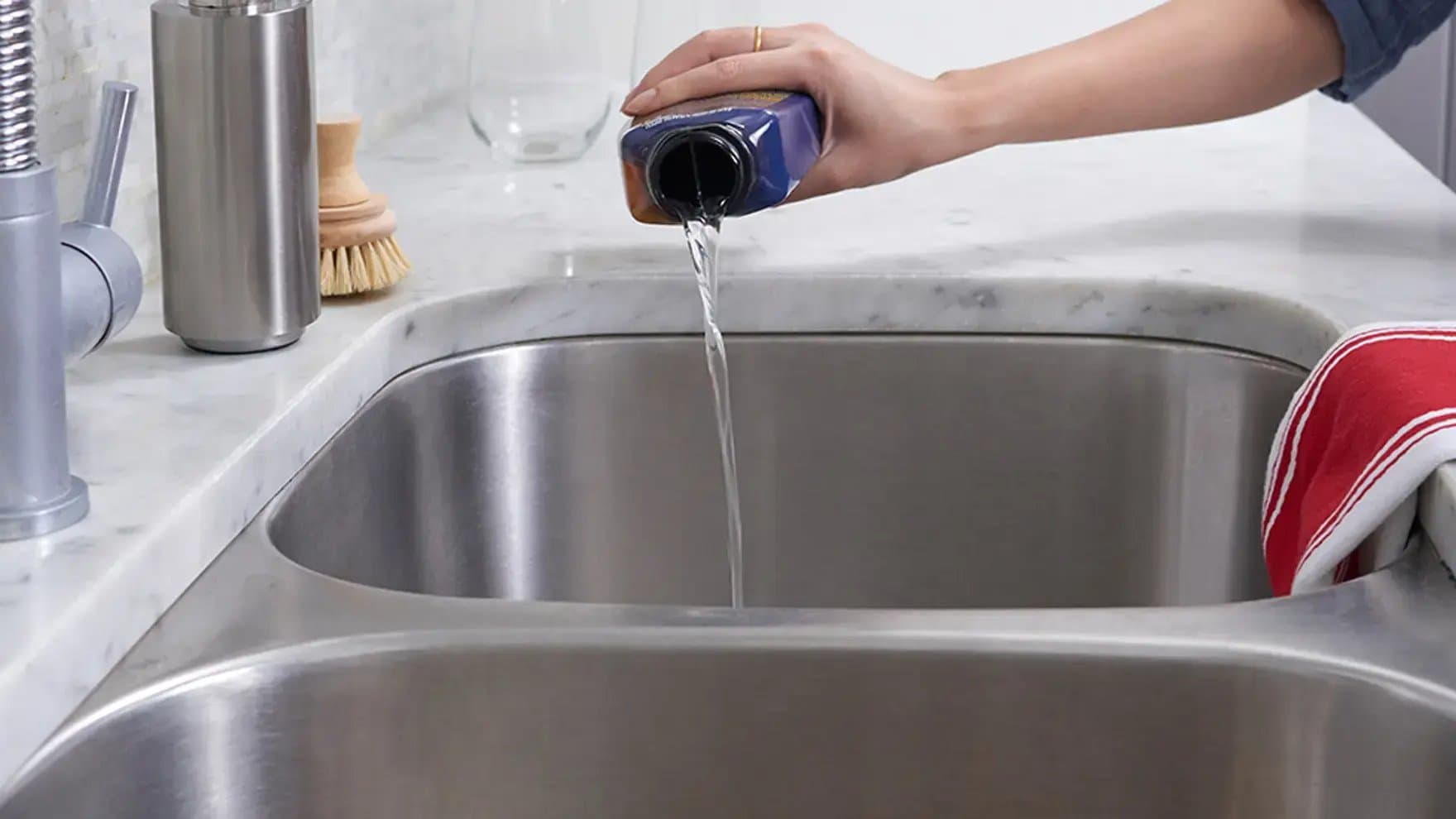
Have you ever faced a slow-draining or clogged kitchen sink and wondered if a simple plunger could fix it? You’re not alone.
When your sink starts to back up, it’s frustrating and messy. But before you call a plumber or reach for harsh chemicals, there’s an easy tool right at your fingertips that might solve the problem quickly. Can you plunge a kitchen sink effectively?
The answer might surprise you—and knowing how to do it could save you time, money, and stress. Keep reading to find out exactly how plunging works and whether it’s the right solution for your kitchen clog.

Credit: www.popularmechanics.com
When To Use A Plunger
Knowing when to use a plunger can save time and prevent damage. A plunger works best on certain types of clogs. Using it at the right moment can clear the blockage quickly. Understanding the signs of a clog helps decide if plunging is the best choice.
Signs Your Sink Is Clogged
- Water drains slowly after washing dishes.
- Sink fills with water and drains very slowly.
- Unpleasant odors come from the drain.
- Gurgling sounds occur when water drains.
- Water backs up into the sink basin.
Types Of Clogs Suitable For Plunging
- Food particles stuck near the drain opening.
- Grease buildup causing slow drainage.
- Soap scum blocking the pipes.
- Small debris like coffee grounds or eggshells.
- Hair or stringy material causing minor blockages.
Choosing The Right Plunger
Choosing the right plunger matters a lot for clearing a kitchen sink clog. The wrong plunger can waste time and cause frustration. The right one fits well and creates a strong seal. It helps push the blockage out fast and easy. Understanding plunger types and features helps you pick the best tool for your sink.
Cup Vs. Flange Plungers
Cup plungers have a simple rubber cup shape. They work well on flat surfaces like floor drains. Flange plungers have an extra rubber flap that extends below the cup. This flap fits into curved drains, like those in kitchen sinks. Flange plungers create a better seal in sink drains. They often clear clogs faster than cup plungers in sinks.
Material And Size Considerations
Plungers come in rubber and plastic materials. Rubber is flexible and forms a tight seal. Plastic plungers are less flexible and may not seal well. A plunger too large or too small won't work well. A medium-sized plunger usually fits most kitchen sinks. The handle should be sturdy and comfortable to hold. Choose a plunger with a strong handle to avoid breaking.
Preparing Your Sink For Plunging
Clear the sink of dishes and debris to ensure a proper seal with the plunger. Plug the overflow hole with a wet cloth to create suction. Fill the sink with enough water to cover the plunger’s cup for effective plunging.
Preparing your sink for plunging is a crucial step to ensure a smooth and effective process. Jumping right in without setting the stage might leave you frustrated with a still-clogged sink. By taking a few moments to get ready, you're setting yourself up for success and possibly saving a call to the plumber.
Clearing The Drain Area
Before you grab the plunger, make sure the area around the drain is clear. Remove any dishes, utensils, or debris that could get in the way. This not only gives you more room to work but also prevents additional items from clogging the sink further. Check if there are any visible objects stuck in the drain. Sometimes, the culprit is a simple piece of food or small item that can be easily removed by hand. This quick inspection might save you the trouble of plunging altogether.
Sealing Overflow Openings
Did you know that sealing the overflow openings can make a huge difference when plunging a sink? This step is often overlooked, yet it's essential for building up the necessary pressure. Use a wet cloth or duct tape to cover the overflow opening. This ensures the air you're forcing down with the plunger doesn't escape, making your efforts more effective. Do you remember the last time you were frustrated by a stubborn clog? Properly sealing the overflow might have been the missing piece to your puzzle.
Credit: www.aol.com
Step-by-step Plunging Technique
Plunging a kitchen sink can clear clogs fast. The right technique makes the job easier and more effective. Follow these simple steps to use a plunger correctly and get your sink draining smoothly again.
Proper Plunger Positioning
Choose a plunger with a flange for kitchen sinks. Place the plunger cup directly over the drain opening. Ensure it covers the drain completely to create a strong seal. Fill the sink with enough water to cover the plunger’s cup. Water helps push the clog out more effectively.
Effective Pumping Movements
Push the plunger down firmly but gently. Pull up without breaking the seal. Use quick, steady pumps to build pressure. Avoid harsh jerks that can splash water. Keep a consistent rhythm to loosen the clog.
When To Stop And Check Results
After 10 to 15 pumps, stop plunging. Lift the plunger slowly to see if water drains. If it drains well, run water for a few seconds. If water remains slow, repeat the plunging process. Avoid too much force to prevent pipe damage.
Alternative Methods If Plunging Fails
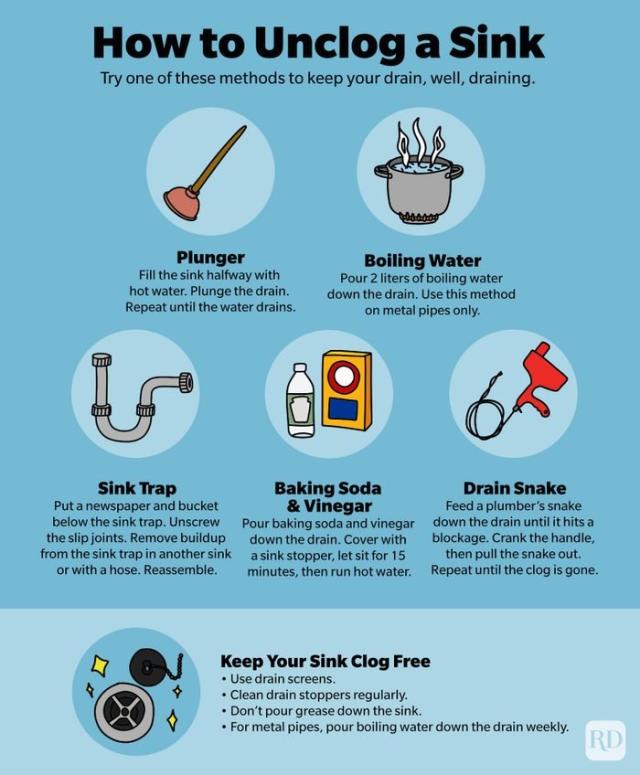
Sometimes plunging a kitchen sink does not clear the clog. Other methods can help remove tough blockages. These alternatives use simple tools and household items. They often work well before calling a plumber.
Using Baking Soda And Vinegar
Baking soda and vinegar create a natural cleaning reaction. Start by pouring half a cup of baking soda down the drain. Follow with half a cup of vinegar. Cover the drain with a plug or cloth. Wait 15 to 30 minutes for the fizz to break up the clog. Flush the drain with hot water to clear debris.
Employing A Drain Snake
A drain snake is a flexible tool that reaches deep clogs. Insert the snake into the drain opening. Turn the handle clockwise to push through the blockage. Pull out the snake to remove trapped debris. Repeat until water flows freely. Clean the snake after use to prevent odors.
When To Call A Professional
Call a plumber if these methods do not work. Persistent clogs may signal serious plumbing issues. Professionals have specialized tools to fix tough blockages. Avoid causing damage by trying too hard. Early help saves time and protects your pipes.
Preventing Future Clogs
Preventing future clogs in your kitchen sink saves time and stress. Simple habits protect your pipes from blockages. Regular care keeps water flowing smoothly and avoids costly repairs.
Routine Sink Maintenance
Clean your sink drain weekly with hot water. This helps dissolve grease and soap buildup. Use a mixture of baking soda and vinegar monthly. Let it sit for 15 minutes before rinsing. Check and clear the drain stopper often. Remove food scraps and debris to avoid blockages.
Avoiding Common Drain Blockers
Keep grease, oil, and fat out of your drain. These substances harden and cause clogs. Use a sink strainer to catch food particles. Dispose of coffee grounds and egg shells in the trash. Avoid pouring flour or starch down the drain. These ingredients swell with water and block pipes.

Credit: www.yahoo.com
Frequently Asked Questions
Can You Plunge A Kitchen Sink To Unclog It?
Yes, you can use a plunger to unclog a kitchen sink. Make sure to block the overflow drain first. Use firm, consistent plunges to create suction and loosen the clog. Plunging is a safe, effective method for minor blockages.
What Type Of Plunger Works Best For Kitchen Sinks?
A cup plunger, also called a sink plunger, works best for kitchen sinks. It has a flat rim designed to seal around the drain opening. Avoid using toilet plungers with a flange as they don’t seal well on flat surfaces.
How Do You Prepare A Kitchen Sink Before Plunging?
Remove any standing water if too deep, but keep some water to create suction. Clear debris from the drain opening. Block the overflow hole with a wet cloth or duct tape. This helps focus the plunging force on the clog.
Can Plunging Damage Kitchen Sink Pipes?
When done properly, plunging will not damage kitchen sink pipes. Use gentle but firm pressure to avoid pipe stress. Avoid plunging if pipes are old or fragile to prevent leaks or cracks.
Conclusion
Plunging a kitchen sink can solve many common clogs. Use the right plunger and create a tight seal first. Push and pull steadily to clear the blockage. Avoid harsh chemicals that may damage pipes. If the clog stays, call a plumber for help.
Regular cleaning keeps drains flowing smoothly. Simple steps can save time and money at home. Don’t wait too long to fix slow drains. A quick plunge often brings fast results. Keep your kitchen sink working well every day.