
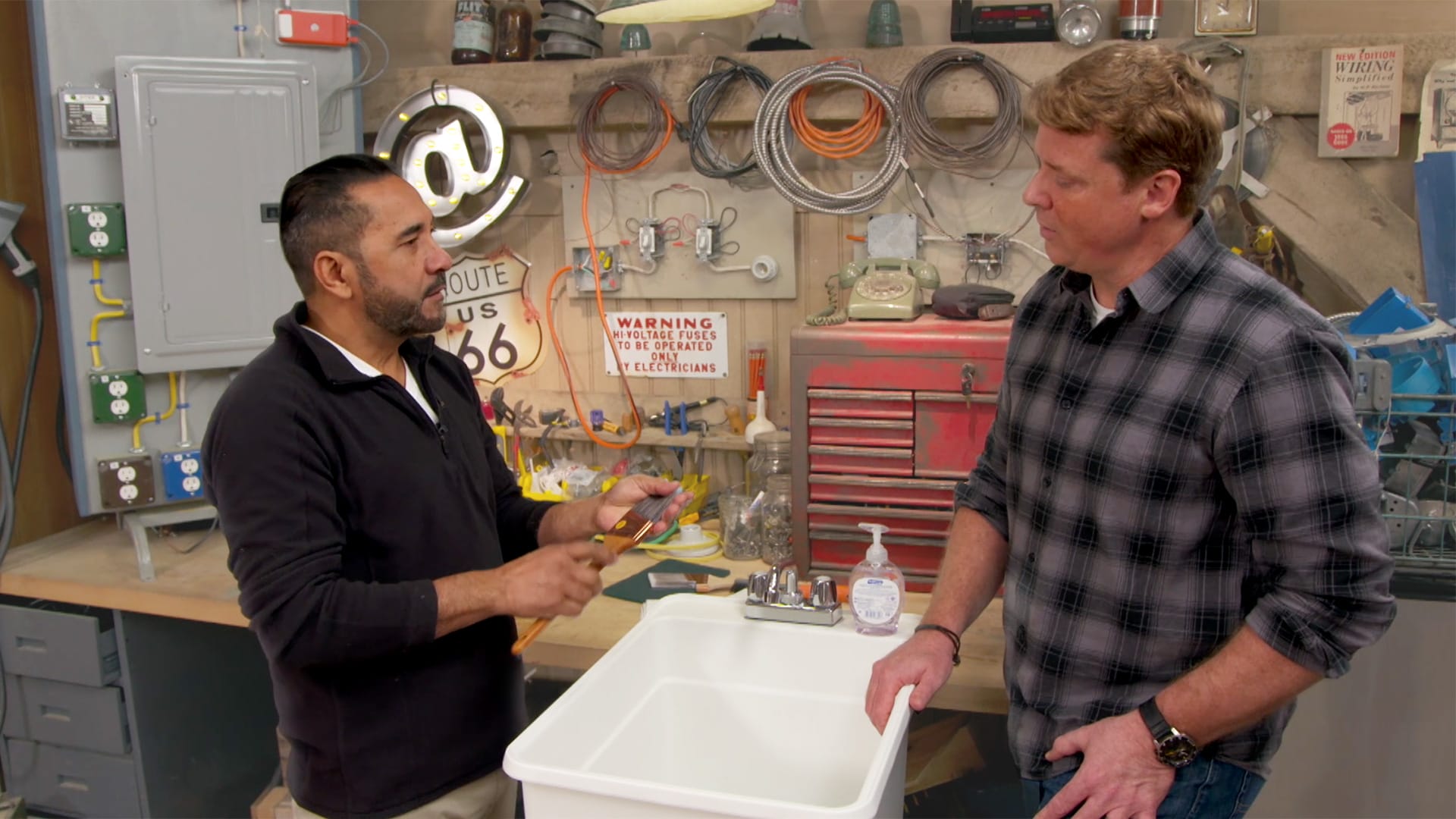
Have you ever finished a painting project and wondered, “Can I wash my paint brush in the kitchen sink?” It’s a question many of us ask but hesitate to answer. You want to clean your brush quickly, but you also worry about damaging your sink or making a bigger mess.
What if there was a simple way to handle this without stress? Keep reading, because by the end of this article, you’ll know exactly how to clean your paint brushes safely and efficiently—right at home. Your sink, your brush, and your peace of mind will thank you.

Credit: www.consumerreports.org
Risks Of Washing Brushes In Kitchen Sink
Washing paint brushes in your kitchen sink might seem convenient, but it carries several hidden risks. These risks affect not just your plumbing but also your health and the environment. Understanding these dangers can help you decide whether it's worth the hassle or if you should find alternative cleaning methods.
Potential Damage To Plumbing
Paint residue can clog your pipes and drains over time. Even small amounts of dried paint or thick paint washes can build up and cause blockages that require costly repairs.
Latex paint might seem water-soluble, but once it dries in the pipes, it hardens and sticks to the walls. Oil-based paints are even worse, as they can coat the plumbing and resist flushing.
Have you ever noticed slow drainage after cleaning brushes? That’s a sign your plumbing might already be suffering from paint buildup.
Health And Hygiene Concerns
Kitchen sinks are meant for food preparation and washing dishes, not for handling toxic chemicals. Paints often contain harmful solvents and chemicals that can contaminate your sink.
Residues left behind can mix with food particles or dishes, posing health risks to your family. Even thorough rinsing might not remove all toxic traces.
Think about this: are you comfortable using a sink for cooking that has been exposed to paint chemicals? It’s a question worth asking yourself.
Environmental Impact
When you wash paint brushes in the kitchen sink, paint particles and chemicals enter the wastewater system. This pollution can harm aquatic life and water quality.
Many local sewage treatment plants are not equipped to filter out paint chemicals. This means toxic substances can end up in rivers, lakes, or soil.
Wouldn’t it be better to protect your environment by disposing of paint waste responsibly instead of letting it flow down your drains?

Credit: www.amazon.co.uk
Safe Alternatives For Cleaning Brushes
Cleaning paint brushes safely protects your plumbing and the environment. Instead of using your kitchen sink, consider alternatives that keep harmful chemicals and paint residues away from your home water system. These options also make the cleaning process more efficient and less messy.
Using A Utility Sink Or Bucket
Using a utility sink or a large bucket is a practical alternative to the kitchen sink. These options contain the mess in one place, so you avoid contaminating areas where you prepare food. You can fill the bucket with warm water or the proper solvent and soak your brushes without worrying about drainage issues.
I once cleaned my brushes in the kitchen sink and ended up with paint stains that were hard to remove. Switching to a utility sink saved me time and hassle while keeping my kitchen safe.
Choosing The Right Cleaning Solvent
Picking the right solvent depends on the type of paint you used. For water-based paints, warm soapy water works well and is safe to pour down the drain in small amounts. For oil-based paints, use a paint thinner or mineral spirits, but never pour these down the kitchen sink.
Instead, soak your brushes in a sealed container with the solvent and reuse the liquid until it gets dirty. This reduces waste and exposure to harmful fumes. Always follow the product’s safety instructions to keep yourself and your home safe.
Disposing Of Paint Waste Properly
Proper disposal of paint waste protects your household plumbing and the environment. Never pour paint or solvent down the kitchen sink or toilet. Instead, collect leftover paint and solvents in a container and take them to a local hazardous waste disposal site.
Have you checked if your community offers paint recycling or hazardous waste drop-off days? Using these services ensures you’re disposing of waste responsibly and avoiding costly plumbing repairs.
Steps To Clean Brushes In The Kitchen Sink Safely
Cleaning paint brushes in the kitchen sink requires care to avoid clogging drains. Use warm water and mild soap, rinsing thoroughly without leaving paint residue. Protect the sink by placing a strainer or cloth at the drain before washing.
Cleaning paint brushes in the kitchen sink can be safe with care. Proper steps ensure the sink stays clean and the brushes are well-maintained. Following the right procedures prevents clogs and keeps your kitchen in good shape.
Preparing The Sink Area
Start by clearing the sink of dishes and debris. This avoids contamination and ensures an easy cleanup. Place a sink strainer to catch paint particles. It helps prevent clogs and keeps the plumbing intact. Keep paper towels or rags nearby for quick cleanups.
Using Protective Measures
Wear rubber gloves to protect your hands from chemicals. Open windows or use a fan for ventilation. This minimizes the inhalation of fumes. Choose a biodegradable soap for cleaning. It is gentle on the environment and effective on paint.
Rinsing And Drying Brushes
Rinse brushes under lukewarm water, gently squeezing out paint. Avoid using hot water, which can damage bristles. After rinsing, lay brushes flat on a towel. Allow them to air dry completely before storing. This prevents bristle damage and maintains brush quality.
Do’s For Maintaining Paint Brushes
Maintaining your paint brushes properly can save you time and money. Good care keeps the bristles flexible and prevents damage, so your brushes perform well for many projects. Let’s look at the key actions you can take to keep your brushes in top shape.
Cleaning Immediately After Use
Washing your paint brushes right after painting is crucial. Dried paint is much harder to remove and can ruin the bristles. Use warm water and mild soap for water-based paints, or the appropriate solvent for oil-based paints.
Rinse thoroughly until the water runs clear. Don’t forget to gently comb through the bristles with your fingers or a brush comb to remove any trapped paint. Have you ever left a brush unwashed overnight? You probably noticed how stiff and useless it became the next day.
Storing Brushes Correctly
How you store your brushes affects their lifespan. Always store brushes flat or hanging with the bristles down to avoid bending or misshaping. Avoid standing them on their bristles, as this can cause them to splay out.
Make sure brushes are completely dry before storing to prevent mold or mildew buildup. Using a brush cover or wrapping the bristles in paper can protect them from dust and damage. What’s your current brush storage routine? Could it be improved to extend brush life?
Regular Brush Maintenance Tips
Even with good cleaning and storage, regular maintenance keeps brushes performing well. Occasionally condition natural bristle brushes with a little hair conditioner to keep them soft. For synthetic brushes, inspect for loose hairs and remove them promptly.
Try reshaping the bristles after each wash to maintain a nice point or edge. Keep an eye out for paint buildup near the ferrule—the metal part—and clean it carefully. Simple upkeep like this can prevent frustration and give you smoother paint application every time.
Don’ts To Avoid When Washing Brushes
Washing paint brushes in the kitchen sink might seem convenient, but there are key mistakes you must avoid to protect your plumbing, the environment, and your brushes. Certain habits can cause permanent damage or costly cleanups. Let’s look at critical don’ts that will save you headaches and keep your brushes in great shape.
Avoid Pouring Paint Down The Drain
Never pour leftover paint or rinse water containing paint directly into your kitchen sink drain. Paint contains chemicals that can clog pipes or harm water treatment systems.
Instead, wipe brushes on old newspapers or rags before rinsing. Collect excess paint in a container and dispose of it according to local hazardous waste guidelines.
Don’t Use Harsh Chemicals In The Sink
Strong solvents like paint thinners or turpentine can damage your sink’s finish and plumbing. They may also release toxic fumes harmful to you and your family.
Opt for milder soap and warm water for water-based paints. For oil-based paints, use a dedicated cleaning area with proper ventilation instead of the kitchen sink.
Avoid Letting Paint Dry On Brushes
Once paint dries on your brush bristles, cleaning becomes nearly impossible and ruins the brush’s quality. Always rinse brushes immediately after use to keep them soft and effective.
If you get distracted, soak the brush briefly in water or appropriate cleaner to prevent paint from hardening. Your future self will thank you when your brush stays usable for many projects.

Credit: www.angi.com
Frequently Asked Questions
Can I Wash Paint Brushes In The Kitchen Sink?
You can wash paint brushes in the kitchen sink, but it’s not ideal. Paint residue can clog pipes and contaminate water. Use a dedicated container or outdoor hose for cleaning to protect your plumbing and maintain hygiene.
What Damages Can Kitchen Sinks Face From Paint?
Paint can harden and block kitchen drains, causing clogs. Harsh solvents may damage sink surfaces and plumbing. Avoid washing brushes with oil-based paint or solvents in kitchen sinks to prevent costly repairs.
How To Clean Paint Brushes Without Harming Kitchen Sinks?
Use a bucket with warm water and mild soap to clean brushes. Dispose of paint residue properly, never down the sink. For oil-based paints, use paint thinner and clean brushes outdoors to protect your kitchen sink.
Are There Eco-friendly Ways To Clean Paint Brushes?
Yes, use biodegradable soap and water for water-based paints. Avoid harsh chemicals and dispose of paint waste at local hazardous waste centers. This keeps your kitchen sink and environment safe.
Conclusion
Washing paint brushes in the kitchen sink can cause problems. Paint may clog your pipes or harm your dishes. Use a bucket or a special brush cleaner instead. Clean brushes right after painting to keep them in good shape. Taking care of your tools helps you paint better next time.
Always think about the environment and avoid pouring paint down the drain. Keep your kitchen clean and safe by choosing the right place to wash brushes. Simple steps make a big difference.