
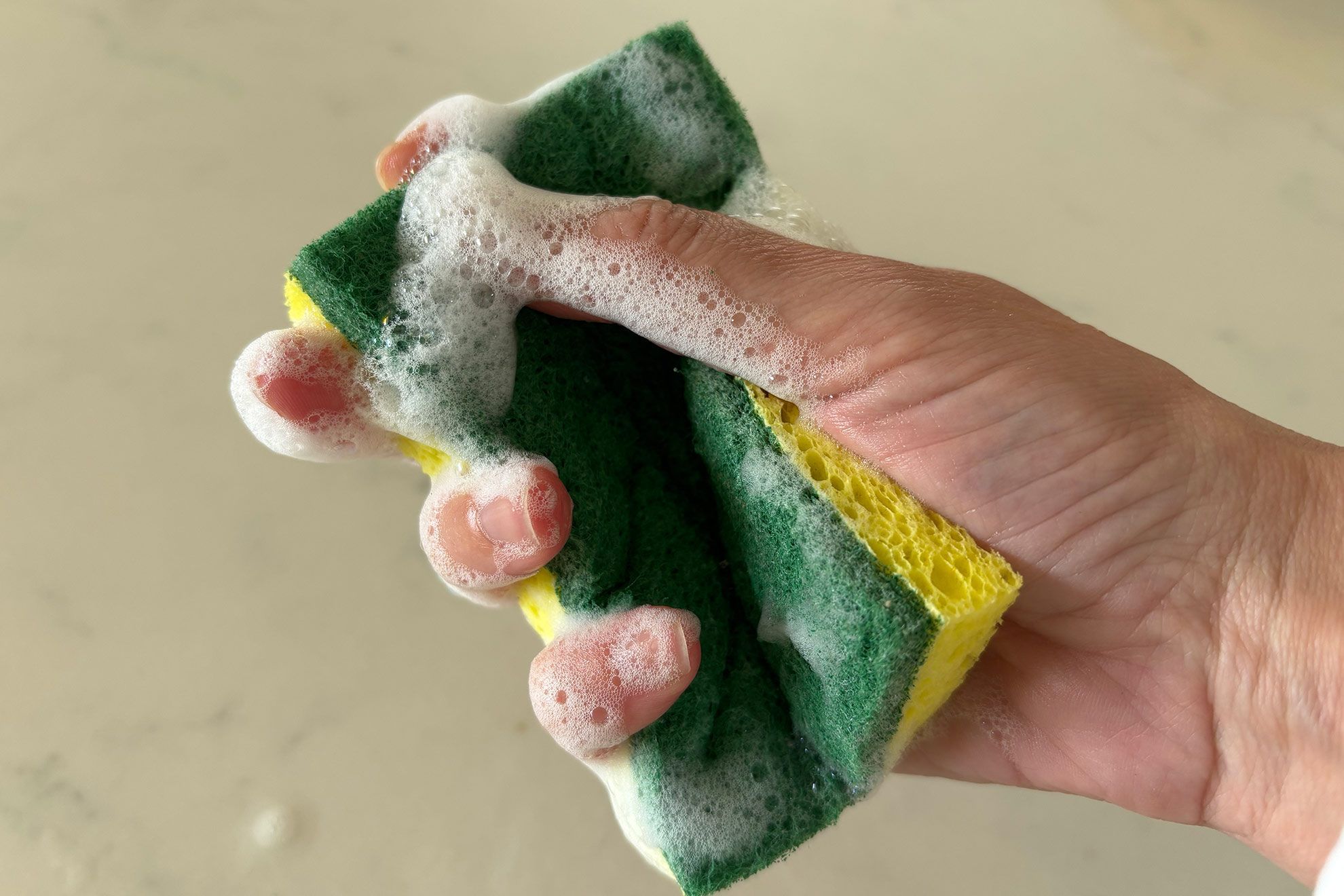
Your kitchen sponge works hard every day, scrubbing away grease, food bits, and germs. But have you ever stopped to think about how often you should replace it?
Using an old sponge can turn your cleaning efforts into a breeding ground for bacteria, putting your health at risk. You’ll discover the simple signs that tell you it’s time for a new sponge and learn easy tips to keep your kitchen cleaner and safer.
Keep reading—your health and home deserve it.

Credit: www.yahoo.com
Signs To Replace Sponges
Knowing when to replace your kitchen sponge is key to keeping your kitchen clean. Sponges wear out fast and can hide bacteria. Watch for clear signs that show your sponge needs a swap. These signs help prevent the spread of germs and keep your cleaning effective.
Visible Wear And Tear
Check your sponge for cracks, holes, or frayed edges. These damages reduce its ability to clean properly. A worn-out sponge can leave food particles behind. Replace it as soon as you see these signs.
Persistent Odors
A strong, bad smell is a clear sign to get a new sponge. Odors happen because bacteria build up inside. Even after rinsing, the smell may not go away. A fresh sponge keeps your kitchen smelling clean.
Reduced Cleaning Efficiency
If your sponge no longer removes grease or grime well, it’s time to change it. A sponge that feels slimy or hard doesn’t clean well. Using a poor sponge means more effort for less result.
Factors Affecting Replacement Frequency
Knowing how often to replace your kitchen sponge depends on several important factors. These elements influence how quickly your sponge wears out and how likely it is to harbor bacteria. Understanding these can help you make better decisions about sponge care and replacement, keeping your kitchen cleaner and safer.
Usage Intensity
The more you use your sponge, the faster it breaks down and becomes a breeding ground for germs. If you wash dishes multiple times a day or clean up frequent spills, your sponge works overtime.
Think about how often you scrub pots or wipe counters. Heavy use means you should replace your sponge more often, sometimes even weekly. Light use might stretch that to a couple of weeks, but keep an eye on its condition.
Type Of Sponge Material
Not all sponges are created equal. Some materials hold up better and resist bacteria longer than others. For example, natural cellulose sponges absorb water quickly but can degrade faster.
On the other hand, synthetic sponges often dry faster and resist odors, which can extend their life. If you use antimicrobial or silicone sponges, they might last even longer. Choosing the right type affects how often you need to replace your sponge.
Cleaning And Drying Habits
How you care for your sponge directly impacts its lifespan. Rinsing thoroughly after each use removes food particles that feed bacteria.
Allowing your sponge to dry completely between uses slows down bacterial growth. Placing it in direct sunlight or microwaving it briefly can help sanitize it. If you neglect these habits, your sponge will need replacing more often.
Recommended Replacement Timelines
Kitchen sponges should be replaced every one to two weeks to avoid bacteria buildup. Frequent use or heavy cleaning may require quicker changes. Regular replacement keeps your kitchen cleaner and safer.
Understanding how often you should replace your kitchen sponges can make a significant difference in maintaining a clean and healthy kitchen environment. Kitchen sponges can quickly become breeding grounds for bacteria, which is why adhering to recommended replacement timelines is crucial. Let's break it down based on the frequency of use and type of sponge.
Daily Use Sponges
If you're using your sponge multiple times a day, it's best to replace it every week. Daily use sponges are constantly exposed to food particles and moisture, creating the perfect setting for bacteria growth. By swapping them out weekly, you ensure that your cleaning tools remain effective and hygienic.
Occasional Use Sponges
For those sponges that are used less frequently, like once or twice a week, you can stretch their lifespan to about two to three weeks. Make sure to thoroughly rinse and let them air dry between uses to extend their usability. Remember, even occasional use sponges can harbor germs if neglected.
Specialty Sponges
Specialty sponges, such as those used for delicate glassware or tough scrubbing, may have different lifespans based on their material and usage. For instance, a scrubber sponge might wear out faster and need replacing every two weeks. Meanwhile, a gentle sponge for glassware may last longer, but always keep an eye on any signs of wear and tear. Consider keeping track of when you last replaced each type of sponge. A simple note on your fridge can serve as a helpful reminder. How often do you change your kitchen sponges? You might find that replacing them more frequently can actually save you time and effort in the long run.

Credit: www.taste.com.au
Maintaining Sponges Between Uses
Keeping your kitchen sponge in good shape between uses can extend its life and keep your kitchen healthier. Sponges easily trap food particles and moisture, which can lead to bacteria growth if not handled properly. Taking simple steps to clean and dry your sponge can make a big difference in preventing odors and germs.
Proper Rinsing Techniques
Rinse your sponge thoroughly after each use to remove food scraps and soap residue. Use hot water and press the sponge firmly to squeeze out trapped debris and liquids. Avoid just rinsing quickly under cold water; it won’t clean the sponge deeply enough.
Have you noticed how some sponges still smell even after rinsing? That’s often because they aren’t rinsed properly. Take a moment to rub the sponge under running water and make sure every corner is rinsed well.
Effective Drying Methods
Moisture is the enemy of sponge freshness. After rinsing, allow your sponge to dry completely before the next use. Place it in a well-ventilated spot or use a sponge holder that allows air circulation from all sides.
If your sponge stays wet in a sink or on a flat surface, bacteria thrive. You might want to try standing it upright or even placing it in the microwave for a short time to speed up drying. Have you tried changing where you leave your sponge? The difference can be surprising.
Sanitizing Practices
Sanitizing your sponge regularly can reduce harmful bacteria significantly. You can soak it in a mixture of water and bleach or vinegar for a few minutes. Alternatively, microwaving a damp sponge for about 1-2 minutes can kill most germs—just be sure the sponge is wet to avoid fire risk.
Do you sanitize your sponge as often as you should? Even if you clean it daily, a weekly deep clean helps maintain hygiene. Simple habits like these can keep your kitchen safer and your sponge fresher longer.
Alternatives To Traditional Sponges
If you find yourself replacing kitchen sponges too often or worried about bacteria buildup, it might be time to consider alternatives. Traditional sponges can wear out quickly and trap germs, making your kitchen less hygienic. Luckily, there are practical options that last longer and clean just as well, if not better.
Microfiber Cloths
Microfiber cloths are great at picking up dirt and grease without scratching your dishes. They dry fast, which helps reduce bacteria growth, and you can toss them in the washing machine after use. I started using microfiber cloths, and I noticed fewer odors and less need to replace them compared to sponges.
Silicone Scrubbers
Silicone scrubbers are durable and easy to clean. They don’t absorb water, so they dry quickly and resist mold. Plus, you can sanitize them in the dishwasher or microwave. Have you tried silicone scrubbers yet? They might surprise you with their gentle but effective scrubbing power.
Reusable Dish Brushes
Dish brushes with replaceable heads or long handles keep your hands dry and reduce germ buildup. They last much longer than sponges and are easier to clean after tough jobs. Using one feels more hygienic, and you only need to swap the brush head occasionally, saving money and effort.

Credit: amazonascrub.com
Health Risks Of Old Sponges
Old kitchen sponges carry serious health risks. They trap moisture and food bits, creating a perfect place for germs. Using worn-out sponges spreads these germs around your kitchen. This can lead to illness and allergic reactions. Understanding these dangers helps you keep your kitchen safe and clean.
Bacterial Growth
Sponges are damp and full of tiny holes. This environment encourages bacteria to grow fast. Harmful germs like Salmonella and E. coli can live in sponges. These bacteria multiply quickly on old, dirty sponges. Touching or using the sponge can transfer bacteria to dishes and surfaces.
Cross-contamination
Using the same sponge for different tasks spreads germs easily. Raw meat juices can contaminate fruits, vegetables, and cooked foods. This cross-contamination causes food poisoning and stomach problems. Old sponges carry more germs, increasing the risk. Cleaning with a fresh sponge reduces this danger significantly.
Allergy Concerns
Old sponges can cause allergic reactions in some people. Mold and mildew grow on damp sponges over time. These fungi release spores that trigger asthma and allergies. Sensitive individuals may experience sneezing, coughing, or skin irritation. Replacing sponges often helps prevent these allergy issues.
Eco-friendly Disposal Options
Disposing of kitchen sponges in an eco-friendly way can greatly reduce waste and environmental impact. Instead of tossing your old sponge in the trash, consider options that give it a second life or allow it to break down naturally. You might be surprised how simple some of these methods are and how much they contribute to a greener kitchen routine.
Composting Biodegradable Sponges
If your sponge is made from natural materials like cellulose, it can be composted. Simply cut it into smaller pieces to speed up decomposition and add it to your compost bin. Make sure the sponge doesn’t contain synthetic fibers or harsh chemicals that could harm your compost quality.
Have you checked the label on your sponge? Knowing if it’s biodegradable helps you decide whether composting is an option or if you need another disposal method.
Recycling Programs
Some manufacturers and local recycling centers accept kitchen sponges for recycling. You can look for programs that recycle sponges or household cleaning products. This option reduces landfill waste and helps recover materials.
Check your community’s recycling guidelines or search online to find nearby drop-off locations. You might find a program that surprises you by accepting items you didn’t expect.
Repurposing Old Sponges
Before throwing out your sponge, think about ways to reuse it around your home. Old sponges can clean shoes, scrub outdoor furniture, or even act as a paint applicator for craft projects.
Cutting sponges into smaller pieces for scrubbing tight corners or using them to freshen up your fridge with a few drops of essential oil can extend their usefulness. What household tasks could benefit from a sponge you were about to discard?
Frequently Asked Questions
How Often Should Kitchen Sponges Be Replaced?
Kitchen sponges should be replaced every 1 to 2 weeks. Frequent use and moisture promote bacteria growth, making sponges unsafe over time. Regular replacement ensures cleanliness and reduces the risk of cross-contamination in your kitchen.
Can I Sanitize Kitchen Sponges Instead Of Replacing?
Yes, you can sanitize sponges by microwaving or soaking in bleach. However, sanitizing only delays replacement. For hygiene, replace sponges regularly to maintain a clean kitchen environment.
What Signs Indicate It's Time To Replace Sponges?
Replace sponges if they smell bad, look worn, or feel slimy. These signs indicate bacterial buildup and reduced cleaning effectiveness. Timely replacement helps maintain kitchen hygiene and prevents health risks.
Does Sponge Material Affect Replacement Frequency?
Yes, natural sponges may last longer but still need regular replacement. Synthetic sponges often degrade faster. Always replace sponges based on condition, not just material type, to ensure cleanliness.
Conclusion
Kitchen sponges get dirty fast. Replace them every one to two weeks. This helps stop germs from spreading. Clean sponges keep your kitchen safe. Use a new sponge if it smells bad or looks worn. Regular changes save you from illness.
Keep your kitchen fresh and healthy. Small habits make a big difference. Simple steps protect your family every day. Don’t wait until your sponge is too old. Change it often for the best results.