
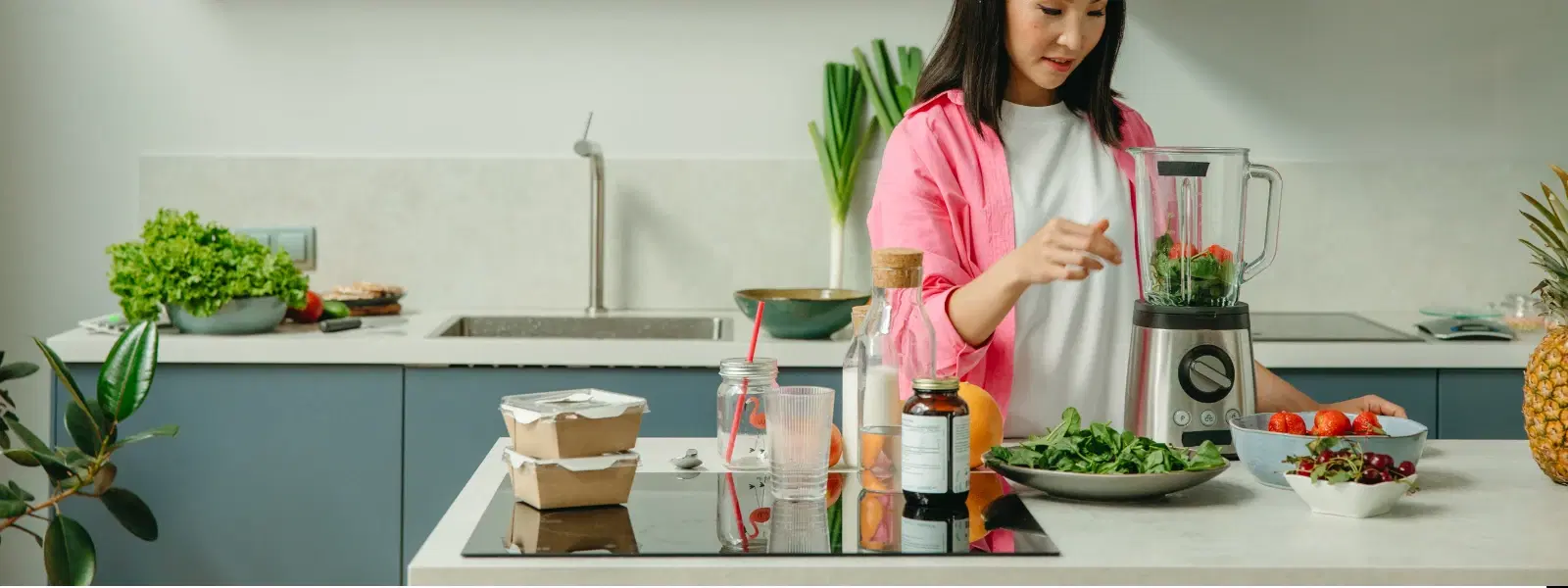
Are you ready to make your kitchen tasks faster and easier? Learning how to use a blender can transform your cooking experience.
Whether you want to whip up a smoothie, prepare a sauce, or chop ingredients quickly, mastering your blender will save you time and effort. In this guide, you’ll discover simple steps and handy tips to get the most out of your blender.
Keep reading to unlock the full potential of this powerful kitchen tool and impress everyone with your new skills!
Choosing The Right Blender
Choosing the right blender is important for your kitchen tasks. It affects how well you can prepare smoothies, soups, and sauces. A good blender saves time and effort. It also lasts longer and works safely. Understanding the types, features, and prices helps in picking the best one for your needs.
Types Of Blenders
There are several types of blenders. Each suits different kitchen tasks. Here are the common types:
- Countertop Blenders:Best for smoothies and crushing ice.
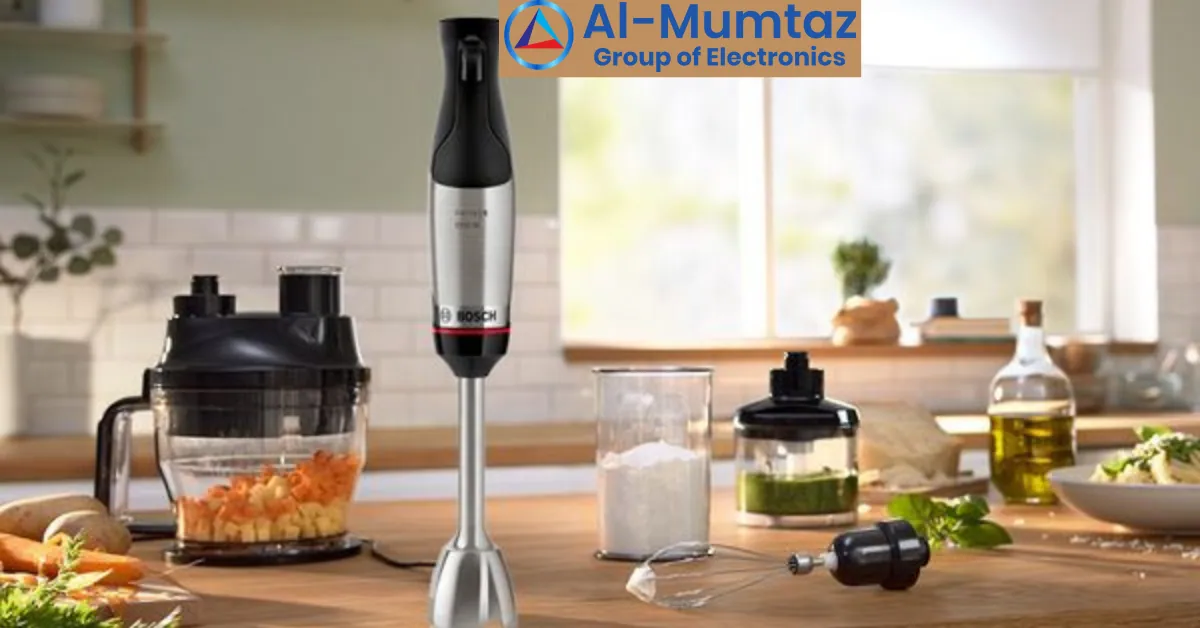
- Immersion Blenders:Handy for soups and small jobs.
- Personal Blenders:Designed for single servings and easy cleaning.
- High-Performance Blenders:Powerful and can handle tough ingredients.
Choose the type that matches how you cook and what you prepare most.
Features To Look For
Check the blender’s power and speed settings. More power means better blending of hard foods. Variable speeds give control over texture.
Look for a blender with a strong, durable blade. Safety features like secure lids and automatic shut-off matter.
Consider ease of cleaning. Dishwasher-safe parts save time. Noise level can also affect your choice.
Budget Considerations
Blenders come in a wide price range. Set a budget before shopping. Basic models fit tight budgets and handle simple tasks.
Mid-range blenders offer more power and features. High-end blenders cost more but last longer and blend better.
Think about how often you will use the blender. Spend wisely to get value without overspending.

Credit: food52.com
Setting Up Your Blender Kitchen
Setting up your Blender kitchen is the first step toward creating delicious smoothies, soups, and sauces effortlessly. A well-organized space with the right tools not only saves time but also makes your cooking experience more enjoyable. Think about how often you’ve reached for a tool only to find it buried at the back of a cluttered drawer—setting up your Blender kitchen smartly prevents that hassle.
Essential Accessories
Start by gathering accessories that enhance your blender’s capabilities. These include different blade attachments, a tamper for thick mixtures, and extra jars for making multiple recipes quickly.
- Measuring cups:Accurate measurement is key for consistent results.
- Spatulas:You’ll need these to scrape down sides and get every bit out of the jar.
- Storage lids:Perfect if you want to blend ahead and store your creations.
Having these on hand means you won’t interrupt your flow searching for the right tool mid-recipe.
Organizing Your Space
Arrange your blender and accessories in a dedicated spot that’s easy to reach. Think about the layout of your kitchen and where you spend most of your prep time.
- Keep frequently used items within arm’s reach to save effort.
- Use drawer dividers or containers to separate small accessories like lids and blades.
- Consider vertical storage solutions if counter space is limited.
Ask yourself: is your setup inviting you to use the blender regularly? If not, reorganize until it feels natural and efficient.
Safety Tips
Blenders are powerful machines, so safety should always come first. Never operate your blender without the lid securely in place.
- Ensure blades are properly installed and locked before use.
- Keep hands and utensils out of the jar while blending.
- Unplug the blender before cleaning or changing attachments to avoid accidents.
Remember, a little caution saves you from injuries and keeps your blender in good working order for years. Have you ever had a close call with a blender? Learning from those moments is how you improve your setup.
Basic Blender Techniques
Blender Kitchen is a useful tool for making soups, smoothies, and sauces quickly. Start by adding ingredients, then blend until smooth. Always use the right speed setting for the best texture.
Mastering your blender can transform your kitchen experience from mundane to magical. Understanding basic blender techniques is essential for achieving the perfect consistency, flavor, and texture in your dishes. This section will guide you through the essentials, ensuring you get the most out of your blender, whether you're crafting a smoothie or whipping up a soup.
Blending Vs. Pureeing
Blending and pureeing might sound similar, but they serve different purposes. Blending combines ingredients into a smooth mixture, perfect for smoothies or soups with a bit of texture. Pureeing, on the other hand, creates a silky smooth consistency, ideal for sauces or creamy soups. The choice between blending and pureeing often depends on the desired outcome of your dish. Think about the texture you want before you start—do you want a thicker, chunkier soup, or a smooth, velvety sauce?
Pulse And Speed Settings
Blenders come with a variety of pulse and speed settings, and knowing how to use them can make a big difference. Use the pulse setting for chunkier textures or when you want more control over the blending process. It's perfect for salsa or a chunky dip. Speed settings vary from low to high, and each is suited for different tasks. Lower speeds are great for gentle mixing, while higher speeds are best for breaking down harder ingredients like ice or nuts. Experiment with these settings to discover what works best for your recipes.
Cleaning And Maintenance
Proper cleaning and maintenance of your blender can prolong its life and ensure it performs at its best. Always unplug the blender before cleaning and disassemble the jar, blades, and lid. After each use, rinse the removable parts with warm, soapy water. For tougher residues, fill the jar halfway with water, add a drop of dish soap, and blend on high speed for a few seconds. Rinse thoroughly to avoid any soap residue in your next culinary creation. Regular maintenance not only keeps your blender in top condition but also ensures safe and hygienic food preparation. Are you taking the time to care for your kitchen tools?
Blender Recipes For Beginners
Starting with blender recipes can feel overwhelming, but it doesn’t have to be. You can create delicious and healthy dishes quickly with just a few ingredients and your blender. The key is to keep things simple and explore easy recipes that build your confidence while delivering great taste.
Smoothies And Shakes
Blenders shine brightest when making smoothies and shakes. They blend fruits, veggies, yogurt, and liquids into creamy drinks that are perfect for breakfast or a quick snack.
Try combining frozen berries, a banana, spinach, and almond milk. Add a spoonful of peanut butter for extra protein and flavor. The texture is smooth, and the taste is fresh, making it a hit even for picky eaters.
What’s your favorite fruit combo? Experiment with what you have on hand—it’s a fun way to discover new flavors without any fuss.
Simple Soups
Using your blender to make soups saves time and effort. You can puree cooked vegetables with broth to create creamy soups without cream or heavy ingredients.
Start with roasted tomatoes, garlic, and vegetable broth for a quick tomato soup. Blend until smooth, then heat and season to taste. You get a comforting meal in minutes with minimal cleanup.
Think about which vegetables you enjoy and how they could transform into a warm, nourishing soup. Blending soups gives you control over texture and flavor intensity.
Dips And Sauces
Blenders are perfect for whipping up dips and sauces that elevate any meal. From guacamole to pesto, these blends add excitement to snacks and dishes.
Try blending avocado, lime juice, cilantro, and a pinch of salt for a fresh guacamole dip. Or pulse basil, garlic, pine nuts, olive oil, and Parmesan to make a vibrant pesto sauce.
Have you ever made your own sauce or dip? You might find that homemade versions taste better and are healthier than store-bought options.
Advanced Blender Recipes
Advanced blender recipes can transform your kitchen routine and open up new culinary possibilities. With a powerful blender, you can create textures and flavors that are hard to achieve by hand. Let’s dive into some exciting ways to push your blender skills beyond basic smoothies.
Nut Butters And Milks
Making nut butters in your blender is easier than you might think. Simply add raw or roasted nuts and blend on high until smooth. You’ll need to pause occasionally to scrape down the sides, but the result is creamy, fresh nut butter without any added preservatives.
Nut milks like almond or cashew milk are also simple. Soak your nuts overnight, then blend with water until silky. Strain through a nut milk bag or fine mesh for a smooth drink. Have you ever tasted nut milk made just minutes before? The flavor and freshness can completely change your recipes.
Frozen Desserts
Blenders excel at creating homemade frozen desserts like sorbets and ice creams. Use frozen fruits as your base and blend until creamy. You can add sweeteners, yogurt, or coconut milk for extra richness.
Try throwing in unexpected ingredients like fresh herbs or spices to personalize your frozen treats. Ever thought about basil in strawberry sorbet? It adds a surprising depth that will wow your taste buds and guests alike.
Batter And Dough
Blenders can handle more than liquids—they’re great for mixing batters and doughs too. From pancake batter to pizza dough, your blender saves time and effort by evenly combining ingredients.
Be mindful of the speed and pulse settings to avoid overmixing, which can affect texture. How often have you struggled with lumps in your batter? Using a blender can give you consistently smooth mixtures with minimal mess.
Credit: www.almumtaz.com.pk
Troubleshooting Common Issues
Troubleshooting common issues with your blender kitchen appliance can save you time and frustration. Many problems have simple fixes that don’t require professional help. Understanding these can keep your blender working smoothly and extend its lifespan.
Overheating Problems
If your blender feels hot to the touch or stops mid-blend, it might be overheating. This usually happens when you blend for too long without breaks or blend very thick mixtures.
Try blending in shorter bursts and allow the motor to cool down between uses. Also, check if the vents are blocked by dust or debris and clean them regularly. If overheating persists, your blender might need a professional checkup.
Uneven Blending
Noticing chunks or uneven texture after blending? This could be due to overfilling the jar or not adding enough liquid. Sometimes, the blades may be dull or misaligned.
- Reduce the quantity of ingredients to avoid overcrowding.
- Add more liquid for smoother blending.
- Check if the blades spin freely and are sharp enough.
Have you tried stopping the blender and stirring the contents before continuing? This simple action often improves blending performance.
Leaking And Noise
Leaking from the base or excessive noise during use signals a seal or assembly issue. Worn-out gaskets or loose parts can cause leaks.
Inspect the rubber gasket under the blade assembly and replace it if cracked or damaged. Tighten all parts securely before blending.
- If noise increases suddenly, pause and check for any foreign objects stuck in the blades.
- Regular maintenance and cleaning prevent buildup that causes noise and leaks.
Does your blender make unusual sounds only with certain ingredients? That could help you pinpoint the problem source faster.
Tips For Perfect Results
Achieving perfect results with your blender kitchen depends on a few simple yet crucial techniques. Small adjustments in how you prepare ingredients, layer them, and control the texture can make a huge difference. Let’s dive into some practical tips that will help you get the best out of your blender every time.
Ingredient Preparation
Chop your ingredients into uniform pieces to help the blender work efficiently. Large chunks can strain the motor or leave uneven textures, especially with tough items like carrots or nuts.
Freeze fruits or vegetables beforehand for smoothies to get a creamier texture without adding ice. This also preserves flavor and nutrients better than melting ice cubes.
Think about the moisture content of your ingredients. Drier foods need some liquid added, while watery items like cucumber require less. Have you tried blending dry nuts without soaking? It rarely ends well.
Layering Techniques
How you place ingredients in the blender jar affects how well they blend. Start with liquids at the bottom, so the blades can create a vortex that pulls down solids.
Add softer items next, then harder or frozen pieces on top. This layering helps your blender work smoothly and prevents it from getting stuck.
Ever dumped everything in at once and ended up with chunks? Try this layering method and notice how much easier it is to get a smooth mix.
Adjusting Consistency
Check the texture midway and adjust liquids slowly. Adding too much liquid at once can make your mixture too runny, while too little leaves it thick and hard to blend.
Use pulse mode for better control, especially when you want to keep some texture, like in salsa or chunky soups.
Don’t hesitate to stop blending and scrape down the sides. This simple step ensures everything mixes evenly and prevents clumps.

Credit: www.yahoo.com
Frequently Asked Questions
What Are The Basic Steps To Use A Blender In The Kitchen?
First, assemble and secure the blender jar on the base. Add ingredients, select speed, then start blending. Always begin on a low speed to avoid splashes.
How To Clean A Blender Quickly And Effectively?
Fill the jar halfway with warm water and a drop of soap. Blend for 30 seconds, rinse thoroughly, and air dry for best results.
Can A Blender Crush Ice And Frozen Fruits Easily?
Yes, most kitchen blenders can crush ice and frozen fruits efficiently. Use pulse mode and gradually increase speed for a smooth blend.
What Safety Tips Should I Follow When Using A Blender?
Always secure the lid before blending. Avoid overfilling and never insert utensils while running. Unplug the blender before cleaning or handling blades.
Conclusion
Blenders make kitchen tasks quick and simple. You can blend, chop, or mix with ease. Always follow safety tips to avoid accidents. Clean your blender right after use to keep it fresh. Experiment with recipes to enjoy new flavors. Using a blender saves time and effort daily.
Start small, and soon you will feel confident. A good blender is a handy tool for every kitchen.