
Thinking about adding a dishwasher to your kitchen? You’re not alone.
A dishwasher can save you time and make cleaning up much easier. But here’s the big question: can you add one to any kitchen? You might be wondering if your space, plumbing, or electrical setup will allow it. Keep reading, because we’ll break down everything you need to know to find out if a dishwasher can fit into your kitchen—and how to make it happen smoothly.
By the end, you’ll have a clear plan to upgrade your kitchen without the guesswork.

Credit: www.reddit.com
Assessing Kitchen Space
Adding a dishwasher requires careful space assessment in your kitchen. You must know the dimensions and layout. This ensures the appliance fits well and works efficiently. Proper planning avoids costly mistakes and ensures smooth installation.
Measuring Available Areas
Start by measuring the kitchen space accurately. Use a tape measure to check width, height, and depth. Note any obstacles like pipes, vents, or electrical outlets. Record measurements on paper for easy reference. Small errors can cause installation problems later.
Identifying Suitable Locations
Look for spots near the sink or water supply. Dishwashers need access to plumbing and power sources. Check under counters or next to cabinets for free space. Avoid areas with heavy foot traffic or where doors may block movement. Choose a location that blends with kitchen design.
Considering Cabinet Modifications
Most kitchens need cabinet changes to fit a dishwasher. Remove or adjust cabinets for proper width and depth. Ensure there is enough ventilation around the appliance. Some models require a dedicated power circuit or water line changes. Plan for professional help if major modifications are needed.
Plumbing Requirements
Adding a dishwasher to your kitchen can be a game-changer for convenience, but it requires careful attention to plumbing. Without the right plumbing setup, your new appliance might not function properly or could even cause leaks and water damage. Understanding what your kitchen plumbing needs are will save you frustration and unexpected repair costs.
Water Supply Access
Every dishwasher needs a reliable water supply line, usually a cold water source. Check if your kitchen has an accessible water valve near the sink or under the counter. If you don’t see a valve, you might need to install a tee fitting on the existing supply line.
Think about the distance between your water source and the dishwasher location. Longer distances require better hoses and possibly additional fittings to maintain water pressure. Have you checked if your current plumbing can handle this without leaks?
Drainage Connections
Your dishwasher must drain waste water effectively to avoid backups. Most dishwashers connect to the sink drain or garbage disposal unit. It’s important to ensure there’s a proper air gap or high loop in the drain hose to prevent dirty water from flowing back into the dishwasher.
Ask yourself if your existing drain can handle extra water flow without clogging. Sometimes, adding a dishwasher means upgrading your drain line or cleaning out old pipes. Have you inspected your sink’s drain recently?
Avoiding Common Plumbing Issues
Improper plumbing can cause leaks, poor drainage, and water damage. Avoid tight bends or kinks in water supply and drain hoses—they restrict flow and increase wear. Use quality connectors and secure all joints tightly to prevent drips.
Many people overlook the importance of testing their connections before closing up cabinets. Run the dishwasher through a cycle to catch leaks early. Have you ever dealt with a hidden leak that caused bigger problems later?
Electrical Considerations
Electrical wiring must support the dishwasher’s power needs safely and meet local codes. A dedicated circuit is often required to avoid overloads. Checking the kitchen’s electrical panel helps ensure proper installation without risks.
Electrical considerations are crucial when adding a dishwasher to your kitchen. Proper electrical setup ensures the appliance functions safely and efficiently. Let's explore the key aspects you need to consider.
Power Supply Needs
Dishwashers require a dedicated power supply. This means it should not share an outlet with other appliances. Check the electrical capacity of your kitchen. Ensure it can handle the additional load of a dishwasher. Most dishwashers require a 120-volt circuit. They also need at least 15 to 20 amps.
Outlet Placement
Choose the right spot for the outlet. It should be close to the dishwasher for easy access. The outlet should be positioned under the sink or behind the appliance. Ensure it remains accessible for maintenance. Avoid placing it near water sources to prevent hazards.
Ensuring Safety Compliance
Safety compliance is essential when installing a dishwasher. Follow local building codes and regulations. Consider hiring a licensed electrician for proper installation. This ensures all connections meet safety standards. It also reduces the risk of electrical issues. Always use GFCI (Ground Fault Circuit Interrupter) outlets. They offer additional protection against electrical shocks.
Choosing The Right Dishwasher
Choosing the right dishwasher is key to fitting one into your kitchen smoothly. It affects your daily chores and how well the appliance blends with your space. Consider your kitchen size, dishwashing needs, and energy use.
Size And Capacity Options
Dishwashers come in different sizes to fit kitchens of all shapes. A full-size model suits large families and heavy use. Compact dishwashers work well in small kitchens or for couples.
Capacity matters too. It is measured in place settings, which means the number of dishes it can wash in one cycle. Choose capacity based on your usual dish load to save water and energy.
Built-in Vs Portable Models
Built-in dishwashers install under the kitchen counter. They save space and look neat. Portable dishwashers can move and connect to the faucet when needed.
Portable models suit renters or kitchens without plumbing for a built-in. Built-ins offer more features and quieter operation. Your kitchen layout guides which type fits best.
Energy Efficiency Ratings
Energy-efficient dishwashers use less water and electricity. Look for models with Energy Star labels. They help reduce utility bills and protect the environment.
Check the annual energy consumption and water use in product details. Choosing an efficient dishwasher benefits your home and saves money over time.
Installation Process
Adding a dishwasher to your kitchen involves more than just finding the right spot. The installation process requires careful planning and execution to ensure the appliance functions well and fits seamlessly into your space. Understanding the steps involved helps you decide whether to tackle the job yourself or hire a professional.
Diy Vs Professional Help
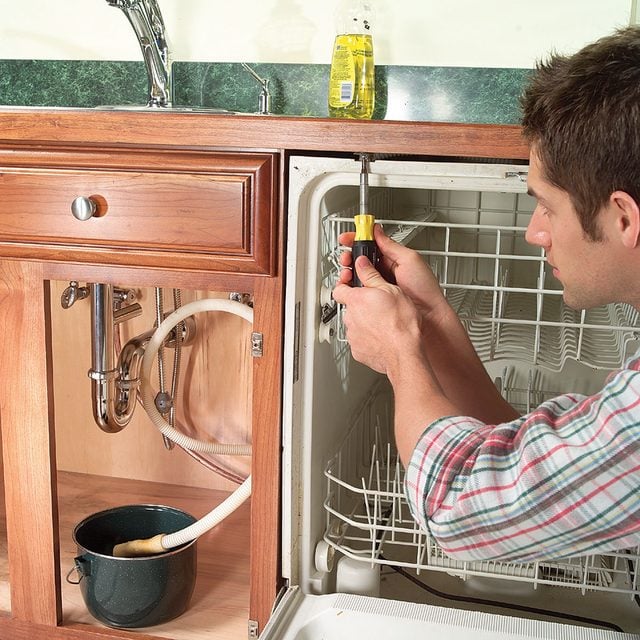
Installing a dishwasher yourself can save money but demands some plumbing and electrical knowledge. If you’re comfortable using tools and have experience with home projects, DIY might be a rewarding challenge. However, if your kitchen lacks pre-existing hookups or if local codes require permits, calling a professional can prevent costly mistakes and ensure safety.
Think about your skill level and the complexity of your kitchen setup. Are you ready to handle potential plumbing adjustments or electrical wiring? Professionals bring expertise and speed, often finishing the job in a few hours with fewer risks.
Step-by-step Installation
- Measure the space:Confirm the dishwasher fits the opening under your counter.
- Turn off utilities:Shut off water and electricity to avoid accidents.
- Connect water supply:Attach the dishwasher’s water line to your existing plumbing.
- Set up drainage:Hook the drain hose to the sink drain or garbage disposal.
- Wire the electrical:Connect the dishwasher to power, following safety codes.
- Slide in the dishwasher:Position it carefully, leveling it with adjustable feet.
- Secure the unit:Fasten it to the countertop or cabinets to prevent movement.
Each step requires attention to detail. For example, a loose water connection can cause leaks, and improper leveling might lead to poor drainage.
Testing And Troubleshooting
Once installed, run a short wash cycle to check for leaks, unusual noises, or error messages. Watch closely for any water pooling or dripping under the dishwasher.
If the dishwasher doesn’t start, verify the power source and door latch. Strange sounds often indicate something caught inside or a misaligned component.
Early testing lets you spot issues before fully integrating the appliance into your kitchen routine. Have you prepared a checklist to catch common problems during your installation?
Credit: www.maytag.com
Design And Aesthetics
Adding a dishwasher to your kitchen isn’t just about functionality; it’s also a chance to enhance your kitchen’s look. The design and aesthetics of your dishwasher can either blend seamlessly or stand out, depending on your kitchen’s style. Paying attention to how your new appliance fits visually can make a big difference in your overall kitchen vibe.
Matching Kitchen Style
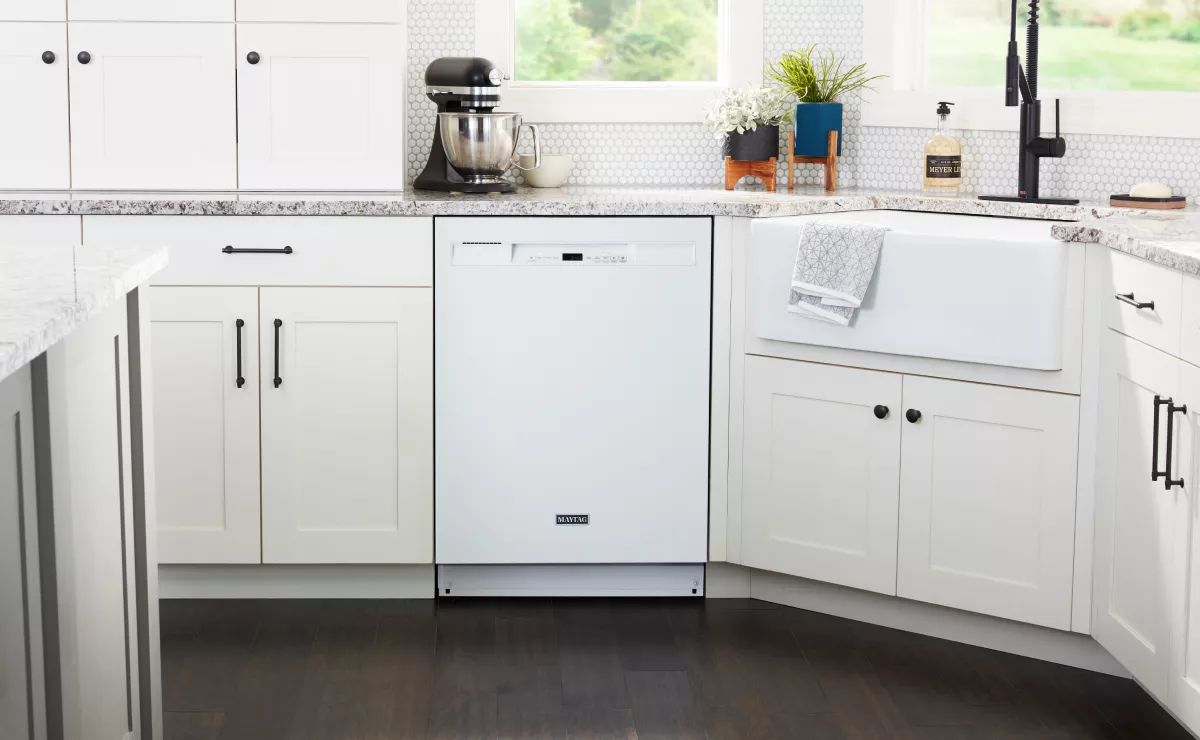
Think about the style of your kitchen before choosing a dishwasher. Is your kitchen modern, rustic, or traditional? Picking a dishwasher that matches the design elements—like stainless steel for modern or panel-ready for classic wood cabinets—helps keep the space unified.
Imagine you have a sleek, minimalist kitchen but bring in a bulky, dated dishwasher. The clash can be distracting. Instead, find a model that mirrors your kitchen’s tone and finishes. This simple step can elevate the entire room’s look without much effort.
Panel Ready Options
If you want your dishwasher to disappear into the background, panel-ready models are a great choice. These allow you to attach a cabinet door to the dishwasher front, making it look like part of your cabinetry.
This option is perfect if you want a clean, continuous kitchen design. It keeps the focus on your cabinets and counters, not the appliances. Plus, it gives you flexibility if you decide to change your kitchen’s style later—just swap the panel.
Maintaining Cohesive Look
Maintaining a cohesive look means balancing colors, materials, and textures throughout your kitchen. Your dishwasher should not look like an afterthought but a well-integrated element.
Consider hardware finishes like handles and knobs. Matching these across appliances and cabinetry creates harmony. Also, think about the location of your dishwasher—placing it near similar finishes or design features helps it blend naturally.
Have you checked how your dishwasher choice affects the flow of your kitchen’s visual story? Sometimes, small design decisions shape the way you feel in your space every day.
Budgeting And Costs
Adding a dishwasher changes your kitchen and daily routine. Planning your budget is key before starting this project. Costs vary widely depending on the appliance and installation needs. Understanding these costs helps avoid surprises and keeps your project on track.
Appliance Price Range
Dishwasher prices range from affordable to high-end. Basic models start around $300. Mid-range dishwashers often cost between $500 and $800. Premium models with extra features can exceed $1,000. Choose a model that fits your budget and kitchen size.
Installation Expenses
Installation costs depend on your kitchen’s current setup. Simple installations may cost $100 to $300. Complex jobs needing plumbing or electrical work rise to $500 or more. Older homes often require more adjustments. Hiring a professional ensures safety and proper fitting.
Long-term Savings
Dishwashers save water and energy compared to hand washing. Modern models use less water and electricity. This reduces utility bills over time. Time saved on washing dishes adds value to your daily life. Consider energy-efficient models for bigger savings.
Credit: www.familyhandyman.com
Common Challenges
Adding a dishwasher to your kitchen sounds straightforward, but several common challenges often get in the way. These obstacles can turn what seems like a simple upgrade into a complex project. Understanding these issues beforehand will help you plan better and avoid surprises during installation.
Space Limitations
Not every kitchen has enough room for a dishwasher. Compact kitchens or older layouts may lack the standard 24-inch-wide space needed for most dishwashers.
Think about how much space you have under your counter or near your sink. Could you remove a cabinet without losing too much storage? Sometimes, creative rearranging or choosing a slimline model can solve this issue.
Plumbing Constraints
Dishwashers need a water supply and a drain connection, which aren't always easily accessible. If your kitchen sink plumbing is outdated or complicated, hooking up a dishwasher might require extra work.
Have you checked whether your sink plumbing can support a dishwasher drain? If the pipes are too far or lack a proper connection point, you’ll need a plumber to extend or modify the system. This adds cost and time but ensures your dishwasher runs efficiently.
Electrical Upgrades
Dishwashers require a dedicated electrical circuit, which might not exist in older kitchens. Using an extension cord or sharing a circuit is unsafe and often against code.
Does your kitchen have an outlet near the dishwasher space? If not, an electrician will need to install a new outlet and possibly upgrade your circuit breaker. This step ensures your dishwasher operates safely without tripping your home’s electrical system.
Frequently Asked Questions
Can A Dishwasher Fit In Any Kitchen Layout?
Most kitchens can accommodate a dishwasher with proper planning. Space, plumbing, and electrical access are key factors. Custom solutions exist for tight spaces or unconventional layouts.
What Plumbing Changes Are Needed To Add A Dishwasher?
You need a water supply line and a drain connection. These must comply with local plumbing codes. Hiring a professional plumber ensures safe and efficient installation.
Is Electrical Wiring Required For A Dishwasher Installation?
Yes, dishwashers require a dedicated 120-volt outlet. This outlet should be near the installation site. A licensed electrician can verify or add proper wiring.
Will Adding A Dishwasher Increase Kitchen Renovation Costs?
Yes, costs include appliance price, plumbing, electrical work, and cabinetry adjustments. Budget accordingly and get multiple quotes for installation services.
Conclusion
Adding a dishwasher depends on your kitchen’s space and plumbing. Not every kitchen can fit one easily. Some may need changes to cabinets or pipes. Measuring space and checking water connections helps a lot. Choosing the right dishwasher size matters too.
This appliance saves time and cleans dishes well. Think about your kitchen layout before deciding. A little planning makes installation smoother. So, consider your kitchen carefully before adding a dishwasher. It can be a helpful addition if done right.