
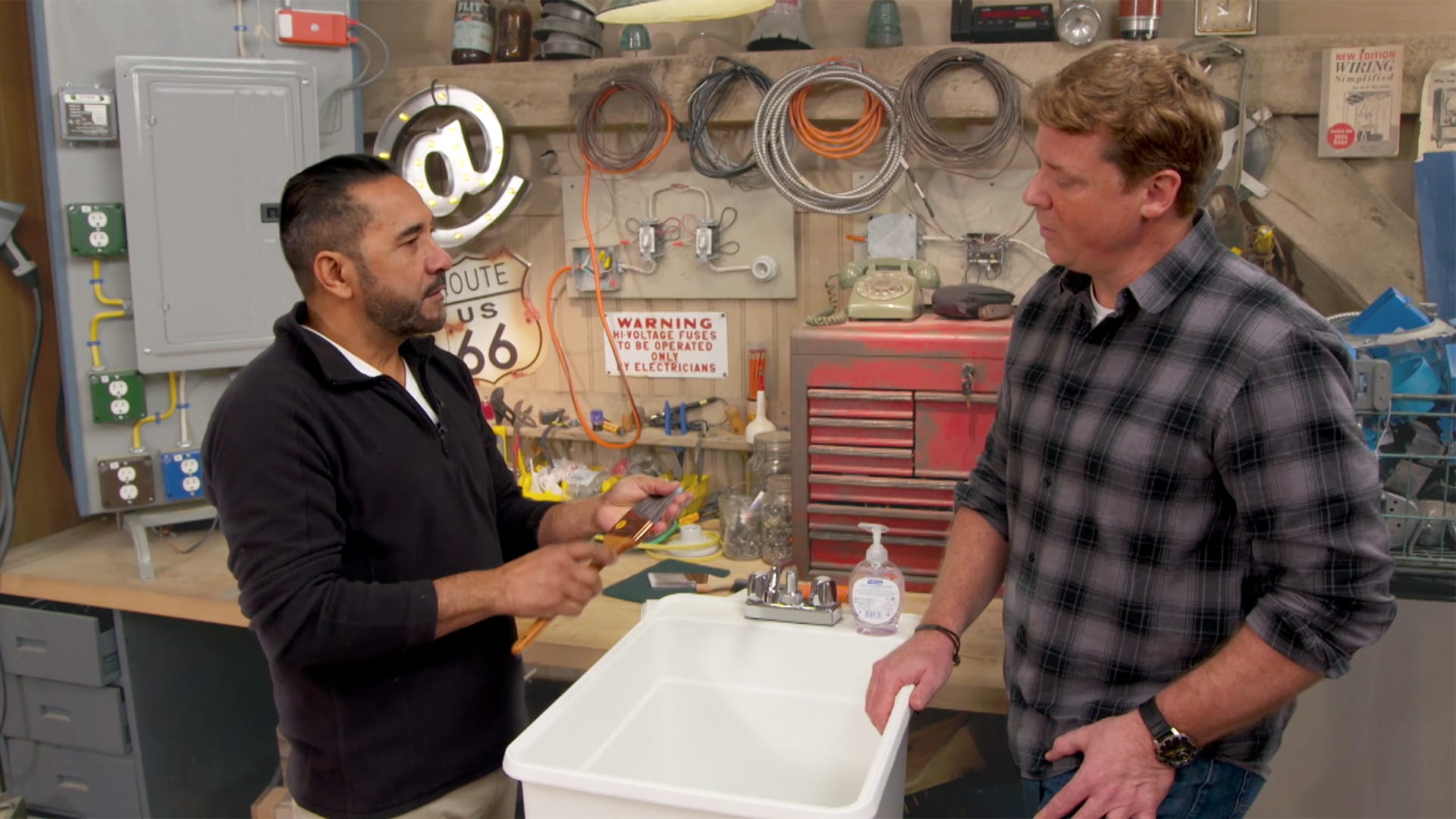
Have you ever wondered if it’s okay to rinse your paint brushes in the kitchen sink? It might seem like a simple step after a painting project, but what happens next could affect your pipes, your dishes, and even your health.
Before you grab that running tap, you need to know the right way to clean your brushes without causing damage or making a mess. Keep reading to discover the smart, safe way to handle your paint cleanup—and protect your home while doing it.

Credit: www.angi.com
Risks Of Rinsing Brushes In Kitchen Sink
Rinsing paint brushes in the kitchen sink might seem like a convenient choice, but it carries several risks you should consider. It’s easy to overlook the hidden consequences, from damaging your plumbing to affecting your health and the environment. Understanding these risks can help you make safer, smarter decisions when cleaning your brushes.
Potential Damage To Plumbing
Paint residue can quickly clog your pipes. Even small amounts of dried paint can build up inside your plumbing, leading to costly blockages. Over time, this buildup may require professional cleaning or even pipe replacement.
Oil-based paints are especially harmful because they don’t dissolve in water and can stick stubbornly to pipe walls. Have you ever noticed slow drainage after rinsing brushes? That’s a warning sign your pipes might be suffering.
Health And Safety Concerns
Many paints contain chemicals that aren’t safe to be washed down your kitchen sink. These substances can linger on surfaces, potentially exposing you and your family to harmful toxins. If you use the kitchen sink to rinse brushes, you risk contaminating areas where food is prepared.
Think about the last time you cleaned your brushes in the sink. Could any leftover paint have ended up on your hands or utensils? Taking precautions protects your health and keeps your kitchen hygienic.
Environmental Impact
Rinsing brushes in the kitchen sink can send toxic paint chemicals directly into the water system. Wastewater treatment plants aren’t always equipped to filter out these pollutants effectively. As a result, harmful substances may enter rivers, lakes, or groundwater.
Consider how this affects wildlife and ecosystems downstream. Would you want your small action to contribute to larger environmental problems? Choosing proper disposal methods helps reduce your ecological footprint.
Proper Methods For Cleaning Paint Brushes
Cleaning your paint brushes properly is essential to maintain their shape and extend their lifespan. Using the right techniques not only saves you money but also ensures better paint application in your next project. Let’s look at some effective ways to clean your brushes without damaging them or your sink.
Using Solvents And Water
The type of paint you use determines how you should clean your brushes. For water-based paints like acrylic or latex, rinsing with warm water often does the trick. Gently swirl the brush in water and use your fingers to remove paint from the bristles.
For oil-based paints, solvents such as mineral spirits or turpentine are necessary. Pour a small amount of solvent into a container and dip the brush, working the paint out. Be careful not to pour solvents down your kitchen sink, as they can damage pipes and harm the environment.
Cleaning With Brush Cleaner Solutions
Brush cleaner solutions are designed specifically for removing stubborn paint residues. These can be especially useful if you paint often or use multiple paint types. Apply the cleaner according to the instructions, usually soaking the brush briefly and then rinsing thoroughly.
You might wonder if these cleaners are safe for your sink. Most are better used in a dedicated container rather than rinsing directly in the kitchen. This prevents clogs and keeps your plumbing in good shape.
Drying And Storing Brushes
After cleaning, shake off excess water or solvent and reshape the bristles with your fingers. Hang brushes by their handles or lay them flat to dry—never stand them on their bristles. This prevents damage and maintains the brush’s original form.
Storing brushes properly means they’re ready when you need them again. Keep them in a dry place, protected from dust and moisture. Have you noticed how a well-cared-for brush makes your painting smoother and more enjoyable?
Alternatives To Kitchen Sink Cleaning
Cleaning paint brushes in the kitchen sink can cause issues. It may clog pipes and harm the environment. So, consider alternatives to kitchen sink cleaning. These methods are effective and eco-friendly.
Outdoor Cleaning Options
Use a garden hose to rinse your brushes. The strong water flow helps remove paint efficiently. Use a bucket to catch paint water and prevent soil contamination. You can also use an old tub or basin for cleaning.
Dedicated Cleaning Stations
Create a special area for cleaning paint brushes. Use a utility sink or a large basin. This prevents paint residue from entering your main plumbing system. A dedicated station makes cleanup easier and more organized.
Disposal Of Paint Residue
Do not pour paint residue down the drain. Collect the residue in a container. Let solids settle at the bottom. Dispose of this solid waste according to local regulations. For liquid waste, contact a hazardous waste facility.

Credit: www.amazon.co.uk
Preventing Damage And Stains
Rinsing paint brushes in the kitchen sink can cause damage and stains if not done carefully. Paint residue may stick to surfaces or clog drains. Taking simple precautions helps keep your sink clean and undamaged. Protect the sink and maintain hygiene with a few easy steps.
Protecting Sink Surfaces
Use a sink mat or a piece of plastic to cover the sink base. This layer prevents paint from touching the sink directly. Avoid scrubbing brushes inside the sink to stop scratches. Rinse brushes gently under running water to reduce paint buildup on surfaces.
Using Strainers And Traps
Place a strainer over the drain to catch paint chips and debris. This prevents clogs and keeps pipes clear. Empty the strainer into a trash bin after rinsing each brush. Consider using a small trap to collect leftover paint before it reaches the plumbing.
Regular Maintenance Tips
Clean the sink thoroughly after rinsing paint brushes. Use mild soap and warm water to remove stains. Avoid harsh chemicals that can harm sink finishes. Check strainers and traps often to clear any trapped paint. Consistent upkeep prevents long-term damage and keeps your kitchen sink fresh.
Legal And Environmental Regulations
Handling paint brushes after a project involves more than just cleaning; it requires attention to legal and environmental rules. Improper disposal of paint water or solvents can lead to fines and harm the environment. Understanding regulations helps you protect your home, community, and planet.
Local Disposal Laws
Many areas have strict laws about disposing of paint residues and cleaning water. Pouring paint or solvent-contaminated water down your kitchen sink often violates these laws. Some places require you to take leftover paint and dirty water to designated hazardous waste collection sites.
Check your city or county website for specific guidelines. Ignoring these rules could result in fines or cleanup costs. Have you ever thought about what happens to your sink water after rinsing brushes?
Eco-friendly Cleaning Practices
Reducing environmental impact starts with how you clean your brushes. Use water-based paints when possible, as they are easier to clean safely. Instead of rinsing brushes directly in the sink, try using a bucket with water to wash excess paint.
After washing, let the paint solids settle, then pour clear water down the sink and dispose of the sludge responsibly. Using biodegradable soaps also helps keep your water safe. What small changes can you make to protect your local water supply?
Community Guidelines
Communities often have specific rules about paint disposal to maintain clean water systems. Some neighborhoods organize hazardous waste days where you can drop off paint and solvents. Participating in these programs supports local efforts to keep the environment safe.
Sharing your cleaning habits with neighbors can raise awareness and encourage responsible behavior. Have you checked if your community offers such services or events? Following these guidelines keeps your neighborhood healthy and pollution-free.
Credit: www.lemon8-app.com
Frequently Asked Questions
Can You Rinse Paint Brushes In The Kitchen Sink?
Rinsing paint brushes in the kitchen sink is not recommended. Paint chemicals can contaminate your water supply and harm plumbing. It’s better to clean brushes outside or use designated cleaning stations to avoid health and environmental risks.
What Are The Risks Of Rinsing Brushes Indoors?
Rinsing paint brushes indoors can cause harmful fumes and paint residue buildup. It may clog pipes and damage your home’s plumbing system. Always use proper disposal methods to protect your health and maintain your plumbing.
How Should You Properly Clean Paint Brushes?
Use water or solvent recommended for the paint type. Clean brushes in a utility sink or outdoors. Dispose of paint water safely, following local regulations. This prevents environmental contamination and extends your brush’s lifespan.
Can Paint Residue Harm Kitchen Plumbing?
Yes, paint residue can clog and damage kitchen plumbing. It hardens in pipes, causing blockages and expensive repairs. Avoid rinsing brushes in kitchen sinks to keep plumbing functional and safe.
Conclusion
Rinsing paint brushes in the kitchen sink can cause problems. Paint may clog the drain or harm pipes. Cleaning brushes outside or in a utility sink works better. Use water or solvent carefully to avoid mess. Always check local rules about paint disposal.
Keep your kitchen clean and safe. Proper brush care helps them last longer. Think about your health and the environment. Choose the right place to rinse your brushes every time. Simple steps make a big difference.