

How often should you mop your kitchen floor? It’s a simple question, but the answer can make a big difference in keeping your kitchen clean and healthy.
If you don’t mop enough, dirt and germs can build up, making your kitchen less safe. Mop too often, and you might waste time and effort without real benefit. You’ll discover the perfect balance for your kitchen floor. You’ll learn easy tips to keep your floor sparkling without overdoing it.
Ready to find out how to make your kitchen shine every day? Keep reading—you won’t want to miss these simple secrets.
Credit: www.abt.com
Frequency Factors
Knowing how often to mop your kitchen floor depends on several key factors. These frequency factors help you tailor your cleaning schedule to fit your lifestyle and kitchen conditions. Paying attention to these details ensures your kitchen stays clean without wasting time or effort.
Daily Kitchen Activities
The more cooking and eating happen in your kitchen, the dirtier the floor gets. If you cook multiple meals a day or have kids who frequently snack, spills and crumbs become daily challenges. You might find yourself needing to mop more often to keep the floor safe and hygienic.
On the other hand, if you use your kitchen mostly for quick meals or reheating, less frequent mopping may be enough. Think about the mess your kitchen sees daily—does it require a quick mop after every meal, or just a few times a week?
Household Size Impact
The number of people in your home directly affects floor messiness. A large family usually means more foot traffic, more dropped food, and more spills. With this in mind, mopping several times a week may be necessary to keep things clean and fresh.
Living alone or with just one other person often means less dirt accumulates. In this case, a good mop once or twice a week could be enough. Ask yourself: how often do shoes, pets, or visitors track dirt inside?
Type Of Flooring
Not all kitchen floors handle dirt and spills the same way. Tile and vinyl floors can often handle frequent mopping without damage, so you might clean them more often. Hardwood or laminate floors require gentler cleaning and less water, meaning less frequent mopping is better.
Consider your floor's material when setting your mopping schedule. Overdoing it on sensitive floors can cause wear or warping. What kind of floor do you have, and how does it respond to moisture and cleaning?
Signs You Need To Mop
Knowing when to mop your kitchen floor keeps it clean and safe. Some signs show the floor needs attention. These signs help you maintain a fresh kitchen environment. Recognize these clues to mop at the right time.
Visible Dirt And Spills
Seeing dirt or spills on the floor is a clear sign to mop. Crumbs, dust, or food stains reduce the floor’s cleanliness. Spilled liquids can make surfaces slippery and unsafe. Cleaning these messes quickly stops stains from setting in.
Sticky Or Greasy Surfaces
Sticky or greasy floors feel uncomfortable underfoot. Cooking often leaves oils and residues that attract dirt. These surfaces can trap bacteria and germs. Mopping removes the stickiness and keeps the floor fresh.
Unpleasant Odors
Bad smells near your kitchen floor suggest hidden dirt or spills. Food particles or liquids can cause odors if left too long. Mopping eliminates the source and refreshes the air. A clean floor helps your kitchen smell inviting.
Mopping Techniques
Mop your kitchen floor at least once a week to keep it clean and fresh. Busy kitchens may need mopping more often to remove spills and dirt. Regular mopping helps prevent stains and keeps your floor looking nice.
Mopping your kitchen floor might seem like a straightforward task, but using the right techniques can make a world of difference in cleanliness and efficiency. Have you ever wondered why your floor still feels sticky after mopping? The secret often lies in the method you use. Whether you're a seasoned cleaner or a newbie, refining your mopping skills is crucial. Let's dive into some effective mopping techniques that will leave your kitchen floor sparkling.
Choosing The Right Mop
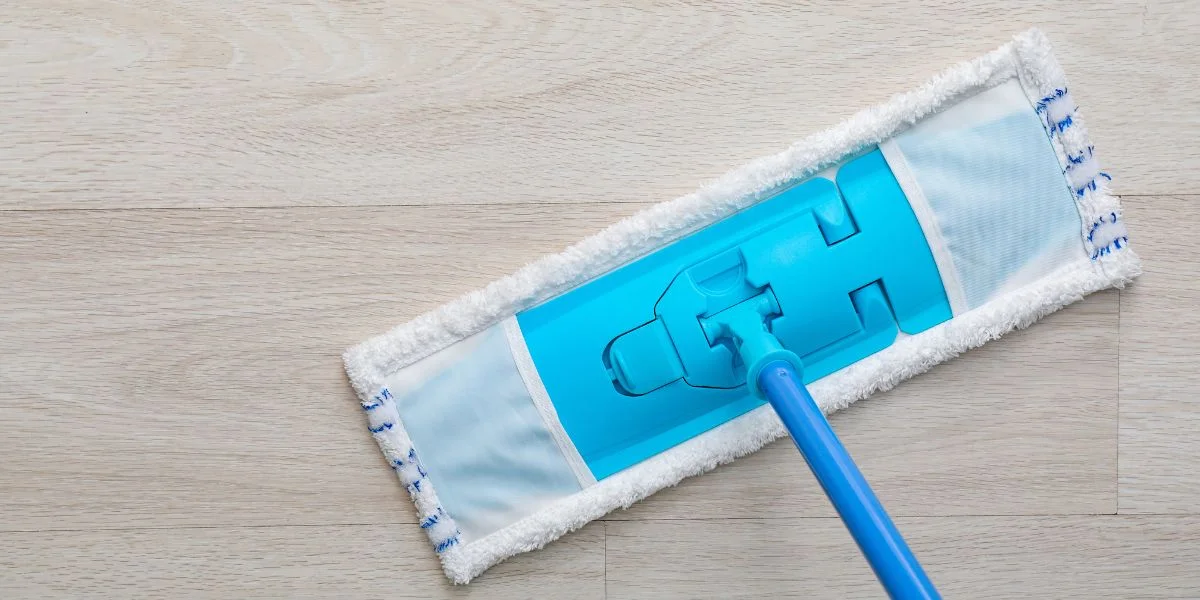
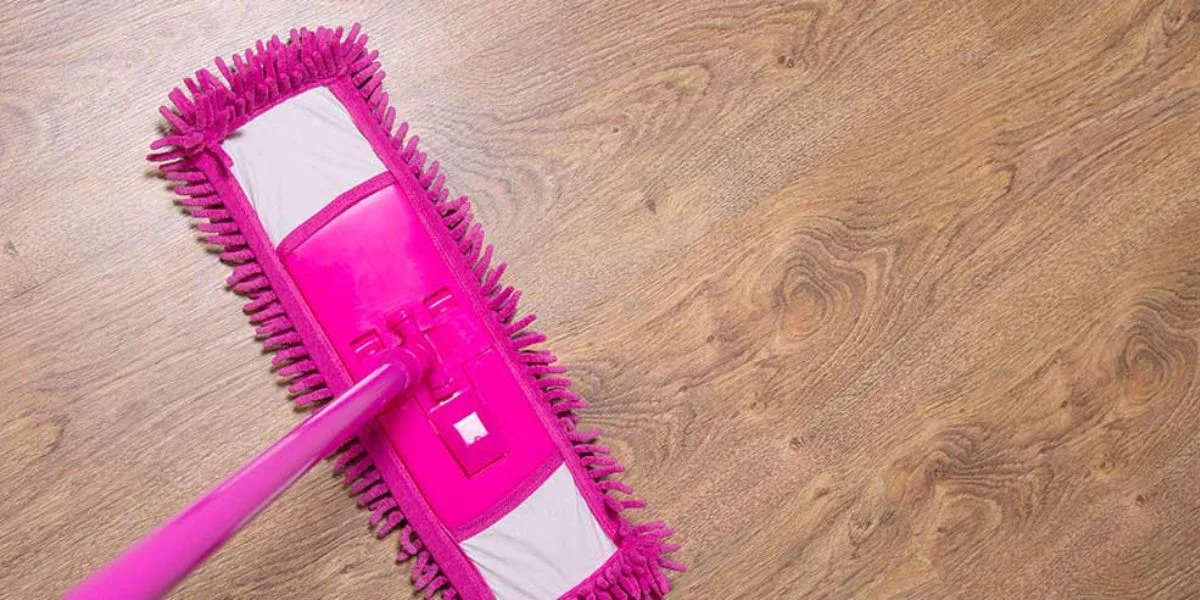
Selecting the right mop can feel overwhelming with so many choices available. A microfiber mop is a popular option because it traps dirt effectively and is easy to maneuver. Alternatively, a traditional string mop is great for heavy-duty cleaning, especially in larger kitchens. Consider the size of your kitchen. For smaller spaces, a flat mop might be more convenient and quicker to use. Always ensure your mop is clean before starting; a dirty mop spreads grime rather than removing it.
Best Cleaning Solutions
Not all cleaning solutions are created equal. For everyday cleaning, a simple mixture of warm water and mild dish soap can do wonders. If you're dealing with stubborn stains, a dash of vinegar added to your solution can help break down grime. Avoid using too much detergent, as it can leave a residue on your floor. Remember to check the manufacturer's guidelines for your flooring type to avoid damage.
Step-by-step Mopping Process
- Start by sweeping or vacuuming the floor to remove loose debris.
- Prepare your cleaning solution in a bucket, ensuring it's not too soapy.
- Dip your mop into the solution and wring out excess water to prevent overwetting the floor.
- Mop in sections, using a figure-eight motion to cover more area efficiently.
- Rinse and wring out your mop frequently to avoid spreading dirt around.
- Once finished, allow the floor to air dry or use a dry mop for quicker drying.
Have you tried changing your mopping technique recently? Small adjustments can lead to big improvements in your cleaning routine. By choosing the right mop, using effective solutions, and following a straightforward process, you can keep your kitchen floor in top-notch condition.
Credit: www.abt.com
Special Considerations
Special considerations affect how often the kitchen floor needs mopping. Factors like pets, heavy foot traffic, and tough stains change cleaning needs. Adjust the schedule and methods to keep floors clean and fresh.
Pet Owners’ Cleaning Tips
Pets bring dirt and hair into the kitchen. Mop more often to remove pet hair and paw prints. Use a pet-safe cleaner to protect your furry friends. Clean spills quickly to avoid stains and odors. Regular sweeping helps reduce the amount of dirt on the floor.
Handling High-traffic Kitchens
Kitchens with many people need frequent mopping. Dirt and crumbs build up fast in busy homes. Mop daily or every other day to keep floors tidy. Use a mop that cleans efficiently without leaving streaks. Keep a small mop or cloth handy for quick spot cleaning.
Dealing With Stubborn Stains
Stains from spills can be tough to remove. Act fast to mop spills before they set. Use gentle scrubbing with a soft brush for stuck-on grime. Avoid harsh chemicals that may damage the floor finish. Repeat cleaning if necessary to fully remove stains.
Maintenance Between Mopping
Keeping your kitchen floor clean between mopping sessions can save you time and effort. Simple daily habits help reduce dirt buildup and keep your floor looking fresh. Let’s look at some practical ways to maintain your kitchen floor every day.
Daily Sweeping Or Vacuuming
Sweeping or vacuuming your kitchen floor daily removes loose dirt, crumbs, and pet hair before they settle. It’s a quick task that prevents grime from becoming stubborn stains. I noticed my floor stays cleaner longer when I sweep right after cooking or eating.
Use a soft-bristle broom or a vacuum designed for hard floors to avoid scratches. Paying attention to corners and under cabinets is key since dirt often hides there. What small change can you make today to add this quick step to your routine?
Spot Cleaning Tricks
Spills and stains happen, but you don’t have to mop the entire floor every time. Keep a small spray bottle with a mix of water and mild dish soap handy for quick spot cleaning.
Blot spills immediately with a clean cloth or paper towel before wiping with the spray solution. This stops stains from setting and reduces the need for frequent mopping. Have you tried using natural cleaners like vinegar or baking soda for tough spots?
Preventing Dirt Buildup
Minimizing dirt buildup means fewer mopping days. Placing mats at entrances and under the sink traps dirt and water before it reaches your floor.
Encourage family members to wipe their feet or remove shoes before entering the kitchen. Regularly cleaning these mats keeps them effective. What small habit can you introduce to keep dirt outside your kitchen?

Credit: www.express.co.uk
Frequently Asked Questions
How Often Should I Mop Kitchen Floors Weekly?
Mop your kitchen floor at least once a week to remove dirt and spills. High-traffic kitchens may need mopping twice weekly for cleanliness and hygiene.
Can I Mop Kitchen Floors Daily For Better Hygiene?
Daily mopping is ideal if you cook frequently or have pets. It helps prevent buildup of grease, crumbs, and bacteria, keeping floors fresh and safe.
What Is The Best Time To Mop Kitchen Floors?
Mop your kitchen floor after meal preparation or in the evening. This timing helps remove food residues and dirt accumulated throughout the day.
Should I Use Special Cleaners For Kitchen Floor Mopping?
Yes, use cleaners designed for your floor type to avoid damage. Mild detergents or natural solutions work well for most kitchen floors.
Conclusion
Keeping your kitchen floor clean helps prevent germs and dirt build-up. Mop high-traffic areas at least twice a week. Spills and crumbs need quick attention to avoid stains. For less busy kitchens, once a week may work. Use the right cleaning solution for your floor type.
Regular mopping keeps your kitchen safe and fresh. Clean floors also make your kitchen look nicer. Simple habits make a big difference over time. Start a routine that fits your lifestyle. Your kitchen will thank you with every clean step.