
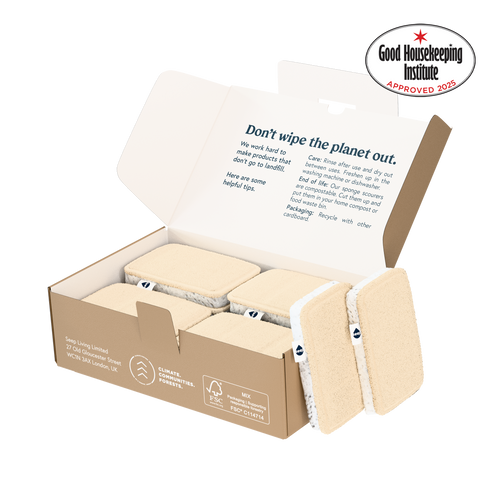
Have you ever wondered if the kitchen sponge you use every day is made from real sea sponges? It’s a question that might surprise you, especially when you consider how important these little tools are for keeping your home clean.
Understanding what your sponge is made of can change how you choose and use it. If you want to know the truth behind those soft, absorbent pads and whether they come from the ocean or something else, keep reading. This could change the way you think about your kitchen routine forever.

Credit: www.amazon.ca
Types Of Kitchen Sponges
Kitchen sponges come in different types, each designed for specific cleaning tasks. Knowing the type helps choose the right sponge for your needs. Two main categories exist: synthetic sponges and natural sea sponges. Both have unique features and uses in the kitchen.
Synthetic Sponges
Synthetic sponges are made from man-made materials like polyurethane foam. They are soft, absorbent, and affordable. Many have scrubby sides to remove tough stains. These sponges dry quickly, reducing bacteria growth. They come in various shapes, sizes, and colors. Synthetic sponges are widely available and popular for everyday kitchen cleaning.
Natural Sea Sponges
Natural sea sponges come from the ocean. They are harvested carefully to protect marine life. These sponges are soft, durable, and eco-friendly. Their unique texture cleans gently without scratching surfaces. Sea sponges absorb water well and last longer than synthetic ones. They are less common and usually cost more. People who prefer natural products often choose sea sponges for their kitchen.
What Are Sea Sponges?
Sea sponges might sound like something from an ocean adventure, but they are real living creatures that have been used by humans for centuries. If you’ve ever wondered whether your kitchen sponge comes from these natural sea dwellers, it’s important to understand what sea sponges actually are. They are quite different from the synthetic sponges you find in most stores, both in origin and structure.
Biological Characteristics
Sea sponges are simple aquatic animals that belong to the phylum Porifera. Unlike plants, they don’t have leaves or roots; instead, they have porous bodies full of tiny holes and channels. These pores allow water to circulate through them, helping the sponge filter out food particles.
They attach themselves to solid surfaces like rocks or coral reefs in oceans around the world. Their bodies are supported by a skeleton made of spicules or spongin fibers, which give them flexibility and durability. This natural structure is what makes real sea sponges soft yet resilient.
Harvesting Methods
Harvesting sea sponges is a careful process. Divers usually collect them by hand from the ocean floor, making sure not to damage the sponge or its environment. This method helps sponges regenerate, allowing the ecosystem to stay balanced.
After collection, sponges are cleaned and dried before being sold. This natural harvesting contrasts with synthetic sponges, which are produced in factories using chemicals and plastics. Have you ever thought about how your choice between synthetic and natural sponges might impact marine life?
Materials Used In Kitchen Sponges
When you think about kitchen sponges, you might envision those colorful, squishy squares that help you tackle dishwashing with ease. But have you ever wondered what they're actually made of? Understanding the materials used in kitchen sponges can help you make informed choices for both your cleaning needs and the environment.
Common Synthetic Fibers
Many kitchen sponges are crafted from synthetic fibers. These include materials like polyester, nylon, and polyurethane foam. These synthetic sponges are popular due to their durability and cost-effectiveness.
Polyurethane foam is especially common because it’s soft yet resilient, making it perfect for scrubbing without scratching. Ever noticed how quickly synthetic sponges dry? That's thanks to their porous nature, which also helps prevent bacteria buildup. However, their synthetic composition raises environmental concerns as they can contribute to plastic pollution.
Use Of Natural Sea Sponges
Natural sea sponges are a fascinating alternative. Harvested from the ocean, these sponges boast a biodegradable nature. They’re highly absorbent and soft, making them gentle on delicate surfaces.
Have you ever tried one? They’re not only eco-friendly but also long-lasting compared to synthetic options. However, their higher cost can be a deterrent for some. Are you willing to spend a little more for an eco-friendly choice?
Choosing between synthetic and natural options involves weighing factors like cost, environmental impact, and personal preference. What matters most to you in a sponge? Perhaps it’s time to reconsider what you’re using at your sink.
Pros And Cons Of Sea Sponge Sponges
Sea sponge sponges offer a unique alternative to synthetic kitchen sponges, but they come with their own set of advantages and drawbacks. Understanding these pros and cons can help you decide if they fit your kitchen needs and lifestyle. Let’s take a closer look at how sea sponge sponges perform in terms of durability, cleaning efficiency, and environmental impact.
Durability And Cleaning Efficiency
Sea sponge sponges are naturally porous and soft, which makes them gentle on delicate surfaces like glass and non-stick cookware. They absorb water well, helping you clean with less soap and effort. However, they may not last as long as synthetic sponges if you use them on tough grime or rough surfaces frequently.
In my experience, sea sponges start to break down faster when used heavily for scrubbing pots with stuck-on food. But if you mostly wash plates and glasses, they hold up nicely for weeks. Would you prefer a sponge that lasts longer or one that’s kinder to your dishes?
Environmental Impact
Sea sponge sponges are biodegradable and come from a natural source, which makes them an eco-friendly choice compared to plastic-based sponges. They don’t contribute to microplastic pollution, which is a major concern with synthetic options. However, sustainable harvesting practices are crucial to avoid damaging marine ecosystems.
Choosing sea sponge sponges from responsible suppliers means supporting environmental health while reducing your plastic waste. If you care about the planet, does the source of your sponge matter as much as its performance?
How To Identify Sea Sponge Kitchen Sponges
Knowing how to spot a genuine sea sponge kitchen sponge can save you from buying synthetic imitations that don’t offer the same natural benefits. Identifying these sponges goes beyond just feeling fancy; it affects durability, eco-friendliness, and cleaning efficiency. Let’s look at some clear ways you can tell if your kitchen sponge really comes from the sea.
Visual And Textural Differences
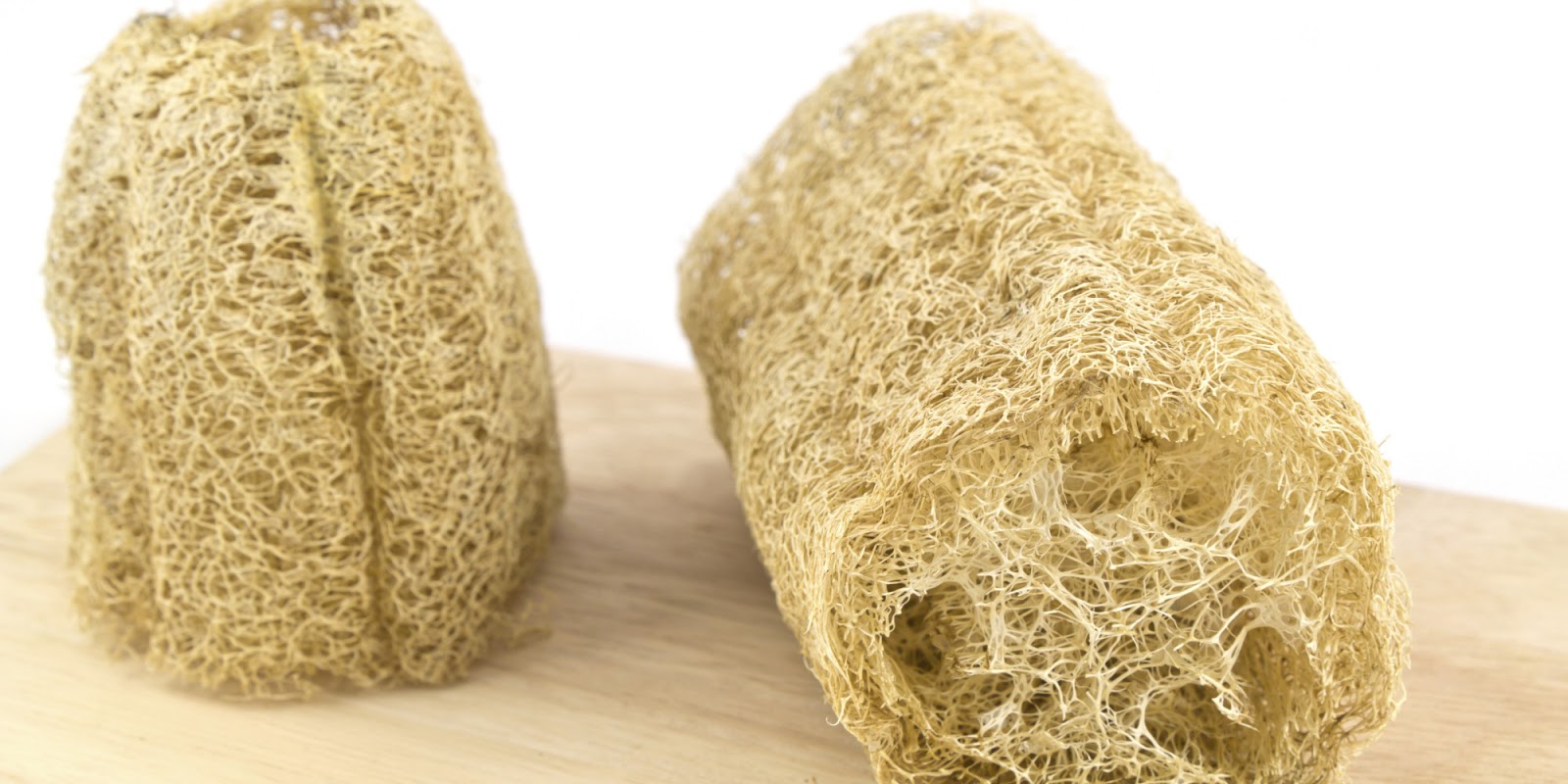
Sea sponges have a unique appearance that sets them apart from synthetic ones. Their surface is irregular with natural holes and channels, resembling a porous coral-like structure.
When you touch a sea sponge, it feels soft yet sturdy. Unlike synthetic sponges that may feel too smooth or overly rough, sea sponges have a springy, flexible texture that compresses easily but bounces back.
Try soaking the sponge in water. A real sea sponge absorbs water quickly and holds it without falling apart, while synthetic sponges might either absorb too much or feel waterlogged and heavy.
Labeling And Certification
Check the packaging for clear labeling indicating the sponge is made from natural sea sponge. Authentic products often mention the species of sponge or their origin, like the Mediterranean Sea or Caribbean.
Look for eco-certifications or sustainability logos. These certifications confirm that the sponge was harvested responsibly and is biodegradable.
If the label is vague or missing, question the product’s authenticity. Sellers who provide transparency about sourcing are more likely to offer real sea sponges.

Credit: www.reddit.com
Consumer Trends And Preferences
Consumer trends show a shift toward products that are natural and sustainable. Many buyers want kitchen sponges that are safe for the environment and their health. This shift impacts what types of sponges people choose for their homes.
Consumers often ask if kitchen sponges are made from real sea sponges. Understanding preferences helps brands meet demand for eco-friendly options and clear up confusion.
Popularity Of Eco-friendly Sponges
Eco-friendly sponges have gained strong popularity. People prefer sponges made from natural materials over synthetic ones. These sponges break down more easily and cause less pollution.
- Natural sea sponges are biodegradable.
- Plant-based sponges use renewable resources.
- Many buyers avoid plastic sponges to reduce waste.
This preference encourages companies to offer more green sponge choices. Many shoppers also look for sponges free from harsh chemicals and dyes.
Market Availability
Market availability of sea sponge sponges is limited but growing. Real sea sponges cost more and are sold in specialty stores. Most kitchen sponges are synthetic or plant-based.
- Supermarkets mainly stock synthetic sponges.
- Eco shops and online stores offer sea sponge options.
- Sea sponges come in various shapes and sizes but fewer colors.
Consumers can find many eco-friendly sponges online. Reading product descriptions helps buyers choose the right sponge for their needs.
Care And Maintenance Tips
Proper care and maintenance extend the life of your kitchen sponge. Different types of sponges need different care. Knowing how to clean and store them keeps sponges fresh and safe.
Cleaning Synthetic Sponges
Synthetic sponges trap food particles and bacteria easily. Clean them often to avoid bad smells and germs.
- Rinse the sponge thoroughly after each use.
- Microwave the damp sponge for 1-2 minutes to kill bacteria. Be careful to avoid burns.
- Soak the sponge in a mixture of warm water and vinegar for 10 minutes.
- Replace synthetic sponges every 1-2 weeks for best hygiene.
Preserving Sea Sponge Quality
Sea sponges are natural and last longer with gentle care. Avoid harsh chemicals that damage their fibers.
- Rinse the sponge well after use to remove debris.
- Allow it to air dry completely to prevent mold growth.
- Occasionally soak in saltwater to maintain softness and shape.
- Keep sea sponges away from direct sunlight to avoid drying out.
- Replace only when the sponge starts to break down or smell.
Credit: ourpermaculturelife.com
Frequently Asked Questions
Are Kitchen Sponges Made From Real Sea Sponges?
Most kitchen sponges are synthetic, not made from real sea sponges. Natural sea sponges are rare and costly, so manufacturers prefer synthetic materials for durability and affordability.
How Do Synthetic Kitchen Sponges Differ From Sea Sponges?
Synthetic sponges are made from plastic-based materials, designed for cleaning efficiency and durability. Sea sponges are natural, softer, and biodegradable but less common in kitchens due to cost.
Are Sea Sponges Eco-friendly Compared To Synthetic Sponges?
Yes, sea sponges are biodegradable and renewable, making them eco-friendly. Synthetic sponges contribute to plastic waste and are less environmentally friendly.
Can Real Sea Sponges Be Used Safely In Kitchens?
Yes, real sea sponges can be used in kitchens but require proper cleaning. They may harbor bacteria if not dried properly, unlike some synthetic options with antimicrobial properties.
Conclusion
Kitchen sponges are mostly made from synthetic materials, not sea sponges. Natural sea sponges are rare and costly for daily use. Most sponges you find in stores come from man-made materials. These synthetic sponges clean well and dry quickly. Choosing the right sponge helps keep your kitchen clean and safe.
Now you know the difference between sea sponges and kitchen sponges. Use this knowledge to pick the best sponge for your needs. Simple facts make cleaning easier and more effective.