
Have you ever tossed out veggie scraps without realizing they could grow into fresh, tasty plants? What if you could turn those kitchen leftovers into a thriving garden right at home?
Growing veggies from kitchen scraps is easier than you think, and it saves you money while reducing waste. Imagine harvesting your own fresh greens without buying seeds or seedlings. Ready to discover simple steps that anyone can follow? Keep reading, and you’ll learn how to make your kitchen scraps work for you, transforming your cooking waste into a garden full of life.
Choosing The Right Scraps
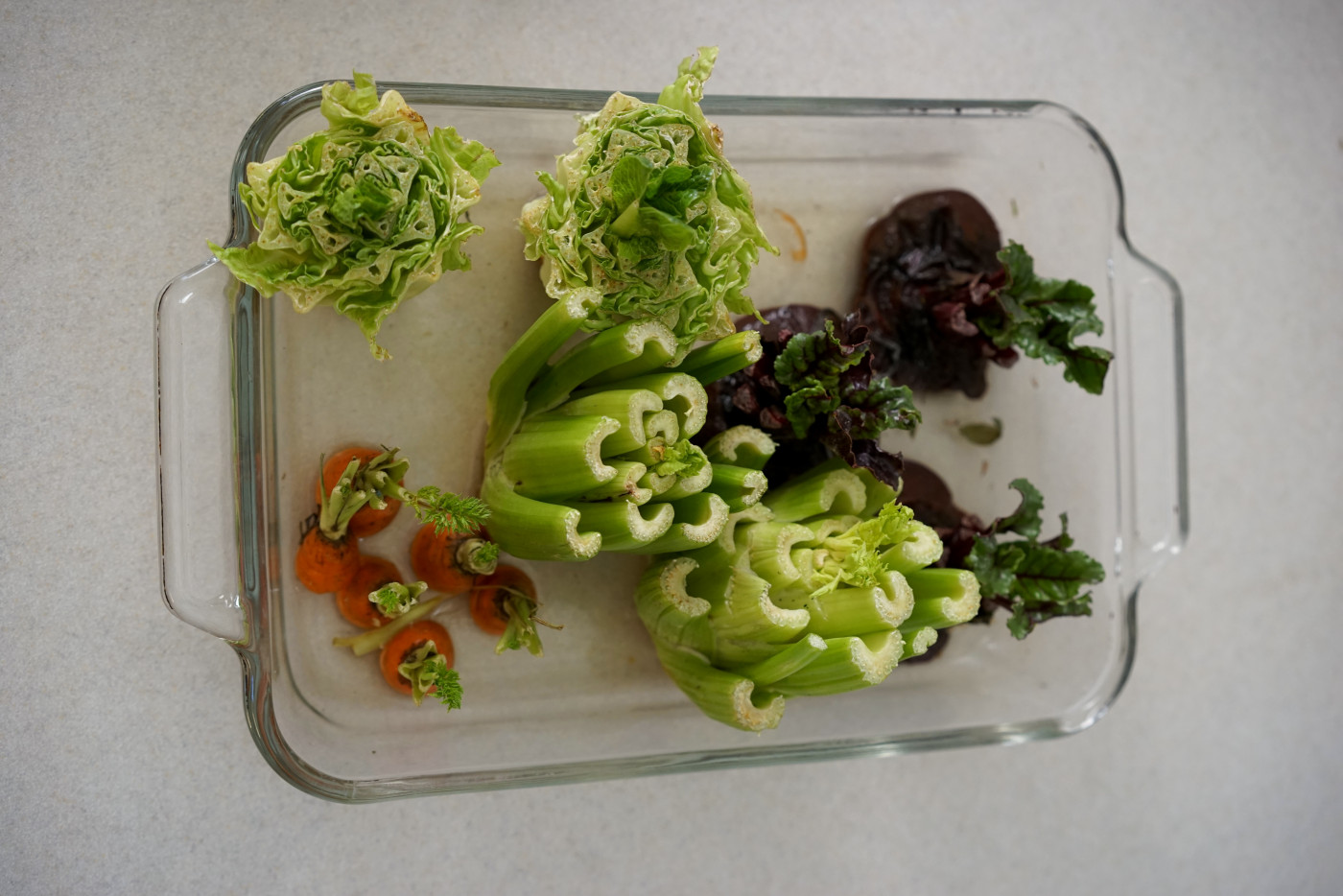
Choosing the right kitchen scraps is key to growing healthy vegetables. Some scraps regrow easily and produce fresh veggies fast. Others may not sprout or could grow weak plants. Picking scraps with strong roots or shoots gives you a better chance of success. Focus on scraps that still have a part of the original plant. These pieces store energy to help new growth.
Understanding which scraps work best makes your regrowing effort more fun and rewarding. It saves time and avoids frustration from scraps that won’t grow well.
Best Vegetables For Regrowing
- Green onions: Use the white root ends with some green attached.
- Lettuce: Regrow from the base core after cutting leaves.
- Celery: The bottom part with roots can sprout new stalks.
- Carrot tops: The green leafy parts regrow well in water.
- Garlic: Plant individual cloves to grow new bulbs.
- Potatoes: Use pieces with “eyes” or sprouts to grow new plants.
- Ginger: Plant chunks with visible buds or “eyes.”
Scraps To Avoid
- Tomato stems: Usually too soft to regrow effectively.
- Old or wilted scraps: Lack the energy for new growth.
- Overripe fruits: Often do not sprout healthy plants.
- Root vegetables without roots: Won’t regrow without root parts.
- Scraps with mold or rot: Can harm new plants and spread disease.
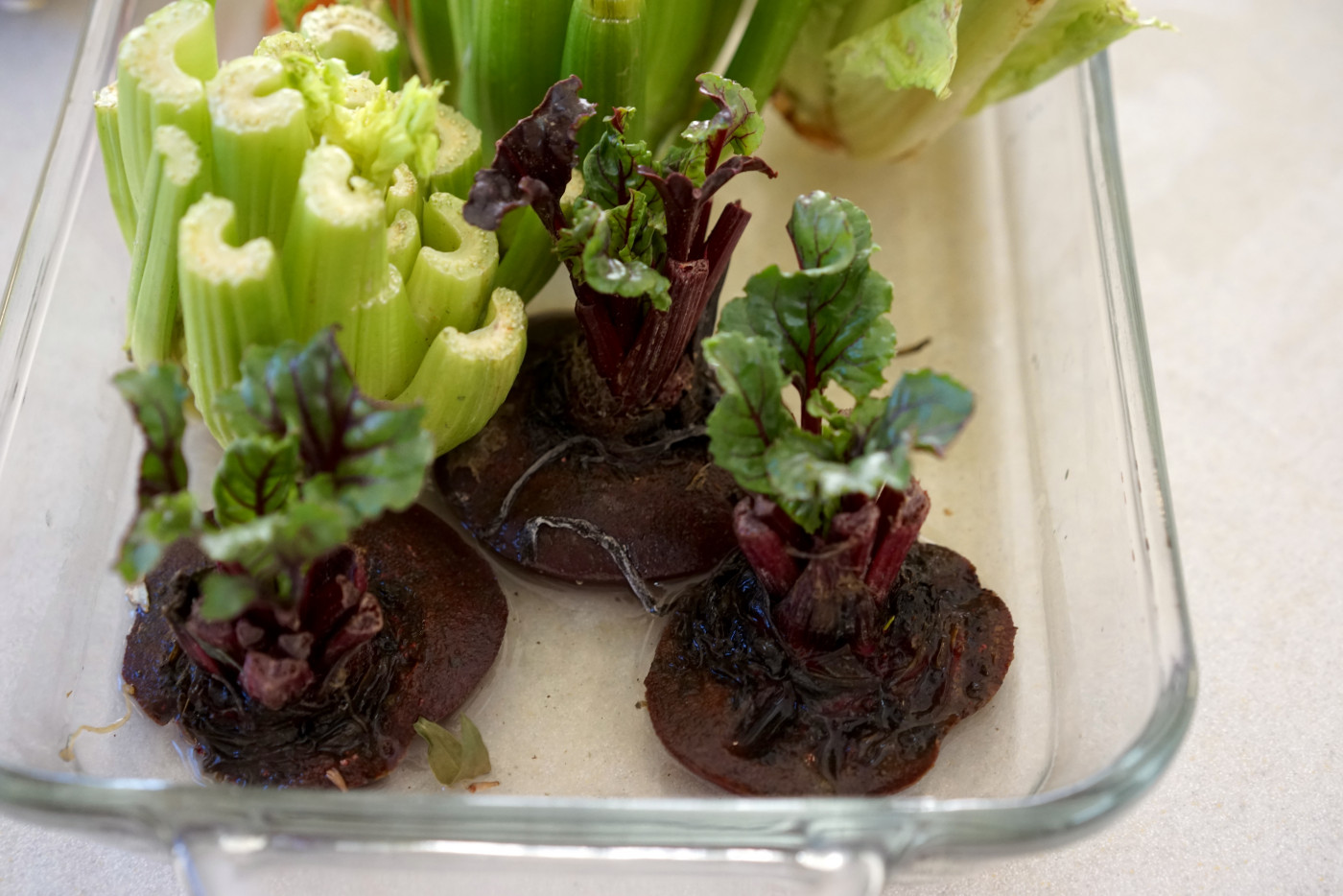
Credit: www.gardenary.com
Preparing Scraps For Planting
Preparing kitchen scraps for planting is the first step to growing fresh veggies at home. Proper preparation helps scraps develop roots quickly and grow healthy plants. Clean and healthy scraps reduce the risk of disease and pests.
Cleaning And Cutting
Wash scraps gently under cool water to remove dirt and bacteria. Remove any wilted or damaged leaves. Use a clean knife or scissors to cut scraps into smaller pieces. Cut just below the root area or at the base of the stem. This helps the plant focus energy on new growth. Avoid cutting too much; leave enough material to support growth.
Rooting Techniques
Place scraps in water or soil to encourage root development. For water rooting, use a clear container and change water every few days. Keep the container in a warm, bright spot but out of direct sunlight. For soil rooting, plant scraps in moist potting mix or garden soil. Cover lightly and keep soil damp. Roots usually appear within one to two weeks. Once roots grow strong, transfer to a larger pot or garden bed.
Planting Methods
Place vegetable scraps in water or soil to encourage root growth. Keep them in sunlight and change water often for best results. Watch new shoots appear and plant them in pots or garden beds.
Growing veggies from kitchen scraps is an exciting and sustainable way to cultivate your own food. Whether you're a seasoned gardener or a beginner, understanding the different planting methods can help you achieve success. There are various ways to transform your kitchen waste into thriving plants. Let's explore the most effective techniques that you can start using today.
Water Propagation
Water propagation is a simple and fascinating method to grow plants. By placing scraps like green onion roots or lettuce bases in a glass of water, you can watch them sprout new growth right on your kitchen windowsill. Make sure the water covers the roots but not the entire scrap, and change the water every few days to keep it fresh. This method is not only effective but also serves as a great educational activity for kids. Observing the transformation from scrap to sprout can be quite rewarding. Have you ever tried it with carrot tops or celery? You might be surprised at how quickly they start to grow.
Soil Planting
Planting directly in soil is another tried-and-true method. Many scraps, such as potato eyes and garlic cloves, thrive when buried in nutrient-rich soil. Choose a sunny spot in your garden or a well-lit area indoors if you’re using pots. Ensure the soil is well-drained and fertile to encourage healthy growth. It's amazing how quickly these scraps can take root and flourish. Have a go with sweet potatoes; they're particularly fun to grow as they produce lovely vines.
Containers And Pots
Using containers and pots offers flexibility and convenience. This method is perfect if you're short on outdoor space or want to keep your garden mobile. Simply plant scraps like tomatoes or peppers in containers filled with quality potting mix. Containers should have drainage holes to prevent waterlogging. You can move them around to catch the sun's rays or protect them from harsh weather. Have you considered using recycled containers? It’s an eco-friendly way to garden and can add a creative touch to your space. By understanding and experimenting with these planting methods, you can effectively transform your kitchen waste into a fruitful garden. Which method will you try first?
Care And Maintenance
Caring for veggies grown from kitchen scraps requires attention to their unique needs. Since these plants are often regrown in small containers or limited soil, you must provide the right environment and care to help them thrive. Understanding their light, water, and nutrient needs can make a big difference in your success.
Light And Temperature Needs
Most veggies sprouted from scraps need plenty of sunlight. Aim for at least 4-6 hours of direct sunlight daily. If natural light is limited, a grow light can make a huge difference in keeping your plants healthy.
Temperature plays a crucial role too. Most kitchen scrap veggies prefer temperatures between 65°F and 75°F (18°C to 24°C). Avoid placing them near drafts or heat sources that cause temperature swings. Have you noticed your plants drooping after a cold night? It might be time to move them to a more stable spot.
Watering Tips
Water your veggies consistently but avoid overwatering. The soil should be moist but not soggy. Overwatering can lead to root rot, especially in small containers.
Check the soil daily by touching it—if the top inch feels dry, it’s time to water. Using a spray bottle for delicate plants can prevent disturbing the roots. How often you water depends on the plant type and environment, so keep a close eye.
Fertilizing Naturally
Since kitchen scraps don’t come with much nutrient-rich soil, adding natural fertilizers helps your plants grow stronger. Compost tea, made by soaking compost in water, is an easy and gentle fertilizer.
You can also use diluted fish emulsion or liquid seaweed, which provide essential nutrients without chemicals. If you have coffee grounds or crushed eggshells, sprinkle them sparingly into the soil. Have you tried feeding your plants this way? It’s amazing how quickly they respond!
Common Challenges
Growing veggies from kitchen scraps can be incredibly rewarding, but it’s not without its hurdles. You’ll face some common challenges that can slow down or even stop your progress. Knowing how to handle these issues will keep your mini garden thriving and productive.
Pest Control
Pests love young, tender plants just as much as you love fresh veggies. You might find aphids, snails, or even tiny caterpillars munching on your growing scraps. Instead of reaching for harsh chemicals, try natural options like neem oil or a simple soap and water spray.
Another trick is inviting beneficial insects like ladybugs to your garden. They act as natural pest fighters. Have you ever noticed ants farming aphids? Controlling ants can sometimes reduce pest populations too.
Dealing With Rot And Mold
Rot and mold are common issues, especially when scraps stay too wet or don’t get enough air. You can prevent this by planting in well-draining soil and avoiding overwatering. Make sure your containers have drainage holes to keep excess water away.
If you spot mold, remove the affected parts immediately to stop it from spreading. Sometimes, mixing a little cinnamon powder on the soil surface helps as a natural antifungal. Do you check your plants daily for early signs of rot? Catching problems early makes all the difference.

Credit: www.everydaycheapskate.com
Harvesting And Using Your Veggies
Harvesting your veggies grown from kitchen scraps is one of the most rewarding parts of the process. It lets you see the fruits of your patience and care. Knowing when and how to pick your veggies ensures they taste fresh and have the best texture.
When To Harvest
Timing matters a lot. Most veggies are ready to harvest when they reach a size similar to what you find in stores but are still tender. For example, green onions grown from scraps can be snipped once they reach about 6 inches tall.
Check leaves and stems regularly. If they start turning yellow or look wilted, it might be time to pick. Don’t wait too long—overripe veggies can become tough or bitter.
Ask yourself: Would you eat it now? If yes, go ahead and harvest. This simple question helps avoid guesswork and keeps your veggies fresh.
Cooking Ideas For Homegrown Produce
Using your homegrown veggies immediately brings a fresh, vibrant taste to your meals. Green onions from scraps, for instance, add a mild, sweet flavor to salads, soups, and stir-fries.
Try chopping your fresh herbs or leafy greens and tossing them into scrambled eggs or pasta dishes. Their crispness makes a noticeable difference compared to store-bought greens.
- Add chopped green onion tops to homemade guacamole for a zesty kick.
- Use regrown lettuce leaves as a crunchy addition to sandwiches or wraps.
- Mix fresh celery leaves into smoothies or as garnish on soups for a subtle herbal note.
Have you thought about freezing extra veggies for later? It’s a great way to avoid waste and enjoy your scraps’ bounty well beyond the growing season.
Sustainable Benefits
Growing vegetables from kitchen scraps offers more than just fresh produce—it directly supports a sustainable lifestyle. This simple practice helps you make the most of what you already have and reduces your impact on the environment. Let’s look at how this habit benefits you and the planet in practical ways.
Reducing Food Waste
Most vegetable scraps usually end up in the trash, but you can give them a second life by regrowing them. By planting scraps like carrot tops, lettuce bases, or green onion roots, you cut down on the amount of food waste you produce.
This not only lowers the trash pile in your home but also reduces the methane emissions that result when food decomposes in landfills. Have you noticed how much you throw away daily? Turning scraps into plants can change that quickly.
Saving Money
Imagine harvesting fresh greens without buying new seeds or seedlings every time. Growing veggies from scraps means you spend less on groceries since you reuse parts of vegetables you would normally discard.
Even small savings add up. For example, regrowing green onions from roots can provide weeks of fresh additions to your meals without any extra cost. What could you do with the money saved from cutting down grocery bills?
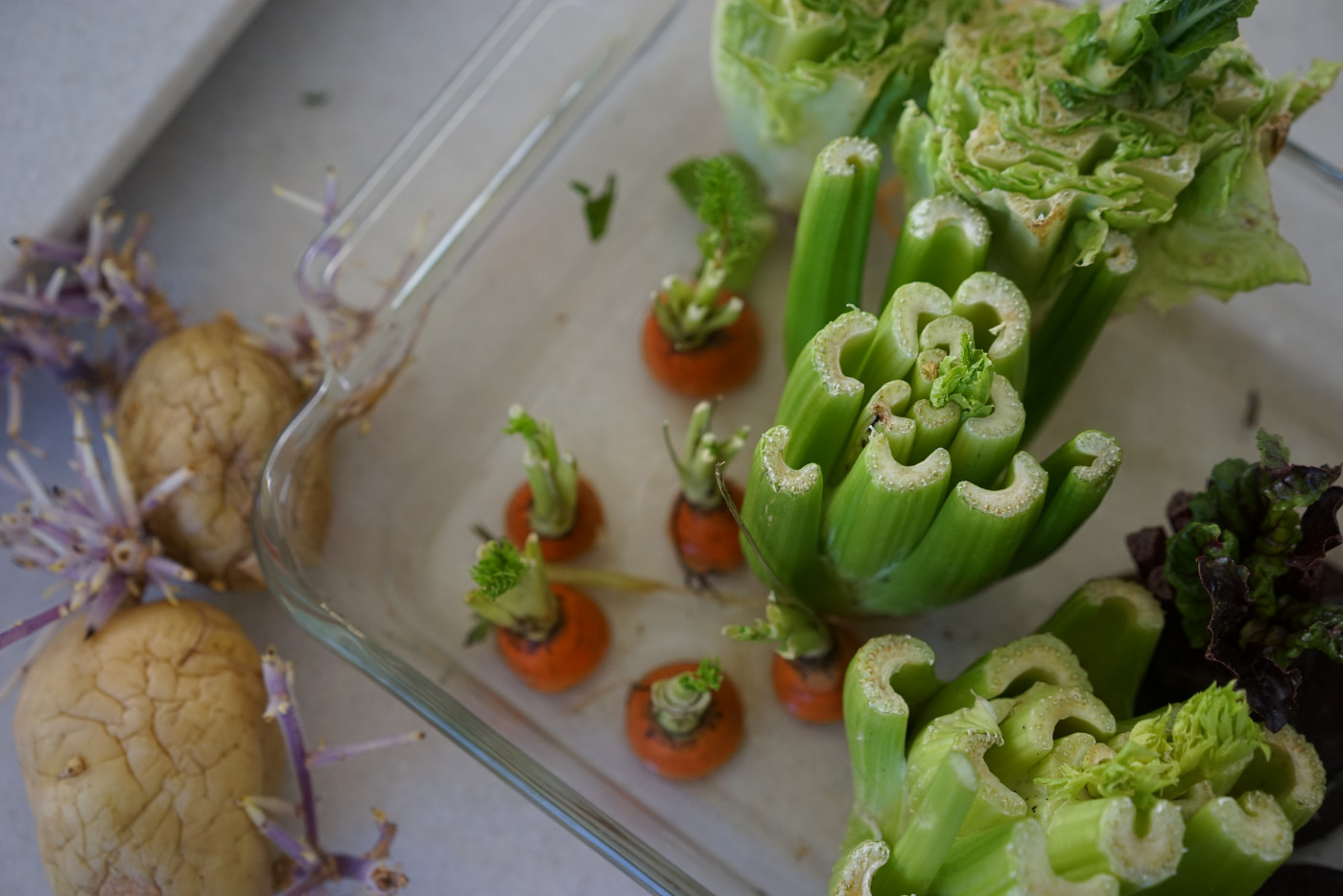
Credit: www.gardenary.com
Frequently Asked Questions
What Kitchen Scraps Can Regrow Into Veggies?
Common scraps like potato eyes, carrot tops, green onion roots, and lettuce bases can regrow. These scraps root easily in water or soil, allowing you to harvest fresh veggies repeatedly. Using such scraps reduces waste and saves money while encouraging sustainable gardening at home.
How Long Does It Take To Grow Veggies From Scraps?
Most veggies from scraps take 1 to 3 weeks to show growth. Leafy greens like lettuce regrow faster, while root vegetables take longer. Growth depends on light, temperature, and water quality. Regular care ensures healthy plants and a quicker harvest.
Can All Kitchen Scraps Grow New Plants?
No, not all kitchen scraps regrow. Only certain parts like roots, stems, or leaves can sprout. Citrus peels and cooked vegetable scraps usually don’t regrow. Focus on raw, fresh scraps that naturally regenerate for best results.
What Is The Best Method To Regrow Veggies From Scraps?
The easiest method is placing scraps in water until roots develop, then transplanting to soil. This encourages strong root systems and healthy growth. Alternatively, you can plant scraps directly in moist soil for some vegetables. Proper light and temperature improve success.
Conclusion
Growing vegetables from kitchen scraps saves money and reduces waste. It brings fresh greens right to your home. Just a little care and patience can grow tasty veggies. Anyone can try this simple and fun way to garden. Start small and enjoy the process of watching plants grow.
This method makes gardening easy and rewarding for all ages. Give it a try and see your kitchen scraps turn into food again.